

 Предпросмотр
 Поделиться
 Поделиться
 Детали произведения

 Скачать
 Похожие работы
 Рентгенография
 Слайд-шоу
 Статистика
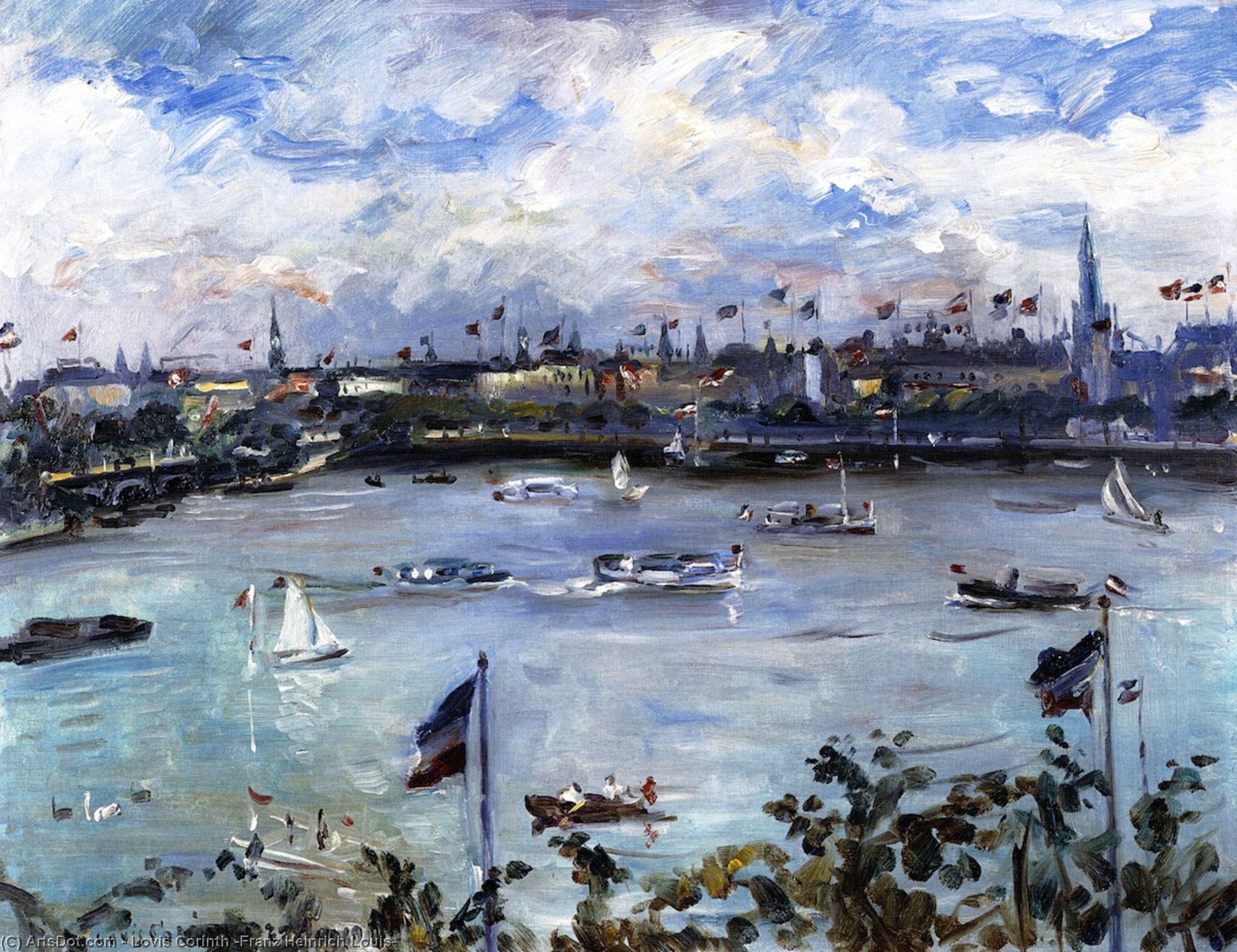
Emperor's Day in Hamburg


 Читать далее
Приобретите цифровое изображение высокого разрешения в улучшенном качестве, которое значительно превосходит онлайн-превью.
Каждый файл тщательно подготавливается нашими специалистами с использованием передовых инструментов и экспертной ручной ретуши. Мы гарантируем исключительную четкость, точную цветопередачу и детальную проработку каждого изображения.
Финальный файл доставляется по электронной почте в течение 72 часов и оптимизирован для немедленного использования в профессиональной среде, при верстке и печати. Это тот же уровень качества, которому доверяют ведущие дизайнерские студии, издательства и галереи.
Цифровое изображение
Скачайте файл высокого разрешения для личного использования, печати и творческих проектов. ( Перейти к печати Купить картину ручной работы)
Включено в каждый заказ цифровых изображений
Гарантия экспертной цифровой доставки
Выбирая ArtsDot.com, вы получаете не просто изображение — вы приобретаете профессионально обработанное цифровое произведение искусства, созданное с безупречной точностью и под защитой гарантии качества. Вот всё, что автоматически входит в ваш заказ:

Мгновенная доставка по e-mail
Ваш цифровой файл в высоком разрешении будет отправлен вам по электронной почте в течение 72 часов после оформления заказа — и сразу станет доступен для использования.

Цифровой файл с ИИ-улучшением
Ваше произведение искусства проходит профессиональную оптимизацию с использованием передовых инструментов ИИ и ручной обработки, что гарантирует максимальную детализацию, четкость и точность цветопередачи.

Бессрочная бесплатная повторная доставка
Случайно удалили или потеряли файл? Не беспокойтесь — мы отправим его вам повторно в любое время и совершенно бесплатно.

Без импортных пошлин — навсегда
Наслаждайтесь вашим произведением искусства мгновенно без таможенных пошлин, сборов или затрат на доставку — цифровые загрузки всегда не облагаются налогом.

Гарантия точности цветопередачи
Мы гарантируем, что ваше цифровое изображение максимально точно передает оригинальные цвета благодаря использованию профессиональных инструментов и систем управления цветом.

Гарантия удовлетворенности 100 дней
Если вы не будете удовлетворены своим цифровым изображением, мы внесем правки или вернем 100% стоимости в течение 100 дней — без лишних вопросов.

100% Гарантия возврата средств
Не удовлетворены покупкой? Получите полный возврат средств в течение 100 дней после получения цифрового файла — без лишних вопросов.

Скидки на оптовые заказы
Купите 3 изображения, сэкономьте 10% — Купите 5, сэкономьте 15% — Купите 10+, сэкономьте 20%. Отличное решение для творческих проектов, галерей и агентств.
A Symphony of Light and Water: Rediscovering Lovis Corinth
In the heart of 1911, as the world stood on the precipice of profound historical change, Lovis Corinth captured a moment of serene vitality in his masterpiece, Emperor's Day in Hamburg. This oil on canvas is far more than a mere depiction of a German cityscape; it is a breathtaking window into a bustling maritime atmosphere, where the rhythmic pulse of life meets the tranquil expanse of the water. As one gazes upon the scene, the eye is immediately drawn to the large body of water in the foreground, acting as a mirror for the sky and a stage for an array of vessels. From small, intimate boats nestled near the shore to larger sailboats drifting further out toward the horizon, each element contributes to a sense of profound depth and atmospheric movement.
Corinth, a master who stood at the crossroads of several monumental art movements, utilizes a technique that breathes life into every brushstroke. While his roots are deeply embedded in the Impressionist tradition—evident in the way light dances across the undulating surface of the water—there is an unmistakable surge of Expressionism and Realism woven into the fabric of this work. His use of bold, energetic colors does not merely describe the landscape; it interprets the emotional temperature of a summer day. The vibrant hues used to depict the boats and the surrounding scenery create a visual melody that resonates with the viewer, making the scene feel as though it is caught in a perpetual state of motion.
The Human Element and Artistic Legacy
Beyond the architectural and maritime splendor, Emperor's Day in Hamburg finds its soul in the subtle presence of humanity. Scattered along the water's edge, groups of people are seen enjoying the leisure of the day—some seated in quiet contemplation, others standing near the docks, adding a layer of social texture to the composition. This inclusion of life and activity transforms the painting from a static landscape into a living, breathing narrative. The artist masterfully balances the grand scale of the cityscape with these intimate human moments, ensuring that the viewer feels not just like an observer, but a participant in this picturesque afternoon.
For collectors and interior designers alike, this piece offers an unparalleled opportunity to introduce a sense of historical grandeur and dynamic energy into a space. The painting’s ability to evoke both peace and vitality makes it a versatile cornerstone for any curated collection. Whether displayed in a sunlit gallery or as a focal point in a sophisticated modern residence, the work serves as a testament to Corinth's enduring legacy. Owning a high-quality reproduction of this piece allows one to possess a fragment of the Wallraf-Richartz-Museum's treasures, bringing the luminous spirit of early 20th-century Germany into the contemporary home.
Похожие произведения

Биография художника
A Life Forged in Paint: The World of Lovis Corinth
Lovis Corinth, born Franz Heinrich Louis on July 21, 1858, in the Prussian province of East Prussia, was a figure who embodied the dramatic shift occurring between the 19th and early 20th centuries within the art world. His life wasn’t one defined by immediate acclaim but rather a gradual evolution—a testament to relentless study, diverse influences, and ultimately, profound personal tragedy. Corinth's origins were deeply rooted in the rural landscapes of his birthplace, Tapiau, where his father worked as a tanner. This early exposure to the physicality of labor and the raw beauty of nature subtly permeated his later work, even amidst more sophisticated stylistic explorations. Initially, he pursued studies at the Academy of Königsberg in 1876, but quickly realized that traditional academic training alone wouldn’t satisfy his artistic ambitions—a yearning for something beyond mere imitation. A period of travel followed, taking him to Munich, Antwerp, and finally Paris – each city acting as a crucial stepping stone in his artistic development. In Munich, he absorbed the meticulous realism championed by Ludwig von Löfftz, honing his observational skills and mastering technique with remarkable precision. Antwerp introduced him to the dramatic intensity of Baroque art through the works of Rubens, while Paris exposed him to the burgeoning Impressionist movement – though initially, his response was one of cautious observation rather than immediate embrace.From Naturalism to a Synthesis of Styles
Corinth’s artistic development wasn't marked by sudden revolutions but by a gradual assimilation and synthesis of diverse influences. His early work leaned heavily towards naturalism, reflecting the prevailing academic standards of the time. Paintings like “In the Slaughterhouse” (1878), with its unflinching depiction of animal carcasses, demonstrate this commitment to realistic representation—a willingness to confront uncomfortable truths. Yet, even here, a nascent emotional intensity begins to surface; the subject matter itself – gruesome and visceral – hints at a deeper engagement beyond mere observation. This wasn’t simply about depicting reality; it was about conveying a feeling, an experience. His time spent studying the works of Courbet and the Barbizon school, through the interpretations offered by Munich artists like Wilhelm Leibl and Wilhelm Trübner, further shaped his approach. These influences instilled in him a desire to capture not just appearances but also the essence of the subject—the soul if you will. However, it was his exposure to Impressionism – initially viewed with skepticism – that ultimately proved transformative. He didn’t simply adopt the broken color and fleeting light effects of Monet or Renoir; instead, he integrated these elements into his own unique vision, creating a style that blended impressionistic vibrancy with a distinctly German sensibility—a synthesis that would define his artistic legacy.The Influence of Rubens and Parisian Modernity
Corinth’s fascination with the Baroque master Rubens was particularly significant. Antwerp became a crucial destination during his travels, where he immersed himself in the dramatic compositions, dynamic figures, and rich color palettes of Rubens' paintings. This influence is evident in Corinth’s later work, particularly in his portraits and landscapes—a sense of movement, energy, and theatricality that echoes Rubens’ style. Simultaneously, Paris offered a different kind of artistic stimulation. He studied under William-Adolphe Bouguereau and Tony Robert-Fleury at the Académie Julian, absorbing the latest trends in Parisian art. However, it was the Impressionists who truly captivated him—not just their techniques but also their spirit of experimentation and their willingness to challenge traditional conventions. Corinth’s initial response wasn't one of immediate acceptance; he approached Impressionism with a critical eye, carefully observing its strengths and weaknesses before incorporating its principles into his own work. This cautious approach allowed him to develop a unique style that was both rooted in the past and oriented towards the future.A Berlin Secession Pioneer
In 1888, Corinth settled permanently in Berlin, a city rapidly becoming a center for avant-garde art. He joined the influential Berlin Secession group in 1902, initially as a member but later assuming the role of president after Max Liebermann’s departure in 1915. The Secession was a bold move—a rejection of the conservative artistic establishment and an embrace of modernism. Corinth's leadership helped to shape the group’s aesthetic direction, promoting experimentation and encouraging artists to push the boundaries of traditional art forms. His involvement with the Berlin Secession reflected his own evolving artistic philosophy—a commitment to innovation, a willingness to challenge conventions, and a desire to create art that was both aesthetically pleasing and intellectually stimulating. During this period, he also established an art school for women, demonstrating his belief in the importance of education and opportunity for all artists.Tragedy, Resilience, and Enduring Legacy
A pivotal moment in Corinth’s life—and arguably in his artistic development—was a stroke he suffered in December 1911. The paralysis it caused on his left side threatened to end his career altogether. However, with unwavering determination and the support of his wife, Charlotte Berend-Corinth, he relearned to paint, adapting to his physical limitations and developing an even more expressive style. This period marked a turning point in his work—as his paintings became increasingly bold, gestural, and emotionally charged. The experience of confronting mortality and physical vulnerability infused his art with a new sense of urgency and authenticity. He embraced a looser brushstroke and intensified color palette, anticipating many of the stylistic innovations that would define Expressionism. Corinth’s legacy extends beyond his remarkable body of work; he was also a respected teacher and writer on art, publishing essays such as “On Learning to Paint” in 1908, offering insights into his artistic philosophy and technical approach. He served as president of the Berlin Secession until his death in 1925, championing progressive artistic ideas and fostering a vibrant creative community. Lovis Corinth’s art remains a testament to the power of resilience, the beauty of observation, and the enduring spirit of an artist who bridged two eras and left an indelible mark on the history of German art.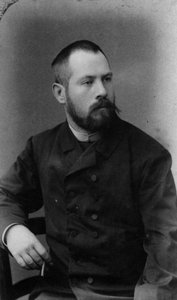
Корнит Ловис
1858 - 1925 , Нидерланды
Основные сведения
- Artistic Movement Or Style: Импрессионизм и экспрессионизм
- Artists Or Movements Influenced By This Artist: ['Экспрессионизм']
- Artists Who Influenced This Artist:
- Корбет
- Рембрандт
- Date Of Birth: 21 июля 1858
- Date Of Death: 17 июля 1925
- Full Name: Франц Генрих Людвиг Корнт
- Nationality: Немецкий
- Notable Artworks:
- Убой на скотобоенке
- Автопортрет
- Женщина в шляпе
- Place Of Birth: Тяуваде, Нидерланды