

 Предпросмотр
 Поделиться
 Поделиться
 Детали произведения

 Скачать
 Похожие работы
 Рентгенография
 Слайд-шоу
 Статистика
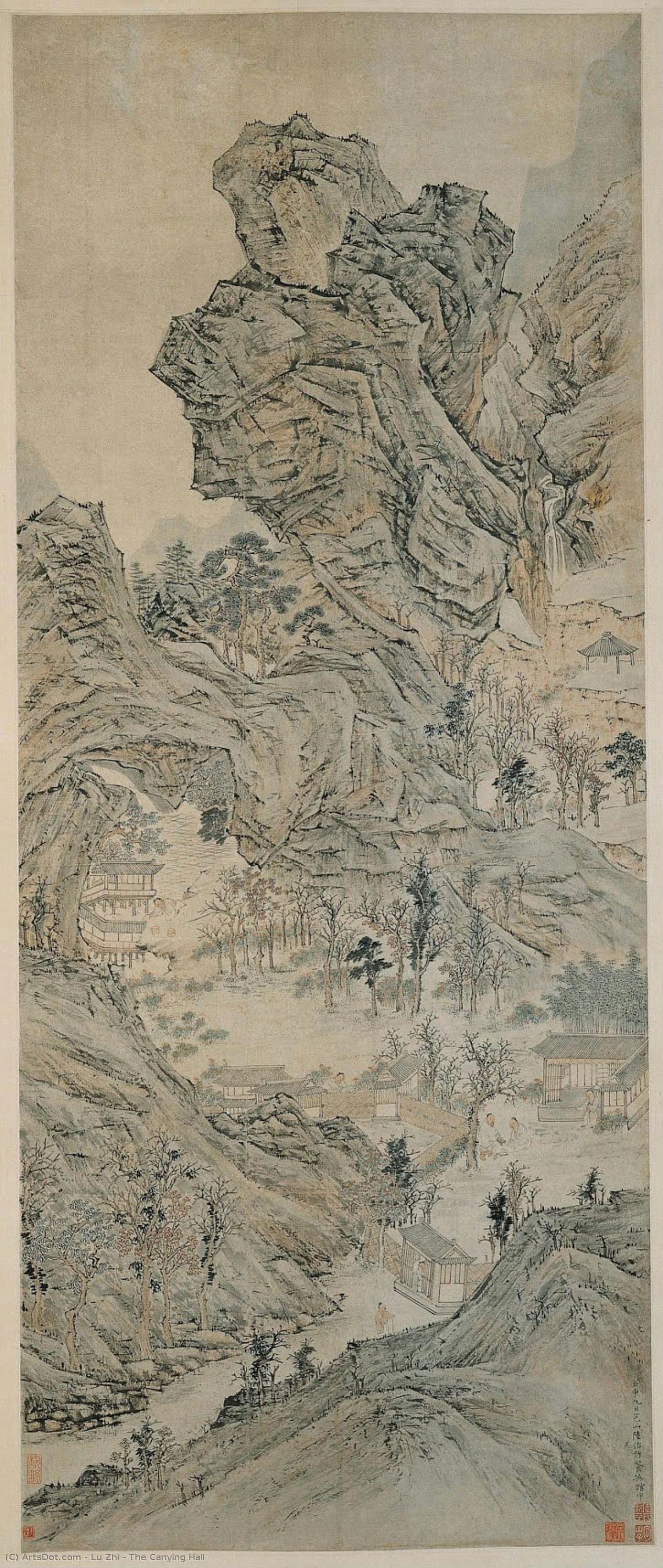
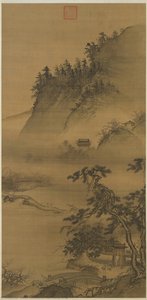
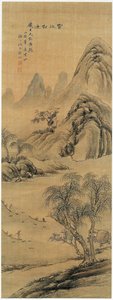
The Canying Hall
 Ink
Ink- WallArt
- Wu School
 1572
1572- Early Modern
 139.0 x 69.0 cm
 Кимбелл Арт-музей
 Читать далее
Приобретите цифровое изображение высокого разрешения в улучшенном качестве, которое значительно превосходит онлайн-превью.
Каждый файл тщательно подготавливается нашими специалистами с использованием передовых инструментов и экспертной ручной ретуши. Мы гарантируем исключительную четкость, точную цветопередачу и детальную проработку каждого изображения.
Финальный файл доставляется по электронной почте в течение 72 часов и оптимизирован для немедленного использования в профессиональной среде, при верстке и печати. Это тот же уровень качества, которому доверяют ведущие дизайнерские студии, издательства и галереи.
Цифровое изображение
Скачайте файл высокого разрешения для личного использования, печати и творческих проектов. ( Перейти к печати Купить картину ручной работы)
Включено в каждый заказ цифровых изображений
Гарантия экспертной цифровой доставки
Выбирая ArtsDot.com, вы получаете не просто изображение — вы приобретаете профессионально обработанное цифровое произведение искусства, созданное с безупречной точностью и под защитой гарантии качества. Вот всё, что автоматически входит в ваш заказ:

Мгновенная доставка по e-mail
Ваш цифровой файл в высоком разрешении будет отправлен вам по электронной почте в течение 72 часов после оформления заказа — и сразу станет доступен для использования.

Цифровой файл с ИИ-улучшением
Ваше произведение искусства проходит профессиональную оптимизацию с использованием передовых инструментов ИИ и ручной обработки, что гарантирует максимальную детализацию, четкость и точность цветопередачи.

Бессрочная бесплатная повторная доставка
Случайно удалили или потеряли файл? Не беспокойтесь — мы отправим его вам повторно в любое время и совершенно бесплатно.

Без импортных пошлин — навсегда
Наслаждайтесь вашим произведением искусства мгновенно без таможенных пошлин, сборов или затрат на доставку — цифровые загрузки всегда не облагаются налогом.

Гарантия точности цветопередачи
Мы гарантируем, что ваше цифровое изображение максимально точно передает оригинальные цвета благодаря использованию профессиональных инструментов и систем управления цветом.

Гарантия удовлетворенности 100 дней
Если вы не будете удовлетворены своим цифровым изображением, мы внесем правки или вернем 100% стоимости в течение 100 дней — без лишних вопросов.

100% Гарантия возврата средств
Не удовлетворены покупкой? Получите полный возврат средств в течение 100 дней после получения цифрового файла — без лишних вопросов.

Скидки на оптовые заказы
Купите 3 изображения, сэкономьте 10% — Купите 5, сэкономьте 15% — Купите 10+, сэкономьте 20%. Отличное решение для творческих проектов, галерей и агентств.
Похожие произведения

Биография художника
Lu Zhi: Weaver of Serene Landscapes
Born in Suzhou, Jiangsu province, during the twilight years of the Ming Dynasty (1496-1576), Lu Zhi emerged as a pivotal figure in Chinese landscape painting. More than simply an artist, he was a meticulous observer of nature, a skilled calligrapher, and a poet deeply attuned to the rhythms of the natural world. His work, characterized by its profound tranquility and subtle beauty, reflects a synthesis of traditional Ming aesthetics with his own unique sensibility – a style often referred to as ‘Shuqing’ (學清), meaning “learning from Zhengming.” Lu Zhi's legacy rests not just on the sheer number of paintings he produced, but on their ability to evoke a sense of profound peace and contemplation, solidifying his place among the most revered landscape masters of the era.
Lu’s artistic journey began under the tutelage of Wen Zhengming (1470-1535), a renowned calligrapher, painter, and scholar who served as a model for many aspiring artists. Wen's emphasis on meticulous brushwork, balanced composition, and the integration of poetry within paintings profoundly influenced Lu Zhi’s approach. However, unlike many of his contemporaries who merely imitated Wen’s style, Lu Zhi developed his own distinct voice, characterized by a softer, more ethereal quality. He was particularly drawn to depicting scenes of misty mountains, serene lakes, and delicate flora – subjects that resonated with his contemplative nature.
Lu's early life remains somewhat shrouded in mystery, though it’s known he spent considerable time studying under Ma Rong (1476-1538), a prominent scholar and poet. This exposure to literary traditions undoubtedly shaped his artistic vision, imbuing his landscapes with layers of symbolic meaning and poetic resonance. His sobriquet, ‘Bao Shanzi’ (寶山子), literally translates to “treasure mountain son,” reflecting his deep appreciation for the majesty and spiritual significance of mountainous regions – a recurring motif in his oeuvre.
The Language of Landscape: Technique and Style
Lu Zhi's paintings are distinguished by their masterful use of ink wash techniques, a hallmark of traditional Chinese landscape painting. He employed a delicate, almost translucent application of ink, creating subtle gradations of tone and texture that mimic the play of light and shadow in nature. His brushwork is remarkably fluid and expressive, conveying both the solidity of rock formations and the ephemeral quality of mist and clouds. Unlike some of his contemporaries who favored bold, assertive strokes, Lu Zhi’s approach was characterized by a quiet restraint – a deliberate avoidance of overt drama or exaggeration.
A key element of Lu Zhi's style is his masterful depiction of water. He skillfully rendered the shimmering surface of lakes and rivers, capturing their reflective qualities with remarkable precision. His use of ‘mo liu’ (墨漏), a technique involving allowing ink to bleed and spread naturally on the paper, created an atmospheric effect that enhanced the sense of depth and spaciousness in his compositions. This technique was particularly effective in conveying the misty atmosphere characteristic of many of his landscapes.
Furthermore, Lu Zhi's paintings often incorporate elements of bird-and-flower painting – a tradition closely associated with landscape art during the Ming Dynasty. He skillfully integrated these smaller motifs into his larger compositions, adding layers of visual interest and symbolic meaning. The inclusion of specific plants and birds was not merely decorative; it served as a means of conveying seasonal changes, philosophical concepts, and personal reflections.
Notable Works and Themes
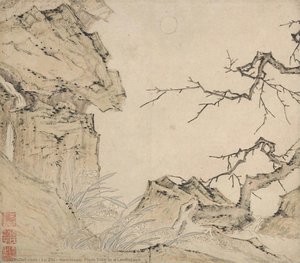
Among Lu Zhi’s most celebrated works are “Day Lily and Garden Rock” (日荷圖), a serene depiction of a small garden featuring a delicate day lily flower and a weathered rock. This painting exemplifies his ability to capture the subtle beauty of everyday scenes, transforming them into objects of contemplation. “The Canying Hall” ( canyon hall) is another notable example, showcasing his skill in rendering mountainous landscapes with remarkable detail and atmospheric perspective.
Recurring themes in Lu Zhi’s work include the harmony between humanity and nature, the passage of time, and the pursuit of inner peace. His paintings often evoke a sense of solitude and introspection, inviting viewers to contemplate their own place within the vastness of the natural world. The frequent depiction of misty mountains – particularly those shrouded in clouds – symbolizes the mysteries of existence and the limitations of human understanding.
Legacy and Influence
Lu Zhi’s influence on subsequent generations of Chinese landscape painters is undeniable. His emphasis on subtle brushwork, atmospheric perspective, and poetic integration within paintings set a new standard for artistic excellence. His work served as an inspiration for artists such as Shen Zhou (1425-1506) and Dong Yuan (1470-1523), who further developed the ‘Shuqing’ style.
Today, Lu Zhi's paintings are highly valued by collectors and art historians alike. His works are exhibited in major museums and galleries around the world, serving as a testament to his artistic genius and enduring legacy. Lu Zhi remains a symbol of Chinese landscape painting at its most serene and contemplative – a master who captured the essence of nature’s beauty with unparalleled grace and subtlety.
lu zhi
1940 - 1973
Основные сведения
- Artistic Movement Or Style: Wen Zhengming Style
- Artists Or Movements Influenced By This Artist: ['Traditional Chinese Art']
- Artists Who Influenced This Artist: ['Wen Zhengming']
- Date Of Birth: c. 1496
- Date Of Death: 1576
- Full Name: Lu Zhi (陸治)
- Nationality: Chinese
- Notable Artworks:
- Day Lily and Rock
- Canying Hall
- Island Beneath Clouds
- Place Of Birth: Suzhou, Jiangsu, China