

 Предпросмотр
 Поделиться
 Поделиться
 Детали произведения

 Скачать
 Похожие работы
 Рентгенография
 Слайд-шоу
 Статистика
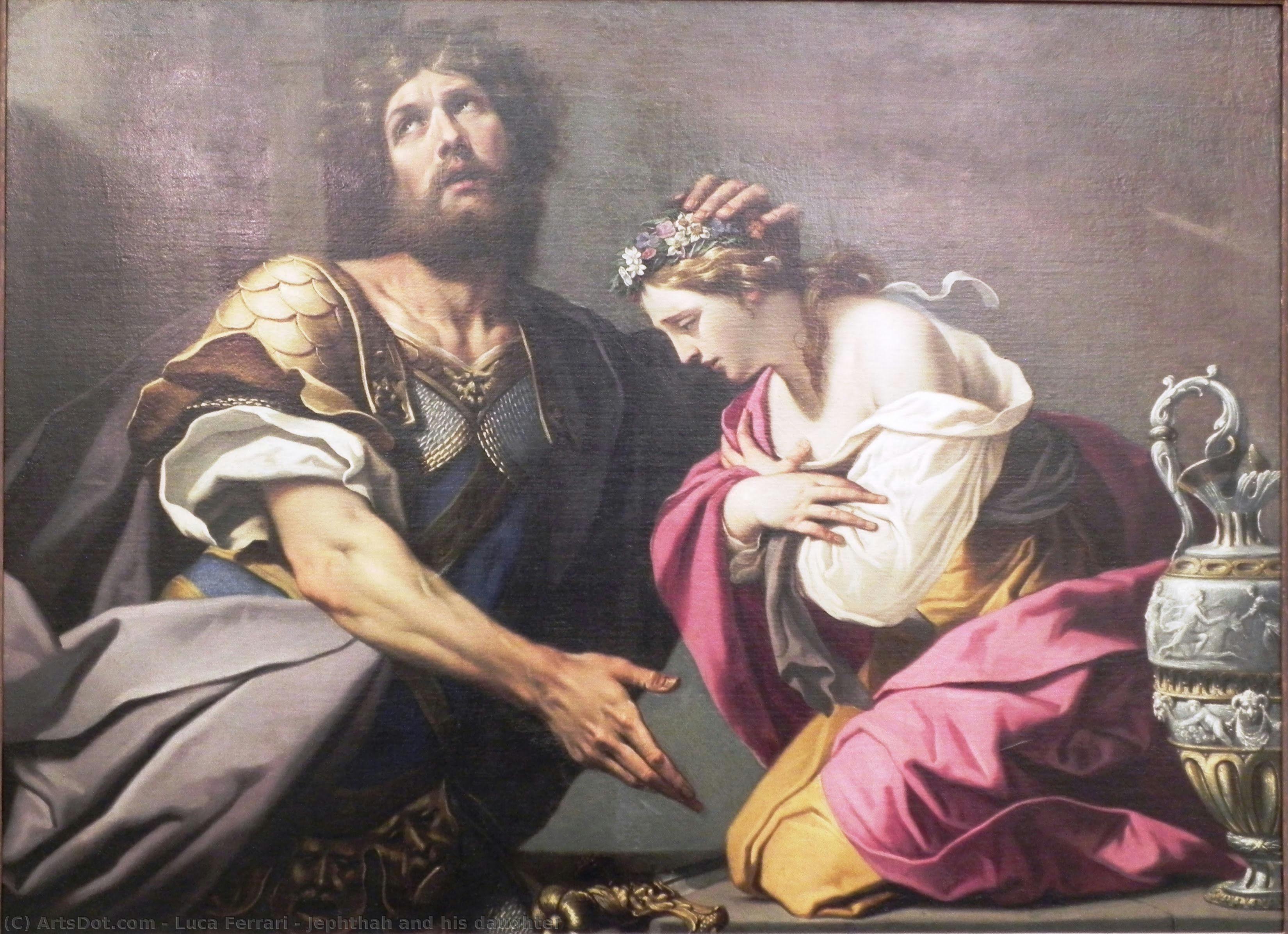
Jephthah and his daughter


 Читать далее
Жикле / Арт-принт
Печать (жикле) или холст музейного качества с быстрыми сроками изготовления и широким выбором вариантов отделки. ( Купить картину ручной работы Перейти к цифровым изображениям)




































Выберите один из наших стандартных размеров, соответствующих оригинальным пропорциям произведения искусства.

Вы можете указать свои собственные размеры, чтобы репродукция идеально подошла под конкретную раму или пространство. Если выбранный вами размер не будет соответствовать пропорциям оригинала, мы либо обрежем произведение, либо дополним изображение зеркальным отражением краев или однотонной заливкой. Перед началом производства вам будет отправлен цифровой макет для утверждения.
Пожалуйста, обратите внимание, что предварительный просмотр на экране не отображает фактическую обрезку или расширение изображения. Только макет точно покажет финальную композицию.
Несмотря на возможность заказа индивидуальных размеров, мы рекомендуем выбирать размер из предопределенного списка, чтобы сохранить оригинальные пропорции.
Доставка по всему миру () за 2 недели вместо стандартных 4/5 недель. (12 Сентябрь)

Бесплатная экспресс-доставка по всему миру

Высококачественный льняной холст

Полное страхование доставки

Гарантия возмещения таможенных пошлин

Гарантия точного соответствия цветов

100-дневная политика возврата (только при обнаружении дефектов)

Гарантия возврата 100% средств

Предложение оптовых скидок
 Вариант со стеклом доступен только для размеров менее 110 см

Jephthah and his daughter
Жикле / Арт-принт
Размер репродукции
-


Итоговая стоимость
$ 62
Похожие произведения

Биография художника
A Life Immersed in Baroque Splendor: Luca Ferrari
Luca Ferrari, often known as Luca da Reggio, emerged from the vibrant artistic milieu of early 17th-century Italy, a period brimming with dramatic energy and spiritual fervor. Born in Reggio Emilia in 1605, his journey led him to Padua, where he would establish himself as a significant, though sometimes overlooked, figure within the Baroque movement. While biographical details remain somewhat sparse, the surviving corpus of his work speaks volumes about an artist deeply attuned to the prevailing aesthetic and intellectual currents of his time. He wasn’t merely replicating styles; Ferrari synthesized them into something uniquely his own – a blend of Caravaggesque realism, Venetian colorism, and a distinctly allegorical bent. His early training is believed to have taken place within local workshops, absorbing the fundamentals of painting before gravitating towards the more progressive artistic circles in Padua. This formative period undoubtedly shaped his technical prowess and instilled in him a love for narrative storytelling through paint.The Paduan Years: A Flourishing Career
Padua became Ferrari’s adopted home, and it was here that he truly blossomed as an artist. He quickly gained recognition for his historical canvases, often commissioned by the city's noble families and religious institutions. Unlike some of his contemporaries who focused solely on grand altarpieces or monumental decorations, Ferrari excelled in a diverse range of subjects. He produced both large-scale works intended to inspire awe and smaller, more intimate “cabinet pieces” – paintings designed for private contemplation and display. These latter works reveal a particular sensitivity to detail and a refined understanding of light and shadow, hallmarks of the Caravaggesque influence that permeated his style. His ability to capture emotional intensity in the faces and gestures of his figures was highly prized by patrons seeking art that resonated with both intellectual depth and visceral impact. He became part of a thriving artistic community alongside painters like Alessandro Varotari and Francesco Maffei, contributing to the city’s reputation as a center for Baroque innovation.Themes and Techniques: Allegory and Emotional Realism
Ferrari's oeuvre is characterized by a compelling interplay between allegory and realism. He frequently employed mythological narratives and symbolic imagery not simply as decorative elements but as vehicles for conveying moral or philosophical messages. His paintings are rich in hidden meanings, inviting viewers to decipher the layers of symbolism woven into the composition. The influence of Venetian masters like Titian and Veronese is evident in his use of vibrant color palettes and dynamic compositions. However, Ferrari tempered this exuberance with a distinctly Caravaggesque approach to realism, grounding his allegorical figures in tangible physicality. He masterfully manipulated light and shadow – *tenebrism* – to create dramatic contrasts that heightened the emotional impact of his scenes. This technique not only drew attention to key elements within the composition but also imbued his paintings with a sense of psychological depth. His religious works, while adhering to traditional iconography, often feature an unusual degree of human emotion and vulnerability in depictions of saints and biblical figures.Major Achievements and Lasting Legacy
While no single masterpiece definitively defines Ferrari’s career, the breadth and quality of his surviving work attest to his considerable talent. His historical canvases, such as those depicting scenes from classical mythology or Roman history, demonstrate a sophisticated understanding of composition and narrative structure.- His allegorical paintings are particularly noteworthy for their intellectual complexity and symbolic richness.
- The smaller cabinet pieces reveal a remarkable attention to detail and a refined sense of color harmony.
- His religious works, though less numerous, showcase his ability to convey profound spiritual themes with emotional resonance.
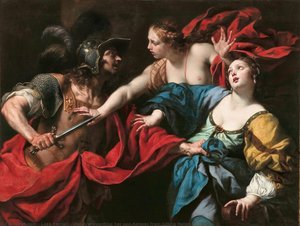
luca ferrari
1605 - 1654 , Italy
Основные сведения
- Artistic Movement Or Style: Baroque
- Artists Or Movements Influenced By This Artist: ['Caravaggio']
- Artists Who Influenced This Artist:
- Alessandro Tiarini
- Guido Reni
- Date Of Death: 1654
- Full Name: Luca Ferrari
- Nationality: Italian
- Notable Artworks: ['Tiberio Tinelli - Portrait of a Lady GG 6537TMS']
- Place Of Birth: Reggio Emilia, Italy
Похожие статьи

The Dramatic Flourish: Exploring the Baroque Movement's Enduring Legacy in Art History
Explore the dramatic world of Baroque art! Discover iconic artists like Caravaggio & Rubens, defining techniques, and its lasting impact on art history. Expert insights for collectors & enthusiasts at ArtsDot.

The Enduring Power of Painting: A Historical & Contemporary Exploration of Form and Emotion
Explore the rich history & enduring techniques of oil painting with ArtsDot. Discover masterpieces, learn about art collecting, and find authentic handmade reproductions crafted by skilled artists.

10 Шедевров Барокко: Искусство, изменившее мир | ArtsDot.com
Погрузитесь в мир барокко! 10 шедевров Караваджо, Рембрандта и других великих художников. Узнайте историю создания культовых картин и найдите идеальную репродукцию для вашего интерьера на ArtsDot.com

Барочная драма: Искусство величия в современном интерьере
Погрузитесь в мир роскоши и величия барокко! Узнайте об истории стиля, ключевых элементах интерьера и архитектуре. Вдохновляйтесь с и создайте свой неповторимый дизайн.

Oil on Canvas: A Historical & Technical Exploration of a Timeless Artistic Medium
Explore the rich history & enduring techniques of oil painting on canvas. Discover the science behind its longevity, conservation practices, and contemporary relevance. Expert insights for art enthusiasts.