

 Предпросмотр
 Поделиться
 Поделиться
 Детали произведения

 Скачать
 Похожие работы
 Рентгенография
 Слайд-шоу
 Статистика
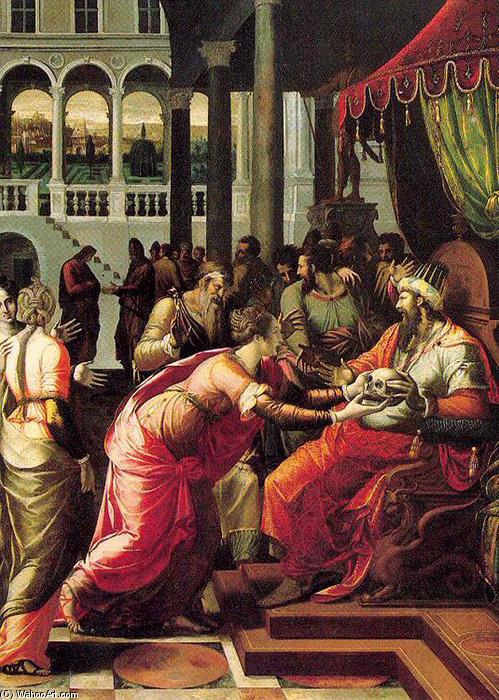
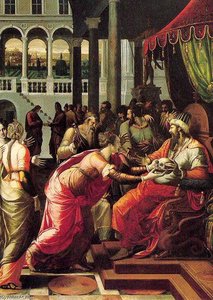
The Judgment of Otto
 Acrylic On Canvas
- WallArt
- Renaissance Art
 102.0 x 74.0 cm
 Лувр
Лувр
 Читать далее
Приобретите цифровое изображение высокого разрешения в улучшенном качестве, которое значительно превосходит онлайн-превью.
Каждый файл тщательно подготавливается нашими специалистами с использованием передовых инструментов и экспертной ручной ретуши. Мы гарантируем исключительную четкость, точную цветопередачу и детальную проработку каждого изображения.
Финальный файл доставляется по электронной почте в течение 72 часов и оптимизирован для немедленного использования в профессиональной среде, при верстке и печати. Это тот же уровень качества, которому доверяют ведущие дизайнерские студии, издательства и галереи.
Цифровое изображение
Скачайте файл высокого разрешения для личного использования, печати и творческих проектов. ( Перейти к печати Купить картину ручной работы)
Включено в каждый заказ цифровых изображений
Гарантия экспертной цифровой доставки
Выбирая ArtsDot.com, вы получаете не просто изображение — вы приобретаете профессионально обработанное цифровое произведение искусства, созданное с безупречной точностью и под защитой гарантии качества. Вот всё, что автоматически входит в ваш заказ:

Мгновенная доставка по e-mail
Ваш цифровой файл в высоком разрешении будет отправлен вам по электронной почте в течение 72 часов после оформления заказа — и сразу станет доступен для использования.

Цифровой файл с ИИ-улучшением
Ваше произведение искусства проходит профессиональную оптимизацию с использованием передовых инструментов ИИ и ручной обработки, что гарантирует максимальную детализацию, четкость и точность цветопередачи.

Бессрочная бесплатная повторная доставка
Случайно удалили или потеряли файл? Не беспокойтесь — мы отправим его вам повторно в любое время и совершенно бесплатно.

Без импортных пошлин — навсегда
Наслаждайтесь вашим произведением искусства мгновенно без таможенных пошлин, сборов или затрат на доставку — цифровые загрузки всегда не облагаются налогом.

Гарантия точности цветопередачи
Мы гарантируем, что ваше цифровое изображение максимально точно передает оригинальные цвета благодаря использованию профессиональных инструментов и систем управления цветом.

Гарантия удовлетворенности 100 дней
Если вы не будете удовлетворены своим цифровым изображением, мы внесем правки или вернем 100% стоимости в течение 100 дней — без лишних вопросов.

100% Гарантия возврата средств
Не удовлетворены покупкой? Получите полный возврат средств в течение 100 дней после получения цифрового файла — без лишних вопросов.

Скидки на оптовые заказы
Купите 3 изображения, сэкономьте 10% — Купите 5, сэкономьте 15% — Купите 10+, сэкономьте 20%. Отличное решение для творческих проектов, галерей и агентств.
Похожие произведения



Биография художника
A Florentine at the Court of France: The Life and Art of Luca Penni
Luca Penni, a name perhaps less immediately recognizable than his Renaissance contemporaries, nevertheless occupies a fascinating position in the artistic landscape of 16th-century Europe. Born around 1500 in Florence, Italy—a city already steeped in artistic grandeur—Penni’s career unfolded against a backdrop of shifting patronage and evolving styles, ultimately leading him to become a key figure within the First School of Fontainebleau. His story is one of familial talent, rigorous training, and a successful transplantation of Italian Mannerism onto French soil, leaving an indelible mark on the decorative arts and painting of Francis I’s court. Penni hailed from a family deeply embedded in the artistic world; his brothers, Gianfrancesco and Bartolommeo, were also painters, each forging their own paths under the tutelage of masters like Raphael. This familial connection undoubtedly played a crucial role in Luca's early development, providing both encouragement and access to the burgeoning art scene of Florence. While details regarding his earliest training remain somewhat elusive, it is widely believed that he benefited from exposure to Raphael’s workshop, absorbing the principles of balanced composition and classical harmony that would later inform his own distinctive style.From Rome to Fontainebleau: A Blossoming Career
Penni's artistic journey took him from Florence to Rome, where he collaborated with Perino del Vaga in Genoa around 1529-1533. This period proved pivotal, as Penni honed his skills within a Mannerist framework—characterized by elongated figures, elegant poses, and increasingly complex compositions. However, the most significant chapter of his career began in 1537 when he received a summons to France from King Francis I himself. Alongside artists like Rosso Fiorentino and Francesco Primaticcio, Penni was tasked with transforming the Palace of Fontainebleau into a showcase of Italian Renaissance sophistication. This invitation wasn’t merely an aesthetic choice; Francis I actively sought to emulate the cultural achievements of Italy, believing that art held immense political power and prestige. At Fontainebleau, Penni became an integral part of a dynamic team responsible for decorating various spaces within the palace, including the *pavillon des Poêles* and the *galerie d’Ulysse*. He contributed frescoes, stucco work, and, crucially, designs for tapestries—a medium particularly favored by the French court. These tapestry designs were not simply decorative; they served as vehicles for conveying complex narratives and allegorical themes, reflecting the intellectual interests of Francis I and his circle.Style and Technique: Bridging Italian Grace with French Elegance
Penni’s artistic style is often described as a synthesis of Florentine grace and Roman influence, infused with the decorative sensibilities favored at Fontainebleau. His paintings, though relatively few in number today, reveal a mastery of anatomy, a refined use of color, and an attention to detail that speaks to his rigorous training. *The Judgment of Otto*, acquired by the Louvre in 1973 and later firmly attributed to Penni, exemplifies these qualities. The scene depicts a dramatic moment from the Holy Roman Empire era, with a central figure holding a skull—a potent symbol of mortality—amidst opulent architectural elements. His work is characterized by intricate line work, delicate modeling, and a sense of narrative clarity. Beyond his paintings, Penni’s prolific output of reproductive prints played a crucial role in disseminating Fontainebleau's style across Europe. These engravings allowed artists beyond the French court to study and emulate the innovations taking place at Fontainebleau, solidifying Penni’s influence on the broader artistic landscape. He was known as *Le Romain* (the Roman) due to his strong ties with Rome and his ability to blend Italian traditions into his work.Legacy and Historical Significance
Luca Penni's contributions extend beyond individual artworks; he played a vital role in establishing a distinctly French Mannerist style, one that blended the classical elegance of Italy with local artistic traditions. His designs for tapestries were particularly influential, shaping the decorative arts of France for decades to come. While his personal life remains shrouded in mystery—records regarding spouses or children are scarce—his professional achievements speak volumes about his talent and dedication. After 1547, Penni relocated to Paris, continuing to work as a painter and possibly a publisher until his death around 1556-1557. His legacy is preserved not only in the surviving paintings and drawings but also in the numerous prints that bear his mark—testaments to his skill and his enduring impact on the art of the Renaissance. His work represents a fascinating intersection of cultures, demonstrating how artistic exchange could shape the aesthetic landscape of an entire era. Penni’s ability to adapt and innovate within a demanding courtly environment cemented his place as a key figure in the First School of Fontainebleau, leaving behind a legacy that continues to captivate and inspire.- Born: Florence, Italy (c. 1500)
- Died: Paris, France (c. 1556-1557)
- Known for: Fontainebleau style, Roman influence, tapestry designs
- Key Works: *The Judgment of Otto*
- Influences: Raphael, Perino del Vaga
Luca Penni
1500 - 1556 , Italy
Основные сведения
- Artistic Movement Or Style: High Renaissance
- Artists Or Movements Influenced By This Artist: ['Da Vinci family']
- Artists Who Influenced This Artist: ['Andrea del Verrocchio']
- Date Of Birth: 15 April 1452
- Date Of Death: 2 May 1519
- Full Name: Leonardo di ser Piero da Vinci
- Nationality: Italian
- Notable Artworks:
- Mona Lisa
- The Last Supper
- Vitruvian Man
- Place Of Birth: Vinci, Italy