 Поделиться
 Поделиться
 Детали произведения

 Скачать
 Похожие работы
 Слайд-шоу
 Статистика
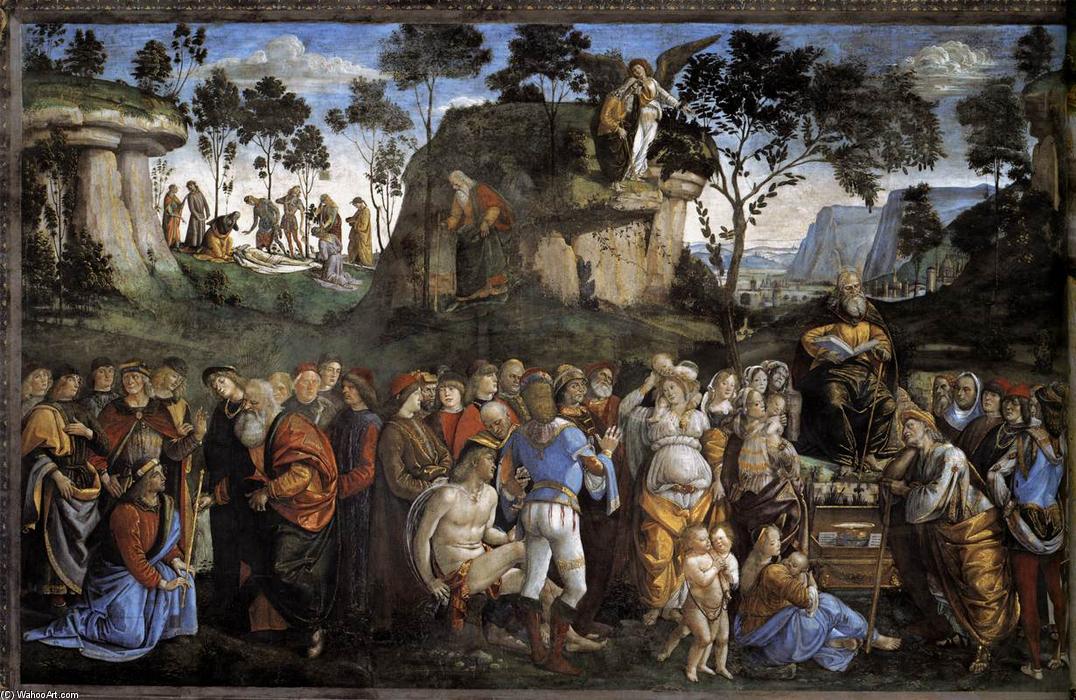
Moses's Testament and Death
 Fresco
- Decor
- Renaissance
 1481
1481- Renaissance
 350.0 x 572.0 cm
 Сикстинская капелла
 Читать далее
Жикле / Арт-принт
Печать (жикле) или холст музейного качества с быстрыми сроками изготовления и широким выбором вариантов отделки. ( Купить картину ручной работы Перейти к цифровым изображениям)




































Выберите один из наших стандартных размеров, соответствующих оригинальным пропорциям произведения искусства.

Вы можете указать свои собственные размеры, чтобы репродукция идеально подошла под конкретную раму или пространство. Если выбранный вами размер не будет соответствовать пропорциям оригинала, мы либо обрежем произведение, либо дополним изображение зеркальным отражением краев или однотонной заливкой. Перед началом производства вам будет отправлен цифровой макет для утверждения.
Пожалуйста, обратите внимание, что предварительный просмотр на экране не отображает фактическую обрезку или расширение изображения. Только макет точно покажет финальную композицию.
Несмотря на возможность заказа индивидуальных размеров, мы рекомендуем выбирать размер из предопределенного списка, чтобы сохранить оригинальные пропорции.
Доставка по всему миру () за 2 недели вместо стандартных 4/5 недель. (11 Сентябрь)

Бесплатная экспресс-доставка по всему миру

Высококачественный льняной холст

Полное страхование доставки

Гарантия возмещения таможенных пошлин

Гарантия точного соответствия цветов

100-дневная политика возврата (только при обнаружении дефектов)

Гарантия возврата 100% средств

Предложение оптовых скидок
 Вариант со стеклом доступен только для размеров менее 110 см

Moses's Testament and Death
Жикле / Арт-принт
Размер репродукции
-


Итоговая стоимость
$ 62
A Vision of Mortality and Legacy
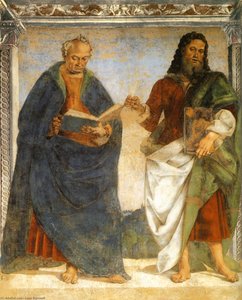
Within the hallowed, sun-drenched walls of the Sistine Chapel, where the echoes of papal history linger, lies one of the most profound narrative frescoes of the Early Renaissance: Luca Signorelli’s Moses's Testament and Death. Painted around 1481, this monumental work serves as a breathtaking window into a moment of transition, capturing the poignant intersection between earthly leadership and divine destiny. As the eye wanders across the vast expanse of the fresco, one is immediately struck by the sheer scale of the drama unfolding. The scene is not merely a historical recount but an emotional landscape where the weight of a prophet's final words settles upon the gathered multitude. Signorelli masterfully orchestrates a complex assembly of figures, each rendered with a sense of individual purpose, creating a tapestry of human experience that feels both ancient and startlingly immediate.
The composition is anchored by the central presence of Moses, an elderly figure whose very posture radiates the gravity of his role as lawgiver. Holding a scroll or book—the physical manifestation of the divine law he carried—he stands as the bridge between the covenant of the past and the uncertain future of his people. Surrounding him, the figures are draped in the textured, heavy fabrics of medieval attire, their faces etched with a spectrum of human emotion ranging from solemn reverence to quiet contemplation. This gathering is not static; there is a palpable sense of movement and conversation, as if the viewer has stumbled upon a private, sacred moment of mourning and instruction. The background, with its rolling Tuscan-style hills and soft, atmospheric light, provides a serene counterpoint to the intense human drama in the foreground, offering a sense of eternal continuity.
The Mastery of Fresco and Form
To behold this work is to witness the technical virtuosity of a master draftsman. Signorelli, having been shaped by the rigorous traditions of Piero della Francesca, brings an unparalleled command of anatomical accuracy and foreshortening to the fresco medium. The technique of fresco—applying pigments directly onto wet lime plaster—demands a decisive and confident hand, as the artist must work with incredible speed before the surface dries. Signorelli utilizes this challenge to his advantage, creating a sense of luminosity and textural richness that makes the skin of the figures appear supple and the heavy drapery feel tangible. The use of light and shadow, or chiaroscuro, is particularly striking; by illuminating the foreground figures more intensely than the receding landscape, he creates an illusionistic depth that pulls the spectator into the very heart of the assembly.
The color palette is a sophisticated study in earth tones—ochres, terracottas, and deep umbers—which ground the scene in a sense of historical realism. Yet, these muted tones are punctuated by strategic bursts of color, such as the brilliant blue of a distant sky or the verdant greens of the foliage, which prevent the composition from feeling heavy or somber. This careful balance of color and light serves to elevate the narrative from a mere historical event to a spiritual allegory. For the discerning collector or interior designer, a high-quality reproduction of this piece offers more than just decoration; it provides a focal point of intellectual and aesthetic depth, bringing the monumental scale and the profound psychological complexity of the Renaissance into a contemporary living space.
A Timeless Resonance for Modern Spaces
Beyond its historical significance, Moses's Testament and Death resonates with a timeless emotional truth. It explores themes of mortality, the passing of wisdom, and the enduring nature of faith—subjects that remain deeply relevant in our modern era. The painting does not merely depict a death; it celebrates the legacy left behind by a great leader. This sense of continuity and the dignity found in the face of transition makes the artwork an incredibly powerful piece for any curated collection. Whether placed in a grand library, a formal dining room, or a sophisticated studio, the fresco commands attention through its narrative richness and its ability to evoke a sense of awe.
For those seeking to infuse their environments with the spirit of the Italian Renaissance, this reproduction serves as an exquisite tribute to Luca Signorelli’s genius. It is a piece that invites long periods of study, revealing new details in every glance—from the subtle tension in a hand to the distant, ethereal presence of an angel in the clouds. Owning such a work is an invitation to surround oneself with the profound beauty of human history and the masterful artistry of one of the era's most significant painters.
Похожие произведения

Биография художника
Ранние годы и обучение
Лука Синьорелли, выдающийся итальянский живописец эпохи Возрождения, родился в прекрасной Кортоне, в самом сердце Тосканы, около 1450 года. Хотя точная дата его рождения остается предметом дискуссий среди историков, принято считать, что он появился на свет в период между 1441 и 1445 годами. С юных лет мастер демонстрировал исключительный дар рисовальщика, а его умение виртуозно использовать ракурс и сокращение форм стало одной из его самых узнаваемых черт.Творческий путь
Первые шаги в искусстве Синьорелли, по всей видимости, были сделаны в Перудже, где на его становление оказали глубокое влияние стили таких мастеров, как Бенедетто Бонфильи и Пинтуриккьо. Согласно записям Джорджо Вазари, благодаря своему дяде по материнской линии, Лаццаро Вазари, Синьорелли имел возможность обучаться у великого Пьеро делла Франческа. Творческое наследие мастера разбросано по многим уголкам Италии, включая Ареццо (1472) и Чита-ди-Кастелло (1474). Одним из его наиболее значимых полотен является «Школа Пана», созданная в дар Лоренцо де Медичи; эта работа поражает реалистичным изображением человеческих фигур, демонстрируя непревзойденное мастерство Синьорелли в использовании светотени и линейной перспективы.Знаменитые произведения
- «Страшный суд» (1499–1503), собор Орвието — этот грандиозный фресковый цикл считается подлинным шедевром художника, воплощающим в себе всю мощь и драматизм апокалипсиса.
- «Полиптих Святого Медарда» (1507), музей Сан-Медардо, Арчевия, Италия — блестящий пример его таланта, отличающийся невероятной детализацией и натурализмом в передаче человеческих форм.
Художественное направление
Синьорелли был ключевой фигурой итальянского Возрождения — эпохи, ознаменовавшей переход Европы от Средневековья к Новому времени. Это было время возрождения классических традиций, торжества натурализма и глубокого гуманизма.- Искусство Раннего Возрождения — краткий экскурс в художественное движение, определившее ход мировой истории.
- Фра Анжелико — прославленный мастер, чье влияние ощущалось в работах Синьорелли и чья живопись поражала своей духовной чистотой.
- Лука Синьорелли — краткая биография художника, охватывающая его важнейшие достижения и стиль.
Наследие
Творчество Синьорелли оказало колоссальное влияние на развитие искусства Ренессанса. Его новаторское использование ракурса и непревзойденное мастерство рисунка вдохновили целые поколения художников, шедших по его стопам. Как яркий представитель итальянского Возрождения, Синьорелли оставил после себя бессмертное наследие, которое продолжает восхищать зрителей в музеях и соборах по всей Италии. Важные даты:- 1450: рождение в Кортоне, Тоскана
- 1499–1503: создание фрески «Страшный суд» в соборе Орвието
- 1523: уход из жизни, оставивший после себя великое художественное наследие
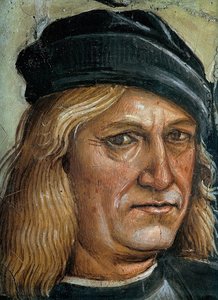
Лука Синьорелли
1450 - 1523 , Италия
Основные сведения
- Artistic Movement Or Style: Ренессанс
- Artists Or Movements Influenced By This Artist: ['Фра Анджелико']
- Artists Who Influenced This Artist: ['Пиеро даль Фрескара']
- Date Of Birth: 1445/50
- Full Name: Luca d’Egidio di Ventura Signorelli
- Nationality: Итальянский
- Notable Artworks:
- Последний Суд
- Школа Пан
- Place Of Birth: Cortona, Италия
Похожие статьи

Микеланджело: 25 шедевров эпохи Возрождения для вашего интерьера | ArtsDot
Погрузитесь в мир гения Микеланджело! 25 шедевров эпохи Возрождения – от Давида до Сикстинской капеллы. Узнайте историю создания, технику и значение каждой работы. Купите репродукции картин Микеланджело музейного качества на ArtsDot.com.
The Enduring Legacy of Fresco: Technique, History & Artistic Expression Across Cultures
Explore the rich history & enduring legacy of fresco painting! Discover ancient techniques, Giotto's masterpieces, and modern applications. Expert insights for art lovers & professionals.
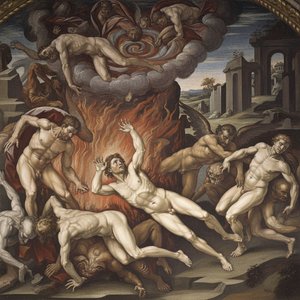
Luca Signorelli: Renaissance Innovation & Dramatic Foreshadowing of Modern Artistic Expression
Explore the revolutionary art of Luca Signorelli, a High Renaissance master renowned for his dramatic frescoes & anatomical precision. Discover his lasting impact on art history and techniques like foreshortening.

Фреска как Семейное Наследие: Сохранение Истории в Искусстве Стен
Узнайте о фресках как семейном наследии! История, техника создания, реставрация и сохранение. Экспертные советы и вдохновение для вашего дома. .

The Enduring Legacy of Fresco Painting: Techniques, History & Contemporary Relevance
Explore the rich history & enduring artistry of fresco painting – from Giotto to Michelangelo! Discover techniques, conservation efforts, & modern applications. Learn how ArtsDot brings this timeless art form to your home.