

 Предпросмотр
 Поделиться
 Поделиться
 Детали произведения

 Скачать
 Похожие работы
 Рентгенография
 Слайд-шоу
 Статистика
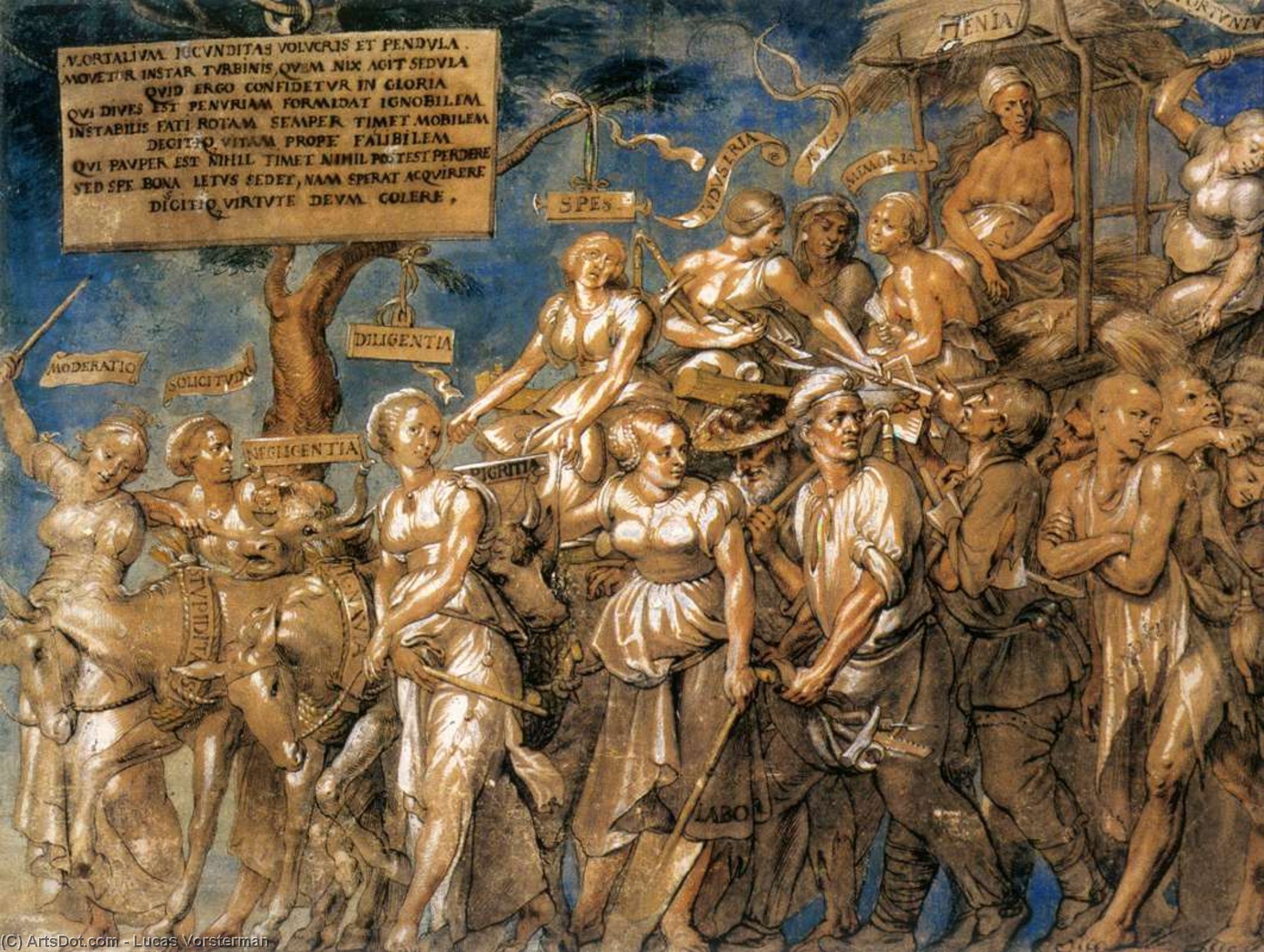
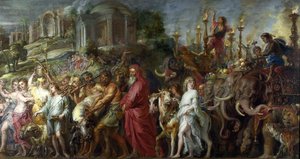
Triumph of Poverty
 Acrylic On Canvas
- WallArt
- Baroque
 43.0 x 58.0 cm
 Британский музей
 Читать далее
Приобретите цифровое изображение высокого разрешения в улучшенном качестве, которое значительно превосходит онлайн-превью.
Каждый файл тщательно подготавливается нашими специалистами с использованием передовых инструментов и экспертной ручной ретуши. Мы гарантируем исключительную четкость, точную цветопередачу и детальную проработку каждого изображения.
Финальный файл доставляется по электронной почте в течение 72 часов и оптимизирован для немедленного использования в профессиональной среде, при верстке и печати. Это тот же уровень качества, которому доверяют ведущие дизайнерские студии, издательства и галереи.
Цифровое изображение
Скачайте файл высокого разрешения для личного использования, печати и творческих проектов. ( Перейти к печати Купить картину ручной работы)
Включено в каждый заказ цифровых изображений
Гарантия экспертной цифровой доставки
Выбирая ArtsDot.com, вы получаете не просто изображение — вы приобретаете профессионально обработанное цифровое произведение искусства, созданное с безупречной точностью и под защитой гарантии качества. Вот всё, что автоматически входит в ваш заказ:

Мгновенная доставка по e-mail
Ваш цифровой файл в высоком разрешении будет отправлен вам по электронной почте в течение 72 часов после оформления заказа — и сразу станет доступен для использования.

Цифровой файл с ИИ-улучшением
Ваше произведение искусства проходит профессиональную оптимизацию с использованием передовых инструментов ИИ и ручной обработки, что гарантирует максимальную детализацию, четкость и точность цветопередачи.

Бессрочная бесплатная повторная доставка
Случайно удалили или потеряли файл? Не беспокойтесь — мы отправим его вам повторно в любое время и совершенно бесплатно.

Без импортных пошлин — навсегда
Наслаждайтесь вашим произведением искусства мгновенно без таможенных пошлин, сборов или затрат на доставку — цифровые загрузки всегда не облагаются налогом.

Гарантия точности цветопередачи
Мы гарантируем, что ваше цифровое изображение максимально точно передает оригинальные цвета благодаря использованию профессиональных инструментов и систем управления цветом.

Гарантия удовлетворенности 100 дней
Если вы не будете удовлетворены своим цифровым изображением, мы внесем правки или вернем 100% стоимости в течение 100 дней — без лишних вопросов.

100% Гарантия возврата средств
Не удовлетворены покупкой? Получите полный возврат средств в течение 100 дней после получения цифрового файла — без лишних вопросов.

Скидки на оптовые заказы
Купите 3 изображения, сэкономьте 10% — Купите 5, сэкономьте 15% — Купите 10+, сэкономьте 20%. Отличное решение для творческих проектов, галерей и агентств.
Lucas Vorsterman’s Triumph of Poverty: A Revolutionary Portrait
Frans Hals, born around 1582 in Antwerp and finding his true home in Haarlem, Netherlands, stands as a pivotal figure in the history of art. More than simply a painter, he was a revolutionary—a rebel against the rigid conventions of portraiture that dominated the early 17th century. His work embodies an unprecedented vitality, capturing not just appearances but also fleeting emotions and the very essence of his subjects. Hals’s journey, marked by a deliberate shift from meticulous detail to a looser, more expressive style, reflects an artist unafraid to challenge established norms and forge his own path within the vibrant landscape of the Dutch Golden Age.
“Triumph of Poverty,” created in 1652, exemplifies Hals’s groundbreaking approach. Unlike many contemporaries who painstakingly rendered every wrinkle and pore with painstaking precision—a hallmark of Mannerism—Hals opted for a technique characterized by bold brushstrokes and vibrant color washes. This decision wasn't merely stylistic; it represented a fundamental rejection of the prevailing artistic dogma. Hals sought to convey not just what his subjects looked like but how they *felt*, imbuing his portraits with palpable energy and psychological depth.
The painting depicts a procession of men and women engaged in various activities—farmers tending crops, laborers hauling carts, and individuals simply strolling through the town square. Hals’s masterful use of chiaroscuro – dramatic contrasts between light and shadow – enhances the scene's realism while simultaneously emphasizing the figures’ expressions and postures. Notice how the artist captures a moment of quiet contemplation amidst the bustle of daily life.
The composition itself is carefully considered, drawing inspiration from biblical narratives—specifically, the story of David and Goliath. The central figure, presumably representing David, stands tall and resolute, gazing upwards with unwavering determination. Surrounding him are others who embody humility and resilience – individuals who persevere despite hardship. This symbolism underscores Hals’s belief that true nobility resides not in wealth or status but in moral virtue.
Displayed prominently at the British Museum in London, “Triumph of Poverty” measures 43 x 58 cm and was executed using pen as the medium, complemented by brown ink, gray wash, black chalks, and red chalks. The resulting image is a testament to Hals’s exceptional skill and artistic vision—a captivating portrayal of human experience that continues to inspire admiration centuries later.
Additional Resources:
Related Artwork Inspirations:
Explore High-Quality Reproductions:
Похожие произведения

Биография художника
Frans Hals: A Revolutionary of the Dutch Golden Age
Frans Hals, born around 1582 in Antwerp and finding his true home in Haarlem, Netherlands, stands as a pivotal figure in the history of art. More than simply a painter, he was a revolutionary—a rebel against the rigid conventions of portraiture that dominated the early 17th century. His work embodies an unprecedented vitality, capturing not just appearances but also fleeting emotions and the very essence of his subjects. Hals’s journey, marked by a deliberate shift from meticulous detail to a looser, more expressive style, reflects an artist unafraid to challenge established norms and forge his own path within the vibrant landscape of the Dutch Golden Age.
Initially trained in Leiden, Hals quickly recognized that the artistic opportunities offered there were limited. He moved to Amsterdam, a bustling hub of commerce and culture, seeking a more fertile ground for his talent. It was here, amidst the merchants and adventurers of the era, that he honed his distinctive style—a style characterized by rapid brushstrokes, vibrant colors, and an uncanny ability to convey movement and spontaneity. Unlike many of his contemporaries who meticulously rendered every detail, Hals favored a technique that prioritized capturing the *spirit* of his subjects, imbuing each portrait with a sense of life and immediacy.
The “Laughing Cavalier” and Early Portraiture
Among Hals’s most celebrated works is undoubtedly "The Laughing Cavalier" (1624), an oil on canvas housed in the Wallace Collection in London. This painting, instantly recognizable for its subject's infectious grin, encapsulates everything that made Hals a revolutionary artist. The portrait isn’t merely a likeness; it’s a dynamic snapshot of a moment—a suggestion of laughter frozen in time. The identity of the cavalier remains an enduring mystery, fueling speculation and adding to the painting’s allure. Theories abound, ranging from a wealthy merchant to a military officer, but the true subject continues to elude definitive identification.
Hals's technique in "The Laughing Cavalier" is particularly noteworthy. His brushstrokes are loose and energetic, creating a sense of movement and immediacy. He employed a low viewpoint, drawing the viewer into the scene and emphasizing the embroidered sleeve and lace cuff—details that contribute to the overall impression of wealth and status. The painting’s composition is remarkably spontaneous, as if Hals captured the moment without hesitation or pretense. Art historian Seymour Slive described it as “one of the most brilliant of all Baroque portraits,” a testament to Hals's mastery of capturing the essence of his subject.
Influences and Artistic Development
Hals’s artistic development wasn’t a linear progression but rather a series of deliberate shifts. Initially influenced by the more formal style of artists like Pieter Lastman, he gradually moved away from rigid conventions, embracing a looser, more expressive approach. This evolution was partly shaped by his exposure to Italian art—particularly the dramatic use of light and shadow pioneered by Caravaggio—which arrived in the Netherlands through prints and visiting artists. Hals skillfully integrated these influences into his own distinctive style, creating a unique synthesis that set him apart from his contemporaries.
His early portraits often featured intricate details and carefully rendered fabrics, reflecting the meticulous standards of the time. However, as he matured, he began to prioritize capturing the *feeling* of his subjects—their personality, their mood, their vitality. This shift is evident in works like "Malle Babbe," a captivating portrait of an elderly woman with a mischievous glint in her eye, and “The Money Lender,” which captures the subject’s shrewdness and wealth with remarkable immediacy.
Legacy and Lasting Impact
Frans Hals's influence on art history is profound and enduring. He challenged the established conventions of portraiture, paving the way for future generations of artists to explore new forms of expression. His emphasis on capturing the *spirit* of his subjects—their personality, their emotions, their vitality—became a touchstone for artists who sought to break free from rigid formalities and create works that were both personal and engaging.
Artists as diverse as Rembrandt and the Impressionists drew inspiration from Hals’s innovative techniques. His legacy extends far beyond the Dutch Golden Age, continuing to resonate with viewers today. "The Laughing Cavalier," with its enigmatic subject and infectious grin, remains a timeless masterpiece—a testament to Frans Hals's genius and his enduring contribution to the world of art.
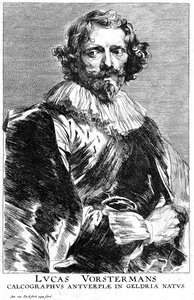
lucas vorsterman
1624 - 1666 , Netherlands
Основные сведения
- Artistic Movement Or Style: Dutch Golden Age
- Artists Or Movements Influenced By This Artist: ['Impressionism']
- Artists Who Influenced This Artist: ['Caravaggio']
- Date Of Birth: c. 1582
- Date Of Death: 1666
- Full Name: Frans Hals
- Nationality: Dutch
- Notable Artworks:
- Laughing Cavalier
- Young Man with a Halberd
- Self-Portrait with a Turban
- Place Of Birth: Leiden, Netherlands