

 Предпросмотр
 Поделиться
 Поделиться
 Детали произведения

 Скачать
 Похожие работы
 Рентгенография
 Слайд-шоу
 Статистика
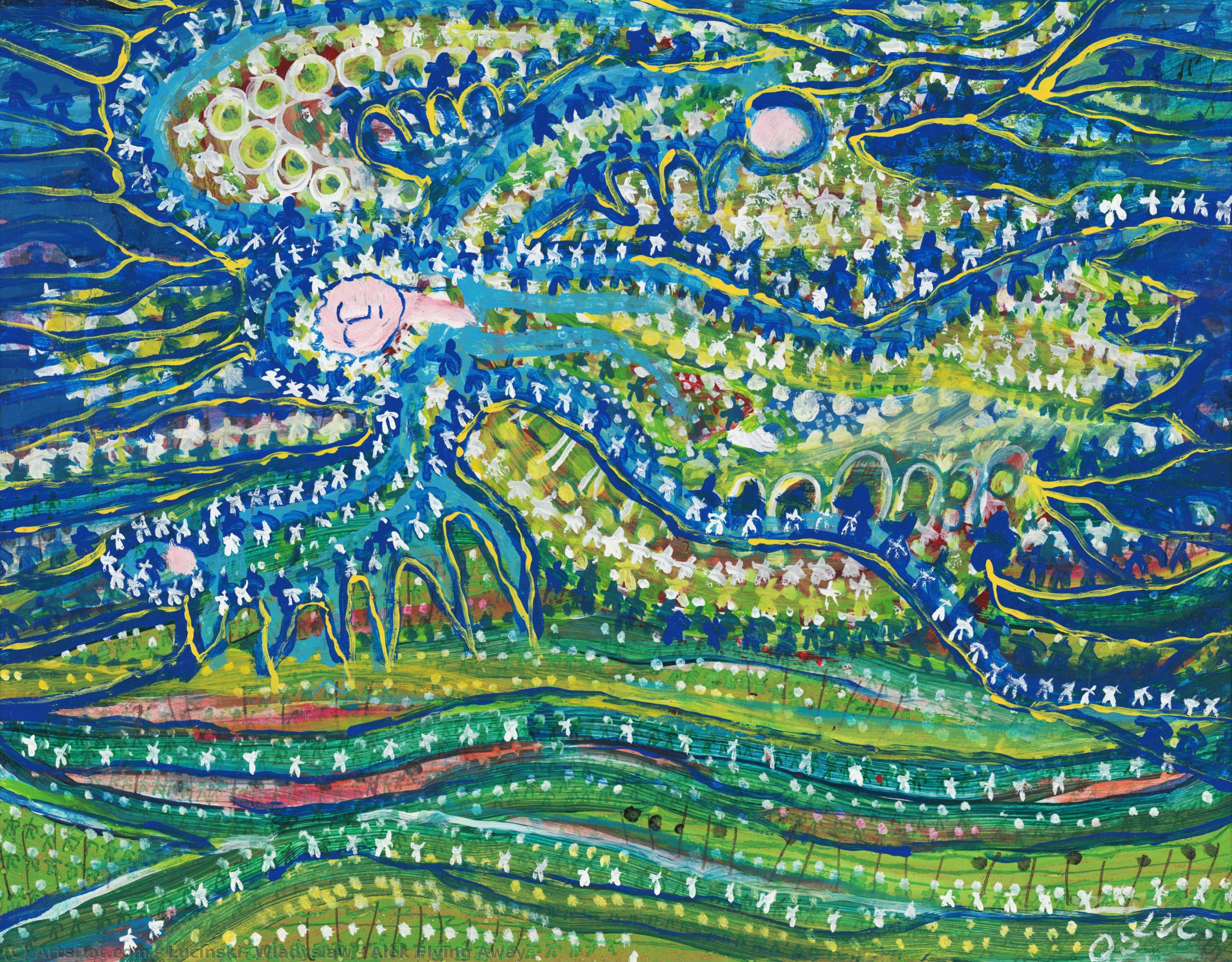
Alek Flying Away


 Читать далее
Жикле / Арт-принт
Печать (жикле) или холст музейного качества с быстрыми сроками изготовления и широким выбором вариантов отделки. ( Купить картину ручной работы Перейти к цифровым изображениям)




P118B $10

P118H $10

P118W $10

P438Z $10

P508JH $12

P508YH $12

P805H $10

P805Z $10

P919BZ $10

P919G $10

P919XJ $10

P959ZH $10

P968JZ $12

W106C $8

W218G $10

W218JH $8

W218Y $10

W307PJ $10

W316G $10

W316PJ $8

W316Y $10

W398PJ $8

W4111J $10

W500HY $15

W500JH $15

W692G $12

W849H $8

W940BG $15

W953PJ $8




Выберите один из наших стандартных размеров, соответствующих оригинальным пропорциям произведения искусства.

Вы можете указать свои собственные размеры, чтобы репродукция идеально подошла под конкретную раму или пространство. Если выбранный вами размер не будет соответствовать пропорциям оригинала, мы либо обрежем произведение, либо дополним изображение зеркальным отражением краев или однотонной заливкой. Перед началом производства вам будет отправлен цифровой макет для утверждения.
Пожалуйста, обратите внимание, что предварительный просмотр на экране не отображает фактическую обрезку или расширение изображения. Только макет точно покажет финальную композицию.
Несмотря на возможность заказа индивидуальных размеров, мы рекомендуем выбирать размер из предопределенного списка, чтобы сохранить оригинальные пропорции.
Доставка по всему миру () за 2 недели вместо стандартных 4/5 недель. (12 Сентябрь)

Бесплатная экспресс-доставка по всему миру

Высококачественный льняной холст

Полное страхование доставки

Гарантия возмещения таможенных пошлин

Гарантия точного соответствия цветов

100-дневная политика возврата (только при обнаружении дефектов)

Гарантия возврата 100% средств

Предложение оптовых скидок
 Вариант со стеклом доступен только для размеров менее 110 см

Alek Flying Away
Жикле / Арт-принт
Размер репродукции
-


Итоговая стоимость
$ 62
A Celestial Flight Through Polish Naïve Art
In the mesmerizing canvas of "Alek Flying Away," created in 2008 by the esteemed Polish master Wladyslaw Lucinski, we are invited into a dreamscape where the boundaries between reality and folklore dissolve. The painting presents a breathtaking spectacle: a vibrant blue sky, kissed by the warm, amber hues of a setting sun, serves as the stage for a magnificent exodus of birds. At the heart of this movement is a central figure, a bird caught in the delicate moment of departure, pulling the viewer’s gaze into a deep, swirling motion. This sense of kinetic energy is amplified by a multitude of other avian companions scattered across the firmament, creating a layered composition that suggests an infinite, unfolding journey. As stars begin to twinkle through the twilight, the scene transcends mere nature study, becoming a cosmic dance of light and life.
The technique employed by Lucinski is a testament to his status as a pioneer of Polish Naïve Art. Working with oil on fibreboard, he achieves a rich, saturated palette that feels both grounded in the earthiness of Silesia and elevated by spiritual aspiration. His brushwork, though characteristic of the naïve tradition, possesses a sophisticated control over color temperature—balancing the cool depths of the twilight sky against the fiery glow of the sunset. This meticulous application of pigment allows for a remarkable sense of depth; the birds in the foreground appear tactile and immediate, while those receding into the distance melt into a soft, atmospheric haze. For the discerning collector or interior designer, this piece offers a profound textural richness that commands attention in any curated space.
Beyond its visual splendor, "Alek Flying Away" is steeped in the symbolic language of Lucinski’s homeland. As an artist whose work often serves as a metaphorical portrait of Silesia, Lucinski infuses this scene with elements of popular religiosity and cultural identity. The flight of the birds can be interpreted as a metaphor for the soul's transcendence or the preservation of tradition amidst change. The subtle inclusion of figures in the background—perhaps observers of this celestial event—anchors the cosmic scale of the painting to the human experience, suggesting a shared moment of wonder and communal reflection. It is a work that captures the ephemeral beauty of a single moment while touching upon eternal themes of migration, freedom, and the cyclical nature of life.
For those seeking to bring a sense of narrative depth and emotional resonance into a home or gallery, this reproduction offers more than just decoration; it offers an experience. The painting’s dynamic composition and evocative color story make it a versatile centerpiece, capable of inspiring quiet contemplation in a study or adding a vibrant, energetic pulse to a contemporary living area. To possess a piece of Lucinski’s vision is to hold a fragment of Polish heritage—a window into a world where every star and every wingbeat tells a story of profound beauty and enduring hope.
Похожие произведения


Биография художника
The Soul of Silesia: The Vibrant World of Wladyslaw Lucinski
Born in 1933 amidst the industrial and cultural heart of Ruda Śląska, Poland, Wladyslaw Lucinski emerged as a profound voice within the realm of Polish Naïve art. His journey was not one of academic corridors or formal studios, but rather a self-taught odyssey driven by an innate sensitivity to the world around him. As an autodidact, Lucinski developed a visual language that bypassed traditional realism in favor of a deeply personal, metaphysical truth. His early years, steeped in the traditions and heritage of his homeland, provided the fertile soil from which his unique perspective grew—a perspective that sought to find the extraordinary within the ordinary, and the spiritual within the mundane landscapes of Upper Silesia.
The artistry of Lucinski is characterized by a breathtaking use of color and a rhythmic, simplified composition that prioritizes emotional resonance over anatomical or architectural precision. His palette often vibrates with intense reds, brilliant yellows, and deep, soulful blues, creating scenes that feel both nostalgic and strikingly modern. In his hands, the landscapes of Silesian cities are transformed; he populates these settings with tiny, delicate figures, underground creatures from local legends, and a sense of cosmic wonder. This ability to saturate a canvas with both earthiness and spiritual aspiration allows his work to transcend mere folk art, entering a realm where reality and folklore dissolve into a singular, dreamlike experience.
A Tapestry of Folklore and Everyday Life
Lucinski’s oeuvre serves as a vibrant chronicle of Polish life, blending the grit of industrial existence with the whimsy of myth. His paintings often act as windows into a community, capturing the collective spirit through scenes that range from the somber to the celebratory. One can feel the weight of history and tradition in works such as Miner’s Funeral (1978), where the bustling urban crowd is rendered with a poignant, rhythmic energy. Conversely, his more whimsical pieces, like Cat the Olympian, showcase his ability to infuse the animal kingdom with human-like grandeur, bridging the gap between the domestic and the heroic.
The artist’s fascination with movement and the natural world is perhaps most exquisitely captured in his depictions of flight and the heavens. In masterpieces like Alek Flying Away, the viewer is invited into a nocturnal dance where birds soar through a starlit sunset, their silhouettes cutting through amber and indigo skies. This mastery of color temperature—balancing the cool depths of twilight against the fiery glow of a departing sun—demonstrates a sophisticated control that belies his self-taught origins. Through these works, Lucinski does not merely paint nature; he paints the very essence of life in motion, capturing the kinetic energy of a universe that is simultaneously grounded in Polish soil and reaching for the stars.
Legacy and Artistic Significance
The historical significance of Wladyslaw Lucinski lies in his ability to elevate the Naïve tradition into a medium of profound metaphysical inquiry. He did not simply replicate folk motifs; he reinterpreted them through a lens of modern sensibility, ensuring that the cultural identity of his region remained vibrant and relevant. His works have found permanent homes in prestigious institutions, such as The State Ethnographic Museum in Warsaw, securing his place in the canon of Polish art history.
As we reflect on his life and contributions, several key elements of his legacy become clear:
- Mastery of Color: His use of saturated, bold pigments to evoke emotional and spiritual depth.
- Cultural Preservation: The seamless integration of Upper Silesian legends and local traditions into a contemporary aesthetic.
- The Naïve Perspective: A unique ability to find the cosmic and the magical within the everyday lives of common people.
- Technical Innovation: An exceptional command over oil on fibreboard, achieving textures that feel both tactile and ethereal.
Wladyslaw Lucinski remains a pioneer whose work continues to invite viewers into a world where the boundaries between the seen and the unseen are beautifully blurred, leaving an indelible mark on the landscape of European folk art.
lucinski, wladyslaw
1933 - , Poland
Основные сведения
- Artistic Movement Or Style: Naïve Art
- Date Of Birth: 1933
- Full Name: Wladyslaw Lucinski
- Nationality: Polish
- Notable Artworks:
- Cat the Olympian
- Miner’s Funeral
- Place Of Birth: Ruda Śląska, Poland
Похожие статьи
Feathered Visions: A Historical & Artistic Exploration of Birds in Painting
Explore the rich history of birds in painting! Discover symbolism, artistic movements & master artists like Audubon. High-quality reproductions available at ArtsDot.
Golden Hours: Sunset Motifs in Western Art History
Explore the captivating history of sunset motifs in Western art! Discover iconic paintings by Monet, Van Gogh & Kuindzhi. Learn about Romanticism, Impressionism & collecting these timeless masterpieces. Expert insights at ArtsDot.
Jan Matejko: Historical Narrative & National Identity in 19th-Century Polish Painting
Explore the powerful historical paintings of Jan Matejko, Poland's national artist. Discover his iconic works & learn how he shaped Polish identity in the 19th century. High-quality reproductions available.
Stanisław Wyspiański: Symbolism, National Identity & the Polish Secession
Explore the life & work of Stanisław Wyspiański, a pivotal figure in Polish Symbolism and the Young Poland movement. Discover his iconic paintings, dramas, and stained glass designs reflecting national identity & artistic innovation.
The Unconventional Vision: Exploring the Characteristics, History & Enduring Appeal of Naïve Art
Explore the captivating world of naïve art! Discover its history, characteristics, key artists & collecting tips from ArtsDot's experts. Find your perfect piece today.