

 Предпросмотр
 Поделиться
 Поделиться
 Детали произведения

 Скачать
 Похожие работы
 Рентгенография
 Слайд-шоу
 Статистика
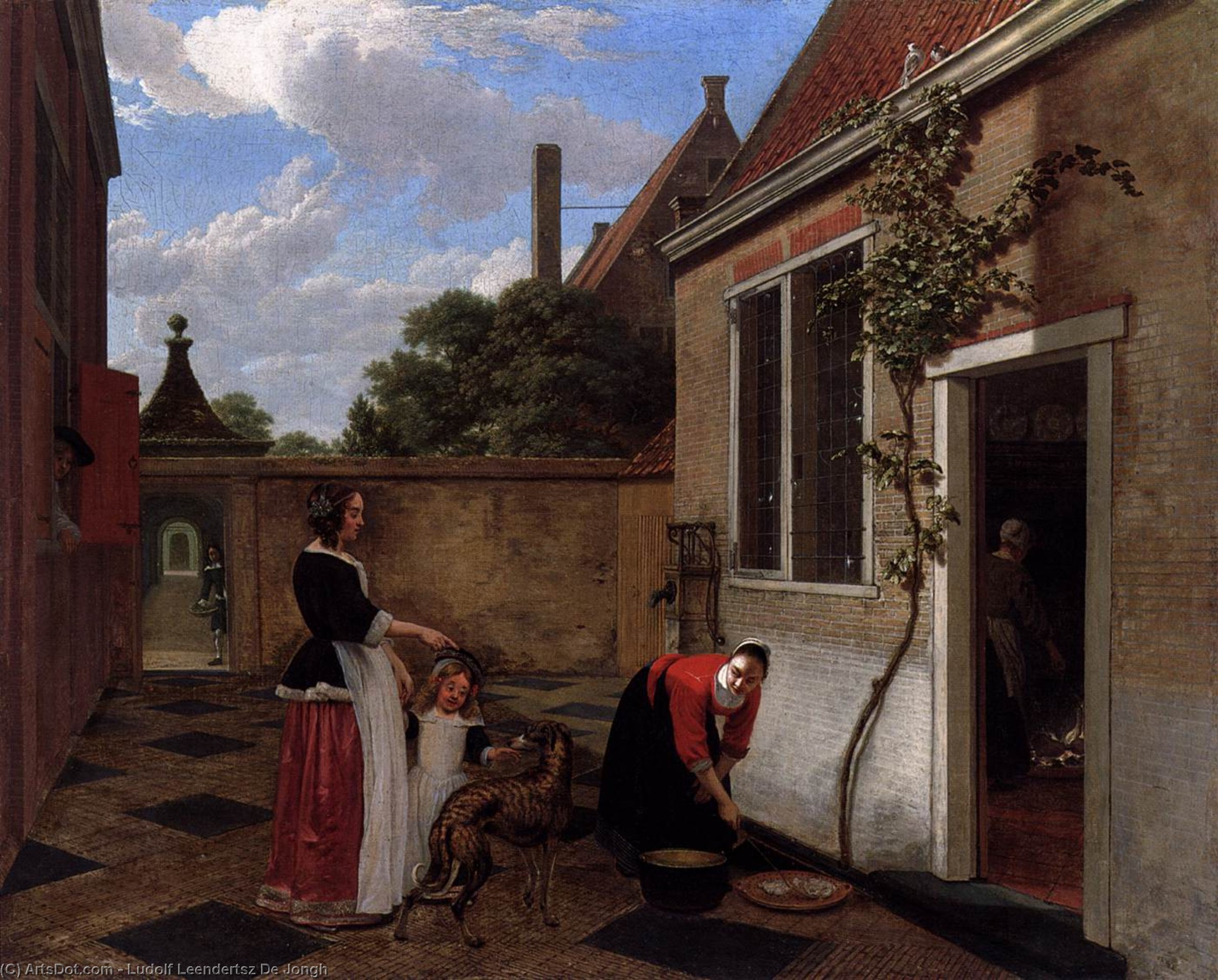
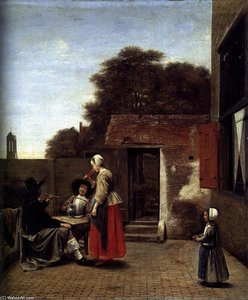
Scene in a Courtyard
 Oil On Canvas
- WallArt
- Dutch Golden Age
 1661
1661- Early Modern
 67.0 x 82.0 cm
 Музей Метрополитен
 Читать далее
Приобретите цифровое изображение высокого разрешения в улучшенном качестве, которое значительно превосходит онлайн-превью.
Каждый файл тщательно подготавливается нашими специалистами с использованием передовых инструментов и экспертной ручной ретуши. Мы гарантируем исключительную четкость, точную цветопередачу и детальную проработку каждого изображения.
Финальный файл доставляется по электронной почте в течение 72 часов и оптимизирован для немедленного использования в профессиональной среде, при верстке и печати. Это тот же уровень качества, которому доверяют ведущие дизайнерские студии, издательства и галереи.
Цифровое изображение
Скачайте файл высокого разрешения для личного использования, печати и творческих проектов. ( Перейти к печати Купить картину ручной работы)
Включено в каждый заказ цифровых изображений
Гарантия экспертной цифровой доставки
Выбирая ArtsDot.com, вы получаете не просто изображение — вы приобретаете профессионально обработанное цифровое произведение искусства, созданное с безупречной точностью и под защитой гарантии качества. Вот всё, что автоматически входит в ваш заказ:

Мгновенная доставка по e-mail
Ваш цифровой файл в высоком разрешении будет отправлен вам по электронной почте в течение 72 часов после оформления заказа — и сразу станет доступен для использования.

Цифровой файл с ИИ-улучшением
Ваше произведение искусства проходит профессиональную оптимизацию с использованием передовых инструментов ИИ и ручной обработки, что гарантирует максимальную детализацию, четкость и точность цветопередачи.

Бессрочная бесплатная повторная доставка
Случайно удалили или потеряли файл? Не беспокойтесь — мы отправим его вам повторно в любое время и совершенно бесплатно.

Без импортных пошлин — навсегда
Наслаждайтесь вашим произведением искусства мгновенно без таможенных пошлин, сборов или затрат на доставку — цифровые загрузки всегда не облагаются налогом.

Гарантия точности цветопередачи
Мы гарантируем, что ваше цифровое изображение максимально точно передает оригинальные цвета благодаря использованию профессиональных инструментов и систем управления цветом.

Гарантия удовлетворенности 100 дней
Если вы не будете удовлетворены своим цифровым изображением, мы внесем правки или вернем 100% стоимости в течение 100 дней — без лишних вопросов.

100% Гарантия возврата средств
Не удовлетворены покупкой? Получите полный возврат средств в течение 100 дней после получения цифрового файла — без лишних вопросов.

Скидки на оптовые заказы
Купите 3 изображения, сэкономьте 10% — Купите 5, сэкономьте 15% — Купите 10+, сэкономьте 20%. Отличное решение для творческих проектов, галерей и агентств.
A Glimpse into the Golden Age: The Living Courtyard
In the quiet corners of seventeenth-century Dutch life, there existed a profound beauty in the mundane, a magic found within the shadows of a courtyard. Ludolf Leendertsz de Jongh, a master storyteller of the Dutch Golden Age, captures this very essence in his evocative work, Scene in a Courtyard. As one gazes upon this canvas, the boundaries between the present and the year 1661 begin to dissolve. The painting invites us into a private, sun-dappled sanctuary where time seems to decelerate. We find ourselves observing a delicate choreography of human interaction and animal presence; two women stand near the heart of the composition, their postures suggesting a shared moment of quiet observation or perhaps a whispered confidence. A loyal dog rests nearby, adding a layer of domestic warmth to the scene, while other figures emerge from the periphery, each contributing to a sense of a living, breathing community tucked away from the bustling streets of Rotterdam.
The composition is masterfully orchestrated to guide the eye through a labyrinth of light and shadow. De Jongh utilizes the architectural elements of the courtyard—the sturdy walls, the open doorway, and the placement of a solitary chair—to create a sense of depth that feels almost tactile. This is not merely a flat depiction of a space, but an invitation to step inside. For the discerning collector or interior designer, this piece offers more than just visual interest; it provides a window into a lost era of tranquility. The way natural light spills through the doorway, illuminating the textures of stone and fabric, creates an atmospheric richness that can breathe life and historical soul into any sophisticated interior setting.
The Mastery of Light and the Caravaggisti Legacy
To understand the technical brilliance of de Jongh, one must look to his roots in the Utrecht School. Trained under masters like Cornelis Saftleven, de Jongh inherited a profound fascination with chiaroscuro—the dramatic interplay between intense light and deep, velvety darkness. This technique, heavily influenced by the revolutionary Caravaggio, is used here not just for dramatic effect, but to sculpt the very air within the courtyard. The light does not merely illuminate; it defines the weight of the figures and the ruggedness of the architecture. Every brushstroke serves the purpose of capturing the fleeting nuances of atmosphere, from the soft glow on a woman's sleeve to the heavy, mysterious shadows lurking in the corners of the building.
His technique is characterized by an extraordinary attention to detail that borders on the poetic. The meticulous rendering of textures—the coarse grain of wood, the softness of animal fur, and the weathered surfaces of the courtyard walls—demonstrates a level of craftsmanship that was the hallmark of the Dutch masters. This precision allows the viewer to experience a sense of psychological realism; the figures are not mere decorations but characters with palpable emotions. For those seeking a high-quality reproduction, this level of detail is what makes the artwork truly transformative, offering a piece that rewards prolonged study and brings a sense of academic prestige and emotional depth to a curated collection.
A Timeless Resonance for the Modern Collector
Beyond its technical prowess, Scene in a Courtyard resonates with a universal longing for peace and connection. In our modern, hyper-connected world, there is an undeniable allure to de Jongh’s vision of a slower, more observant existence. The painting symbolizes the beauty of the "in-between" moments—the quiet conversations, the stillness of a midday sun, and the simple companionship of animals. It serves as a poignant reminder that drama does not always require grand gestures; often, it is found in the subtle shifts of light across a courtyard floor.
For the art lover looking to anchor a room with a sense of history, or the designer seeking to introduce a narrative element into a contemporary space, this work offers unparalleled versatility. It possesses a quiet authority that complements both classical and modern aesthetics. Owning a reproduction of such a significant piece is an opportunity to preserve a fragment of the Dutch Golden Age, bringing the dramatic legacy of Ludolf Leendertsz de Jongh into the intimate spaces of the twenty-first century.
Похожие произведения


Биография художника
The Dramatic Legacy of Ludolf Leendertsz de Jongh
In the heart of the Dutch Golden Age, a period defined by unparalleled artistic flourishing and mercantile prosperity, the name Ludolf Leendertsz de Jongh resonates with the dramatic intensity of a master storyteller. Born in 1616 in Overschie, Netherlands, de Jongh’s ascent from the son of a shoemaker to a celebrated figure in Rotterdam’s vibrant artistic circle is a testament to an extraordinary dedication to his craft. His journey was not merely one of technical mastery but of profound stylistic evolution, as he navigated the complex influences of the Utrecht School and the revolutionary shadows of the Caravaggisti. Through his brush, the quiet landscapes and bustling scenes of the seventeenth century were imbued with a psychological depth that captured the very essence of the human experience.
The foundations of de Jongh’s artistry were laid in Delft, where he studied under the tutelage of Cornelis Saftleven and Anthony Palamedes. This early training deeply embedded him within a tradition that revered the dramatic use of light and shadow. The influence of Caravaggio is palpable throughout his oeuvre; de Jongh mastered the technique of chiaroscuro, using stark contrasts to pull figures from the darkness and lend them a visceral, tactile reality. This mastery allowed him to transform simple genre scenes into profound meditations on movement and emotion. His travels further expanded his horizons, most notably a transformative voyage to France in 1635 alongside Frans Bacon, an experience that undoubtedly broadened his intellectual and visual vocabulary before he eventually established his permanent studio in Rotterdam.
A Versatile Visionary of the Dutch Golden Age
De Jongh was far more than a specialist in a single niche; he was a versatile virtuoso whose repertoire spanned a breathtaking array of subjects. He was equally adept at capturing the rugged energy of a fox hunt, the architectural grandeur of cityscapes, and the serene stillness of landscapes. His ability to blend human activity with the natural world is perhaps most evident in his hunting scenes, where the frantic motion of hounds and horses is balanced by a meticulous attention to the surrounding woods and light. In these works, one can observe his skill as a staffage painter—a specialist capable of breathing life into larger compositions by adding precisely rendered figures that interact seamlessly with the environment.
Beyond the canvas, de Jongh’s life was deeply intertwined with the civic fabric of his time. He was not merely an observer of society but an active participant, serving as a merchant, an officer in the Rotterdam civil guard, and even as the schout (sheriff) of Hillegersberg. This multifaceted existence provided him with a unique vantage point from which to observe the social hierarchies and daily rhythms of Dutch life, which he then translated into his portraits and genre paintings. His influence was so significant that by the 1650s, he stood as the leading genre painter in Rotterdam, leaving an indelible mark on subsequent generations of artists, including the renowned Pieter de Hooch.
The enduring significance of Ludolf Leendertsz de Jongh lies in his ability to synthesize the dramatic tension of the Southern European tradition with the meticulous realism of the Dutch school. His works remain captivating windows into a bygone era, offering much more than mere documentation. They provide an emotional resonance that continues to stir the modern viewer, reminding us of a time when light and shadow were used not just to illuminate a scene, but to reveal the very soul of the subject.
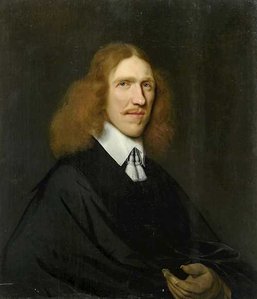
ludolf leendertsz de jongh
1616 - 1679 , Netherlands
Основные сведения
- Artistic Movement Or Style: Caravaggio-inspired
- Artists Or Movements Influenced By This Artist: ['Caravaggio']
- Artists Who Influenced This Artist:
- Jacob Duck
- Pieter de Hooch
- Date Of Birth: 1616 Oostzaan, Netherlands
- Date Of Death: 1679 Hillegersberg, Netherlands
- Full Name: Ludolf Leendertsz. de Jongh
- Nationality: Dutch
- Notable Artworks:
- Portrait of Aletta van Ravensberg
- Paying the Hostess
- Interior of a Church at Night
- Place Of Birth: Oostzaan