


 Предпросмотр
 Поделиться
 Поделиться
 Детали произведения

 Скачать
 Похожие работы
 Рентгенография
 Слайд-шоу
 Статистика
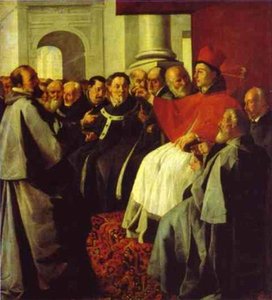
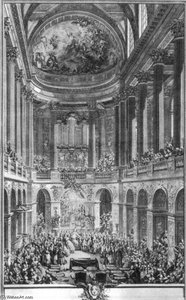
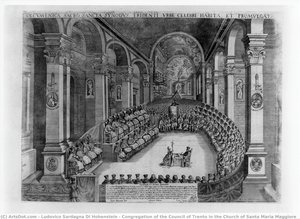
Congregation of the Council of Trento in the Church of Santa Maria Maggiore


 Читать далее
Жикле / Арт-принт
Печать (жикле) или холст музейного качества с быстрыми сроками изготовления и широким выбором вариантов отделки. ( Купить картину ручной работы Перейти к цифровым изображениям)
































Выберите один из наших стандартных размеров, соответствующих оригинальным пропорциям произведения искусства.

Вы можете указать свои собственные размеры, чтобы репродукция идеально подошла под конкретную раму или пространство. Если выбранный вами размер не будет соответствовать пропорциям оригинала, мы либо обрежем произведение, либо дополним изображение зеркальным отражением краев или однотонной заливкой. Перед началом производства вам будет отправлен цифровой макет для утверждения.
Пожалуйста, обратите внимание, что предварительный просмотр на экране не отображает фактическую обрезку или расширение изображения. Только макет точно покажет финальную композицию.
Несмотря на возможность заказа индивидуальных размеров, мы рекомендуем выбирать размер из предопределенного списка, чтобы сохранить оригинальные пропорции.
Доставка по всему миру () за 2 недели вместо стандартных 4/5 недель. (15 Сентябрь)

Бесплатная экспресс-доставка по всему миру

Высококачественный льняной холст

Полное страхование доставки

Гарантия возмещения таможенных пошлин

Гарантия точного соответствия цветов

100-дневная политика возврата (только при обнаружении дефектов)

Гарантия возврата 100% средств

Предложение оптовых скидок
 Вариант со стеклом доступен только для размеров менее 110 см

Congregation of the Council of Trento in the Church of Santa Maria Maggiore
Жикле / Арт-принт
Размер репродукции
-


Итоговая стоимость
$ 62
Похожие произведения
Биография художника
Ludovico Sardagna di Hohenstein: A Master of Venetian Religious Painting
Ludovico Sardagna di Hohenstein, a name perhaps less familiar than his contemporaries Veronese or Tintoretto, nevertheless stands as a significant figure in the vibrant artistic landscape of 17th-century Venice. Born around 1620 in Italy – the exact date remains shrouded in some uncertainty – Sardagna’s career unfolded during a period of immense religious fervor and artistic innovation within the Venetian Republic. His work, characterized by a meticulous attention to detail, dramatic lighting, and a profound understanding of Baroque aesthetics, offers a compelling glimpse into the spiritual and cultural currents of his time. While he didn't achieve the same level of widespread fame as some of his peers, Sardagna’s contributions to religious painting are deeply rooted in Venetian tradition and demonstrate a remarkable ability to capture both the grandeur and the emotional intensity of faith.
Sardagna’s early artistic training is somewhat elusive. Records suggest he likely apprenticed under established Venetian masters, absorbing the techniques and stylistic influences prevalent at the time. The impact of Veronese, particularly his mastery of color and composition, is readily apparent in Sardagna's later works. However, there’s also a distinct influence from the more dramatic and tenebrous style of Tintoretto, evident in the use of chiaroscuro – the skillful manipulation of light and shadow – to create a sense of drama and movement within his paintings. This dual influence shaped his unique artistic voice, blending Veronese's opulence with Tintoretto’s dynamism.
Key Works and Artistic Style
Sardagna’s oeuvre is relatively modest compared to the output of some Venetian masters, but several key works have survived, offering valuable insights into his artistic development. “The Council of Trent in the Church of Santa Maria Maggiore” (1658) stands as perhaps his most celebrated achievement. This monumental painting, commissioned for the prestigious Santa Maria Maggiore church, depicts a scene of immense historical and religious significance – the gathering of cardinals and bishops to address critical issues within the Catholic Church. The composition is meticulously planned, with figures arranged in a dynamic pyramid that draws the viewer’s eye towards the central figure of Pope Alexander VII. Sardagna's skill in rendering fabrics, textures, and facial expressions is particularly noteworthy, conveying both the authority of the church hierarchy and the palpable sense of urgency within the scene.
Beyond “The Council of Trent,” other notable works include depictions of saints, religious scenes, and portraits. His paintings frequently showcase a deep understanding of anatomy and drapery, hallmarks of Venetian art. Sardagna’s use of color is rich and vibrant, employing a palette that reflects the opulent tastes of the Venetian elite. He was particularly adept at creating a sense of depth and perspective, utilizing atmospheric effects to convey the vastness of churches and the grandeur of religious ceremonies. His works often feature elaborate costumes and richly decorated interiors, reflecting the wealth and power of the Catholic Church during the Baroque period.
Historical Context and Influences
Sardagna’s artistic career unfolded within a complex historical context. Venice in the 17th century was a thriving center of commerce, art, and religious patronage. The city's wealth, derived from its maritime trade, fueled an unprecedented demand for art, particularly religious paintings intended for churches and private collections. The Counter-Reformation, initiated by the Catholic Church to combat the spread of Protestantism, also profoundly influenced artistic production. Religious imagery became increasingly didactic, aiming to inspire piety and reinforce Catholic doctrine. Sardagna’s work reflects this trend, often depicting scenes from the Bible or the lives of saints in a manner that emphasized their moral virtues and spiritual significance.
Furthermore, the rise of scientific inquiry during the Renaissance had a subtle but significant impact on Venetian art. Artists like Veronese and Tintoretto were fascinated by optics and perspective, employing these principles to create more realistic and convincing depictions of space. Sardagna’s paintings demonstrate a similar awareness of spatial relationships, utilizing techniques such as linear perspective to create a sense of depth and realism.
Legacy and Recognition
Despite not achieving the same level of fame as some of his contemporaries, Ludovico Sardagna di Hohenstein remains an important figure in Venetian art history. His works are now housed in various museums and private collections around the world, including the Pinacoteca di Brera in Milan and the Galleria dell’Accademia in Venice. His “Council of Trent” continues to be studied for its masterful composition and dramatic use of light and shadow. Research into Sardagna's life and work is ongoing, shedding new light on his artistic development and contributions to the rich tapestry of Venetian painting. His legacy lies not only in his individual works but also in his embodiment of the spirit of the Baroque era – a time of intense religious fervor, artistic innovation, and unparalleled cultural dynamism.
Основные сведения
- Artistic Movement Or Style: 17th Century Italian Art
- Artists Or Movements Influenced By This Artist:
- Veronese
- Tintoretto
- Full Name: Ludovico Sardagna di Hohenstein
- Nationality: Italian
- Notable Artworks:
- Two Courtiers
- Council of Trent
- Place Of Birth: Italy
Похожие статьи
10 шедевров гравюры, изменивших искусство навсегда | ArtsDot
Откройте для себя 10 легендарных шедевров гравюры от Дюрера, Гойи и Рембрандта! Узнайте историю создания этих культовых работ и их влияние на искусство. Репродукции высокого качества для вашего интерьера – ArtsDot.

The Dramatic Flourish: Exploring the Baroque Movement's Enduring Legacy in Art History
Explore the dramatic world of Baroque art! Discover iconic artists like Caravaggio & Rubens, defining techniques, and its lasting impact on art history. Expert insights for collectors & enthusiasts at ArtsDot.
The Intricate World of Engraving: A Historical Survey of Technique, Artistic Expression & Enduring Legacy
Explore the rich history of engraving with ArtsDot. Discover techniques, iconic artists like Dürer & Callot, collecting tips, and expert guidance for preserving your art investment. Learn about intaglio printing & more!

Барочная драма: Искусство величия в современном интерьере
Погрузитесь в мир роскоши и величия барокко! Узнайте об истории стиля, ключевых элементах интерьера и архитектуре. Вдохновляйтесь с и создайте свой неповторимый дизайн.
Engraving: A Historical Survey of Technique, Artistic Expression & Enduring Legacy
Explore the rich history of engraving with ArtsDot. Discover techniques, iconic artists like Dürer & Callot, collecting tips, and expert guidance for preserving your art investment. Learn about intaglio printing & more!