

 Предпросмотр
 Поделиться
 Поделиться
 Детали произведения

 Скачать
 Похожие работы
 Рентгенография
 Слайд-шоу
 Статистика
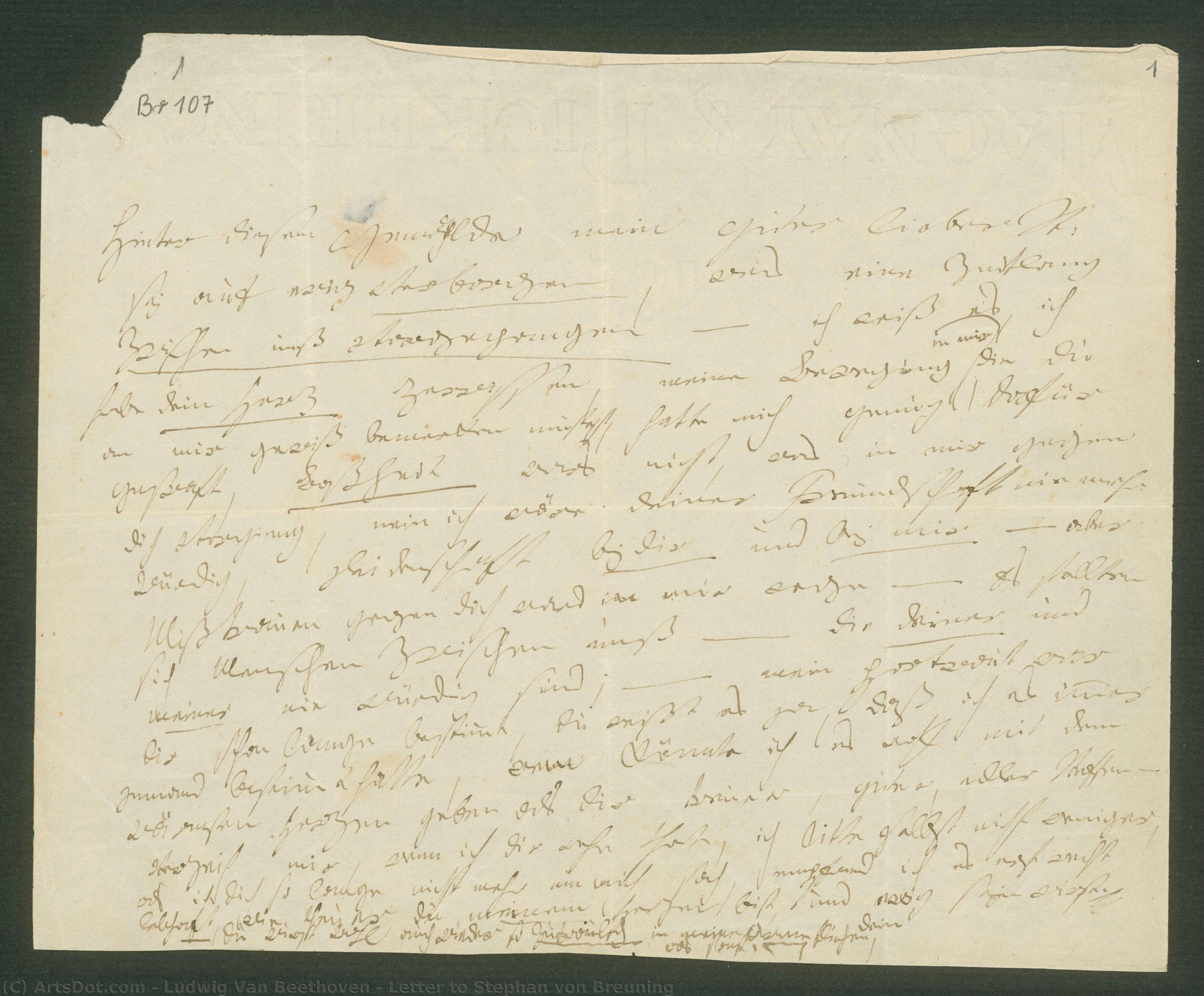
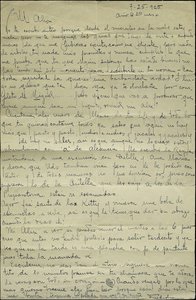
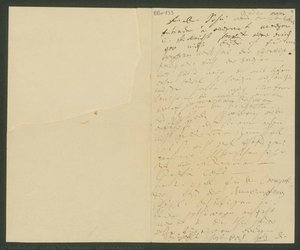
Letter to Stephan von Breuning
 Acrylic On Canvas
- WallArt
- Other
 1804
1804 20.0 x 24.0 cm
 Бейтовен-хаус Бонн
 Читать далее
Масляная репродукция ручной работы
Картина маслом на холсте в выбранном вами размере и раме, написанная на заказ нашими художниками. ( Перейти к печати Перейти к цифровым изображениям)




P118B $10

P118H $10

P118W $10

P438Z $10

P508JH $12

P508YH $12

P805H $10

P805Z $10

P919BZ $10

P919G $10

P919XJ $10

P959ZH $10

P968JZ $12

W106C $8

W218G $10

W218JH $8

W218Y $10

W307PJ $10

W316G $10

W316PJ $8

W316Y $10

W398PJ $8

W4111J $10

W500HY $15

W500JH $15

W692G $12

W849H $8

W940BG $15

W953PJ $8




Выберите один из наших стандартных размеров, соответствующих оригинальным пропорциям произведения искусства.

Вы можете указать собственные размеры, чтобы картина идеально вписалась в выбранную раму или пространство. Если выбранный вами размер не соответствует пропорциям оригинала, мы либо обрежем полотно, либо расширим его за счет дополнительных элементов, написанных вручную. Цифровой макет будет отправлен вам на утверждение перед началом производства.
Обратите внимание, что предварительный просмотр на экране не отражает фактическую обрезку или расширение. Только макет точно покажет окончательную композицию.
Хотя доступны индивидуальные размеры, мы рекомендуем выбирать вариант из предопределенного списка, чтобы сохранить исходные пропорции.
После оформления заказа команда ArtsDot.com свяжется с клиентом по электронной почте для уточнения деталей и предоставит предварительный макет
Доставка по всему миру () за 3–4 недели вместо стандартных 5 недель. (10 Сентябрь). Без компромиссов в качестве.

Бесплатная экспресс-доставка по всему миру

Высококачественный льняной холст

Полное страхование доставки

Гарантия возмещения таможенных пошлин

Гарантия точного соответствия цветов

100-дневная политика возврата (только при обнаружении дефектов)

Гарантия возврата 100% средств

Предложение оптовых скидок
 Вариант со стеклом доступен только для размеров менее 110 см

Letter to Stephan von Breuning
Техника репродукции
Размер репродукции
-


Итоговая стоимость
$ 263
A Window Into Beethoven's Soul: Examining ‘Letter to Stephan von Breuning’
The unassuming parchment bearing Ludwig van Beethoven’s handwritten missive to Stephan von Breuning offers more than just a glimpse into the correspondence of a musical titan; it represents a poignant snapshot of human connection amidst profound deafness and artistic ambition. Executed in 1804, this letter—now housed within the Kunsthalle Bonn—is not merely an artifact of Beethoven’s personal life but a testament to his enduring legacy as one of history's most influential composers. Its stark black ink against creamy paper speaks volumes about the artist’s vulnerability and determination to bridge the gap created by his deteriorating hearing.The Style and Technique: A Reflection of Romantic Sentiment
Beethoven’s handwriting is characterized by a deliberate, almost hesitant rhythm—a visual echo of the internal struggle he faced daily. The letter itself demonstrates a masterful command of cursive script, reflecting the prevailing aesthetic sensibilities of the Romantic era. Precise strokes convey both intellectual seriousness and emotional depth, mirroring the composer's preoccupation with conveying profound feelings through musical expression. The paper stock is unremarkable – linen rag—a choice that underscores Beethoven’s practicality alongside his artistic vision; it speaks to a time when craftsmanship prioritized durability and understated elegance.Historical Context: Bonn Amidst Artistic Flourishing
Bonn, Beethoven’s birthplace and home for much of his formative years, was experiencing a burgeoning cultural landscape during 1804. The city hosted numerous musical gatherings and performances, fostering an environment ripe for artistic innovation. Beethoven's relationship with Stephan von Breuning—a fellow musician and confidante—was complex, marked by both admiration and disagreement regarding creative pursuits. This letter captures the essence of this era, illustrating the importance placed on intellectual discourse and personal bonds within the artistic community. The context reveals that Beethoven was grappling with challenges inherent in navigating social circles while striving to maintain his musical integrity.Symbolism Within the Lines: Silence Speaks Volumes
Despite Beethoven’s inability to hear music as others did, the letter itself embodies a powerful symbol of communication—a tangible record of thought and emotion conveyed through written word. The folded envelope, sealed with a wax seal bearing the imprint of Breuning's family crest, symbolizes preservation and remembrance – safeguarding a moment in time against the ravages of obscurity. Furthermore, the deliberate spacing between lines reflects Beethoven’s careful consideration for conveying his message with precision and sincerity—a characteristic that resonates deeply within his musical compositions.Emotional Resonance: A Portrait of Artistic Integrity
Ultimately, ‘Letter to Stephan von Breuning’ transcends its biographical significance as a document of Beethoven's personal life; it embodies the spirit of artistic integrity. The letter encapsulates the artist’s unwavering commitment to pursuing his craft despite insurmountable obstacles—a sentiment that continues to inspire musicians and artists worldwide. Its quiet elegance serves as a reminder that true artistry lies not merely in technical brilliance but also in conveying profound human emotion with honesty and vulnerability. Reproductions of this remarkable piece offer an opportunity to appreciate Beethoven's enduring influence on the art world, inviting viewers to contemplate the power of silence and the beauty of unwavering dedication.Похожие произведения
Биография художника
Ранние годы и музыкальные истоки
Людвиг ван Бетховен, прославленный немецкий композитор и пианист, родился в 1770 году в Бонне, Германия. Проявив исключительный музыкальный талант еще в раннем детстве, он начал обучение у различных мастеров, прежде чем переехать в Вену — город, который стал его домом на большую часть жизни.Музыкальные инновации и испытание глухотой
Несмотря на то что на протяжении большей части своей карьеры Бетховен страдал от прогрессирующей глухоты, он продолжал творить, создавая одни из самых знаковых шедевров классической музыки, включая Симфонию № 9 и Лунную сонату. Его новаторские композиции мастерски сочетали вокальные и инструментальные партии, рождая уникальное звучание, которое на протяжении столетий оказывало глубокое влияние на бесчисленное множество музыкантов.Ключевые произведения и наследие
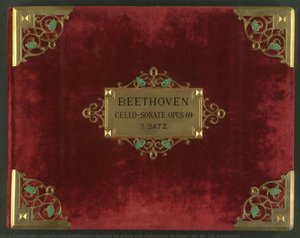
К числу наиболее выдающихся работ Бетховена относятся:- Соната для фортепиано и виолончели (ля мажор), ор. 69, первая часть (доступна на ArtsDot.com)
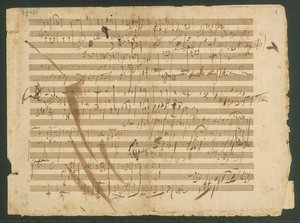
- Манускрипт Бетховена к Missa Solemnis (можно увидеть на Wikipedia)
- Три фортепианные сонаты Op. 1, созданные при покровительстве князя Карла Алоиса Лихновского
Влияние и признание
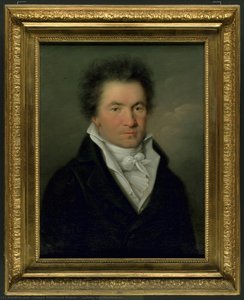
Величайшим достижением Бетховена стало возвышение инструментальной музыки, которая до того времени считалась второстепенной по отношению к вокальной, до высочайшего уровня истинного искусства. Его влияние на классическую музыку неизмеримо: его произведения входят в число самых исполняемых в мировом репертуаре. Изучите больше работ Бетховена на ArtsDot.com: Людвиг ван Бетховен | 30 произведений искусства Узнайте больше о жизни и музыке Бетховена на Wikipedia: Людвиг ван Бетховен — Википедия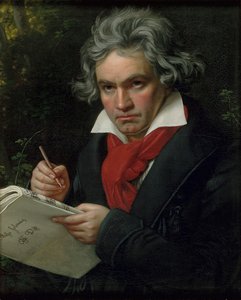
Людвиг Ван Бетховен
1770 - 1827 , Германия
Основные сведения
- Artistic Movement Or Style: Классицизм, Романтизм
- Artists Or Movements Influenced By This Artist:
- Иоганнес Брамс
- Роберт Шуман
- Artists Who Influenced This Artist:
- Йозеф Гайдн
- Кристиан Готтлоб Шульце
- Date Of Birth: 1770, Бонн, Германия
- Date Of Death: 1827, Вена, Австрия
- Full Name: Людвиг ван Бетховен
- Nationality: Немец
- Notable Artworks:
- Лунная соната
- Симфония № 9
- Place Of Birth: Бонн, Германия
Похожие статьи

Giclée Prints: Archival Quality & Aesthetic Nuances for the Discerning Collector
Explore the world of giclée prints with ArtsDot. Learn about archival quality, aesthetic nuances & investment potential. Expert guidance for discerning art collectors seeking museum-quality reproductions and lasting value.
The Enduring Legacy of Printmaking: Techniques, Themes & Artistic Innovation Across Centuries
Explore the rich history of printmaking with ArtsDot. Discover techniques from intaglio to lithography, learn about collecting valuable prints & find museum-quality reproductions. Expert insights for art enthusiasts and collectors.

The Enduring Legacy of Fine Art Prints: Technique, History & Aesthetic Impact
Explore the rich history & techniques of fine art prints. Discover investment potential, assess authenticity, and learn how to preserve your collection with expert guidance. Trusted insights for discerning collectors.

Рембрандт ван Рейн: Топ-25 шедевров великого голландского мастера | ArtsDot
Погрузитесь в мир великого Рембрандта! 25 шедевров голландского барокко, истории создания картин и уникальные техники художника. Купите репродукции картин Рембрандта высочайшего качества для вашего интерьера на ArtsDot.com

Echoes of Time: Exploring the Enduring Appeal & Historical Context of Vintage Art Prints
Explore the captivating world of vintage art prints! Discover their history, collecting tips & enduring appeal. Expert insights on chromolithography and building a legacy collection with ArtsDot.