

 Предпросмотр
 Поделиться
 Поделиться
 Детали произведения

 Скачать
 Похожие работы
 Рентгенография
 Слайд-шоу
 Статистика
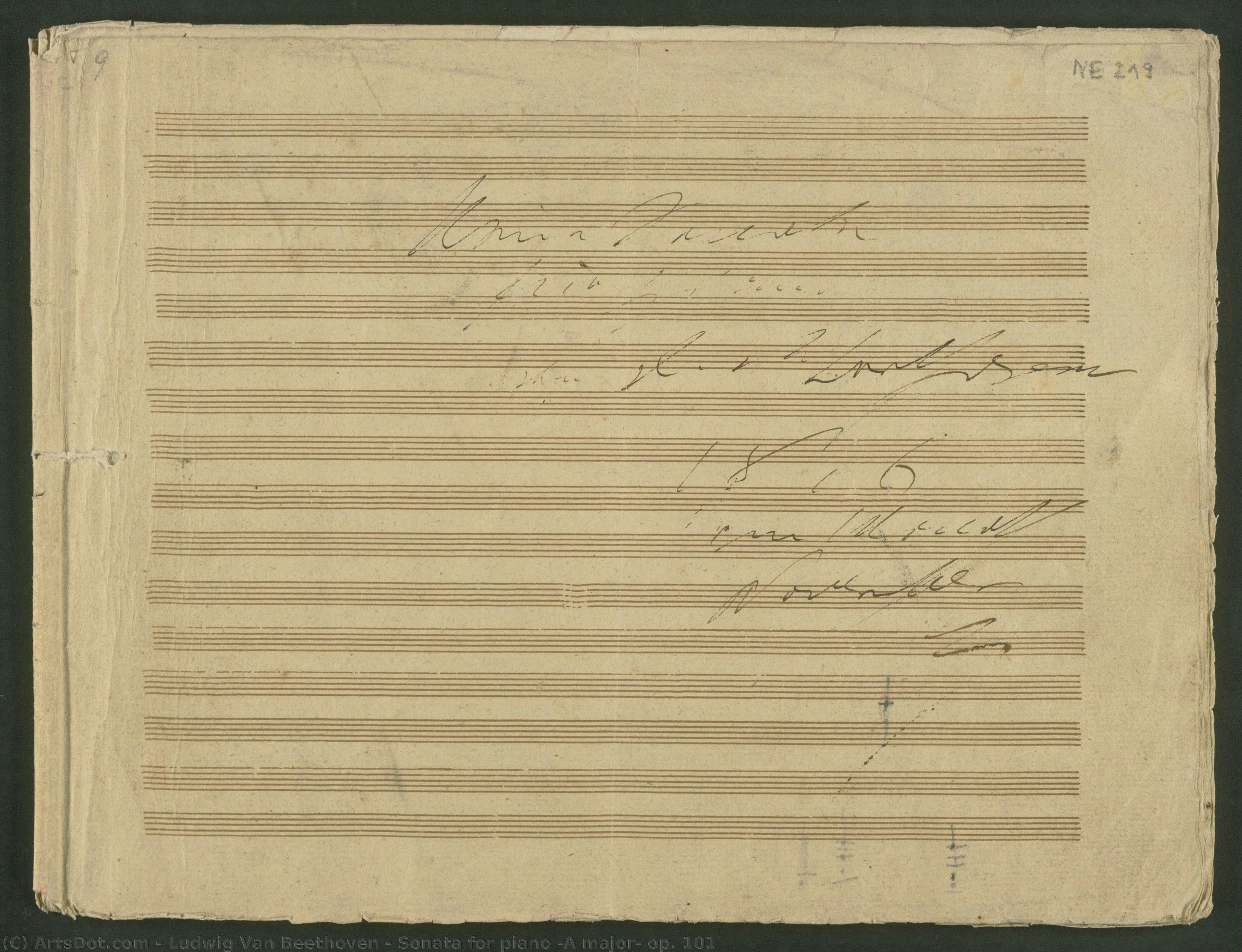
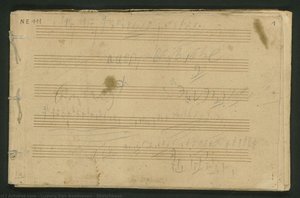
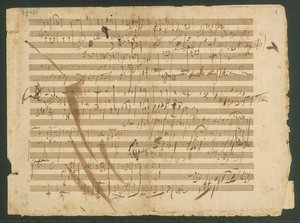
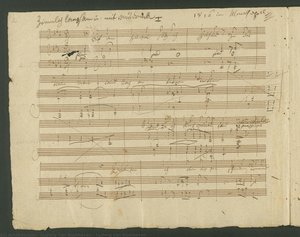
Sonata for piano (A major) op. 101
 Acrylic On Canvas
- WallArt
- Romanticism
 1816
1816 24.0 x 31.0 cm
 Бейтовен-хаус Бонн
 Читать далее
Жикле / Арт-принт
Печать (жикле) или холст музейного качества с быстрыми сроками изготовления и широким выбором вариантов отделки. ( Купить картину ручной работы Перейти к цифровым изображениям)




P118B $10

P118H $10

P118W $10

P438Z $10

P508JH $12

P508YH $12

P805H $10

P805Z $10

P919BZ $10

P919G $10

P919XJ $10

P959ZH $10

P968JZ $12

W106C $8

W218G $10

W218JH $8

W218Y $10

W307PJ $10

W316G $10

W316PJ $8

W316Y $10

W398PJ $8

W4111J $10

W500HY $15

W500JH $15

W692G $12

W849H $8

W940BG $15

W953PJ $8




Выберите один из наших стандартных размеров, соответствующих оригинальным пропорциям произведения искусства.

Вы можете указать свои собственные размеры, чтобы репродукция идеально подошла под конкретную раму или пространство. Если выбранный вами размер не будет соответствовать пропорциям оригинала, мы либо обрежем произведение, либо дополним изображение зеркальным отражением краев или однотонной заливкой. Перед началом производства вам будет отправлен цифровой макет для утверждения.
Пожалуйста, обратите внимание, что предварительный просмотр на экране не отображает фактическую обрезку или расширение изображения. Только макет точно покажет финальную композицию.
Несмотря на возможность заказа индивидуальных размеров, мы рекомендуем выбирать размер из предопределенного списка, чтобы сохранить оригинальные пропорции.
Доставка по всему миру () за 2 недели вместо стандартных 4/5 недель. (12 Сентябрь)

Бесплатная экспресс-доставка по всему миру

Высококачественный льняной холст

Полное страхование доставки

Гарантия возмещения таможенных пошлин

Гарантия точного соответствия цветов

100-дневная политика возврата (только при обнаружении дефектов)

Гарантия возврата 100% средств

Предложение оптовых скидок
 Вариант со стеклом доступен только для размеров менее 110 см

Sonata for piano (A major) op. 101
Жикле / Арт-принт
Размер репродукции
-


Итоговая стоимость
$ 62
Sonata for Piano (A Major) op. 101 – A Window into Beethoven’s Soul
Beethoven's Sonata for Piano in A major, Op. 101, isn’t merely a musical composition; it’s a profound exploration of the human spirit grappling with darkness and striving towards light. Completed in 1816, during a period marked by increasing deafness and personal turmoil, this work stands as a testament to his enduring genius – a beacon of hope amidst a storm.
The piece immediately captivates with its delicate balance between strength and vulnerability. The opening movement, “Allegro ma non troppo,” unfolds like a carefully constructed argument, beginning with a hesitant, almost mournful theme in the bass that gradually builds into a robust declaration of intent. Notice the subtle shifts in dynamics – whispers followed by passionate outbursts – mirroring the internal conflict at play. It’s not simply a sonata-allegro form; it's a conversation between opposing forces, a struggle for dominance rendered through meticulously crafted musical phrases. The use of the Neapolitan chord, prominently featured throughout, adds a layer of harmonic complexity and emotional depth, hinting at unresolved tensions.
A Portrait in Moonlight – The Second Movement
The second movement, “Andante con moto,” is arguably the heart of the sonata—a breathtakingly beautiful interlude that offers a momentary respite from the preceding drama. Often referred to as the "Moonlight Sonata," though Beethoven himself never bestowed this title, it evokes an atmosphere of serene contemplation and poignant longing. The melody, characterized by its lyrical simplicity and flowing grace, is exquisitely crafted, reminiscent of a gentle stream reflecting the light of the moon. The use of delicate ornamentation and subtle shifts in tempo create a mesmerizing effect, drawing the listener into a world of quiet introspection.
However, beneath this surface tranquility lies a current of melancholy. The harmonic language, while beautiful, is tinged with sadness, suggesting an underlying sense of loss or regret. The brief, almost hesitant phrases contribute to this feeling of vulnerability, as if the music itself is yearning for something just beyond reach. It’s a masterclass in restraint—a demonstration of how profound emotion can be conveyed through subtle gestures and carefully chosen harmonies.
Turbulence and Triumph – The Third Movement
The third movement, “Allegro,” marks a dramatic shift in character, erupting from the contemplative serenity of the second with explosive energy. This is not a triumphant march, however; it’s a turbulent journey through a landscape of intense emotion—a struggle against overwhelming forces. The relentless rhythm and driving melodic lines create a sense of urgency and excitement, while the dynamic contrasts – soaring crescendos followed by sudden diminuendos – mirror the unpredictable nature of life itself.
Within this whirlwind of sound, Beethoven introduces moments of surprising tenderness—brief glimpses of beauty that offer fleeting respite from the prevailing turmoil. These delicate passages serve as reminders of hope and resilience, suggesting that even in the darkest of times, the human spirit can endure. The movement’s final bars build to a powerful climax, culminating in a resounding affirmation of life – a testament to Beethoven's indomitable will.
A Legacy of Emotion – Historical Context & Symbolism
Composed during a period of immense personal hardship for Beethoven—including his progressive deafness and the loss of his brother—the Sonata op. 101 offers a poignant glimpse into the composer’s inner world. It's believed that the work reflects his struggle to reconcile his artistic ambitions with his physical limitations, as well as his deep-seated emotional pain.
Symbolically, the piece can be interpreted as a metaphor for the human condition—a journey through darkness and uncertainty towards eventual triumph. The interplay of light and shadow, joy and sorrow, reflects the complexities of life itself. The A major key, often associated with optimism and hope, provides a counterpoint to the darker harmonies that permeate the work, suggesting that even in the face of adversity, beauty and grace can still be found.
Reproductions – Bringing Beethoven’s Vision to Life
A hand-painted reproduction captures the essence of this extraordinary sonata with remarkable fidelity. The meticulous attention to detail—from the delicate ornamentation to the subtle shifts in dynamics—allows you to experience the music as if you were listening to it firsthand. The rich colors and textures evoke the atmosphere of the original score, transporting you into Beethoven’s world.
Whether displayed in a grand salon or a cozy study, this reproduction serves as a constant reminder of the power of art to inspire, uplift, and connect us to the deepest emotions within ourselves. It's more than just a beautiful image; it’s a window into the soul of one of history’s greatest composers.
Похожие произведения
Биография художника
Ранние годы и музыкальные истоки
Людвиг ван Бетховен, прославленный немецкий композитор и пианист, родился в 1770 году в Бонне, Германия. Проявив исключительный музыкальный талант еще в раннем детстве, он начал обучение у различных мастеров, прежде чем переехать в Вену — город, который стал его домом на большую часть жизни.Музыкальные инновации и испытание глухотой
Несмотря на то что на протяжении большей части своей карьеры Бетховен страдал от прогрессирующей глухоты, он продолжал творить, создавая одни из самых знаковых шедевров классической музыки, включая Симфонию № 9 и Лунную сонату. Его новаторские композиции мастерски сочетали вокальные и инструментальные партии, рождая уникальное звучание, которое на протяжении столетий оказывало глубокое влияние на бесчисленное множество музыкантов.Ключевые произведения и наследие
К числу наиболее выдающихся работ Бетховена относятся:- Соната для фортепиано и виолончели (ля мажор), ор. 69, первая часть (доступна на ArtsDot.com)
- Манускрипт Бетховена к Missa Solemnis (можно увидеть на Wikipedia)
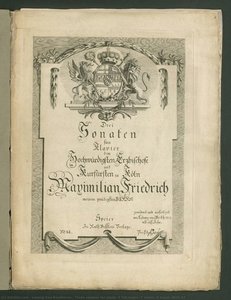
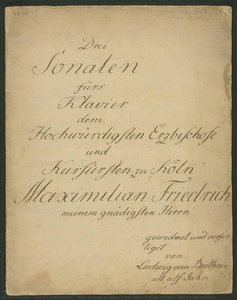
- Три фортепианные сонаты Op. 1, созданные при покровительстве князя Карла Алоиса Лихновского
Влияние и признание
Величайшим достижением Бетховена стало возвышение инструментальной музыки, которая до того времени считалась второстепенной по отношению к вокальной, до высочайшего уровня истинного искусства. Его влияние на классическую музыку неизмеримо: его произведения входят в число самых исполняемых в мировом репертуаре. Изучите больше работ Бетховена на ArtsDot.com: Людвиг ван Бетховен | 30 произведений искусства Узнайте больше о жизни и музыке Бетховена на Wikipedia: Людвиг ван Бетховен — Википедия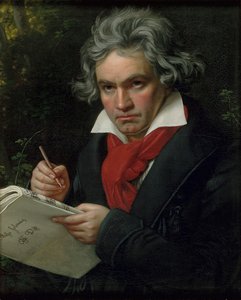
Людвиг Ван Бетховен
1770 - 1827 , Германия
Основные сведения
- Artistic Movement Or Style: Классицизм, Романтизм
- Artists Or Movements Influenced By This Artist:
- Иоганнес Брамс
- Роберт Шуман
- Artists Who Influenced This Artist:
- Йозеф Гайдн
- Кристиан Готтлоб Шульце
- Date Of Birth: 1770, Бонн, Германия
- Date Of Death: 1827, Вена, Австрия
- Full Name: Людвиг ван Бетховен
- Nationality: Немец
- Notable Artworks:
- Лунная соната
- Симфония № 9
- Place Of Birth: Бонн, Германия
Похожие статьи
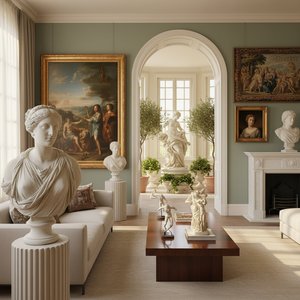
10 Шедевров Неоклассицизма: Искусство, Определившее Эпоху | ArtsDot
Погрузитесь в мир неоклассицизма! 10 шедевров от Давида, Канновы и других великих художников. Узнайте историю создания культовых картин и вдохновитесь для интерьера. Репродукции музейного качества на ArtsDot.com
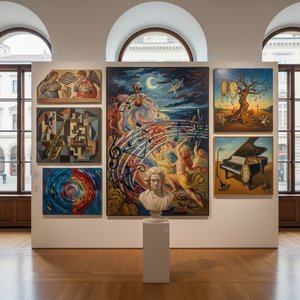
Harmonies on Canvas: Exploring the Visual Representation of Music in Art History
Explore the fascinating history of music's visual representation in art! From ancient symbolism to modern abstraction, discover how artists have captured sound and emotion on canvas. Expert insights & stunning examples.
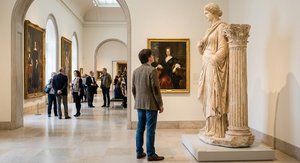
The Enduring Legacy of Classical Style: Form, Narrative & Influence in Art
Explore the enduring legacy of classical art – from ancient Greece & Rome to Neoclassicism. Discover key artists, philosophical roots & build a timeless collection with ArtsDot's expert guidance.
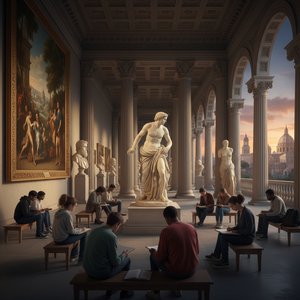
The Enduring Legacy of Classicism: Principles, Evolution & Influence in Western Art
Explore the enduring legacy of Classicism in Western art! Discover its historical context, key principles, iconic masterpieces & lasting influence. Learn about Renaissance and Neoclassical movements with ArtsDot.
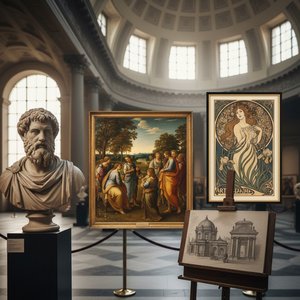
Timeless Resonance: Exploring Classic Vibe in Art – A Historical & Aesthetic Analysis
Explore the rich history & enduring aesthetic of Classicism art! Discover key movements, iconic artists like Raphael & David, and its lasting influence on Western art. Deepen your appreciation today.