

 Предпросмотр
 Поделиться
 Поделиться
 Детали произведения

 Скачать
 Похожие работы
 Рентгенография
 Слайд-шоу
 Статистика
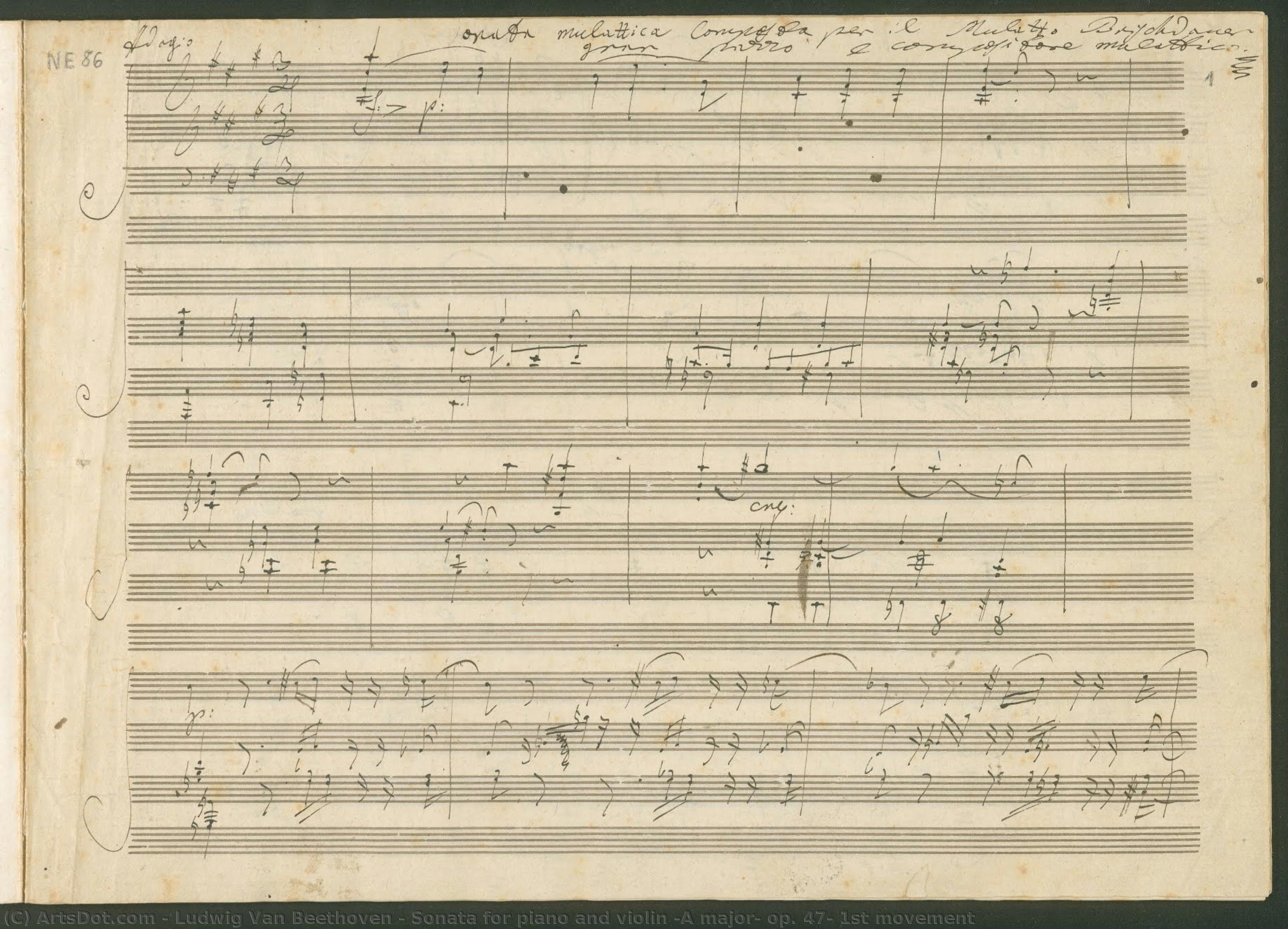
Sonata for piano and violin (A major) op. 47, 1st movement


 Читать далее
Жикле / Арт-принт
Печать (жикле) или холст музейного качества с быстрыми сроками изготовления и широким выбором вариантов отделки. ( Купить картину ручной работы Перейти к цифровым изображениям)




P118B $10

P118H $10

P118W $10

P438Z $10

P508JH $12

P508YH $12

P805H $10

P805Z $10

P919BZ $10

P919G $10

P919XJ $10

P959ZH $10

P968JZ $12

W106C $8

W218G $10

W218JH $8

W218Y $10

W307PJ $10

W316G $10

W316PJ $8

W316Y $10

W398PJ $8

W4111J $10

W500HY $15

W500JH $15

W692G $12

W849H $8

W940BG $15

W953PJ $8




Выберите один из наших стандартных размеров, соответствующих оригинальным пропорциям произведения искусства.

Вы можете указать свои собственные размеры, чтобы репродукция идеально подошла под конкретную раму или пространство. Если выбранный вами размер не будет соответствовать пропорциям оригинала, мы либо обрежем произведение, либо дополним изображение зеркальным отражением краев или однотонной заливкой. Перед началом производства вам будет отправлен цифровой макет для утверждения.
Пожалуйста, обратите внимание, что предварительный просмотр на экране не отображает фактическую обрезку или расширение изображения. Только макет точно покажет финальную композицию.
Несмотря на возможность заказа индивидуальных размеров, мы рекомендуем выбирать размер из предопределенного списка, чтобы сохранить оригинальные пропорции.
Доставка по всему миру () за 2 недели вместо стандартных 4/5 недель. (13 Сентябрь)

Бесплатная экспресс-доставка по всему миру

Высококачественный льняной холст

Полное страхование доставки

Гарантия возмещения таможенных пошлин

Гарантия точного соответствия цветов

100-дневная политика возврата (только при обнаружении дефектов)

Гарантия возврата 100% средств

Предложение оптовых скидок
 Вариант со стеклом доступен только для размеров менее 110 см

Sonata for piano and violin (A major) op. 47, 1st movement
Жикле / Арт-принт
Размер репродукции
-


Итоговая стоимость
$ 62
Beethoven’s Sonata for Piano and Violin: A Journey Through Passion and Innovation
Ludwig van Beethoven's "Sonata for Piano and Violin in A major, Op. 47," often known as the “Kreutzer Sonata,” isn’t merely a musical composition; it’s a visceral experience, a window into the turbulent soul of one of history’s most transformative composers. Completed in 1803 during a period of intense personal and professional upheaval for Beethoven – marked by increasing deafness and shifting patronage – this sonata stands as a testament to his unwavering artistic vision and his ability to translate profound emotion into sound.
The piece immediately captivates with its dramatic opening, eschewing the typical elegance of early Classical sonatas. Instead, it plunges directly into a chromatic introduction in D minor, a stark departure that establishes an atmosphere of brooding intensity. This initial darkness serves as a powerful counterpoint to the subsequent movements, creating a dynamic tension that defines the entire work. The first movement, marked “Adagio sostenuto – Presto,” unfolds with a deliberate slowness, building gradually towards a frenzied climax—a whirlwind of notes and rhythms that mirrors the composer’s own inner turmoil. The interplay between the piano and violin is not one of simple accompaniment; rather, it's a passionate dialogue, a push and pull of ideas and emotions.
A Tale of Rivalry and Dedication
The story behind the “Kreutzer Sonata” is as compelling as the music itself. Initially dedicated to the celebrated violinist George Bridgetower, the sonata’s creation was intertwined with a scandalous affair and a bitter dispute. Beethoven, deeply attached to a woman, became embroiled in a quarrel with Bridgetower, fueled by jealousy and resentment. The resulting estrangement led Beethoven to ultimately dedicate the work to Rodolphe Kreutzer, a fellow violinist known for his virtuosity and connections within the Viennese musical circles. This act of dedication, born from conflict, adds another layer of intrigue to the sonata’s narrative.
Interestingly, Kreutzer himself reportedly found the piece baffling and refused to perform it, suggesting that its complexity and emotional intensity were beyond his capabilities. This reluctance further cemented the “Kreutzer Sonata”’s reputation as a challenging and demanding work—a testament to Beethoven's willingness to push the boundaries of musical expression.
Form and Technique: A Masterclass in Duo Performance
Structurally, the sonata is divided into three distinct movements. The second movement, an “Andante,” offers a brief respite from the intensity of the first, presenting a more lyrical and contemplative theme. However, even here, Beethoven employs unexpected harmonic shifts and rhythmic irregularities, preventing it from becoming overly sentimental. The final movement, a spirited “Presto” in A major, is a whirlwind of energy and virtuosity—a dazzling display of technical skill and compositional ingenuity.
Beethoven’s use of dynamics and orchestration is particularly noteworthy. He masterfully employs contrasting levels of volume to heighten the emotional impact of each movement, creating moments of overwhelming power and delicate beauty. The interplay between the piano and violin is meticulously crafted, with each instrument taking turns to dominate the texture—a testament to Beethoven's understanding of duo performance.
Symbolism and Emotional Resonance
Beyond its technical brilliance, the “Kreutzer Sonata” resonates deeply with listeners due to its profound emotional content. The sonata’s turbulent energy reflects the composer’s own struggles with deafness and his personal relationships—a poignant exploration of love, loss, jealousy, and ambition. The story of the sonata's dedication is itself imbued with symbolism, representing not only a musical work but also a complex human drama.
Listening to the “Kreutzer Sonata” is akin to embarking on a journey through the depths of the human psyche—a powerful reminder of the enduring capacity for both beauty and suffering within the creative spirit. It remains a cornerstone of the classical repertoire, captivating audiences with its dramatic intensity and timeless emotional resonance.
Похожие произведения
Биография художника
Ранние годы и музыкальные истоки
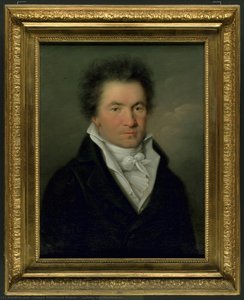
Людвиг ван Бетховен, прославленный немецкий композитор и пианист, родился в 1770 году в Бонне, Германия. Проявив исключительный музыкальный талант еще в раннем детстве, он начал обучение у различных мастеров, прежде чем переехать в Вену — город, который стал его домом на большую часть жизни.Музыкальные инновации и испытание глухотой
Несмотря на то что на протяжении большей части своей карьеры Бетховен страдал от прогрессирующей глухоты, он продолжал творить, создавая одни из самых знаковых шедевров классической музыки, включая Симфонию № 9 и Лунную сонату. Его новаторские композиции мастерски сочетали вокальные и инструментальные партии, рождая уникальное звучание, которое на протяжении столетий оказывало глубокое влияние на бесчисленное множество музыкантов.Ключевые произведения и наследие
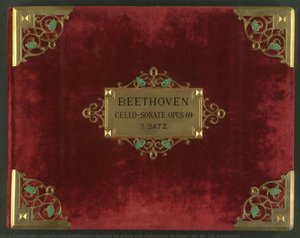
К числу наиболее выдающихся работ Бетховена относятся:- Соната для фортепиано и виолончели (ля мажор), ор. 69, первая часть (доступна на ArtsDot.com)
- Манускрипт Бетховена к Missa Solemnis (можно увидеть на Wikipedia)
- Три фортепианные сонаты Op. 1, созданные при покровительстве князя Карла Алоиса Лихновского
Влияние и признание
Величайшим достижением Бетховена стало возвышение инструментальной музыки, которая до того времени считалась второстепенной по отношению к вокальной, до высочайшего уровня истинного искусства. Его влияние на классическую музыку неизмеримо: его произведения входят в число самых исполняемых в мировом репертуаре. Изучите больше работ Бетховена на ArtsDot.com: Людвиг ван Бетховен | 30 произведений искусства Узнайте больше о жизни и музыке Бетховена на Wikipedia: Людвиг ван Бетховен — Википедия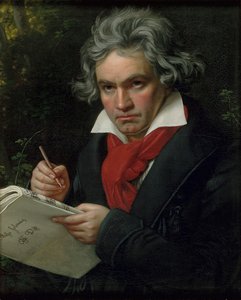
Людвиг Ван Бетховен
1770 - 1827 , Германия
Основные сведения
- Artistic Movement Or Style: Классицизм, Романтизм
- Artists Or Movements Influenced By This Artist:
- Иоганнес Брамс
- Роберт Шуман
- Artists Who Influenced This Artist:
- Йозеф Гайдн
- Кристиан Готтлоб Шульце
- Date Of Birth: 1770, Бонн, Германия
- Date Of Death: 1827, Вена, Австрия
- Full Name: Людвиг ван Бетховен
- Nationality: Немец
- Notable Artworks:
- Лунная соната
- Симфония № 9
- Place Of Birth: Бонн, Германия
Похожие статьи
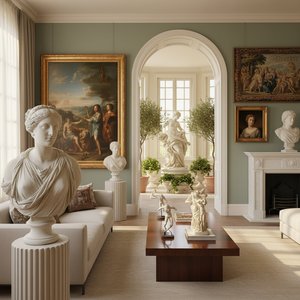
10 Шедевров Неоклассицизма: Искусство, Определившее Эпоху | ArtsDot
Погрузитесь в мир неоклассицизма! 10 шедевров от Давида, Канновы и других великих художников. Узнайте историю создания культовых картин и вдохновитесь для интерьера. Репродукции музейного качества на ArtsDot.com
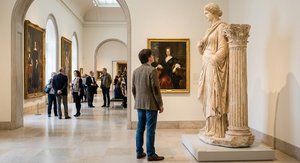
The Enduring Legacy of Classical Style: Form, Narrative & Influence in Art
Explore the enduring legacy of classical art – from ancient Greece & Rome to Neoclassicism. Discover key artists, philosophical roots & build a timeless collection with ArtsDot's expert guidance.
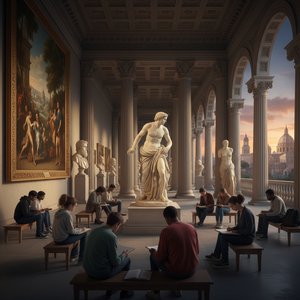
The Enduring Legacy of Classicism: Principles, Evolution & Influence in Western Art
Explore the enduring legacy of Classicism in Western art! Discover its historical context, key principles, iconic masterpieces & lasting influence. Learn about Renaissance and Neoclassical movements with ArtsDot.
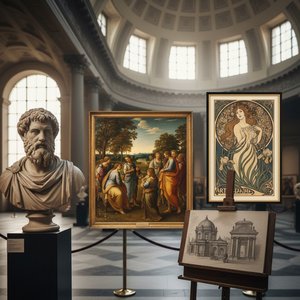
Timeless Resonance: Exploring Classic Vibe in Art – A Historical & Aesthetic Analysis
Explore the rich history & enduring aesthetic of Classicism art! Discover key movements, iconic artists like Raphael & David, and its lasting influence on Western art. Deepen your appreciation today.
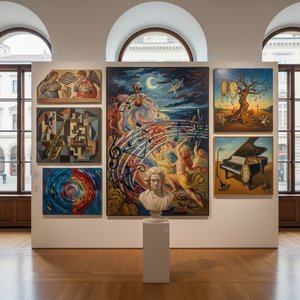
Harmonies on Canvas: Exploring the Visual Representation of Music in Art History
Explore the fascinating history of music's visual representation in art! From ancient symbolism to modern abstraction, discover how artists have captured sound and emotion on canvas. Expert insights & stunning examples.