

 Предпросмотр
 Поделиться
 Поделиться
 Детали произведения

 Скачать
 Похожие работы
 Рентгенография
 Слайд-шоу
 Статистика
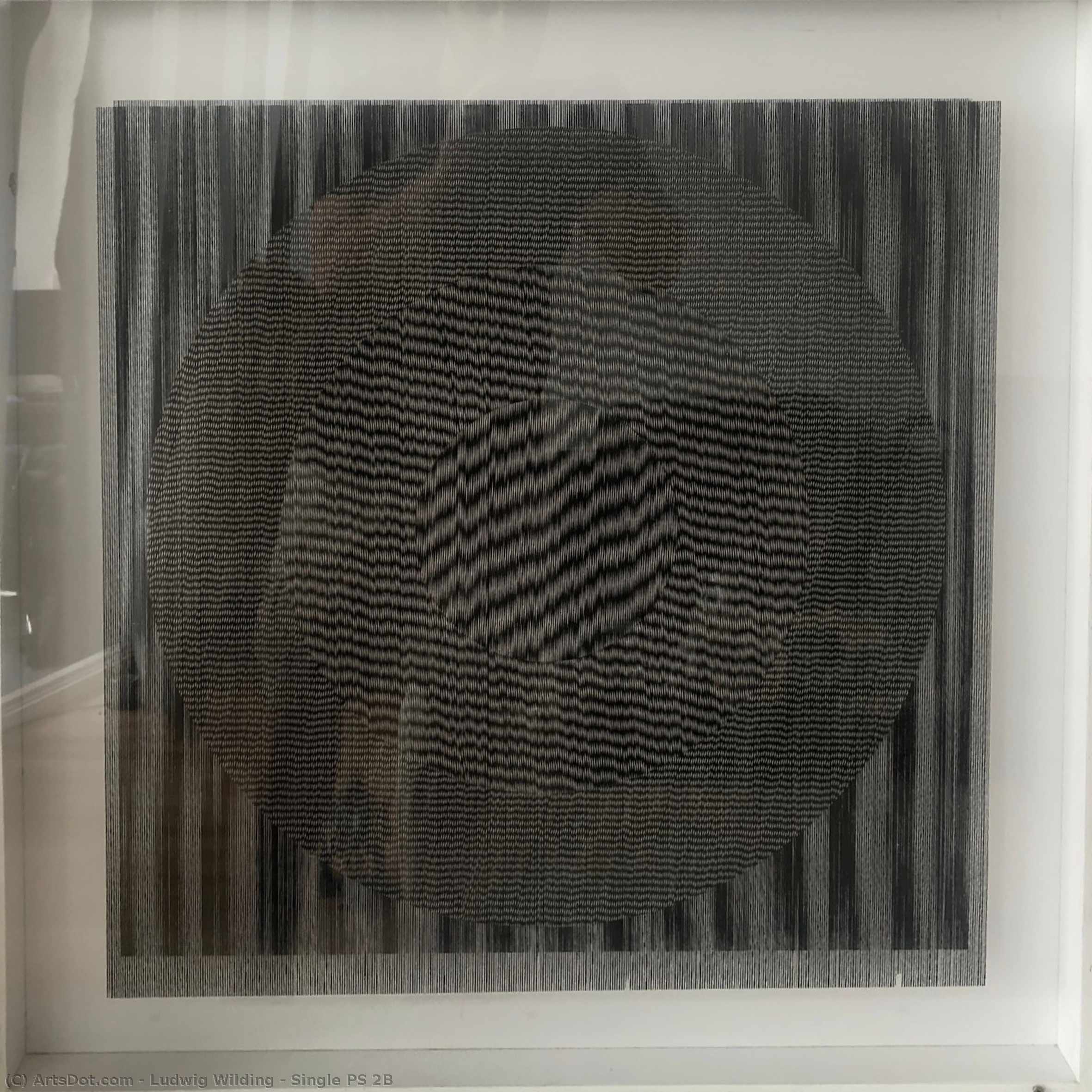
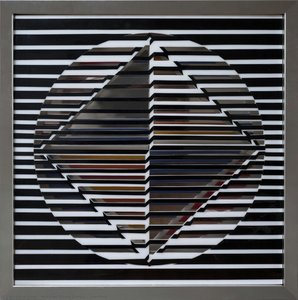
Single PS 2B
 Concretism
 1971
1971 81.0 x 81.0 cm
 Читать далее
Масляная репродукция ручной работы
Картина маслом на холсте в выбранном вами размере и раме, написанная на заказ нашими художниками. ( Перейти к печати Перейти к цифровым изображениям)




































Выберите один из наших стандартных размеров, соответствующих оригинальным пропорциям произведения искусства.

Вы можете указать собственные размеры, чтобы картина идеально вписалась в выбранную раму или пространство. Если выбранный вами размер не соответствует пропорциям оригинала, мы либо обрежем полотно, либо расширим его за счет дополнительных элементов, написанных вручную. Цифровой макет будет отправлен вам на утверждение перед началом производства.
Обратите внимание, что предварительный просмотр на экране не отражает фактическую обрезку или расширение. Только макет точно покажет окончательную композицию.
Хотя доступны индивидуальные размеры, мы рекомендуем выбирать вариант из предопределенного списка, чтобы сохранить исходные пропорции.
После оформления заказа команда ArtsDot.com свяжется с клиентом по электронной почте для уточнения деталей и предоставит предварительный макет
Доставка по всему миру () за 3–4 недели вместо стандартных 5 недель. (12 Сентябрь). Без компромиссов в качестве.

Бесплатная экспресс-доставка по всему миру

Высококачественный льняной холст

Полное страхование доставки

Гарантия возмещения таможенных пошлин

Гарантия точного соответствия цветов

100-дневная политика возврата (только при обнаружении дефектов)

Гарантия возврата 100% средств

Предложение оптовых скидок
 Вариант со стеклом доступен только для размеров менее 110 см

Single PS 2B
Техника репродукции
Размер репродукции
-


Итоговая стоимость
$ 263
Похожие произведения

Биография художника
The Genesis of a Perceptual Pioneer
Born in the German town of Grünstadt in 1927, Ludwig Wilding would eventually emerge as a master of the unseen, a sculptor of light and shadow who redefined the boundaries of visual perception. His intellectual foundation was as much rooted in philosophy as it was in pigment; his early studies in the History of Art and Philosophy at Mainz University provided a profound conceptual framework for his later explorations into the mechanics of sight. This academic rigor was soon paired with technical mastery during his time at the State Academy of Fine Arts Stuttgart, where he studied under the legendary Willi Baumeister. It was here that the seeds of geometric abstraction were sown, blending the disciplined principles of the Bauhaus movement with a burgeoning fascination for the kinetic potential of form.The Architecture of Optical Illusion
Wilding’s true genius lay in his ability to transcend the two-dimensional plane, breathing life into static objects through meticulously crafted three-dimensional structures. His work is characterized by a striking, monochromatic palette—a stark dance of black and white that serves as the stage for complex visual phenomena. These were not merely sculptures but active participants in a dialogue with the viewer. By manipulating depth and surface, Wilding created works that seemed to pulse and shift with every change in perspective or flicker of light. The technical precision required for such feats was immense, as he sought to capture the very essence of movement within a fixed medium through several key elements:- Geometric Abstraction: Utilizing clean lines and mathematical precision to guide the eye across the surface.
- Kinetic Energy: Creating the illusion of motion through subtle shifts in illumination and viewer position.
- Stereoscopic Depth: Using three-dimensional elements to challenge the boundaries between reality and illusion.
A Legacy Written in Light and Shadow
The impact of Wilding’s vision resonated far beyond the borders of Germany, placing him at the heart of the mid-century explosion of Op Art and Kinetic Art. His inclusion in the seminal The Responsive Eye exhibition at the Museum of Modern Art in New York in 1965 cemented his status as a global figure alongside contemporaries like Bridget Riley and Victor Vasarely. Throughout his career, his work traveled from the prestigious halls of the Hayward Gallery in London to the Columbus Museum of Art in Ohio, proving that the language of optical illusion is universal. Even decades after his passing in 2010, Wilding’s legacy remains a vital part of the art historical canon, reminding us that true art is not just something we look at, but something we experience with our entire sensory being.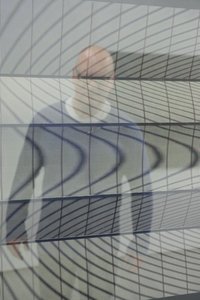
Ludwig Wilding
1927 - 2010 , Germany
Основные сведения
- Artistic Movement Or Style: Op Art & Kinetic Art
- Date Of Birth: May 19, 1927
- Full Name: Ludwig Wilding
- Nationality: German
- Notable Artworks:
- Stroboscopic Drawing with Circles
- Kinetisches Objekt Nr. 20
- SBST 2838
- Place Of Birth: Grünstadt, Germany