

 Предпросмотр
 Поделиться
 Поделиться
 Детали произведения

 Скачать
 Похожие работы
 Рентгенография
 Слайд-шоу
 Статистика
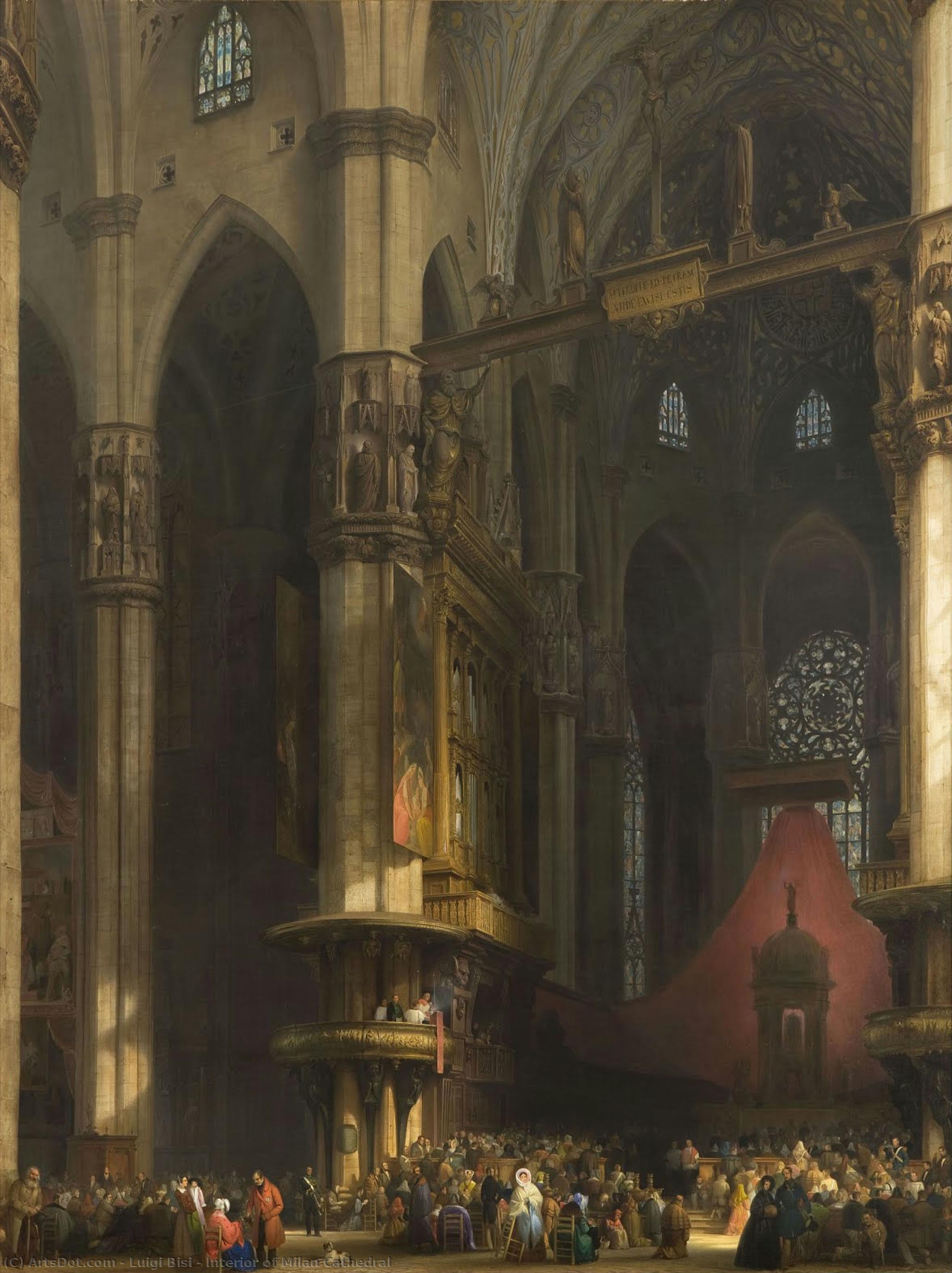
Interior of Milan Cathedral
 Acrylic On Canvas
- WallArt
- Romantic Revival
 139.0 x 181.0 cm
 Fondazione Cariplo
 Читать далее
Приобретите цифровое изображение высокого разрешения в улучшенном качестве, которое значительно превосходит онлайн-превью.
Каждый файл тщательно подготавливается нашими специалистами с использованием передовых инструментов и экспертной ручной ретуши. Мы гарантируем исключительную четкость, точную цветопередачу и детальную проработку каждого изображения.
Финальный файл доставляется по электронной почте в течение 72 часов и оптимизирован для немедленного использования в профессиональной среде, при верстке и печати. Это тот же уровень качества, которому доверяют ведущие дизайнерские студии, издательства и галереи.
Цифровое изображение
Скачайте файл высокого разрешения для личного использования, печати и творческих проектов. ( Перейти к печати Купить картину ручной работы)
Включено в каждый заказ цифровых изображений
Гарантия экспертной цифровой доставки
Выбирая ArtsDot.com, вы получаете не просто изображение — вы приобретаете профессионально обработанное цифровое произведение искусства, созданное с безупречной точностью и под защитой гарантии качества. Вот всё, что автоматически входит в ваш заказ:

Мгновенная доставка по e-mail
Ваш цифровой файл в высоком разрешении будет отправлен вам по электронной почте в течение 72 часов после оформления заказа — и сразу станет доступен для использования.

Цифровой файл с ИИ-улучшением
Ваше произведение искусства проходит профессиональную оптимизацию с использованием передовых инструментов ИИ и ручной обработки, что гарантирует максимальную детализацию, четкость и точность цветопередачи.

Бессрочная бесплатная повторная доставка
Случайно удалили или потеряли файл? Не беспокойтесь — мы отправим его вам повторно в любое время и совершенно бесплатно.

Без импортных пошлин — навсегда
Наслаждайтесь вашим произведением искусства мгновенно без таможенных пошлин, сборов или затрат на доставку — цифровые загрузки всегда не облагаются налогом.

Гарантия точности цветопередачи
Мы гарантируем, что ваше цифровое изображение максимально точно передает оригинальные цвета благодаря использованию профессиональных инструментов и систем управления цветом.

Гарантия удовлетворенности 100 дней
Если вы не будете удовлетворены своим цифровым изображением, мы внесем правки или вернем 100% стоимости в течение 100 дней — без лишних вопросов.

100% Гарантия возврата средств
Не удовлетворены покупкой? Получите полный возврат средств в течение 100 дней после получения цифрового файла — без лишних вопросов.

Скидки на оптовые заказы
Купите 3 изображения, сэкономьте 10% — Купите 5, сэкономьте 15% — Купите 10+, сэкономьте 20%. Отличное решение для творческих проектов, галерей и агентств.
Похожие произведения







Биография художника
A Milanese Master of Light and Perspective
Luigi Bisi, born in Milan in 1814, emerged from a family deeply rooted in the artistic traditions of Italy. His father, Michele Bisi, and uncle, Giuseppe Bisi, both established painters, provided young Luigi with an early immersion into the world of art, nurturing his innate talent and guiding his initial steps. This familial influence proved foundational as he formally trained at the Accademia di Belle Arti di Brera, studying under Francesco Durelli – a pivotal figure in Italian painting – and potentially also benefiting from the tutelage of Giovanni Migliara. Bisi’s education wasn't merely technical; it was steeped in the artistic heritage of Milan, fostering a sensibility that would define his life’s work. He didn't simply learn to paint; he absorbed a legacy. This early exposure shaped not only his style but also his future role as an educator, eventually succeeding Durelli as professor of perspective at the very academy where he honed his skills, and later ascending to the presidency in 1879.From Vedute to Sacred Spaces
Bisi’s artistic journey began with *vedute* – airy views of landscapes and cityscapes that captured the essence of the Italian countryside and urban life. These early works demonstrated a keen eye for composition and an ability to convey atmosphere, but it was his subsequent shift towards interior scenes, particularly those of churches, that cemented his reputation. He became renowned for meticulously detailed depictions of sacred spaces, imbued with a sense of reverence and architectural precision. The Duomo di Milano, the magnificent cathedral that dominates the Milanese skyline, held a particular fascination for Bisi. Over approximately eighty-seven paintings, he explored every facet of its grandeur, capturing its intricate details, dramatic lighting, and spiritual aura. These weren’t merely representations; they were acts of devotion, born from an intimate understanding of the building's history and significance. Beyond the Duomo, his depictions of the Basilica di Sant'Ambrogio showcase a similar dedication to architectural detail and atmospheric nuance. Works like “Summer Stroll” and “Family Meal” reveal Bisi’s skill in capturing human form and domestic scenes, balancing composition with emotional depth.Influences and Artistic Development
Bisi’s artistic vision was shaped by a confluence of influences, reflecting the rich artistic heritage of Italy. The Italian Renaissance served as a cornerstone, evident in his attention to detail, classical compositions, and harmonious use of light and shadow. Elements of Late Gothic architecture are visible in his depictions of churches, particularly in the intricate details and soaring grandeur of structures like the Duomo di Milano. While not dominant, aspects of Mannerism can be observed in his stylized figures and dramatic use of chiaroscuro – a technique he likely absorbed from his teacher, Francesco Durelli. Bisi’s interest extended beyond painting to architecture itself; he collaborated on the restoration of the Basilica di Sant'Ambrogio alongside prominent architects like Giovanni Brocca and Friedrich von Schmidt, demonstrating a commitment to preserving Milanese architectural heritage. This practical involvement undoubtedly informed his artistic representations, lending them an authenticity that resonated with viewers.Legacy and Lasting Impact
Luigi Bisi’s legacy extends beyond the canvases he created. His long tenure as a professor at the Accademia di Belle Arti di Brera ensured that his knowledge of perspective, composition, and architectural representation was passed on to generations of aspiring artists. He wasn't merely imparting technical skills; he was instilling a deep appreciation for artistic tradition and a commitment to meticulous observation. His involvement in the restoration of the Basilica di Sant’Ambrogio further underscores his dedication to preserving Milanese cultural heritage. Today, Bisi’s work is held in esteemed collections such as the Pinacoteca di Vicenza and the Hungarian National Gallery, testament to its enduring significance within Italian art history. While pinpointing direct artistic descendants proves challenging, it's reasonable to assume that his emphasis on perspective and detailed observation influenced countless artists who followed him, shaping the landscape of 19th-century Italian painting. His paintings continue to captivate viewers with their masterful technique, atmospheric depth, and profound sense of place, ensuring that his name remains synonymous with the artistic spirit of Milan.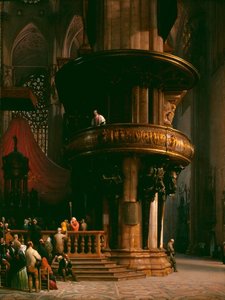
Luigi Bisi
1814 - 1886 , Italy
Основные сведения
- Artistic Movement Or Style: Renaissance, Gothic
- Artists Or Movements Influenced By This Artist: Future Milanese artists
- Artists Who Influenced This Artist:
- Francesco Durelli
- Giovanni Migliara
- Date Of Birth: May 10, 1814
- Date Of Death: November 11, 1886
- Full Name: Luigi Bisi
- Nationality: Italian
- Notable Artworks:
- Summer Stroll
- Family Meal
- Duomo di Milano views
- Place Of Birth: Milan, Italy