

 Предпросмотр
 Поделиться
 Поделиться
 Детали произведения

 Скачать
 Похожие работы
 Рентгенография
 Слайд-шоу
 Статистика
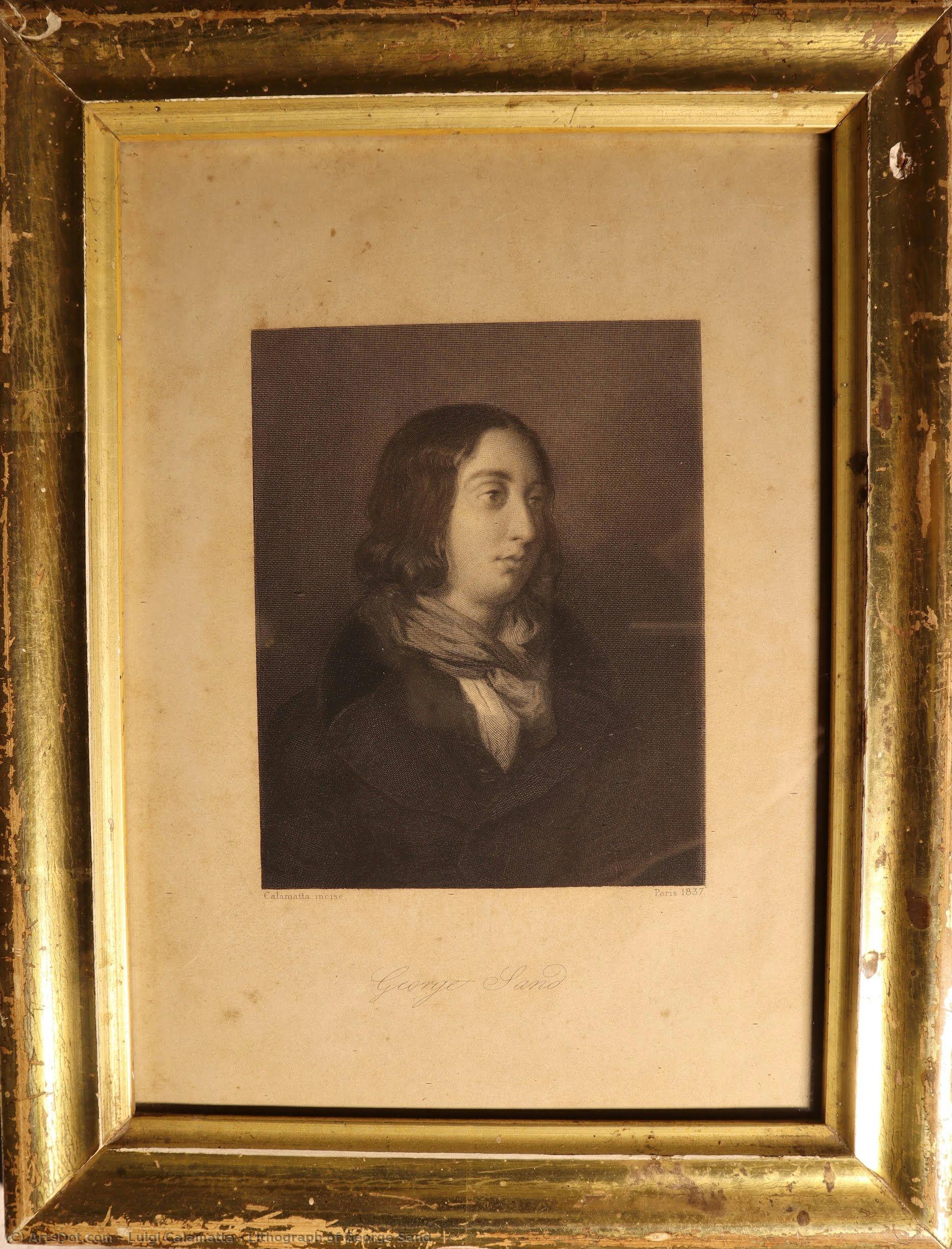
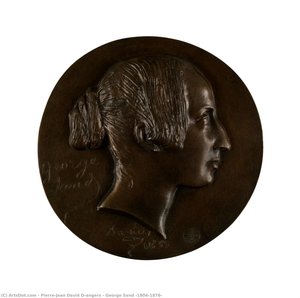
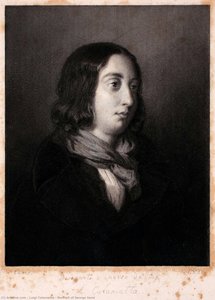
Lithograph of George Sand


 Читать далее
Приобретите цифровое изображение высокого разрешения в улучшенном качестве, которое значительно превосходит онлайн-превью.
Каждый файл тщательно подготавливается нашими специалистами с использованием передовых инструментов и экспертной ручной ретуши. Мы гарантируем исключительную четкость, точную цветопередачу и детальную проработку каждого изображения.
Финальный файл доставляется по электронной почте в течение 72 часов и оптимизирован для немедленного использования в профессиональной среде, при верстке и печати. Это тот же уровень качества, которому доверяют ведущие дизайнерские студии, издательства и галереи.
Цифровое изображение
Скачайте файл высокого разрешения для личного использования, печати и творческих проектов. ( Перейти к печати Купить картину ручной работы)
Включено в каждый заказ цифровых изображений
Гарантия экспертной цифровой доставки
Выбирая ArtsDot.com, вы получаете не просто изображение — вы приобретаете профессионально обработанное цифровое произведение искусства, созданное с безупречной точностью и под защитой гарантии качества. Вот всё, что автоматически входит в ваш заказ:

Мгновенная доставка по e-mail
Ваш цифровой файл в высоком разрешении будет отправлен вам по электронной почте в течение 72 часов после оформления заказа — и сразу станет доступен для использования.

Цифровой файл с ИИ-улучшением
Ваше произведение искусства проходит профессиональную оптимизацию с использованием передовых инструментов ИИ и ручной обработки, что гарантирует максимальную детализацию, четкость и точность цветопередачи.

Бессрочная бесплатная повторная доставка
Случайно удалили или потеряли файл? Не беспокойтесь — мы отправим его вам повторно в любое время и совершенно бесплатно.

Без импортных пошлин — навсегда
Наслаждайтесь вашим произведением искусства мгновенно без таможенных пошлин, сборов или затрат на доставку — цифровые загрузки всегда не облагаются налогом.

Гарантия точности цветопередачи
Мы гарантируем, что ваше цифровое изображение максимально точно передает оригинальные цвета благодаря использованию профессиональных инструментов и систем управления цветом.

Гарантия удовлетворенности 100 дней
Если вы не будете удовлетворены своим цифровым изображением, мы внесем правки или вернем 100% стоимости в течение 100 дней — без лишних вопросов.

100% Гарантия возврата средств
Не удовлетворены покупкой? Получите полный возврат средств в течение 100 дней после получения цифрового файла — без лишних вопросов.

Скидки на оптовые заказы
Купите 3 изображения, сэкономьте 10% — Купите 5, сэкономьте 15% — Купите 10+, сэкономьте 20%. Отличное решение для творческих проектов, галерей и агентств.
Похожие произведения

Биография художника
Luigi Calamatta: Bridging Ingres and the Italian Renaissance
Luigi Calamatta, a name perhaps less familiar than those of his contemporaries, stands as a quietly significant figure in 19th-century European art. Born in Civitavecchia, Italy, in 1801, and tragically passing away in Milan in 1869, Calamatta’s life was marked by both artistic promise and personal hardship. His early years were shaped by an orphaned childhood and a grounding in the practical arts – his father a port engineer from a family with roots in banking – before he found his true calling within the walls of the Ospizio San Michele school of arts. It was there, under the tutelage of Antonio Ricciani, that Calamatta’s exceptional talent for drawing began to blossom, ultimately dissuading him from pursuing a religious vocation and setting him on a path toward a career in art. This early training also included crucial instruction in engraving with Francesco Giangiacomo, a skill that would profoundly influence his later work. Calamatta's artistic journey truly took flight in Paris, a city renowned for its vibrant artistic community during the mid-19th century. He quickly established himself as an associate of Jean-Auguste-Dominique Ingres, whose Neoclassical style exerted a powerful and lasting impact on Calamatta’s oeuvre. The influence is readily apparent in his compositions – a meticulous attention to detail, a restrained palette, and a focus on idealized forms all echo Ingres's approach. His debut at the Salon in 1827 with “Bajazet and the Shepherd,” an engraving based on Pierre Joseph Dedreux-Dorcy’s dramatic scene from a play, immediately showcased his technical prowess and artistic sensibility. This early success paved the way for further recognition, culminating in the prestigious commission to engrave historical paintings at the Palace of Versailles in 1834 – a remarkable achievement for a relatively young artist. Beyond his Parisian connections, Calamatta’s career was characterized by a dedication to teaching and mentorship. In 1836, he accepted a professorship at the engraving school in Brussels, which later became part of the Royal Academy. He quickly established himself as an influential educator, nurturing the talents of future masters such as Auguste Danse and Léopold Flameng. These students benefited not only from Calamatta’s technical expertise but also from his deep understanding of artistic principles and his ability to inspire creativity. His approach was rooted in a synthesis of classical ideals and contemporary aesthetics, reflecting both his Ingresian influences and his own evolving artistic vision. His life wasn't solely devoted to art; he married Joséphine Rochette in 1840, daughter of the archaeologist Désiré-Raoul Rochette, forming a family that, unfortunately, was short-lived due to his return to Italy and her subsequent remarriage. Calamatta’s artistic output spanned a diverse range of subjects, including portraits, historical scenes, and landscapes. His engravings are particularly noteworthy for their exquisite detail, delicate lines, and masterful use of tonal values. He frequently depicted figures from literature and mythology, imbuing them with a sense of dignity and timelessness. His work also demonstrates an appreciation for the Italian Renaissance, evident in his compositions’ balanced arrangements, harmonious color schemes, and subtle references to classical art. A significant example of this influence is seen in his lithograph of George Sand, a portrait that captures the novelist's intellectual intensity and independent spirit. This piece, alongside others like “Portrait of Luigi Calamatta,” reveals an artist deeply engaged with both contemporary culture and the artistic traditions of the past. His legacy extends beyond individual artworks; he contributed significantly to the development of engraving as a fine art form in Belgium and beyond. Despite facing personal challenges and professional setbacks – including the closure of his Brussels school due to concerns about the quality of its graduates – Luigi Calamatta left an enduring mark on the world of art. His work can be found in collections worldwide, including those at ArtsDot.com, where enthusiasts can appreciate the beauty and sophistication of his engravings. Furthermore, visitors to museums like San Luigi dei Francesi in Rome and the Galleria d'arte moderna Achille Forti in Verona have the opportunity to view original works and gain a deeper understanding of Calamatta’s artistic journey. His story serves as a testament to the power of perseverance, dedication, and the enduring influence of artistic inspiration.Further Exploration
- Wikipedia Entry: https://en.wikipedia.org/wiki/Luigi_Calamatta
- ArtsDot: (Information regarding his works available at this site)
- Museum Celda de Frédéric Chopin y George Sand (Valldemossa, Spain): Explore Calamatta’s lithographs displayed there.
- Galleria d'arte moderna Achille Forti (Verona, Italy): View his sculptures and other works in this collection.
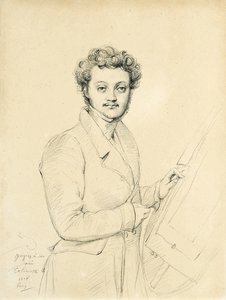
Luigi Calamatta
1801 - 1869 , Italy
Основные сведения
- Artistic Movement Or Style: Neoclassical/Romantic
- Artists Or Movements Influenced By This Artist: ['Ingres']
- Artists Who Influenced This Artist: ['Ingres']
- Date Of Birth: June 21, 1801
- Date Of Death: March 8, 1869
- Full Name: Luigi Calamatta
- Nationality: Italian
- Notable Artworks:
- Portrait of George Sand
- Bajazet and the Shepherd
- Place Of Birth: Civitavecchia, Italy