

 Предпросмотр
 Поделиться
 Поделиться
 Детали произведения

 Скачать
 Похожие работы
 Рентгенография
 Слайд-шоу
 Статистика
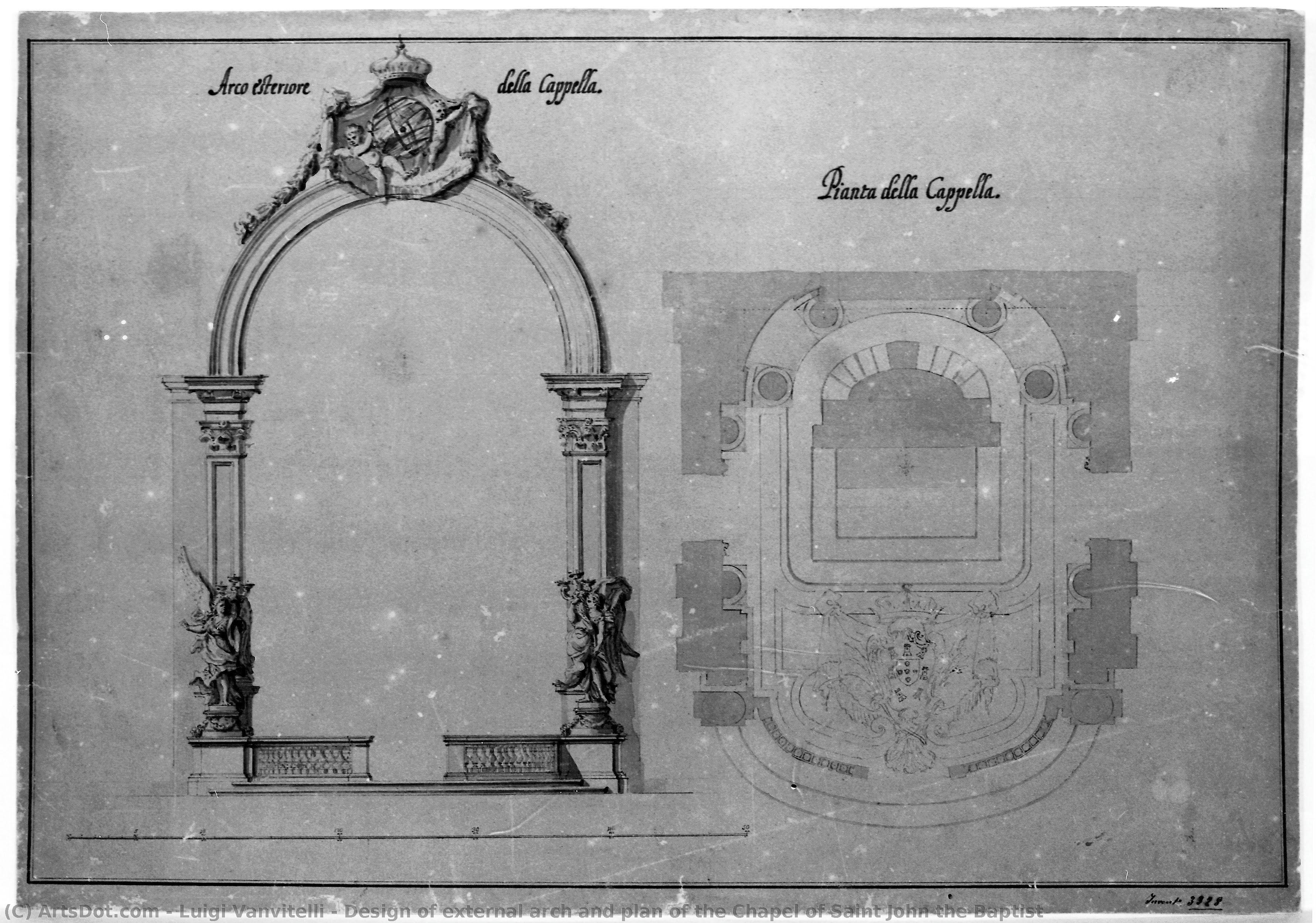
Design of external arch and plan of the Chapel of Saint John the Baptist


 Читать далее
Жикле / Арт-принт
Печать (жикле) или холст музейного качества с быстрыми сроками изготовления и широким выбором вариантов отделки. ( Купить картину ручной работы Перейти к цифровым изображениям)




































Выберите один из наших стандартных размеров, соответствующих оригинальным пропорциям произведения искусства.

Вы можете указать свои собственные размеры, чтобы репродукция идеально подошла под конкретную раму или пространство. Если выбранный вами размер не будет соответствовать пропорциям оригинала, мы либо обрежем произведение, либо дополним изображение зеркальным отражением краев или однотонной заливкой. Перед началом производства вам будет отправлен цифровой макет для утверждения.
Пожалуйста, обратите внимание, что предварительный просмотр на экране не отображает фактическую обрезку или расширение изображения. Только макет точно покажет финальную композицию.
Несмотря на возможность заказа индивидуальных размеров, мы рекомендуем выбирать размер из предопределенного списка, чтобы сохранить оригинальные пропорции.
Доставка по всему миру () за 2 недели вместо стандартных 4/5 недель. (13 Сентябрь)

Бесплатная экспресс-доставка по всему миру

Высококачественный льняной холст

Полное страхование доставки

Гарантия возмещения таможенных пошлин

Гарантия точного соответствия цветов

100-дневная политика возврата (только при обнаружении дефектов)

Гарантия возврата 100% средств

Предложение оптовых скидок
 Вариант со стеклом доступен только для размеров менее 110 см

Design of external arch and plan of the Chapel of Saint John the Baptist
Жикле / Арт-принт
Размер репродукции
-


Итоговая стоимость
$ 62
Похожие произведения





Биография художника
The Shadow of Europe: Theodore de Bry and the Genesis of American Art
Theodore de Bry, a name often overshadowed by the titans of the Renaissance and Baroque, stands as a pivotal figure in the early history of American art. Born in 1700 (though precise dates remain somewhat elusive), de Bry’s legacy isn't found in grand canvases or meticulously rendered portraits, but rather in his prolific output of engravings – images that fundamentally shaped European perceptions of the New World and, crucially, influenced the nascent artistic identity of the American colonies. His work represents a fascinating intersection of European ambition, colonial encounter, and the burgeoning field of printmaking. De Bry’s contribution wasn't simply to document; it was to actively construct a narrative – one that often reinforced European dominance while simultaneously offering a glimpse into a world both alluring and terrifying.Early Life and the Rise of the Engraver
De Bry’s career unfolded against the backdrop of 18th-century Europe, a period witnessing an explosion in printmaking technology. He began his journey as a simple apprentice to his father, Jean de Bry, a renowned book illustrator. This early training instilled in him a deep understanding of woodcut and engraving techniques – skills he would master with remarkable speed and versatility. Initially, de Bry’s work focused on illustrating books, particularly those detailing voyages and explorations. However, it was the burgeoning interest in colonial ventures that truly propelled his career forward. The demand for accurate depictions of newly discovered lands and peoples fueled a massive surge in print production, providing de Bry with unprecedented opportunities to showcase his talents. He quickly established himself as one of the most sought-after engravers in Europe, producing images for a diverse clientele including royal courts, wealthy merchants, and adventurous explorers.Theodore de Bry’s American Engravings: A European Lens
De Bry's engagement with America was largely mediated through the accounts of European travelers and missionaries. He didn’t personally explore the continent; instead, he meticulously reproduced images – often based on sketches or watercolors – provided by individuals like John White, who documented the Roanoke Colony, and later, Samuel de Champlain, whose detailed descriptions and maps proved invaluable. Crucially, de Bry wasn't a passive reproducer. He significantly altered these accounts, adding his own interpretations and embellishments. His engravings of the Americas, particularly those depicting Native American populations, frequently presented a skewed and often stereotypical view – one that emphasized European superiority and reinforced existing prejudices. Images like those of the Powhatan Confederacy, for instance, were rendered with a deliberate theatricality, portraying indigenous peoples as savage and uncivilized, aligning perfectly with the prevailing colonial ideology.- The Roanoke Colony Engravings: De Bry’s depictions of Roanoke are particularly revealing. He presented a romanticized vision of the lost colony, emphasizing its tragic fate and subtly suggesting that European mismanagement was to blame.
- Champlain's Voyages: His engravings based on Champlain’s explorations contributed significantly to the European understanding of the St. Lawrence River region, solidifying French claims to the territory.
- Portrayals of Native Americans: These images consistently depicted indigenous peoples as primitive and dangerous, reinforcing colonial narratives of conquest and domination.
Influence and Legacy: Shaping Perceptions of America
Despite the problematic nature of his representations, Theodore de Bry’s engravings played a crucial role in shaping European perceptions of America. His images were widely disseminated through books, maps, and broadsides, reaching a vast audience across Europe. They fueled colonial ambitions, justified territorial expansion, and contributed to the romanticized – and often inaccurate – portrayal of the New World that captivated imaginations. Furthermore, de Bry’s work helped establish engraving as a dominant medium for visual documentation, paving the way for future generations of artists and illustrators. His meticulous attention to detail and his ability to capture the essence of a scene influenced countless subsequent engravers.A Complex Figure in Art History
Theodore de Bry’s legacy is undeniably complex. He was not an artist who sought to celebrate or authentically represent American culture; rather, he was a skilled craftsman serving the interests of European colonialism. However, his work offers invaluable insights into the early stages of visual representation and the powerful ways in which images can shape our understanding of history and culture. Studying de Bry’s engravings compels us to critically examine the narratives they convey – and to recognize the enduring impact of biased representations on shaping perceptions of the world. His contribution lies not just in his technical skill, but in his role as a key architect of the European image of America—an image that continues to resonate today.
luigi vanvitelli
1700 - 1773 , Italy
Основные сведения
- Artistic Movement Or Style: True-View Painting (Joseon Period)
- Date Of Death: 1759
- Full Name: Jeong Seon (Gyeomjae)
- Nationality: Korean
- Notable Artworks: ['Landscape paintings']
- Place Of Birth: Korea