

 Предпросмотр
 Поделиться
 Поделиться
 Детали произведения

 Скачать
 Похожие работы
 Рентгенография
 Слайд-шоу
 Статистика
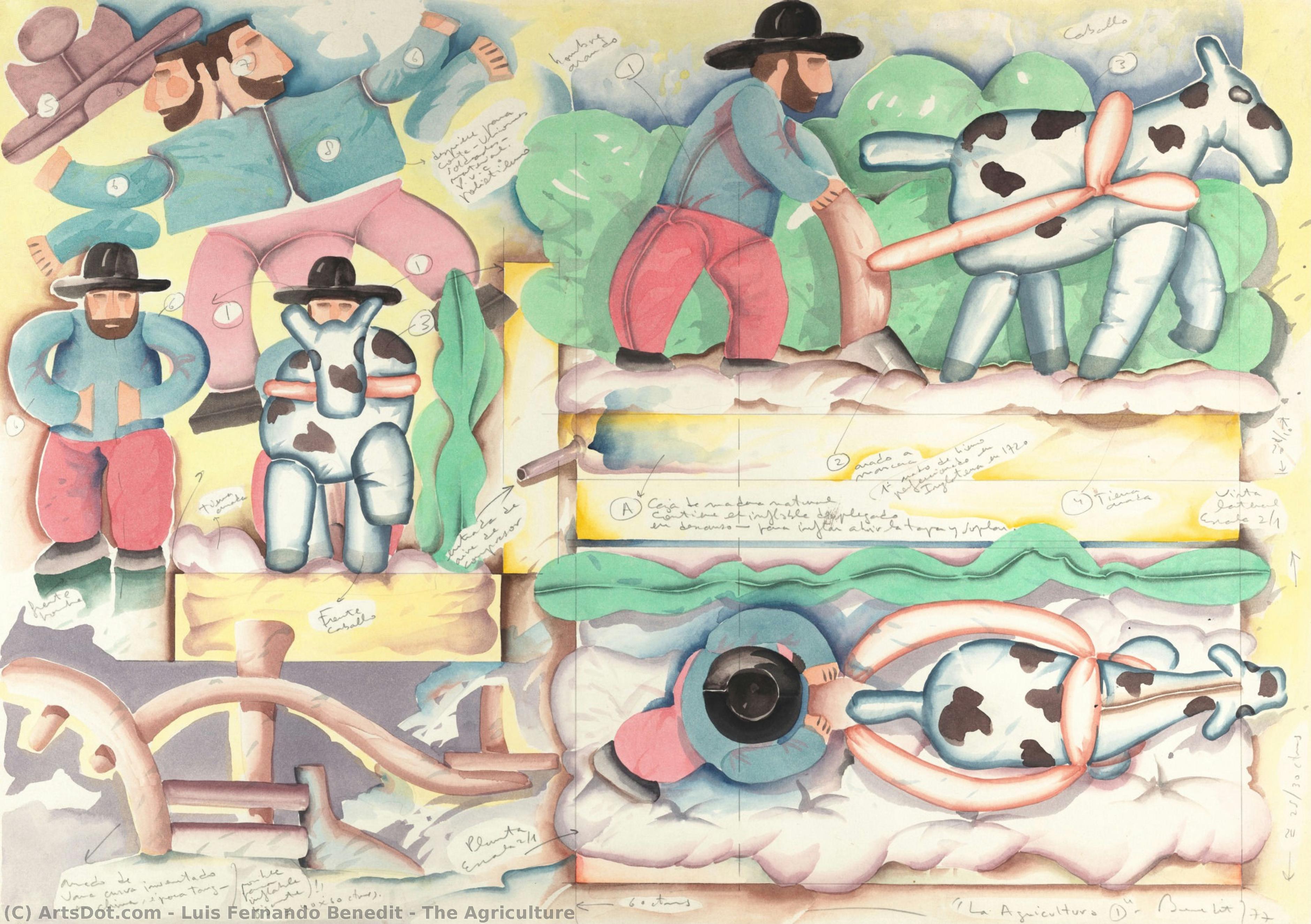
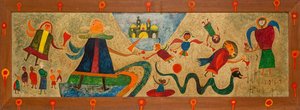
The Agriculture
 1977
1977 49.0 x 70.0 cm
 Читать далее
Приобретите цифровое изображение высокого разрешения в улучшенном качестве, которое значительно превосходит онлайн-превью.
Каждый файл тщательно подготавливается нашими специалистами с использованием передовых инструментов и экспертной ручной ретуши. Мы гарантируем исключительную четкость, точную цветопередачу и детальную проработку каждого изображения.
Финальный файл доставляется по электронной почте в течение 72 часов и оптимизирован для немедленного использования в профессиональной среде, при верстке и печати. Это тот же уровень качества, которому доверяют ведущие дизайнерские студии, издательства и галереи.
Цифровое изображение
Скачайте файл высокого разрешения для личного использования, печати и творческих проектов. ( Перейти к печати Купить картину ручной работы)
Включено в каждый заказ цифровых изображений
Гарантия экспертной цифровой доставки
Выбирая ArtsDot.com, вы получаете не просто изображение — вы приобретаете профессионально обработанное цифровое произведение искусства, созданное с безупречной точностью и под защитой гарантии качества. Вот всё, что автоматически входит в ваш заказ:

Мгновенная доставка по e-mail
Ваш цифровой файл в высоком разрешении будет отправлен вам по электронной почте в течение 72 часов после оформления заказа — и сразу станет доступен для использования.

Цифровой файл с ИИ-улучшением
Ваше произведение искусства проходит профессиональную оптимизацию с использованием передовых инструментов ИИ и ручной обработки, что гарантирует максимальную детализацию, четкость и точность цветопередачи.

Бессрочная бесплатная повторная доставка
Случайно удалили или потеряли файл? Не беспокойтесь — мы отправим его вам повторно в любое время и совершенно бесплатно.

Без импортных пошлин — навсегда
Наслаждайтесь вашим произведением искусства мгновенно без таможенных пошлин, сборов или затрат на доставку — цифровые загрузки всегда не облагаются налогом.

Гарантия точности цветопередачи
Мы гарантируем, что ваше цифровое изображение максимально точно передает оригинальные цвета благодаря использованию профессиональных инструментов и систем управления цветом.

Гарантия удовлетворенности 100 дней
Если вы не будете удовлетворены своим цифровым изображением, мы внесем правки или вернем 100% стоимости в течение 100 дней — без лишних вопросов.

100% Гарантия возврата средств
Не удовлетворены покупкой? Получите полный возврат средств в течение 100 дней после получения цифрового файла — без лишних вопросов.

Скидки на оптовые заказы
Купите 3 изображения, сэкономьте 10% — Купите 5, сэкономьте 15% — Купите 10+, сэкономьте 20%. Отличное решение для творческих проектов, галерей и агентств.
Похожие произведения






Биография художника
Luis Fernando Benedit: Architect of Invisible Systems
Luis Fernando Benedit (1937-2011), born in Buenos Aires, Argentina, was more than simply a painter; he was an architect of perception, a pioneer who wove together art, biology, technology, and social commentary into profoundly evocative and often unsettling works. His career, spanning nearly five decades, witnessed a dramatic evolution from early figurative painting to the development of complex, interactive bioart installations that interrogated the very nature of control, communication, and our relationship with the environment. Benedit’s legacy lies not just in his distinctive visual style – characterized by bold colors, simplified forms, and a subtle humor – but also in his prescient engagement with themes that remain strikingly relevant today. Born into a family deeply rooted in architecture, Benedit initially pursued studies in this field before dedicating himself to art. This dual perspective—as both designer and artist—proved crucial to his work, informing his meticulous attention to detail, his understanding of spatial relationships, and his ability to create immersive environments that challenged viewers’ perceptions. His early influences were diverse, ranging from the raw emotionality of Art Brut to the formal experimentation of Informalism and the burgeoning field of cybernetics. The influence of Cobra artists, with their emphasis on elemental forms and a rejection of traditional artistic conventions, is also evident in his later work.The Nueva Figuración and Early Experiments
Benedit’s early career was marked by participation in the *Nueva Figuración* movement, a Brazilian-Argentine group that sought to revitalize figurative art after the dominance of abstract expressionism. However, Benedit quickly moved beyond mere imitation, injecting his work with a distinctly personal vision and a growing interest in systems theory. This period saw him exploring themes of rural life – particularly agriculture – through vibrant watercolors and drawings, capturing the essence of Argentine landscapes and the tools and practices of its farmers. These works weren’t simply depictions of the countryside; they were carefully constructed narratives that subtly questioned the relationship between humanity and nature. A pivotal moment in his artistic development arrived with the creation of *Fitotrón* (1970), a living sculpture housed within a Plexiglas habitat at the MoMA in New York. This groundbreaking installation, part of a solo exhibition titled “Projects,” represented a radical departure from traditional art forms. *Fitotrón* was not merely an object to be viewed; it was a functioning ecosystem—a miniature greenhouse containing hydroponically grown plants and insects – designed to demonstrate the principles of cybernetics and control systems. It became a powerful symbol of Benedit’s exploration of how life itself could be understood as a complex, interconnected system governed by rules and feedback loops.Bioart and the Critique of Control
The 1970s witnessed a deepening engagement with bioart, a field that emerged at the intersection of art, biology, and technology. Benedit’s work during this period became increasingly focused on exposing the mechanisms of control—both natural and artificial—that shape our lives. He created intricate habitats for animals and insects, meticulously designed to mimic their environments while simultaneously revealing the underlying systems that govern their behavior. His installations, such as *Laberinto invisible* (1971), were interactive experiences that blurred the boundaries between observer and observed, inviting viewers to confront their own role in shaping the world around them. His exploration of architecture continued to inform his artistic practice, leading him to develop complex spatial arrangements and incorporate elements of surveillance and monitoring into his work. He frequently used mirrors and light to create disorienting environments that challenged our sense of orientation and exposed the hidden structures of power. The influence of systems theory is palpable in these works, which can be interpreted as allegories for the ways in which we are constantly being observed and controlled by unseen forces.Legacy and Influence
Luis Fernando Benedit’s impact on contemporary art extends far beyond his own body of work. He was a key figure in the development of Conceptualism and Systems Art, pioneering new approaches to artistic practice that emphasized process, interaction, and critical engagement with social and technological issues. His association with the Centro de Arte y Comunicación (CAYC) in Buenos Aires provided him with a vital platform for experimentation and collaboration, while his participation in international exhibitions—including the 1972 Venice Biennale—brought his work to a global audience. Despite facing political instability and censorship during much of his career, Benedit remained committed to his artistic vision, producing a remarkably consistent body of work that continues to resonate with audiences today. His legacy is one of intellectual rigor, creative innovation, and a profound awareness of the complex relationship between art, technology, and society. His works serve as potent reminders of the need for critical reflection on the systems that shape our lives and the importance of preserving the natural world in an increasingly artificialized environment.Notable Works
* **The Agriculture:** (Various Dates) – A series of paintings capturing the essence of rural life, showcasing his ability to render the textures and colors of the Argentine countryside with a distinctive simplicity. * **Fitotrón (1970):** A pioneering living sculpture demonstrating principles of cybernetics through a controlled ecosystem. * **Laberinto invisible (1971):** An interactive installation exploring themes of control, surveillance, and perception. * **Biotrón (1970):** A complex habitat designed to simulate the workings of a biological system. * **Pájaro mecánico expectante en situación selectiva (1968):** A painting that exemplifies his exploration of mechanical forms and their connection to human experience.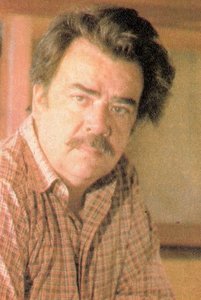
Luis Fernando Benedit
1937 - 2011 , Argentina
Основные сведения
- Artistic Movement Or Style: Nueva Figuración, Systems art
- Artists Or Movements Influenced By This Artist: ['Nueva Figuración']
- Artists Who Influenced This Artist: ['Cobra Movement']
- Date Of Birth: 1937-08-24
- Date Of Death: 2011
- Full Name: Luis Fernando Benedit
- Nationality: Argentine
- Notable Artworks:
- The Agriculture
- The Game
- Phytotron
- Place Of Birth: Buenos Aires, Argentina