

 Предпросмотр
 Поделиться
 Поделиться
 Детали произведения

 Скачать
 Похожие работы
 Рентгенография
 Слайд-шоу
 Статистика
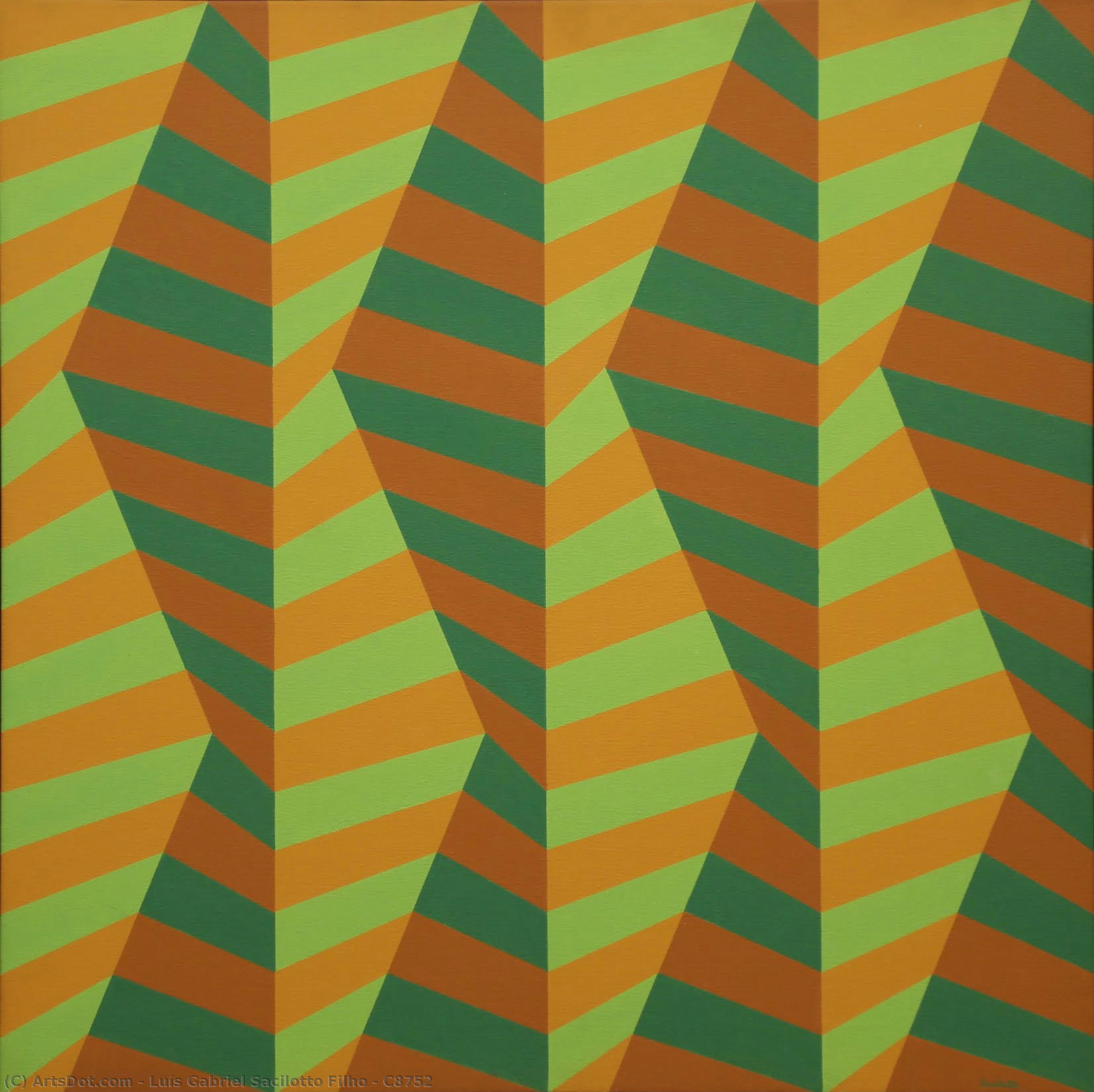
C8752


 Читать далее
Приобретите цифровое изображение высокого разрешения в улучшенном качестве, которое значительно превосходит онлайн-превью.
Каждый файл тщательно подготавливается нашими специалистами с использованием передовых инструментов и экспертной ручной ретуши. Мы гарантируем исключительную четкость, точную цветопередачу и детальную проработку каждого изображения.
Финальный файл доставляется по электронной почте в течение 72 часов и оптимизирован для немедленного использования в профессиональной среде, при верстке и печати. Это тот же уровень качества, которому доверяют ведущие дизайнерские студии, издательства и галереи.
Цифровое изображение
Скачайте файл высокого разрешения для личного использования, печати и творческих проектов. ( Перейти к печати Купить картину ручной работы)
Включено в каждый заказ цифровых изображений
Гарантия экспертной цифровой доставки
Выбирая ArtsDot.com, вы получаете не просто изображение — вы приобретаете профессионально обработанное цифровое произведение искусства, созданное с безупречной точностью и под защитой гарантии качества. Вот всё, что автоматически входит в ваш заказ:

Мгновенная доставка по e-mail
Ваш цифровой файл в высоком разрешении будет отправлен вам по электронной почте в течение 72 часов после оформления заказа — и сразу станет доступен для использования.

Цифровой файл с ИИ-улучшением
Ваше произведение искусства проходит профессиональную оптимизацию с использованием передовых инструментов ИИ и ручной обработки, что гарантирует максимальную детализацию, четкость и точность цветопередачи.

Бессрочная бесплатная повторная доставка
Случайно удалили или потеряли файл? Не беспокойтесь — мы отправим его вам повторно в любое время и совершенно бесплатно.

Без импортных пошлин — навсегда
Наслаждайтесь вашим произведением искусства мгновенно без таможенных пошлин, сборов или затрат на доставку — цифровые загрузки всегда не облагаются налогом.

Гарантия точности цветопередачи
Мы гарантируем, что ваше цифровое изображение максимально точно передает оригинальные цвета благодаря использованию профессиональных инструментов и систем управления цветом.

Гарантия удовлетворенности 100 дней
Если вы не будете удовлетворены своим цифровым изображением, мы внесем правки или вернем 100% стоимости в течение 100 дней — без лишних вопросов.

100% Гарантия возврата средств
Не удовлетворены покупкой? Получите полный возврат средств в течение 100 дней после получения цифрового файла — без лишних вопросов.

Скидки на оптовые заказы
Купите 3 изображения, сэкономьте 10% — Купите 5, сэкономьте 15% — Купите 10+, сэкономьте 20%. Отличное решение для творческих проектов, галерей и агентств.
A Geometric Symphony: Deconstructing C8752 by Luís Gabriel Sacilotto Filho
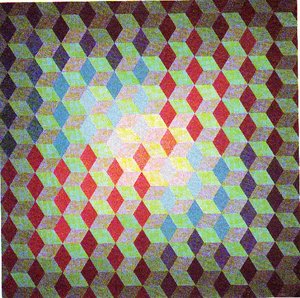
Luís Gabriel Sacilotto Filho’s “C8752,” painted in 1987, isn't merely a visual arrangement of shapes; it’s an invitation to contemplate the interplay between order and dynamism. This striking Op Art piece, rendered in a bold palette of greens and oranges, immediately commands attention with its dense field of repeating triangular forms. It’s a work that speaks volumes about the Brazilian modernism movement while simultaneously echoing the principles of geometric abstraction championed by artists like Piet Mondrian and Josef Albers.
The composition is meticulously structured around vertical columns of these triangles – a deliberate choice that creates an illusion of receding planes, a hallmark of Op Art. The sharp edges of each form are painted with precision, contributing to the work’s unsettling yet captivating sense of movement. It's as if the canvas itself vibrates with contained energy, pulling the viewer into its intricate grid. The artist masterfully utilizes color blocking; the stark contrast between the verdant greens and fiery oranges not only creates visual excitement but also subtly guides the eye through the composition, reinforcing the underlying geometric structure.
Decoding the Language of Form
Sacilotto’s technique is remarkably clean and controlled. The smooth, flat texture suggests an application of oil paints with a focus on achieving precise edges – a deliberate rejection of traditional brushwork in favor of a more reductive approach. This commitment to geometric accuracy aligns perfectly with the tenets of concrete art, a Brazilian movement that sought to strip away representational imagery and focus solely on the inherent properties of form and color. The work’s simplicity belies a sophisticated understanding of visual perception; it's a testament to how our brains actively interpret and organize information presented to us.
Echoes of Maurice Prendergast and Brazilian Modernism
Understanding Sacilotto’s artistic lineage is crucial to appreciating “C8752.” He was heavily influenced by Maurice Brazil Prendergast, a pivotal figure in Brazilian modern art known for his evocative depictions of urban life. Prendergast's work often explored the dynamism and complexity of the city through bold color palettes and geometric forms – a connection that’s clearly evident in Sacilotto’s approach. Furthermore, “C8752” reflects the broader context of Brazilian modernism, which sought to forge a distinctly national identity through experimentation with form, color, and subject matter, often drawing inspiration from European avant-garde movements while retaining a uniquely Brazilian sensibility.
Symbolic Resonance: Order and Illusion
While ostensibly abstract, “C8752” subtly evokes themes of order, precision, and the illusionary nature of perception. The repetitive geometric patterns can be interpreted as representing systems – perhaps the underlying structure of urban environments or even the human mind itself. The work’s deliberate lack of a clear focal point encourages viewers to engage with it on an intuitive level, allowing their own interpretations to shape their experience. It's not about *seeing* something specific; it’s about *feeling* the dynamic tension between form and space.
A Timeless Piece for Contemporary Spaces
“C8752” remains a compelling work of art today, demonstrating the enduring appeal of geometric abstraction. Its bold colors, precise execution, and captivating visual effects make it an ideal addition to both contemporary and classic interiors. Reproductions offer a wonderful opportunity to bring this dynamic composition into your home or office, injecting a touch of Brazilian modernism and Op Art intrigue into any space.
Похожие произведения

Биография художника
Maurice Prendergast: A Mosaic of Modern Life
Maurice Brazil Prendergast, born in 1858 in the remote trading post of St. John’s, Newfoundland, was an American artist whose distinctive style—a vibrant blend of Impressionism and Post-Impressionism—captured the essence of modern urban life with remarkable sensitivity. His career, spanning nearly four decades, saw him evolve from a commercial artist apprenticed to a package wrapper in Boston to a respected figure within the burgeoning American art scene, ultimately finding a unique voice that resonated with both European avant-garde movements and the evolving sensibilities of his native country. Prendergast’s life was marked by a quiet intensity, shaped by early experiences in a harsh environment and punctuated by periods of profound personal reflection, all reflected in the luminous quality and intricate detail of his paintings.Early Life and Artistic Beginnings
Prendergast's childhood in Newfoundland instilled within him an appreciation for color and pattern—elements that would become central to his artistic language. The vibrant hues of the landscape, the textures of native crafts, and the rhythms of daily life provided a rich visual vocabulary. Following his family’s relocation to Boston, he received a formal apprenticeship as a commercial artist, a training that initially focused on producing practical designs for goods packaging. However, this experience inadvertently honed his eye for color and composition—skills that would later prove invaluable in his pursuit of artistic expression. Crucially, Prendergast's exposure to the Impressionist paintings of Childe Hassam, a Boston contemporary, profoundly influenced his approach to capturing light and atmosphere. This early influence laid the groundwork for his distinctive style, characterized by broken color and an emphasis on surface texture.Parisian Influences and Artistic Development
In 1891, Prendergast embarked on a transformative journey to Paris, a hub of artistic innovation at the time. He enrolled in studies at the Académie Colarossi and the Académie Julian, immersing himself in the vibrant art scene and encountering a diverse range of artistic styles. It was during this period that he met James Morrice, a fellow American artist who introduced him to the English avant-garde—artists like Walter Sickert and Aubrey Beardsley—whose experimental approaches to form and color challenged traditional conventions. Prendergast’s time in Paris wasn't merely an academic pursuit; it served as a catalyst for profound artistic growth. He began to experiment with techniques such as monotype, creating unique prints that captured fleeting moments of light and shadow. His palette became increasingly bold and chromatic, reflecting the influence of Neo-Impressionism and the emerging Symbolist movement.A Distinctive Style: Mosaic Patterns and Urban Scenes
Prendergast’s artistic signature lies in his distinctive style—a captivating synthesis of Impressionistic color and Post-Impressionistic structure. He eschewed traditional perspective, instead employing a technique he described as “mosaic painting,” breaking down forms into small, interlocking planes of color that shimmered with reflected light. This approach created an illusion of depth and movement, transforming ordinary urban scenes—street corners, department stores, parks—into vibrant tapestries of color and texture. His subjects often included glimpses of modern life: busy city streets, elegant ladies in fashionable attire, and the quiet moments of everyday existence. His paintings are not merely representations of these scenes; they are imbued with a sense of atmosphere and emotion, capturing the fleeting beauty of the urban landscape.Legacy and Historical Significance
Despite his significant contributions to American art, Prendergast remained largely outside the mainstream artistic circles of his time. He was associated with “The Eight,” a group of early 20th-century American artists who challenged academic conventions and explored new forms of expression—a movement that often struggled for recognition during its formative years. However, in retrospect, Prendergast’s work is increasingly recognized for its originality and influence. His innovative use of color and texture paved the way for later developments in American modernism, while his sensitive portrayal of urban life offered a unique perspective on the changing landscape of the early 20th century. Today, Maurice Prendergast's paintings are treasured for their luminous beauty, intricate detail, and evocative depiction of the modern world—a testament to an artist who quietly but powerfully shaped the course of American art.
luís gabriel sacilotto filho
1924 - 2003