

 Предпросмотр
 Поделиться
 Поделиться
 Детали произведения

 Скачать
 Похожие работы
 Рентгенография
 Слайд-шоу
 Статистика
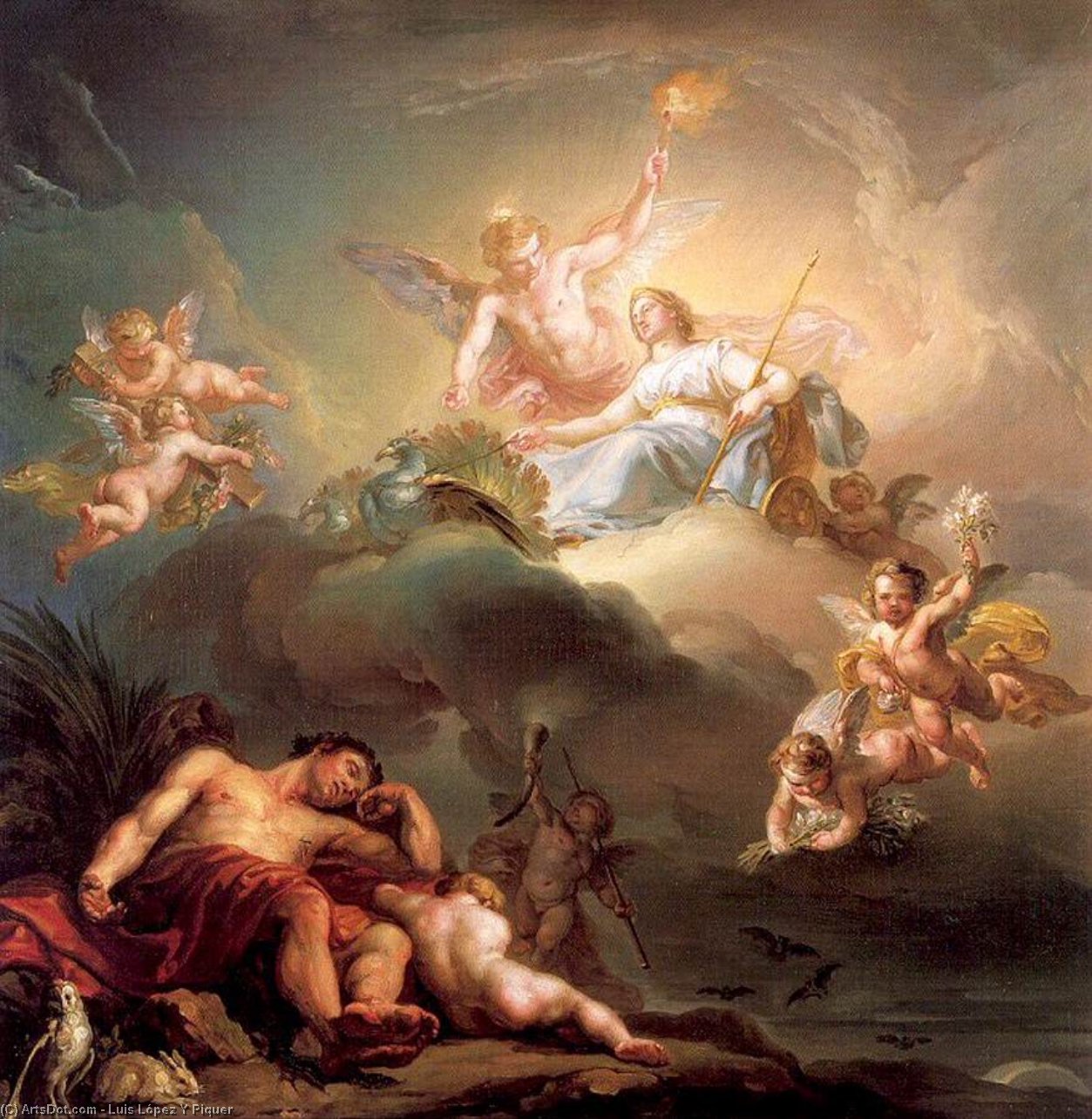
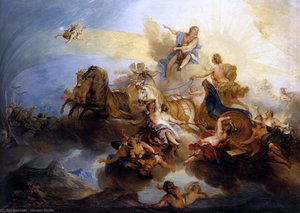
The Goddess Juno in the House of Dreams


 Читать далее
Масляная репродукция ручной работы
Картина маслом на холсте в выбранном вами размере и раме, написанная на заказ нашими художниками. ( Перейти к печати Перейти к цифровым изображениям)




P118B $10

P118H $10

P118W $10

P438Z $10

P508JH $12

P508YH $12

P805H $10

P805Z $10

P919BZ $10

P919G $10

P919XJ $10

P959ZH $10

P968JZ $12

W106C $8

W218G $10

W218JH $8

W218Y $10

W307PJ $10

W316G $10

W316PJ $8

W316Y $10

W398PJ $8

W4111J $10

W500HY $15

W500JH $15

W692G $12

W849H $8

W940BG $15

W953PJ $8




Выберите один из наших стандартных размеров, соответствующих оригинальным пропорциям произведения искусства.

Вы можете указать собственные размеры, чтобы картина идеально вписалась в выбранную раму или пространство. Если выбранный вами размер не соответствует пропорциям оригинала, мы либо обрежем полотно, либо расширим его за счет дополнительных элементов, написанных вручную. Цифровой макет будет отправлен вам на утверждение перед началом производства.
Обратите внимание, что предварительный просмотр на экране не отражает фактическую обрезку или расширение. Только макет точно покажет окончательную композицию.
Хотя доступны индивидуальные размеры, мы рекомендуем выбирать вариант из предопределенного списка, чтобы сохранить исходные пропорции.
После оформления заказа команда ArtsDot.com свяжется с клиентом по электронной почте для уточнения деталей и предоставит предварительный макет
Доставка по всему миру () за 3–4 недели вместо стандартных 5 недель. (13 Сентябрь). Без компромиссов в качестве.

Бесплатная экспресс-доставка по всему миру

Высококачественный льняной холст

Полное страхование доставки

Гарантия возмещения таможенных пошлин

Гарантия точного соответствия цветов

100-дневная политика возврата (только при обнаружении дефектов)

Гарантия возврата 100% средств

Предложение оптовых скидок
 Вариант со стеклом доступен только для размеров менее 110 см

The Goddess Juno in the House of Dreams
Техника репродукции
Размер репродукции
-


Итоговая стоимость
$ 263
A Celestial Vision: The Ethereal Realm of Juno
In the quiet, luminous depths of Luis López y Piquer’s masterpiece, The Goddess Juno in the House of Dreams, the boundary between the mortal and the divine dissolves into a soft, atmospheric haze. This breathtaking composition invites the viewer into a sanctuary of slumber and myth, where the Roman queen of the gods resides amidst a celestial assembly. The scene is far more than a mere mythological tableau; it is an evocative exploration of peace, captured during the delicate transition of a cloudy day. As light filters through an unseen sky, it bathes the goddess in a gentle radiance, highlighting her central role as the heart of this dreamscape. Surrounding her, a host of angels and cherubs drift through the space like whispers of light, their watchful presence adding a layer of protective sanctity to the atmosphere. The painting captures a profound sense of stillness, where even the movement of a single bird perched nearby feels like a sacred part of the unfolding dream.
The composition is masterfully balanced, guiding the eye through a narrative of rest and observation. While Juno remains the focal point, the artist populates the room with figures in various states of repose—some lying down in deep, undisturbed sleep, others sitting in quiet contemplation, and some standing as silent sentinels of the dream world. This interplay of figures creates a rhythmic, almost musical quality to the piece, much like a lullaby rendered in oil. For the discerning collector or interior designer, this work offers a unique emotional depth; it does not merely decorate a wall but transforms a room into a space of tranquility and introspection, making it an ideal centerpiece for environments designed for relaxation and sophisticated calm.
The Alchemy of Light and Line
Technically, The Goddess Juno in the House of Dreams serves as a brilliant testament to López y Piquer’s ability to synthesize the dramatic intensity of the Baroque with the refined clarity of Neoclassicism. Having been trained in the Valencian tradition, the artist employs a sophisticated use of chiaroscuro—the dramatic interplay of light and shadow—to sculpt the forms of the heavenly beings. This technique lends a palpable three-dimensionality to the flesh of the cherubs and the heavy, dream-laden atmosphere of the room. However, unlike the darker, more turbulent shadows of his predecessors, López y Piquer introduces a Neoclassical lightness, where the edges are softened by an ethereal glow, and the anatomical precision of the figures reflects an idealized beauty.
The brushwork is meticulous, particularly in the rendering of textures—the softness of skin, the delicate feathers of the angels, and the subtle weight of the clouds visible through the scene. This level of detail ensures that every time one views a high-quality reproduction of this work, new nuances emerge. The artist’s mastery over light allows him to create a sense of "breathing vitality," where the shadows do not merely obscure but rather define the very essence of the dream. For those seeking to invest in art that embodies both historical significance and technical perfection, this painting stands as a beacon of nineteenth-century Spanish excellence, offering a timeless elegance that transcends the era of its creation.
A Legacy of Myth and Emotion
Beyond its technical brilliance, the painting resonates with a profound symbolic weight. The "House of Dreams" serves as a metaphor for the subconscious, a place where the divine and the human intersect in the quietude of sleep. Juno, as a symbol of majesty and protection, anchors the composition, providing a sense of security amidst the swirling, ephemeral nature of dreams. The presence of the angels suggests a universe that is watched over, an idea that provides immense emotional comfort to the viewer. This sense of peace is what makes the piece so enduringly popular among those who curate spaces intended for luxury and spiritual repose.
To possess a reproduction of this work is to bring a fragment of Spanish Romanticism into the modern home. It is an invitation to slow down, to breathe, and to contemplate the beauty of the unseen. Whether placed in a grand salon or a private study, The Goddess Juno in the House of Dreams acts as a window into a more serene epoch, bridging the gap between the historical grandeur of the Habsburg era and the contemporary desire for aesthetic harmony and emotional sanctuary.
Похожие произведения

Биография художника
The Master of Light and Line: The Life of Luis López y Piquer
In the grand tapestry of nineteenth-century Spanish art, few threads are woven with as much precision and dramatic flair as those left by Luis López y Piquer. Born in the vibrant cultural landscape of Valencia in 1802, López y Piquer emerged as a painter who could bridge the gap between two seemingly opposing worlds: the theatrical, shadow-drenched intensity of the Baroque and the disciplined, idealized clarity of Neoclassicism. His journey was one of constant refinement, beginning with the foundational teachings of José Luzán Aragón, which anchored him in the Valencian tradition. This early immersion provided him with a profound understanding of chiaroscuro, the art of manipulating light to sculpt form out of darkness, a technique that would later lend his portraits an almost breathing vitality.
As his talent matured, López y Piquer sought horizons beyond the borders of Spain. His pilgrimage to Rome was a transformative epoch in his career. Under the guidance of Francesco Saverio Salviati, he moved away from regional idiosyncrasies and embraced the sweeping intellectual currents of the era. He became enamored with the principles of Neoclassicism, drawing inspiration from the monumental works of Antonio Canova and the rigorous compositions of Jacques-Lous David. This evolution allowed him to infuse his work with a sense of timelessness, where anatomical perfection met a restrained, noble emotion. The result was a style that did not merely record a face, but rather elevated his subjects to a state of eternal dignity.
A Legacy of Royal Grandeur and Meticulous Realism
The true hallmark of López y Piquer’s oeuvre lies in his unparalleled ability to capture the essence of status and soul through meticulous detail. He was a master of the medium, utilizing oil on canvas to create surfaces that shimmered with life. His brushwork was characterized by an extraordinary attention to the tactile world; one can almost feel the weight of heavy velvet, the cold smoothness of pearls, and the intricate lace of aristocratic garments. This dedication to realism served a higher purpose in his royal commissions, where he was tasked with projecting the majesty of the Habsburg monarchy and the elegance of the European elite.
His repertoire showcases a remarkable versatility that spans from the mythological to the deeply personal:
- The Divine and Mythological: In works such as The Goddess Juno in the House of Dreams, he demonstrated his ability to weave Baroque grandeur with Neoclassical precision, creating dreamlike atmospheres where celestial figures inhabit a space of soft light and ethereal beauty.
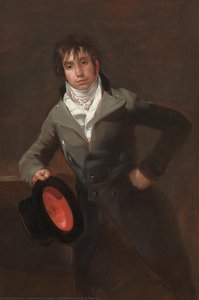
- Royal Portraiture: His Portrait of the Queen of the Two Sicilies stands as a testament to his skill in royal iconography, utilizing dramatic lighting and symbolic elements to convey the sovereign power and grace of his subject.
- Intimate Realism: Beyond the halls of palaces, his portraits of the Spanish nobility, such as the 1842 depiction of Doña Dolores Caldes de Monserrat, reveal a more romantic and tender side of his technique, capturing timeless elegance through subtle expressions and soft, luminous skin tones.
Ultimately, the historical significance of Luis López y Piquer lies in his role as a stylistic bridge. He navigated the transition from the dramatic shadows of the past to the structured clarity of the modern age, leaving behind a body of work that remains a cornerstone of Spanish Romanticism. His ability to marry the psychological depth of a portrait with the technical perfection of classical training ensures that his name continues to resonate within the halls of art history, inviting every viewer to witness the splendor of a bygone era.
luis lópez y piquer
1802 - 1865 , Spain
Основные сведения
- Artistic Movement Or Style: Neoclassical Painting
- Artists Or Movements Influenced By This Artist: ['El Greco']
- Artists Who Influenced This Artist: ['Goya']
- Date Of Birth: Valencia, Spain (1802)
- Date Of Death: 1865
- Full Name: Luis López y Piquer
- Nationality: Spanish
- Notable Artworks:
- Portrait of the Queen of the Two Sicilies
- The Goddess Juno in the House of Dreams
- Portrait of Don Francisco Ignacio de Monserrat
- Place Of Birth: Valencia
Похожие статьи

10 Шедевров Барокко: Искусство, изменившее мир | ArtsDot.com
Погрузитесь в мир барокко! 10 шедевров Караваджо, Рембрандта и других великих художников. Узнайте историю создания культовых картин и найдите идеальную репродукцию для вашего интерьера на ArtsDot.com

Топ-25 шедевров Гойи: от придворного портрета до мрачных пророчеств | ArtsDot
Погрузитесь в мир гения Франсиско Гойи! 🎨 От придворных портретов до мрачных "Капричос" – исследуйте топ-25 шедевров испанского романтизма. Купите репродукции картин Гойи музейного качества на ArtsDot.com и украсьте свой интерьер искусством.

The Dramatic Flourish: Exploring the Baroque Movement's Enduring Legacy in Art History
Explore the dramatic world of Baroque art! Discover iconic artists like Caravaggio & Rubens, defining techniques, and its lasting impact on art history. Expert insights for collectors & enthusiasts at ArtsDot.

Барочная драма: Искусство величия в современном интерьере
Погрузитесь в мир роскоши и величия барокко! Узнайте об истории стиля, ключевых элементах интерьера и архитектуре. Вдохновляйтесь с и создайте свой неповторимый дизайн.

The Golden Age Reforged: Dramatic Realism & Religious Zeal in Spanish Baroque Art
Explore the dramatic world of Spanish Baroque art! Discover masters like Zurbarán & the powerful influence of religious zeal on painting techniques – a guide for collectors and enthusiasts.