

 Предпросмотр
 Поделиться
 Поделиться
 Детали произведения

 Скачать
 Похожие работы
 Рентгенография
 Слайд-шоу
 Статистика
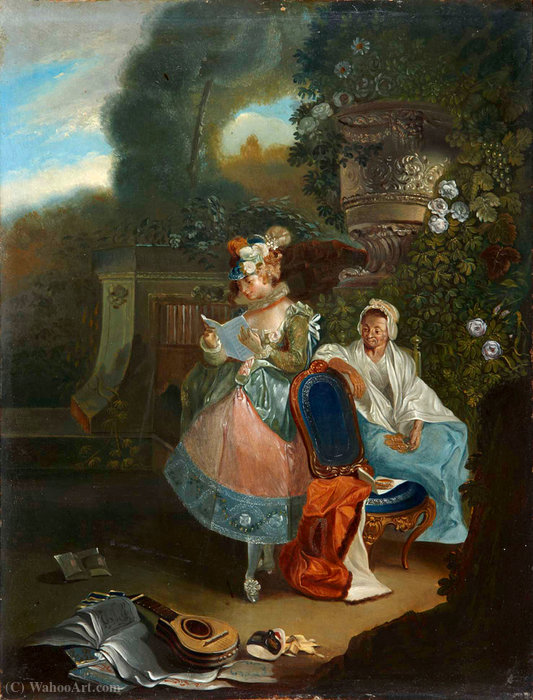
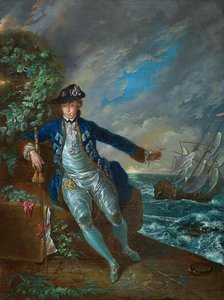
The letter
 Читать далее
Жикле / Арт-принт
Печать (жикле) или холст музейного качества с быстрыми сроками изготовления и широким выбором вариантов отделки. ( Купить картину ручной работы Перейти к цифровым изображениям)




































Выберите один из наших стандартных размеров, соответствующих оригинальным пропорциям произведения искусства.

Вы можете указать свои собственные размеры, чтобы репродукция идеально подошла под конкретную раму или пространство. Если выбранный вами размер не будет соответствовать пропорциям оригинала, мы либо обрежем произведение, либо дополним изображение зеркальным отражением краев или однотонной заливкой. Перед началом производства вам будет отправлен цифровой макет для утверждения.
Пожалуйста, обратите внимание, что предварительный просмотр на экране не отображает фактическую обрезку или расширение изображения. Только макет точно покажет финальную композицию.
Несмотря на возможность заказа индивидуальных размеров, мы рекомендуем выбирать размер из предопределенного списка, чтобы сохранить оригинальные пропорции.
Доставка по всему миру () за 2 недели вместо стандартных 4/5 недель. (12 Сентябрь)

Бесплатная экспресс-доставка по всему миру

Высококачественный льняной холст

Полное страхование доставки

Гарантия возмещения таможенных пошлин

Гарантия точного соответствия цветов

100-дневная политика возврата (только при обнаружении дефектов)

Гарантия возврата 100% средств

Предложение оптовых скидок
 Вариант со стеклом доступен только для размеров менее 110 см

The letter
Жикле / Арт-принт
Размер репродукции
-


Итоговая стоимость
$ 62
Похожие произведения







Биография художника
A Rococo Visionary: The Luminous World of Luis Paret y Alcázar
In the vibrant, sun-drenched tapestry of 18th-century Spain, few artists captured the delicate interplay of light and social elegance as masterfully as Luis Paret y Alcázar. A true visionary of the late Baroque and Rococo periods, Paret possessed a rare ability to transform the mundane into the magnificent. His life, spanning from his birth in Madrid in 1746 to his passing in 1799, was a journey through the heart of Spanish cultural evolution. Through his brush, the rigid structures of tradition met the airy, whimsical spirit of the Rococo, creating a body of work that remains a shimmering window into an era of profound transformation.
Paret’s artistic foundation was laid within the prestigious halls of the Academia Real de San Fernando. Under the tutelage of Antonio González Velázquez, he absorbed the rigorous techniques of the Spanish tradition, yet his spirit yearned for something more cosmopolitan. This thirst for innovation led him to the studio of the French painter Charles de la Traverse. This pivotal association introduced Paret to French artistic sensibilities, infusing his work with a certain je ne sais quoi—a lightness and grace that would become his hallmark. His early academic triumphs, including winning first prize in a prestigious painting contest in 1766, signaled the arrival of a prodigious talent capable of bridging the gap between Spanish gravity and European elegance.
The Art of the Vedute and the Spirit of Place
One of Paret’s most enduring legacies lies in his mastery of the vedute—detailed, panoramic landscapes that serve as topographical chronicles of the Spanish empire. He was a painter of ports and horizons, capturing the bustling maritime life of locations such as Cádiz and Puerto Rico with an almost scientific precision tempered by artistic soul. These works were more than mere maps; they were atmospheric evocations of a world in motion. In his depictions of harbors, one can sense the salt spray and the rhythmic pulse of trade, rendered through a meticulous attention to detail that celebrates both the grandeur of the landscape and the intricate machinery of human commerce.
Beyond the sweeping vistas, Paret found profound beauty in the intimate "bambochadas"—genre scenes that offered nuanced portrayals of everyday life. These compositions often featured the upper echelons of society engaged in refined leisure, such as the captivating Elegant Company Preparing for a Masked Ball. In these moments, Paret utilized a palette of soft colors and luminous light to evoke the textures of silk, lace, and powdered skin. His ability to render the opulent spirit of the court, seen in works like Charles III Dining Before the Court, allowed him to document the social dynamics of Enlightenment Spain with unparalleled grace.
Legacy and Artistic Significance
The significance of Luis Paret y Alcázar extends far beyond the borders of Spain. His influence traveled across oceans, notably shaping the trajectory of Puerto Rican art through his pupil, José Campeche. Even when faced with the political upheavals that led to periods of exile, Paret’s commitment to his craft remained unshakable. His technical versatility—ranging from the delicate precision of pen and ink studies to the vibrant, luminous quality of oil on copper—demonstrates an artist who was constantly pushing the boundaries of his medium.
Today, the works of Paret, many of which are preserved in the hallowed halls of the Museo del Prado, serve as essential touchstones for understanding the transition from the dramatic shadows of the Baroque to the light-filled optimism of the Rococo. He remains a celebrated figure whose oeuvre captures the very essence of an age: a period defined by a search for beauty, a fascination with the new, and an enduring reverence for the elegance of the human experience.
luis paret y alcázar
1746 - 1799
Основные сведения
- Artistic Movement Or Style: Rococo
- Artists Or Movements Influenced By This Artist: ['Charles de la Traverse']
- Artists Who Influenced This Artist: ['Antonio González Velázquez']
- Date Of Death: 1799
- Full Name: Luis Paret y Alcázar
- Nationality: Spanish
- Notable Artworks:
- Village Scene and View of Fuenterrabia
- Esperando los Reyes
- Place Of Birth: Madrid, Spain