

 Предпросмотр
 Поделиться
 Поделиться
 Детали произведения

 Скачать
 Похожие работы
 Рентгенография
 Слайд-шоу
 Статистика
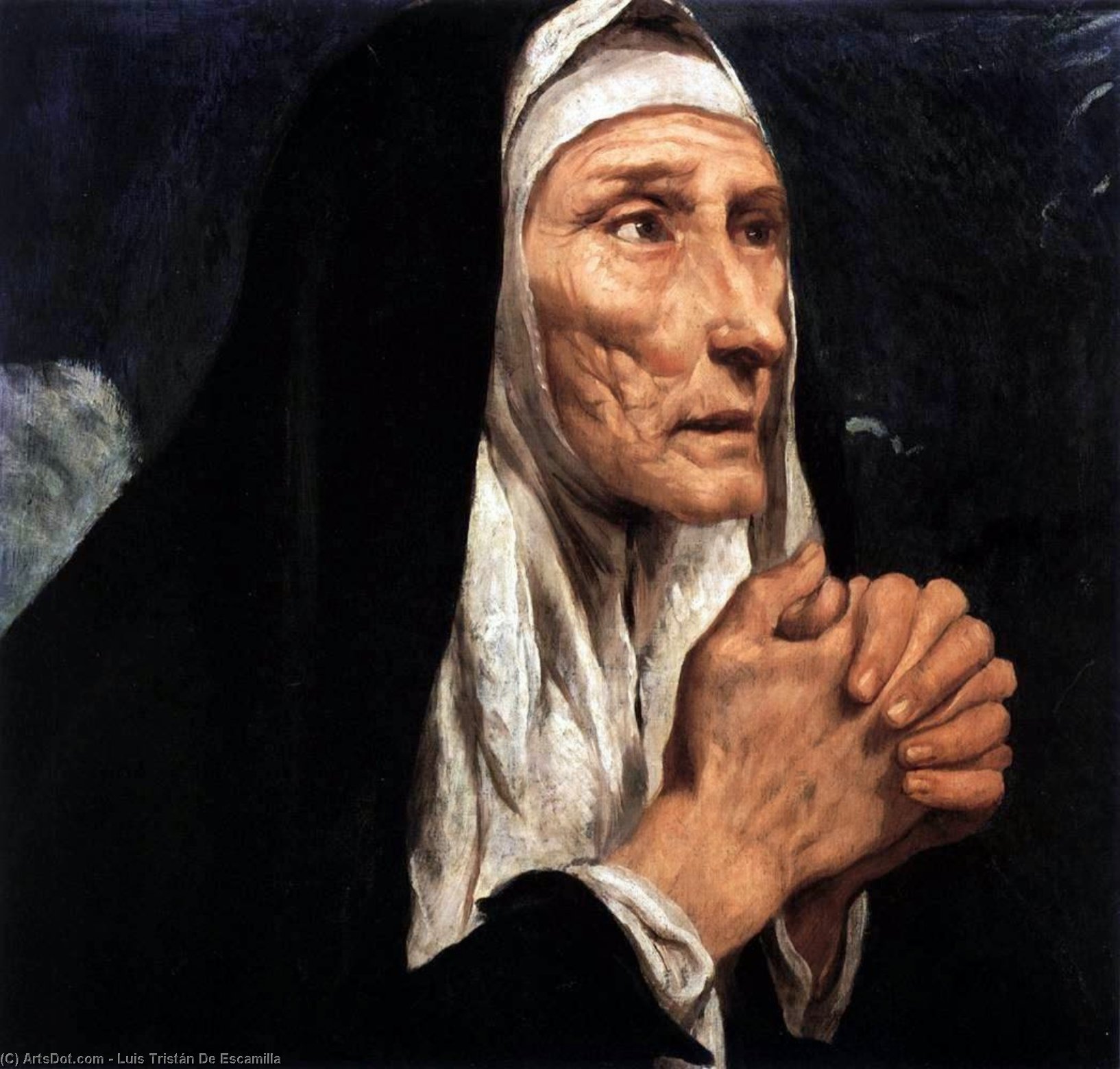
St Monica
 Oil On Canvas
- WallArt
- Mannerist
 1616
1616- Early Modern
 40.0 x 42.0 cm
 Музей Прадо
 Читать далее
Приобретите цифровое изображение высокого разрешения в улучшенном качестве, которое значительно превосходит онлайн-превью.
Каждый файл тщательно подготавливается нашими специалистами с использованием передовых инструментов и экспертной ручной ретуши. Мы гарантируем исключительную четкость, точную цветопередачу и детальную проработку каждого изображения.
Финальный файл доставляется по электронной почте в течение 72 часов и оптимизирован для немедленного использования в профессиональной среде, при верстке и печати. Это тот же уровень качества, которому доверяют ведущие дизайнерские студии, издательства и галереи.
Цифровое изображение
Скачайте файл высокого разрешения для личного использования, печати и творческих проектов. ( Перейти к печати Купить картину ручной работы)
Включено в каждый заказ цифровых изображений
Гарантия экспертной цифровой доставки
Выбирая ArtsDot.com, вы получаете не просто изображение — вы приобретаете профессионально обработанное цифровое произведение искусства, созданное с безупречной точностью и под защитой гарантии качества. Вот всё, что автоматически входит в ваш заказ:

Мгновенная доставка по e-mail
Ваш цифровой файл в высоком разрешении будет отправлен вам по электронной почте в течение 72 часов после оформления заказа — и сразу станет доступен для использования.

Цифровой файл с ИИ-улучшением
Ваше произведение искусства проходит профессиональную оптимизацию с использованием передовых инструментов ИИ и ручной обработки, что гарантирует максимальную детализацию, четкость и точность цветопередачи.

Бессрочная бесплатная повторная доставка
Случайно удалили или потеряли файл? Не беспокойтесь — мы отправим его вам повторно в любое время и совершенно бесплатно.

Без импортных пошлин — навсегда
Наслаждайтесь вашим произведением искусства мгновенно без таможенных пошлин, сборов или затрат на доставку — цифровые загрузки всегда не облагаются налогом.

Гарантия точности цветопередачи
Мы гарантируем, что ваше цифровое изображение максимально точно передает оригинальные цвета благодаря использованию профессиональных инструментов и систем управления цветом.

Гарантия удовлетворенности 100 дней
Если вы не будете удовлетворены своим цифровым изображением, мы внесем правки или вернем 100% стоимости в течение 100 дней — без лишних вопросов.

100% Гарантия возврата средств
Не удовлетворены покупкой? Получите полный возврат средств в течение 100 дней после получения цифрового файла — без лишних вопросов.

Скидки на оптовые заказы
Купите 3 изображения, сэкономьте 10% — Купите 5, сэкономьте 15% — Купите 10+, сэкономьте 20%. Отличное решение для творческих проектов, галерей и агентств.
A Meditation in Serenity: Exploring St Monica
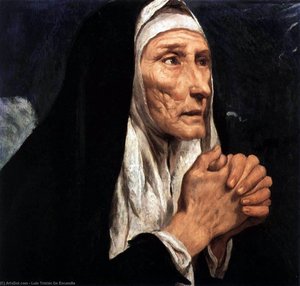
To gaze upon this portrait of St Monica is to encounter a profound stillness, a visual hymn dedicated to enduring faith. The subject, depicted with her hands clasped in earnest prayer, immediately draws the viewer into an atmosphere of deep contemplation. Her countenance, etched with the delicate lines of age and experience, speaks volumes of a life lived in devotion. Clad in the simple dignity of a long white veil, she embodies the quiet strength characteristic of religious figures throughout history. The artist has masterfully captured not merely a likeness, but a state of being—a soul at rest before the divine.
The Hand of Luis Tristán de Escamilla
This evocative piece hails from 1616 and bears the signature touch of Luis Tristán de Escamilla. A pivotal figure in Spanish Mannerism, Tristán’s career is fascinatingly intertwined with the artistic currents of his time, showing a clear lineage from both El Greco's spiritual intensity and the emerging realism championed by Caravaggio. His ability to synthesize these powerful influences results in work that feels both deeply traditional and startlingly modern. When considering a reproduction of this painting for your space, you are acquiring a piece steeped in the sophisticated dialogue between spiritual fervor and naturalistic technique.
Technique and Atmosphere: The Sky Above
Observe how the background interacts with the figure. It is not merely an empty void; rather, it unfolds as a dramatic sky filled with luminous clouds. This celestial backdrop serves to lift the portrait from mere earthly depiction into something transcendent. Tristán employs light—that quintessential element of Caravaggism—to illuminate St Monica’s face and hands, creating a palpable sense of depth and focus. The contrast between the soft luminosity catching her veil and the dramatic sweep of the sky imbues the entire composition with an almost breath-taking dimension. It is a study in chiaroscuro applied to spiritual narrative.
Symbolism and Emotional Resonance
St Monica herself carries immense symbolic weight, often representing perseverance, maternal devotion, and unwavering prayer for salvation. The act of praying, rendered so tenderly here, invites the contemporary viewer to pause their own hurried pace and reflect on personal moments of quiet reckoning. For collectors or those designing a space meant for reflection—perhaps a study, a chapel niche, or a grand drawing-room corner—this artwork offers an immediate emotional anchor. It whispers of resilience, suggesting that even in the face of life's deepest concerns, there remains the solace found in faith and contemplation.
Похожие произведения


Биография художника
The Shadow of El Greco: The Formative Years in Toledo
In the winding, sun-drenched streets of Toledo, a city where history breathes through every stone, the life of Luis Tristán de Escamilla began amidst a profound atmosphere of religious fervor and artistic tradition. Born into a family of merchants and artisans around 1585, Tristán was destined to become a pivotal figure in the Spanish Mannerist movement. His early years were defined by an intimate connection to the masters of his era, most notably through his apprenticeship in the workshop of El Greco between 1603 and 1607. This period of mentorship was transformative; Tristán did not merely learn technique, but absorbed a visual language of spiritual depth and dramatic tension. In those early canvases, one can see him meticulously replicating the elongated figures and expressive chiaroscuro that characterized his teacher’s hand, creating works so closely aligned with El Greco's style that many were historically attributed to the master himself.
As a primary follower of El Greco’s legacy, alongside Jorge Manuel Theotocópuli, Tristán acted as a bridge between the fading echoes of Mannerism and the rising tide of a new aesthetic. His early development was marked by this tension—a struggle to maintain the spiritual, almost otherworldly elegance of the late Renaissance while beginning to grasp the visceral realism that would soon define his mature period.
A Journey Through Light: The Italian Influence and Caravaggisti Innovation
The trajectory of Tristán’s artistic soul underwent a radical shift around 1603 when he embarked on a transformative voyage to Italy. This pilgrimage, which saw him traversing the great artistic hubs of Rome and Naples, irrevocably altered his brushwork. In the heart of Italy, Tristán encountered the burgeoning Caravaggisti movement, a revolution in painting that favored stark realism and theatrical lighting over the idealized forms of the past. The influence of Caravaggio’s dramatic interplay between light and shadow began to seep into his compositions, replacing the ethereal glow of Toledo with a more grounded, tactile intensity.
Upon his return to Spain around 1613, Tristán brought with him a sophisticated synthesis of styles. He had successfully merged the spiritual, elongated grace of the Spanish Mannerist tradition with the gritty, emotive realism of the Italian Baroque. This unique stylistic fusion allowed him to create works that were simultaneously contemplative and profoundly human. His mastery of texture and light is evident in pieces such as The Bread and Egg Watch, where rich textures and layered realism evoke a sense of seventeenth-century compassion, or his Adoration of the Magi, which showcases an exquisite Baroque detail and symbolic depth.
A Legacy Etched in Shadow and Devotion
Though his life was tragically cut short at the age of thirty-nine in 1624, the impact of Luis Tristán de Escamilla remains etched in the annals of Spanish art. He stood as a vanguard artist, navigating the complex transition from the stylistic disquiet of Mannerism to the emotional grandeur of the Baroque. His ability to capture the somber dignity of his subjects—seen in the meticulous rendering of Portrait of Félix Lope de Vega or the serene, prayerful countenance of St. Monica—demonstrates a profound understanding of human emotion and spiritual devotion.
Tristán’s historical significance lies in his role as an artistic conduit. He did not simply follow a single school; rather, he synthesized disparate movements into a cohesive, uniquely Spanish vision. His works continue to reside in some of the world's most prestigious collections, from the Museo de Santa Cruz in Toledo to the Hermitage Museum in St. Petersburg, serving as enduring testaments to a life spent chasing the divine through the medium of light and shadow.
luis tristán de escamilla
1586 - 1624
Основные сведения
- Artistic Movement Or Style: Mannerism
- Artists Or Movements Influenced By This Artist: ['Caravaggisti']
- Artists Who Influenced This Artist: ['El Greco']
- Date Of Death: 1624
- Full Name: Luis Tristán de Escamilla
- Nationality: Spanish
- Notable Artworks:
- Saint Louis Distributing Alms.
- The Round of Bread and Eggs.
- Place Of Birth: Toledo, Spain