

 Предпросмотр
 Поделиться
 Поделиться
 Детали произведения

 Скачать
 Похожие работы
 Рентгенография
 Слайд-шоу
 Статистика
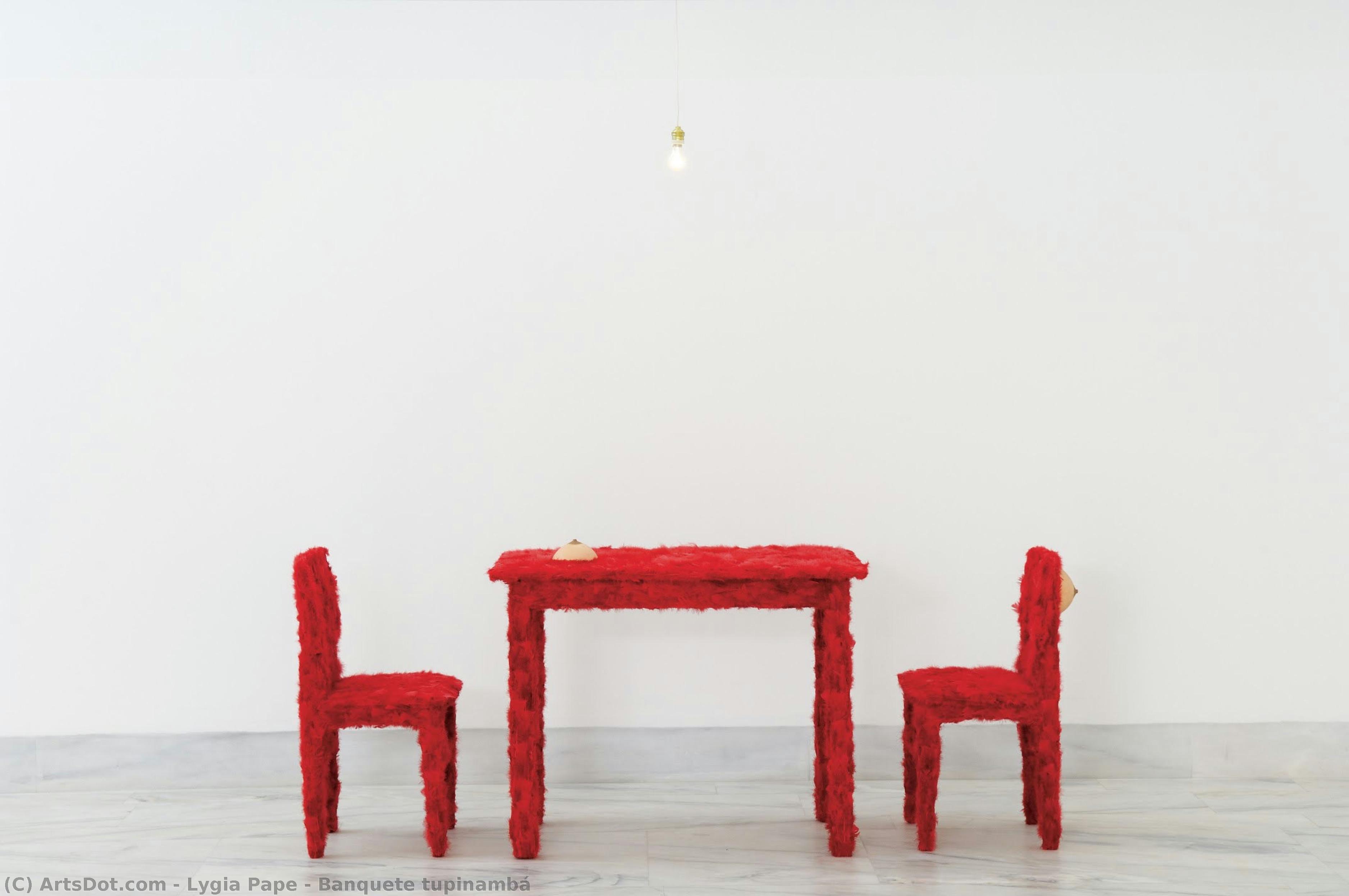
Banquete tupinambá
 2000
2000 77.0 x 140.0 cm
 Culturgest - Fundação Caixa Geral de Depósitos
 Читать далее
Жикле / Арт-принт
Печать (жикле) или холст музейного качества с быстрыми сроками изготовления и широким выбором вариантов отделки. ( Купить картину ручной работы Перейти к цифровым изображениям)




































Выберите один из наших стандартных размеров, соответствующих оригинальным пропорциям произведения искусства.

Вы можете указать свои собственные размеры, чтобы репродукция идеально подошла под конкретную раму или пространство. Если выбранный вами размер не будет соответствовать пропорциям оригинала, мы либо обрежем произведение, либо дополним изображение зеркальным отражением краев или однотонной заливкой. Перед началом производства вам будет отправлен цифровой макет для утверждения.
Пожалуйста, обратите внимание, что предварительный просмотр на экране не отображает фактическую обрезку или расширение изображения. Только макет точно покажет финальную композицию.
Несмотря на возможность заказа индивидуальных размеров, мы рекомендуем выбирать размер из предопределенного списка, чтобы сохранить оригинальные пропорции.
Доставка по всему миру () за 2 недели вместо стандартных 4/5 недель. (11 Сентябрь)

Бесплатная экспресс-доставка по всему миру

Высококачественный льняной холст

Полное страхование доставки

Гарантия возмещения таможенных пошлин

Гарантия точного соответствия цветов

100-дневная политика возврата (только при обнаружении дефектов)

Гарантия возврата 100% средств

Предложение оптовых скидок
 Вариант со стеклом доступен только для размеров менее 110 см

Banquete tupinambá
Жикле / Арт-принт
Размер репродукции
-


Итоговая стоимость
$ 62
Похожие произведения

Биография художника
Early Life and Education
- Born: April 7, 1927, Nova Friburgo, Brazil
- Died: May 3, 2004, Rio de Janeiro, Brazil
- Studied philosophy at the Universidade Federal do Rio de Janeiro (UFRJ).
- Received informal training in fine arts and studied with Fayga Ostrower at the Museu de Arte Moderna do Rio de Janeiro.
- Began her artistic journey around 1950, influenced by European constructivism.
The Concrete and Neo-Concrete Movements
- Concrete Art: Joined the Concrete art movement in the early 1950s, embracing geometric shapes and materiality.
- Grupo Frente: Co-founded Grupo Frente in 1952 with Ivan Serpa, Hélio Oiticica, and Aluíso Carvão. This group rejected Brazilian modernism's figuration and nationalism.
- Neo-Concrete Movement: A key figure in the emergence of the Neo-Concrete movement in the late 1950s. This movement moved away from pure rationalism, incorporating sensuality, color, and poetic feeling.
- Manifesto: Co-signed the Neo-Concrete manifesto with Lygia Clark and Hélio Oiticica, advocating for viewer interaction and phenomenological experiences.
Key Works and Artistic Development
- Tecelares Series (1950s): A series of wood prints featuring planes of black ink and thin lines, evoking handiwork and a connection to Brazilian culture. These works explored the concept of "magnetized space."
- Livro da Criação (Book of Creation) (1959): A part-book-part-sculptural work designed to narrate the genesis of the world, allowing viewers to manipulate pages and create unique narratives.
- Livro do tempo (Book of Time) (1961–63): Consisted of 365 three-dimensional units representing each day of the year.
- Neoconcrete Ballets (late 1950s): Performance pieces involving dancers in colored costumes, exploring movement and space.
- Film Work: Involved with Cinema Novo as a designer and later created experimental films incorporating social and political themes.
Influences and Historical Significance
- European Constructivism: Early influence on her geometric abstraction.
- Brazilian Indigenous Culture: Inspiration for the "weaving" metaphor in the Tecelares series, connecting to traditional Brazilian art forms.
- Hélio Oiticica & Lygia Clark: Collaborated with these artists and shared a vision for expanding contemporary art in Brazil.
- Pioneer of Neo-Concrete Art: Pape's work significantly contributed to the development and expansion of Neo-Concrete art, pushing boundaries through interaction, ethics, and politics.
- Legacy: Her emphasis on viewer participation and exploration of social themes continues to inspire artists and art enthusiasts worldwide.
Later Career and Recognition
- Taught at the Museu de Arte Moderna and Universidade Santa Úrsula in Rio de Janeiro.
- Received a master's degree in philosophy of art from UFRJ.
- Participated in major exhibitions, including the São Paulo Bienal and the Venice Biennale.
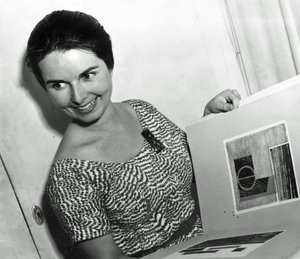
Lygia Pape
1927 - 2004 , Brazil
Основные сведения
- Artistic Movement Or Style: Neo-Concrete Movement
- Artists Who Influenced This Artist: ['Theo van Doesburg']
- Date Of Birth: April 7, 1927
- Date Of Death: May 3, 2004
- Full Name: Lygia Pape
- Nationality: Brazilian
- Notable Artworks:
- Tecelares Series
- Livro da Criação
- Ttéias
- Place Of Birth: Nova Friburgo, Brazil