


 Предпросмотр
 Поделиться
 Поделиться
 Детали произведения

 Скачать
 Похожие работы
 Рентгенография
 Слайд-шоу
 Статистика
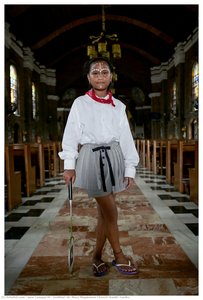
Daughter of saints dancing\n\nDaughter of saints dancing
 Acrylic On Canvas
- WallArt
- Contemporary Realism
 1946
1946 Музей афро-бразильского искусства Эмануэла Араужо
 Читать далее
Приобретите цифровое изображение высокого разрешения в улучшенном качестве, которое значительно превосходит онлайн-превью.
Каждый файл тщательно подготавливается нашими специалистами с использованием передовых инструментов и экспертной ручной ретуши. Мы гарантируем исключительную четкость, точную цветопередачу и детальную проработку каждого изображения.
Финальный файл доставляется по электронной почте в течение 72 часов и оптимизирован для немедленного использования в профессиональной среде, при верстке и печати. Это тот же уровень качества, которому доверяют ведущие дизайнерские студии, издательства и галереи.
Цифровое изображение
Скачайте файл высокого разрешения для личного использования, печати и творческих проектов. ( Перейти к печати Купить картину ручной работы)
Включено в каждый заказ цифровых изображений
Гарантия экспертной цифровой доставки
Выбирая ArtsDot.com, вы получаете не просто изображение — вы приобретаете профессионально обработанное цифровое произведение искусства, созданное с безупречной точностью и под защитой гарантии качества. Вот всё, что автоматически входит в ваш заказ:

Мгновенная доставка по e-mail
Ваш цифровой файл в высоком разрешении будет отправлен вам по электронной почте в течение 72 часов после оформления заказа — и сразу станет доступен для использования.

Цифровой файл с ИИ-улучшением
Ваше произведение искусства проходит профессиональную оптимизацию с использованием передовых инструментов ИИ и ручной обработки, что гарантирует максимальную детализацию, четкость и точность цветопередачи.

Бессрочная бесплатная повторная доставка
Случайно удалили или потеряли файл? Не беспокойтесь — мы отправим его вам повторно в любое время и совершенно бесплатно.

Без импортных пошлин — навсегда
Наслаждайтесь вашим произведением искусства мгновенно без таможенных пошлин, сборов или затрат на доставку — цифровые загрузки всегда не облагаются налогом.

Гарантия точности цветопередачи
Мы гарантируем, что ваше цифровое изображение максимально точно передает оригинальные цвета благодаря использованию профессиональных инструментов и систем управления цветом.

Гарантия удовлетворенности 100 дней
Если вы не будете удовлетворены своим цифровым изображением, мы внесем правки или вернем 100% стоимости в течение 100 дней — без лишних вопросов.

100% Гарантия возврата средств
Не удовлетворены покупкой? Получите полный возврат средств в течение 100 дней после получения цифрового файла — без лишних вопросов.

Скидки на оптовые заказы
Купите 3 изображения, сэкономьте 10% — Купите 5, сэкономьте 15% — Купите 10+, сэкономьте 20%. Отличное решение для творческих проектов, галерей и агентств.
A Window Into Bahia’s Soul: Exploring Lygia Sampaio de Azevedo Fagundes' Photographic Vision
Lygia Sampaio de Azevedo Fagundes (1928-2023) wasn’t merely a photographer; she was an architect of memory, meticulously crafting images that captured the essence of Bahia’s cultural heritage and reverberated with profound symbolic resonance. Born in Salvador, Brazil, her artistic journey began amidst the fertile soil of Bahian Modernism—a movement characterized by its embrace of indigenous traditions alongside European avant-garde influences—and cemented her place as a trailblazing figure who defied convention and championed artistic innovation. Her work stands as testament to the power of visual storytelling and an unwavering commitment to preserving cultural identity.The Subject Matter: Rituals and Everyday Life
Fagundes’ photographs predominantly focused on documenting rituals and daily life within Bahia’s Afro-Brazilian communities. Unlike many artists of her era who sought grand narratives, she opted for intimate portraits—scenes depicting religious ceremonies, festivals, and the simple routines of families—revealing a remarkable sensitivity to human experience. These images weren't simply representations; they were conduits through which viewers could access the spirit of Bahia itself – its vibrant colors, palpable energy, and deeply rooted traditions. The artist’s gaze was particularly attuned to capturing expressions of joy, resilience, and connection to ancestral heritage.Stylistic Influences: Documentary Photography Meets Artistic Expression
Her photographic style leaned heavily toward documentary photography, mirroring the aesthetic sensibilities of mid-20th century archival images. However, Fagundes skillfully infused her work with artistic flourishes that transcended mere documentation. The grainy texture imparted by film—a deliberate choice reflecting the era’s technological limitations—added a layer of authenticity and imbued each photograph with a palpable sense of history. Compositionally, she favored framing techniques that drew viewers into the scene, utilizing natural light to illuminate subjects and creating balanced compositions that prioritized visual harmony. This careful attention to detail speaks volumes about her artistic vision.Technique: Mastering Light and Shadow
Fagundes’ technical prowess was evident in her masterful manipulation of light and shadow—elements she employed with deliberate precision to convey mood and emotion. The diffused illumination characteristic of her images suggests a thoughtful consideration of photographic principles, prioritizing subtlety and nuance over dramatic effects. She skillfully utilized shadows to sculpt forms and delineate textures, enhancing the visual impact of her subjects and deepening their expressive power. Furthermore, meticulous attention was paid to focus—capturing sharp details while maintaining an overall sense of atmosphere—demonstrating a profound understanding of the medium’s capabilities.Symbolism: Echoes of Ancestral Traditions
Beyond technical considerations, Fagundes' photographs resonated with symbolic significance rooted in Bahia’s Afro-Brazilian traditions. Recurring motifs – vibrant textiles, ceremonial objects, and faces etched with wisdom and experience – served as visual anchors connecting viewers to the region’s rich cultural past. The artist’s images weren’t merely depictions; they were invitations to contemplate themes of faith, identity, and continuity—affirming the enduring legacy of ancestral knowledge within contemporary society. Each photograph functioned as a miniature chronicle of Bahia's history and spirit.Emotional Impact: A Legacy of Observation and Remembrance
Ultimately, Lygia Sampaio de Azevedo Fagundes’ photographs transcend mere visual representation; they evoke profound emotional responses in those who encounter them. Her images convey a palpable sense of warmth, compassion, and reverence—reflecting her deep appreciation for human connection and cultural heritage. They serve as enduring reminders of Bahia's vibrant spirit and the importance of preserving traditions—inspiring contemplation and fostering an understanding of the human experience across generations. Her legacy continues to inspire artists and collectors alike who recognize the transformative power of honest observation and heartfelt remembrance.Похожие произведения

Биография художника
Lygia Sampaio de Azevedo Fagundes: A Pioneer of Bahian Modernism
Lygia Sampaio de Azevedo Fagundes (1928-2023) stands as a singular figure in Brazilian art history, representing not only the burgeoning modernist movement within Bahia but also embodying a courageous spirit—one that defied societal expectations and championed artistic experimentation. Born in Salvador, Brazil, her life was marked by an unwavering dedication to visual storytelling and a profound engagement with Afro-Brazilian culture, themes that permeate her photographic oeuvre and solidify her legacy as one of the most influential women artists of her time.Early Life and Artistic Formation
Growing up amidst the vibrant rhythms of Bahia’s cultural landscape profoundly shaped Lygia's artistic sensibilities. Despite facing considerable obstacles in a field dominated by male voices, she pursued her passion for photography with tenacity and determination. Influenced by luminaries like Artur Azevedo—a playwright who championed realism and explored social issues—and Rachel de Queiroz—whose novels tackled themes of identity and resilience—Lygia honed her craft through rigorous observation and meticulous composition. Her formative years instilled in her a deep appreciation for the complexities of human experience and fueled her desire to capture moments of beauty and significance within everyday life.The Bahian Modernist Movement: A Singular Vision
Lygia’s involvement with Bahia's modernist movement was particularly noteworthy, marking her as the sole woman artist participating in this influential artistic collective. This group sought to redefine Brazilian identity through innovative visual mediums—primarily photography—challenging prevailing stereotypes and celebrating the richness of Bahian traditions. Collaborating closely with Vinicius de Moraes—a poet who explored themes of melancholy and longing—Lygia embraced a stylistic approach characterized by bold color palettes, unconventional framing techniques, and an uncanny ability to convey emotion without resorting to explicit narrative. Her photographs weren’t merely representations of places; they were imbued with symbolic resonance, reflecting the spirit of Bahia's cultural heritage.Notable Works and Recognition
Lygia Sampaio’s artistic output is distinguished by its unwavering commitment to capturing the essence of Bahian life—particularly its Afro-Brazilian traditions. Her masterpiece, “Daughter of Saints Dancing,” exemplifies this ethos. Presented at the Museu de Arte da Bahia in Salvador, Brazil, this photograph encapsulates the dynamism and spirituality of Bahia's religious celebrations. It’s a testament to Lygia’s skill as a storyteller and her ability to transform ordinary scenes into extraordinary expressions of cultural identity. Furthermore, her work has garnered international acclaim, appearing in galleries across Europe and North America—a recognition that underscores its enduring relevance and artistic merit.Legacy and Historical Significance
Lygia Sampaio de Azevedo Fagundes passed away peacefully in 2023, leaving behind a remarkable body of photographic work that continues to inspire artists and scholars alike. Her contribution to Brazilian art history transcends mere stylistic innovation; she bravely challenged gender norms within the artistic realm and championed the representation of Afro-Brazilian culture—a crucial step toward fostering greater understanding and appreciation for Bahia’s multifaceted heritage. As an artist who dared to defy convention, Lygia Sampaio remains a beacon of creativity and resilience—a symbol of Brazilian art's unwavering pursuit of beauty and truth.- Published: Selling Black Brazil: Race, Nation, and Visual Culture in Salvador, Bahia
- Website: https://dokumen.pub/selling-black-brazil-race-nation-and-visual-culture-in-salvador-bahia-9781477324202.html
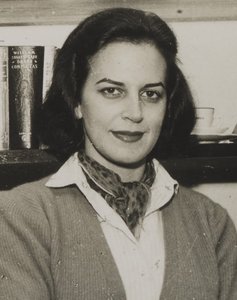
lygia sampaio de azevedo fagundes
1928 - 2023 , Brazil
Основные сведения
- Artistic Movement Or Style: Modernist Art
- Artists Or Movements Influenced By This Artist: ['Vinicius de Moraes']
- Artists Who Influenced This Artist: ['Pierre Verger']
- Date Of Birth: 1928
- Date Of Death: 2023
- Full Name: Lygia Sampaio de Azevedo Fagundes
- Nationality: Brazilian
- Notable Artworks: ['Daughter of Saints Dancing']
- Place Of Birth: Salvador, Brazil