 Предпросмотр
 Поделиться
 Поделиться
 Детали произведения

 Скачать
 Похожие работы
 Рентгенография
 Слайд-шоу
 Статистика
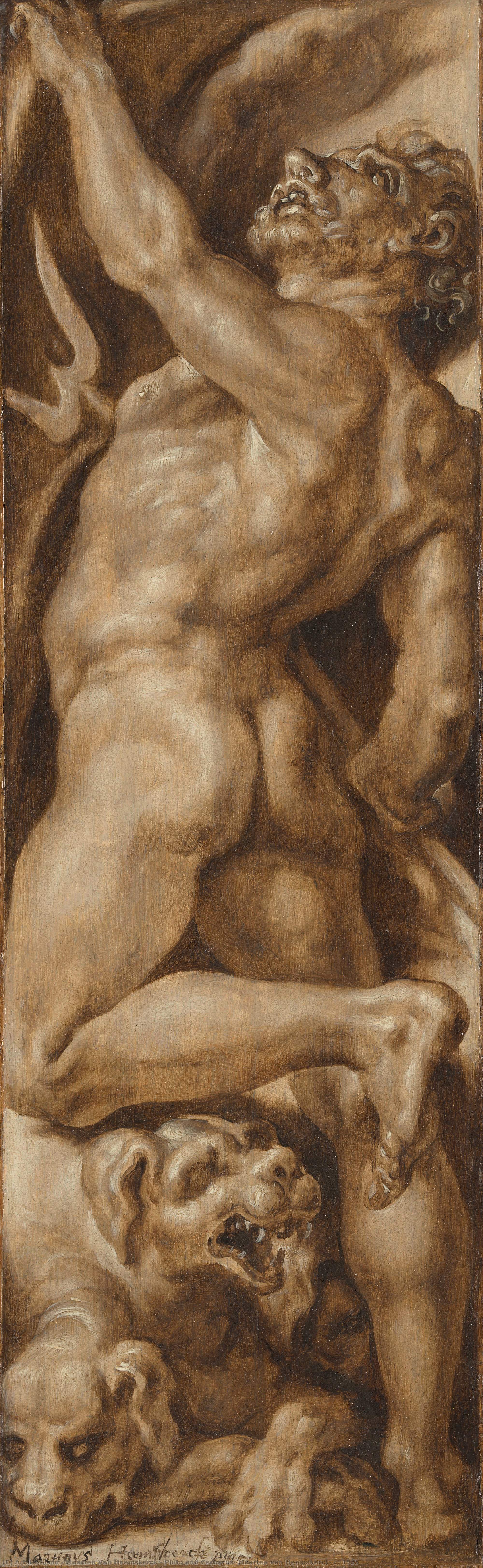
Pluto and Cerberus, Maarten van Heemskerck, c. 1555
 1555
1555 47.0 x 15.0 cm
 Читать далее
Масляная репродукция ручной работы
Картина маслом на холсте в выбранном вами размере и раме, написанная на заказ нашими художниками. ( Перейти к печати Перейти к цифровым изображениям)




































Выберите один из наших стандартных размеров, соответствующих оригинальным пропорциям произведения искусства.

Вы можете указать собственные размеры, чтобы картина идеально вписалась в выбранную раму или пространство. Если выбранный вами размер не соответствует пропорциям оригинала, мы либо обрежем полотно, либо расширим его за счет дополнительных элементов, написанных вручную. Цифровой макет будет отправлен вам на утверждение перед началом производства.
Обратите внимание, что предварительный просмотр на экране не отражает фактическую обрезку или расширение. Только макет точно покажет окончательную композицию.
Хотя доступны индивидуальные размеры, мы рекомендуем выбирать вариант из предопределенного списка, чтобы сохранить исходные пропорции.
После оформления заказа команда ArtsDot.com свяжется с клиентом по электронной почте для уточнения деталей и предоставит предварительный макет
Доставка по всему миру () за 3–4 недели вместо стандартных 5 недель. (12 Сентябрь). Без компромиссов в качестве.

Бесплатная экспресс-доставка по всему миру

Высококачественный льняной холст

Полное страхование доставки

Гарантия возмещения таможенных пошлин

Гарантия точного соответствия цветов

100-дневная политика возврата (только при обнаружении дефектов)

Гарантия возврата 100% средств

Предложение оптовых скидок
 Вариант со стеклом доступен только для размеров менее 110 см

Pluto and Cerberus, Maarten van Heemskerck, c. 1555
Техника репродукции
Размер репродукции
-


Итоговая стоимость
$ 263
Похожие произведения







Биография художника
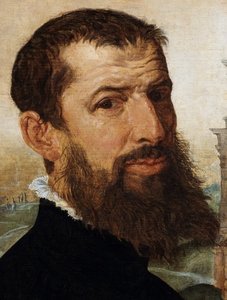
A Life Immersed in Renaissance Ideals: Maarten van Heemskerck
Maarten van Heemskerck, born around 1490 in Heemskerk, Netherlands, emerged as a pivotal figure during the Dutch Renaissance. His artistic journey unfolded against a backdrop of profound cultural shifts – the burgeoning influence of Italian Humanism and the religious turmoil preceding the Reformation. While precise details regarding his early life remain scarce, it’s understood he received initial training within the workshop of his father, Jan van Heemskerck, also an artist. However, Maarten's ambitions quickly transcended local boundaries, leading him to Haarlem where he joined the Guild of St. Luke in 1509. This marked a formal entry into the professional art world and set the stage for a career defined by intellectual curiosity and stylistic innovation. Van Heemskerck wasn’t merely a painter; he was a scholar-artist, deeply engaged with classical literature, mythology, and biblical themes. His early works already hint at this unique blend of Northern realism and Italianate grandeur.From Haarlem to Rome: A Pursuit of Classical Mastery
The defining moment in van Heemskerck’s artistic development arrived around 1530 when he embarked on a transformative journey to Italy, specifically Rome. This sojourn proved crucial, exposing him directly to the masterpieces of antiquity and the High Renaissance masters – Michelangelo, Raphael, and Leonardo da Vinci foremost among them. Unlike many Northern artists who merely incorporated Italian elements into their existing style, van Heemskerck underwent a fundamental shift in his approach. He meticulously studied classical sculpture, architecture, and painting, absorbing the principles of proportion, anatomy, and perspective that underpinned Renaissance art. This immersion is vividly reflected in his Roman drawings, which demonstrate an almost obsessive attention to detail and a fervent desire to understand the underlying structure of form. His time in Italy wasn’t simply about copying; it was about deciphering the language of classical beauty and translating it into his own artistic vocabulary. He also received commissions from prominent patrons, including Pope Clement VII, further solidifying his reputation within the Italian art scene.Mythological Narratives and Religious Vision
Upon returning to Haarlem in 1536, van Heemskerck embarked on a prolific period of painting characterized by two dominant themes: mythological scenes and religious subjects. His mythological works are particularly noteworthy for their monumental scale, dramatic compositions, and often unconventional interpretations. Unlike the delicate allegories favored by some contemporaries, van Heemskerck’s myths possess a raw energy and psychological intensity. Paintings like *The Cure of Aeneas* and *The Judgment of Paris* showcase his mastery of anatomy and perspective, while simultaneously exploring complex themes of love, fate, and human desire. Simultaneously, he undertook large-scale religious commissions, including altarpieces and church decorations. These works reveal a growing sense of spiritual fervor, influenced by the rising tide of Protestantism in the Netherlands. However, van Heemskerck’s religious paintings are not simply didactic illustrations; they are imbued with a profound emotional depth and a sophisticated understanding of theological concepts.The Influence of Humanism and Artistic Legacy
Van Heemskerck's art is deeply intertwined with the intellectual currents of Humanism, which emphasized the study of classical literature and philosophy as a means of achieving moral and spiritual enlightenment. His engagement with Ovid’s *Metamorphoses* and other classical texts provided him with a rich source of subject matter and inspired his exploration of universal human themes. He wasn't merely illustrating stories; he was using mythology to comment on contemporary society and explore the complexities of the human condition. His meticulous attention to detail, combined with his dramatic compositions and psychological insight, set him apart from many of his contemporaries. Later in life, van Heemskerck became a Deacon of the Haarlem Guild of St. Luke and dedicated himself increasingly to religious themes, reflecting the changing political and spiritual landscape of the Netherlands. His later works exhibit a more austere style, characterized by elongated figures and a heightened sense of spirituality. Maarten van Heemskerck died in 1574 leaving behind a substantial body of work that continues to captivate and inspire. His legacy lies not only in his technical virtuosity but also in his ability to synthesize Northern realism with Italian Renaissance ideals, creating a unique artistic vision that bridged two distinct cultural traditions.Major Achievements & Historical Significance
- Pioneering Integration of Classical Elements: Van Heemskerck was instrumental in introducing the principles of High Renaissance art to the Netherlands, significantly influencing the development of Dutch painting.
- Monumental Scale and Dramatic Composition: His large-scale mythological paintings established a new standard for ambition and complexity within Northern European art.
- Scholarly Approach to Art: He was one of the first Northern artists to demonstrate a deep understanding of classical literature and philosophy, incorporating these themes into his work.
- Influence on Mannerism: His later style, characterized by elongated figures and heightened emotionality, foreshadowed the emergence of Mannerism in Dutch art.
- Extensive Drawings & Prints: Van Heemskerck’s prolific output of drawings and prints ensured the widespread dissemination of his ideas and artistic techniques.