

 Предпросмотр
 Поделиться
 Поделиться
 Детали произведения

 Скачать
 Похожие работы
 Рентгенография
 Слайд-шоу
 Статистика
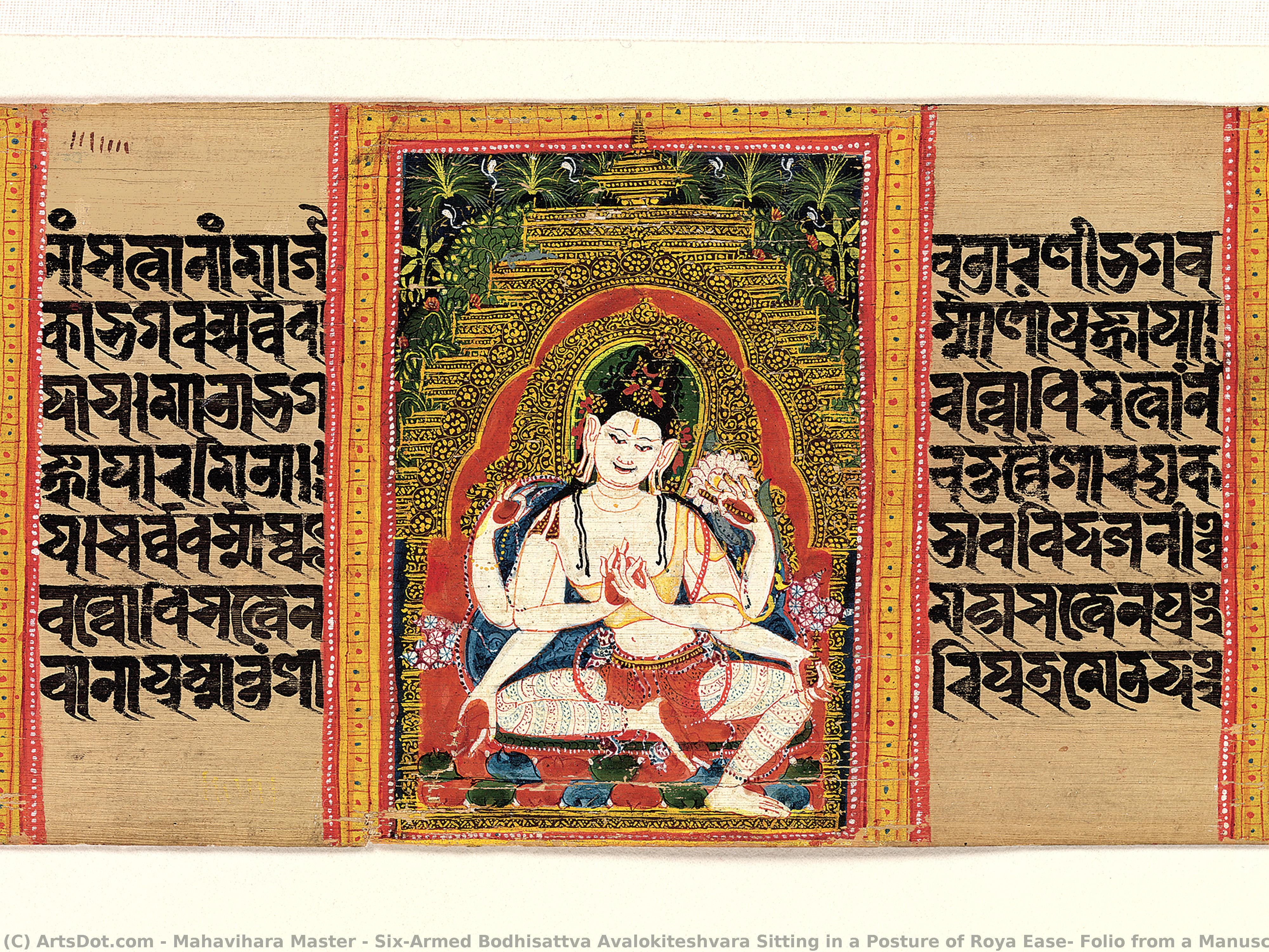
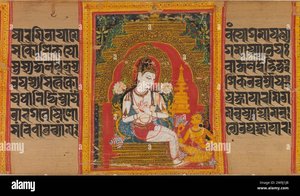
Six-Armed Bodhisattva Avalokiteshvara Sitting in a Posture of Roya Ease: Folio from a Manuscript of the Ashtasahasrika Prajnaparamita (Perfection of Wisdom)
 Manuscript
- Pala Art
 1101
1101- High Medieval
 7.0 x 42.0 cm
 Читать далее
Приобретите цифровое изображение высокого разрешения в улучшенном качестве, которое значительно превосходит онлайн-превью.
Каждый файл тщательно подготавливается нашими специалистами с использованием передовых инструментов и экспертной ручной ретуши. Мы гарантируем исключительную четкость, точную цветопередачу и детальную проработку каждого изображения.
Финальный файл доставляется по электронной почте в течение 72 часов и оптимизирован для немедленного использования в профессиональной среде, при верстке и печати. Это тот же уровень качества, которому доверяют ведущие дизайнерские студии, издательства и галереи.
Цифровое изображение
Скачайте файл высокого разрешения для личного использования, печати и творческих проектов. ( Перейти к печати Купить картину ручной работы)
Включено в каждый заказ цифровых изображений
Гарантия экспертной цифровой доставки
Выбирая ArtsDot.com, вы получаете не просто изображение — вы приобретаете профессионально обработанное цифровое произведение искусства, созданное с безупречной точностью и под защитой гарантии качества. Вот всё, что автоматически входит в ваш заказ:

Мгновенная доставка по e-mail
Ваш цифровой файл в высоком разрешении будет отправлен вам по электронной почте в течение 72 часов после оформления заказа — и сразу станет доступен для использования.

Цифровой файл с ИИ-улучшением
Ваше произведение искусства проходит профессиональную оптимизацию с использованием передовых инструментов ИИ и ручной обработки, что гарантирует максимальную детализацию, четкость и точность цветопередачи.

Бессрочная бесплатная повторная доставка
Случайно удалили или потеряли файл? Не беспокойтесь — мы отправим его вам повторно в любое время и совершенно бесплатно.

Без импортных пошлин — навсегда
Наслаждайтесь вашим произведением искусства мгновенно без таможенных пошлин, сборов или затрат на доставку — цифровые загрузки всегда не облагаются налогом.

Гарантия точности цветопередачи
Мы гарантируем, что ваше цифровое изображение максимально точно передает оригинальные цвета благодаря использованию профессиональных инструментов и систем управления цветом.

Гарантия удовлетворенности 100 дней
Если вы не будете удовлетворены своим цифровым изображением, мы внесем правки или вернем 100% стоимости в течение 100 дней — без лишних вопросов.

100% Гарантия возврата средств
Не удовлетворены покупкой? Получите полный возврат средств в течение 100 дней после получения цифрового файла — без лишних вопросов.

Скидки на оптовые заказы
Купите 3 изображения, сэкономьте 10% — Купите 5, сэкономьте 15% — Купите 10+, сэкономьте 20%. Отличное решение для творческих проектов, галерей и агентств.
A Vision of Compassion: The Celestial Presence of Avalokiteshvara
In the delicate, elongated expanse of this 12th-century palm-leaf folio, we encounter a moment of profound spiritual stillness. The painting depicts the Six-Armed Bodhisattva Avalokiteshvarea seated in the posture of royal ease, a pose that balances regal dignity with a relaxed, accessible grace. This is not merely a portrait of a deity, but a window into the heart of Pala-era devotion. As the master artist, known as the Mahavihara Master, meticulously rendered each limb and gesture, he transformed a fragile strip of organic material into an eternal vessel of compassion. The Bodhisattva sits enveloped in an intricate, stacked architectural structure, suggesting a celestial palace that serves as a blueprint for the sacred altars found throughout Tibet and Nepal.
The composition is a masterclass in symbolic storytelling, where every hand tells a different chapter of the path to enlightenment. With one hand, the deity holds a mala—a string of prayer beads representing continuous mindfulness—while another cradles a sacred text, signifying the transmission of wisdom. The presence of a vessel filled with flowers and the specific mudras, such as the varada mudra (the gesture of offering boons) and the dharmachakra mudra (the teaching gesture), invite the viewer into a silent dialogue of grace and instruction. Surrounding this central figure are smaller, ethereal attendants and celestial beings, their presence adding layers of depth and a sense of a bustling, divine hierarchy that exists just beyond the veil of our perception.
The Artistry of the Pala Tradition
Technically, this work represents the pinnacle of Indian manuscript illumination. The Mahavihara Master utilized a palette of subtle, sophisticated colors that have retained their evocative power for nearly a millennium. The fine, rhythmic lines characteristic of the Somapura Mahavihara tradition create a sense of fluid movement even within the static form of the seated deity. Every detail, from the delicate patterns on the garments to the precise placement of the surrounding bowls and vases, is executed with a precision that demands close contemplation. This level of craftsmanship was intended to turn the manuscript itself into an object of veneration, where the act of looking becomes a form of meditation.
For the discerning collector or interior designer, a reproduction of this masterpiece offers more than just aesthetic beauty; it brings a sense of historical weight and meditative calm to a space. The elongated format of the original 7 x 42 cm folio lends itself to unique presentation, making it an extraordinary focal point for a gallery wall or a quiet corner dedicated to reflection. To possess such an image is to invite the ancient wisdom of the Ashtasahasrika Prajnaparamita into the modern home, bridging the gap between the sacred traditions of 12th-century Bengal and the contemporary pursuit of peace and mindfulness.
Похожие произведения
Биография художника
Mahavihara Master: A Legacy of Buddhist Art from Bengal
Mahavihara Master, a name whispered in the halls of art history and revered within the Buddhist community, stands as one of the most significant figures in the artistic landscape of Pala-era India. Born in Bengaluru, India – though his precise birthdate remains shrouded in the mists of time – he emerged from the rich tradition of monastic painting centered around Somapura Mahavihara in modern-day Bangladesh. His work isn’t merely decorative; it's a profound visual meditation on Buddhist philosophy and practice, offering an intimate glimpse into the spiritual world of 12th-century Bengal.
Little is definitively known about his early life. He likely began his artistic training within the walls of Somapura Mahavihara, a renowned center of learning and artistic production during the Pala dynasty (8th to 12th centuries). This era witnessed a remarkable flourishing of Buddhist art in eastern India, fueled by royal patronage and a deep engagement with Mahayana Buddhism. The Master’s style reflects this environment – a harmonious blend of influences, incorporating elements from earlier Pan-Indian Ajanta styles while simultaneously forging a distinct regional identity.
The Ashtasahasrika Prajnaparamita Sutra: A Foundation for His Art
Mahavihara Master is most celebrated for his meticulous and profoundly moving illustrations of the Ashtasahasrika Prajnaparamita Sutra, a cornerstone text in Mahayana Buddhism. This vast treatise on the perfection of wisdom explores the path to enlightenment through profound contemplation and skillful means. The manuscript he illuminated – now shared between the National Museum in New Delhi and the Los Angeles County Museum of Art – is considered one of the finest examples of Pala-era Buddhist art, showcasing a remarkable level of detail and spiritual depth.
The sheer scale of the project demanded immense patience and skill. Each folio, meticulously rendered on palm leaves, depicts key moments within the sutra’s narrative, often featuring vibrant depictions of Bodhisattvas, deities, and enlightened beings. The Master's approach is characterized by a remarkable sense of volume – figures appear to emerge from the page with startling realism – achieved through subtle shading and masterful use of perspective. His color palette is equally restrained yet evocative, employing earthy tones and delicate washes to convey a profound sense of serenity and grace.
Key Works: Embodiments of Buddhist Wisdom
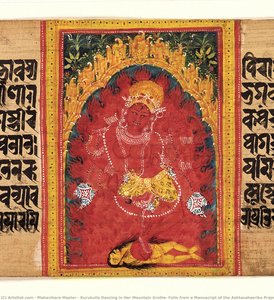
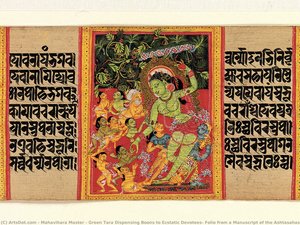
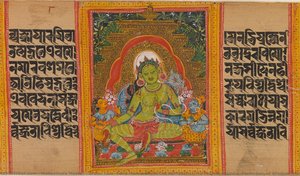
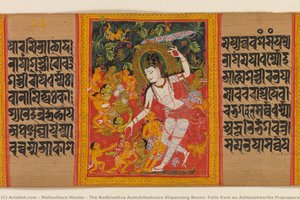
Among his most celebrated works are the depictions of Green Tara dispensing boons to ecstatic devotees and Avalokiteshvara, the Bodhisattva of Compassion. The “Green Tara” folio (circa 1101) is particularly striking for its dynamic composition and the palpable energy radiating from the central figure. She’s not merely a serene goddess; she's an active force of compassion, bestowing blessings upon her devotees with effortless grace. Similarly, the Avalokiteshvara folio captures the essence of his role as a guide to enlightenment, conveying both wisdom and empathy through his compassionate gaze and outstretched hands.
- Green Tara Dispensing Boons: A vibrant depiction showcasing the Bodhisattva’s boundless compassion.
- Bodhisattva Avalokiteshvara Dispensing Boons: An illustration emphasizing the path to enlightenment through wisdom and compassion.
Influence and Legacy
Mahavihara Master's work represents a pivotal moment in Indian Buddhist art, bridging the gap between earlier Pan-Indian styles and the evolving traditions of Bengal. His meticulous attention to detail, his profound understanding of Buddhist iconography, and his masterful use of color and perspective have secured his place as one of the most important artists of the Pala period. His influence can be seen in subsequent generations of Indian Buddhist painters, who continued to draw inspiration from his elegant style and spiritual depth.
Beyond its artistic merit, Mahavihara Master’s work offers a valuable window into the religious and cultural landscape of 12th-century Bengal. It reflects the fervent devotion to Buddhism that characterized the Pala dynasty, as well as the sophisticated intellectual traditions fostered within the monastic centers of the era. His legacy continues to inspire artists and scholars today, reminding us of the enduring power of Buddhist art to illuminate the path to enlightenment.
Further Exploration
The Bodhisattva Avalokiteshvara Dispensing Boons: Folio from an Ashtasahasrika Prajnaparamita Manuscript (Metropolitan Museum of Art)
Los Angeles County Museum of Art
Ravi Varma | Biography, Paintings, Royal Court Artist, & Printmaker (Britannica)
Mahavihara Master
India
Основные сведения
- Artistic Movement Or Style: Pala-era Buddhist
- Artists Or Movements Influenced By This Artist: ['Pala Empire']
- Artists Who Influenced This Artist: ['']
- Date Of Death: Living
- Full Name: Mahavihara Master
- Nationality: Indian
- Notable Artworks:
- Green Tara dispensing boons
- Bodhisattva Avalokiteshvara
- Place Of Birth: Bengaluru, India