

 Предпросмотр
 Поделиться
 Поделиться
 Детали произведения

 Скачать
 Похожие работы
 Рентгенография
 Слайд-шоу
 Статистика
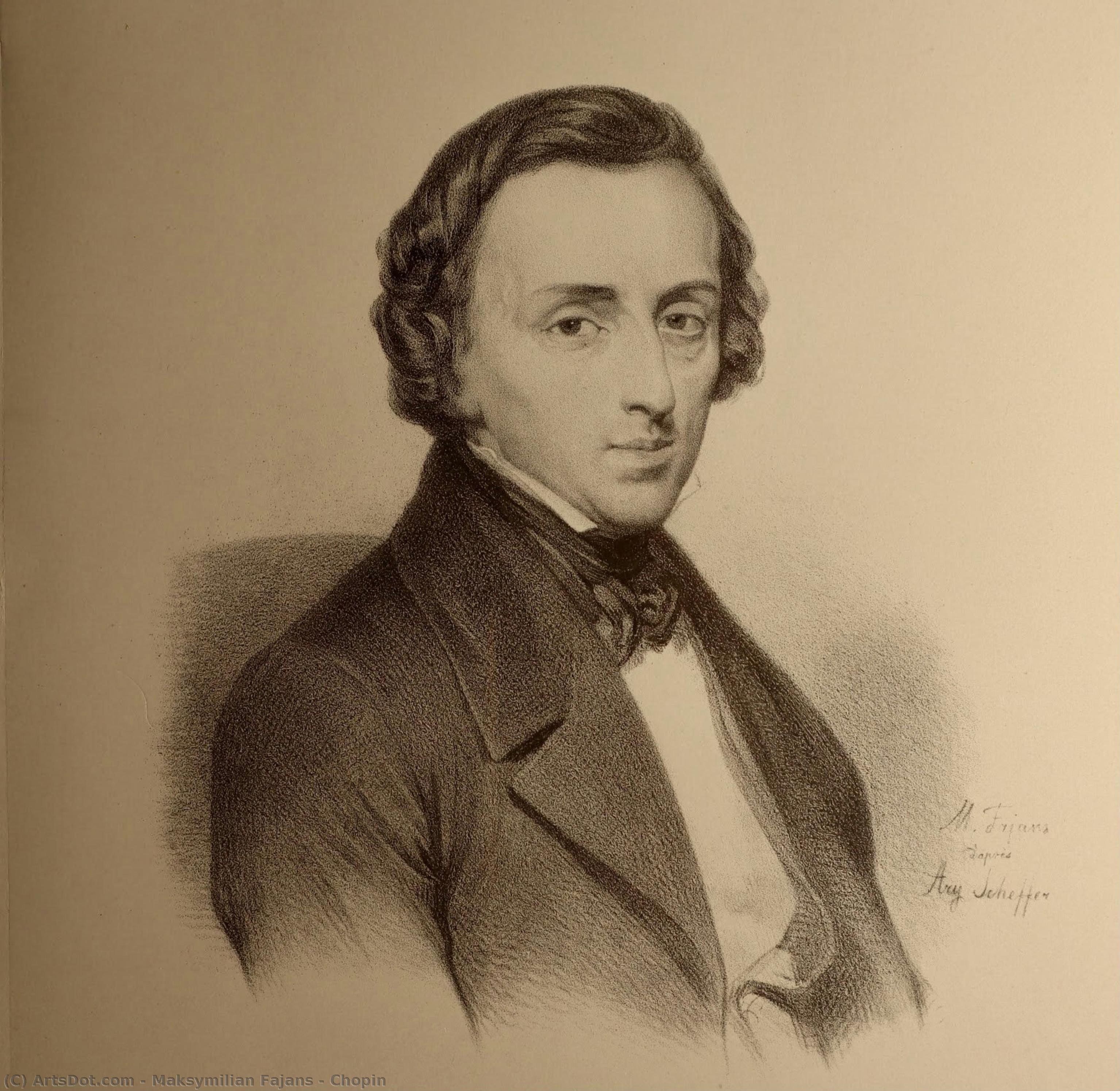
Chopin

 Читать далее
Масляная репродукция ручной работы
Картина маслом на холсте в выбранном вами размере и раме, написанная на заказ нашими художниками. ( Перейти к печати Перейти к цифровым изображениям)




































Выберите один из наших стандартных размеров, соответствующих оригинальным пропорциям произведения искусства.

Вы можете указать собственные размеры, чтобы картина идеально вписалась в выбранную раму или пространство. Если выбранный вами размер не соответствует пропорциям оригинала, мы либо обрежем полотно, либо расширим его за счет дополнительных элементов, написанных вручную. Цифровой макет будет отправлен вам на утверждение перед началом производства.
Обратите внимание, что предварительный просмотр на экране не отражает фактическую обрезку или расширение. Только макет точно покажет окончательную композицию.
Хотя доступны индивидуальные размеры, мы рекомендуем выбирать вариант из предопределенного списка, чтобы сохранить исходные пропорции.
После оформления заказа команда ArtsDot.com свяжется с клиентом по электронной почте для уточнения деталей и предоставит предварительный макет
Доставка по всему миру () за 3–4 недели вместо стандартных 5 недель. (12 Сентябрь). Без компромиссов в качестве.

Бесплатная экспресс-доставка по всему миру

Высококачественный льняной холст

Полное страхование доставки

Гарантия возмещения таможенных пошлин

Гарантия точного соответствия цветов

100-дневная политика возврата (только при обнаружении дефектов)

Гарантия возврата 100% средств

Предложение оптовых скидок
 Вариант со стеклом доступен только для размеров менее 110 см

Chopin
Техника репродукции
Размер репродукции
-


Итоговая стоимость
$ 263
Похожие произведения









Биография художника
The Visionary of Warsaw: The Life and Legacy of Maksymilian Fajans
In the heart of nineteenth-century Poland, amidst a landscape of shifting borders and profound cultural resilience, lived a man whose lens and lithograph captured the very soul of an era. Maksymilian Fajans (1825–1890) was far more than a mere chronicler; he was a pioneer who bridged the gap between the classical traditions of fine art and the burgeoning magic of the photographic medium. Born in Sieradz to Jewish parents, Fajans carried with him a deep connection to Polish heritage, a sensibility that would later define his meticulous approach to documenting both the grandeur of history and the intimate details of daily life. His journey was one of constant evolution, moving from the precise, tactile world of lithography to the ethereal, light-driven realm of photography, ultimately establishing himself as a cornerstone of Warsaw’s visual identity.
The foundations of Fajans’ artistic mastery were laid in the prestigious halls of Warsaw's School of Fine Arts. Between 1844 and 1849, he immersed himself in the rigorous study of lithography, a discipline that demanded an extraordinary eye for detail and a profound understanding of tonal depth. This period of intense training was significantly enriched by his time in Paris from 1850 to 1853, where he studied under the renowned Dutch-French painter Ary Scheffer. Under Scheffer’s tutelage, Fajans absorbed the principles of realism and dramatic composition, learning how to imbue a subject with emotional weight and narrative tension. This classical training would later serve as the backbone for his photographic work, allowing him to approach the camera not merely as a scientific instrument, but as an extension of the painter's brush.
A Convergence of Light and Line
As the mid-nineteenth century progressed, Fajans recognized a transformative shift in the artistic landscape: the arrival of photography. While many traditionalists viewed this new technology with skepticism, Fajans embraced it as a revolutionary tool for capturing reality with an immediacy that painting could never achieve. By 1862, he had expanded his established studio offerings to include photography, creating one of Warsaw’s most celebrated photographic institutions. His work during this period was characterized by a remarkable duality; he possessed the technical precision of a lithographer and the sensitive eye of a portraitist. This allowed him to produce works that were both documentary in nature and deeply artistic in execution.
His prolific output spanned various formats, from delicate chromolithographs to expansive photographic albums. Some of his most notable achievements include:
- Wizerunki polskie (Polish Images): A magnificent series of fourteen folios published between 1851 and 1863, based on his own drawings, which celebrated the essence of Polish identity.
- Wzory sztuki średniowiecznej (Images of Medieval Art): An ambitious project documenting historical artistic styles, showcasing his ability to interpret complex historical narratives.
- Kwiaty i poezje (Flowers and Poems): A beautiful display of his mastery in chromolithography, blending botanical precision with lyrical grace.
- Documentary Photography: His invaluable photographic records of Warsaw’s transformation, capturing iconic moments such as the opening of the Kierbedz Bridge and the expansion of the railway.
The Architect of Memory
Beyond the technical brilliance of his prints and plates, Fajans’ true historical significance lies in his role as a custodian of Polish memory. Through his portrait studio, he captured the faces of the era's most eminent figures, creating a visual pantheon of nineteenth-century intellectual and cultural life. To look upon a Fajans portrait is to encounter the very architects of Polish culture—figures such as Helena Modrzejewska, Henryk Wieniawski, and Józef Ignacy Kraszewski. His ability to capture the dignity and character of these individuals ensured that their legacies were preserved not just in text, but in the hauntingly beautiful interplay of light and shadow.
Fajans’ accolades, including prestigious prizes at the International Photographic Exhibition in Berlin (1865) and the Vienna Exhibition (1873), underscore his standing on the European stage. Yet, his most enduring triumph remains his contribution to the visual fabric of Warsaw. He documented a city in flux, recording the construction of new infrastructure and the changing faces of its streets, providing future generations with an irreplaceable window into a vanished world. As a pioneer who seamlessly blended the lithographic line with the photographic light, Maksymilian Fajans remains an eternal figure in the history of art—a man who taught us how to see the beauty of the present through the lens of the past.

maksymilian fajans
1825 - 1890 , Poland
Основные сведения
- Artistic Movement Or Style: Photography
- Artists Or Movements Influenced By This Artist: Lithography
- Artists Who Influenced This Artist: Ary Scheffer
- Date Of Birth: 1825 Sieradz, Poland
- Date Of Death: 1890
- Full Name: Maksymilian Fajans
- Nationality: Polish-Jewish
- Notable Artworks: ['Untitled']
- Place Of Birth: Poland