

![Garçons À La Chaussée [boys In The Sidewalk] — Малик Сидибе](/media/artworks/images-full/7a/42/7a422585ccd8d019b3583910a1ab1d5a.jpg)
 Поделиться
 Поделиться
 Детали произведения

 Скачать
 Похожие работы
 Слайд-шоу
 Статистика
Garçons à la chaussée [Boys in the Sidewalk]
 Black and White Photography
- Photo
- African Modernism
 1975
1975 26.0 x 35.0 cm
 MAM Rio
 Читать далее
Приобретите цифровое изображение высокого разрешения в улучшенном качестве, которое значительно превосходит онлайн-превью.
Каждый файл тщательно подготавливается нашими специалистами с использованием передовых инструментов и экспертной ручной ретуши. Мы гарантируем исключительную четкость, точную цветопередачу и детальную проработку каждого изображения.
Финальный файл доставляется по электронной почте в течение 72 часов и оптимизирован для немедленного использования в профессиональной среде, при верстке и печати. Это тот же уровень качества, которому доверяют ведущие дизайнерские студии, издательства и галереи.
Цифровое изображение
Скачайте файл высокого разрешения для личного использования, печати и творческих проектов. ( Перейти к печати Купить картину ручной работы)
Включено в каждый заказ цифровых изображений
Гарантия экспертной цифровой доставки
Выбирая ArtsDot.com, вы получаете не просто изображение — вы приобретаете профессионально обработанное цифровое произведение искусства, созданное с безупречной точностью и под защитой гарантии качества. Вот всё, что автоматически входит в ваш заказ:

Мгновенная доставка по e-mail
Ваш цифровой файл в высоком разрешении будет отправлен вам по электронной почте в течение 72 часов после оформления заказа — и сразу станет доступен для использования.

Цифровой файл с ИИ-улучшением
Ваше произведение искусства проходит профессиональную оптимизацию с использованием передовых инструментов ИИ и ручной обработки, что гарантирует максимальную детализацию, четкость и точность цветопередачи.

Бессрочная бесплатная повторная доставка
Случайно удалили или потеряли файл? Не беспокойтесь — мы отправим его вам повторно в любое время и совершенно бесплатно.

Без импортных пошлин — навсегда
Наслаждайтесь вашим произведением искусства мгновенно без таможенных пошлин, сборов или затрат на доставку — цифровые загрузки всегда не облагаются налогом.

Гарантия точности цветопередачи
Мы гарантируем, что ваше цифровое изображение максимально точно передает оригинальные цвета благодаря использованию профессиональных инструментов и систем управления цветом.

Гарантия удовлетворенности 100 дней
Если вы не будете удовлетворены своим цифровым изображением, мы внесем правки или вернем 100% стоимости в течение 100 дней — без лишних вопросов.

100% Гарантия возврата средств
Не удовлетворены покупкой? Получите полный возврат средств в течение 100 дней после получения цифрового файла — без лишних вопросов.

Скидки на оптовые заказы
Купите 3 изображения, сэкономьте 10% — Купите 5, сэкономьте 15% — Купите 10+, сэкономьте 20%. Отличное решение для творческих проектов, галерей и агентств.
A Snapshot of Youthful Energy
This evocative piece, titled Garçons à la chaussée [Boys in the Sidewalk], transports the viewer directly into a moment brimming with unscripted camaraderie. Captured in stark black and white, the photograph presents a vibrant tableau of nine young men gathered closely together on what appears to be a sandy expanse, perhaps a beach or an open gathering area. The composition is inherently intimate; the subjects are not merely posing for the camera, they seem caught in the aftermath of shared joy. Their proximity suggests a deep-seated bond—a collective energy that radiates outward, making the viewer feel like an unseen participant in their lively afternoon.
The Lens of Malick Sidibé
To understand this image is to understand the masterful eye of its creator, Malick Sidibé. A chronicler of joy from Mali, Sidibé possessed a unique ability to freeze not just moments, but entire cultural atmospheres. His work transcends mere documentation; it is an act of visual poetry. In this photograph, his signature dynamism shines through. He captures the transition—the vibrant pulse of life in a community finding its footing amidst change. The black and white medium strips away the distraction of color, forcing our attention instead onto the interplay of light, shadow, gesture, and the raw emotion etched on their faces.
Technique and Compositional Flow
The technical execution speaks to Sidibé’s skill as a portraitist. The grouping is dense yet balanced; no single figure dominates entirely, allowing the collective spirit to take precedence. Notice how some are clad in swimwear while others wear more casual attire—this juxtaposition hints at the fluidity of their lives and the varied roles they inhabit within this shared moment. The composition guides the eye across the group, from one smiling face to the next, creating a rhythmic visual journey that mirrors the natural flow of conversation among friends.
Symbolism of Brotherhood and Transition
More than just a portrait of young men, this artwork functions as a powerful symbol of brotherhood and burgeoning adulthood. The sense of ease and shared laughter speaks to the universal human need for connection. Given Sidibé’s context—documenting life in a rapidly evolving Mali—the photograph subtly carries the weight of transition itself. These boys represent a generation caught between tradition and modernity, finding their strength and joy together on this sandy stage. It is a celebration of youth at its most potent.
Bringing the Moment Home
For collectors and designers alike, this reproduction offers more than just wall decor; it offers an emotional anchor. To bring this piece into your space is to invite a feeling of vibrant nostalgia and enduring connection. The energy captured here—that palpable sense of belonging—is timeless. It serves as a beautiful reminder that the most profound moments are often those shared with people who make you feel utterly, joyously seen.
Похожие произведения
![Nuit De Noël [christimas Night] — Малик Сидибе, Contemporary Realism](/media/artworks/images-thumb/13/9f/139fd586c0879ab4d49560ede1fafe30.jpg)
![To Dance The Twist [danser Le Twist] — Малик Сидибе, Documentary Photography](/media/artworks/images-thumb/a0/29/a0293a5464ebbac331db00913f6487f9.jpg)
![Les Apprentis Mécanicians Au Garage Dramane [trainees At The Garage Dramane - Car Repair Shop] — Малик Сидибе, Contemporary Realism](/media/artworks/images-thumb/46/ad/46ad88f7fa24ecc51ecb44b49a2a6c55.jpg)
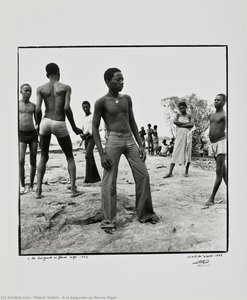
![Avec Mon Sac, Bagues Et Bracelets [with Bag, Rings And Bracelets] — Малик Сидибе, Documentary Photography](/media/artworks/images-thumb/e9/82/e982071b453b3ea5aa5a26bee3d39abb.jpg)
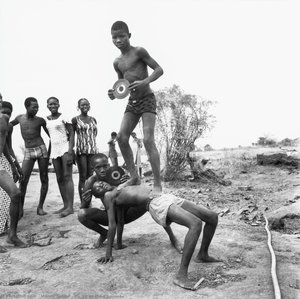
![Twist: Avec Ray Charles [twist: With Ray Charles] — Малик Сидибе, Documentary Photography](/media/artworks/images-thumb/a1/d8/a1d85fc1080b9d1c49a031fc3935ab12.jpg)
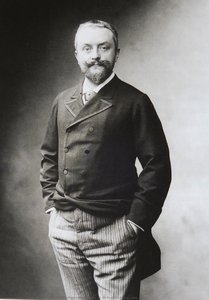
Биография художника
A Chronicler of Joy: The Life and Legacy of Malick Sidibé
Malick Sidibé emerged from the rural heartland of Mali to become one of Africa’s most celebrated photographers, a visual poet who captured a nation in transition with an unparalleled eye for intimacy and dynamism. Born in 1936 in Sologo, his early life was deeply rooted in traditional Malian existence – tending livestock, working the land, far removed from the bustling urban center of Bamako. This formative period instilled within him a profound connection to his cultural heritage, a sensibility that would profoundly shape his artistic vision. A pivotal moment arrived when he was selected by the village chief to attend school in Yanfolila, an opportunity that opened doors to education and ignited a nascent passion for art. His talent for drawing quickly became apparent, leading to commissions for official events and ultimately securing his acceptance into the Institut National des Arts de Bamako. It was there he encountered Gérard Guillat-Guignard, a French photographer who served as his mentor, guiding him through the technical intricacies of the medium not through formal instruction, but through observation and practical experience – a method that prioritized capturing life as it unfolded, rather than staging contrived scenes.Bamako in Bloom: Documenting a Generation
In 1952, Sidibé relocated to Bamako, a city undergoing rapid transformation as Mali approached independence. He began his formal photographic training under Guillat-Guignard at the Gégé la Pellicule photo service boutique in 1955, honing his skills before acquiring his first camera, a Brownie Flash, in 1956. By 1957, he had established Studio Malick, becoming an integral part of Bamako’s social landscape. Sidibé didn't merely document the city; he immersed himself within it, drawn to the vibrant youth culture that was blossoming in the wake of colonial rule. His lens focused on a diverse range of subjects: sporting events brimming with energy, lively beach gatherings filled with laughter, pulsating nightclubs where music and dance reigned supreme, and intimate moments of courtship – scenes that collectively encapsulated a generation’s newfound freedoms and aspirations. He deliberately avoided the formality of traditional studio portraiture, preferring instead to capture his subjects in candid moments, amidst the energetic backdrop of Bamako's social life. This approach resulted in striking black-and-white images imbued with an immediacy and authenticity that resonated deeply within Malian society and would eventually captivate audiences worldwide. His work wasn’t simply about *what* was being photographed; it was about *how* it felt to be alive during this exhilarating period of change.Style and Substance: A Unique Photographic Vision
Sidibé's artistic style is characterized by a remarkable blend of technical skill and empathetic observation. His background in drawing profoundly influenced his approach to portraiture; he carefully considered composition, posing subjects not for static representation but to convey a sense of life and movement. He possessed an innate ability to connect with his subjects, fostering a relaxed atmosphere that allowed their personalities to shine through – often capturing them mid-laugh or lost in conversation. This intimacy is palpable in his photographs, creating a powerful connection between the viewer and those depicted. A recurring theme throughout his work is the celebration of post-colonial joy and the burgeoning youth culture of Mali during the 1960s and 70s. Music played an integral role in this era, and Sidibé’s images frequently depict scenes of dancing and revelry, capturing the liberating spirit of a generation embracing newfound freedoms. His photographs are inextricably linked to music – not merely as a backdrop, but as a driving force that united people and expressed their collective identity. Nuit de Noël (Christmas Eve), perhaps his most iconic image, exemplifies this perfectly: a smiling couple lost in dance, radiating an infectious energy that transcends cultural boundaries.Studio Malick: A Hub of Creativity
Alongside his celebrated documentary photographs of Bamako nightlife, Sidibé created iconic portraits within his studio, named ‘Studio Malick’ and operating in the lively Bagadadji neighborhood. This space functioned as a vital meeting place for the city's youth – a haven where young people could gather, socialize, eat, and express themselves freely. “The studio was… relaxed,” he recalled, “I did formal family shots, too, but often it was like a party. People would drop by, stay, eat. I slept in the developing room.” The portraits created within Studio Malick reflected the significant social changes occurring in Mali. Unlike the official photographs produced during French rule – used primarily for identification documents – Sidibé’s images allowed Malians to represent themselves freely and authentically. Through incorporating particular commodities onto the images – cars, cameras, radios, or Western clothing – the subjects were seeking to express their position within a changing society, striving to demonstrate both their present status and their aspirations for the future. Photography functioned as an important tool in expressing belonging (actual or desired) to specific social and economic classes, allowing people to reclaim agency over their image and construct their identities.International Recognition and Enduring Legacy
Malick Sidibé’s work gained international recognition in the 1990s thanks to the efforts of photographer Françoise Haguier and curator André Magnin, who were dispatched by collector Jean Pigozzi to explore West African art. His photographs began appearing in exhibitions around the globe, garnering critical acclaim and establishing him as a major figure in contemporary photography. He received numerous prestigious awards throughout his career, culminating in the Golden Lion Award for Lifetime Achievement at the Venice Biennale in 2007 – a historic moment that made him both the first photographer and the first African to receive this honor. Other accolades included the Hasselblad Award, the International Center of Photography Infinity Award, and a World Press Photo Award. His work is now held in prominent collections worldwide, including the Contemporary African Art Collection (CAAC), the J. Paul Getty Museum, and the Museum of Modern Art in New York. Sidibé’s influence extends beyond the art world; his distinctive style has been acknowledged in popular culture, most notably inspiring Janet Jackson's 1997 music video "Got 'Til It's Gone," and Inna Modja’s 2015 video for “Tombouctou,” filmed within Studio Malick itself. Malick Sidibé passed away in 2016, leaving behind a profound legacy as one of Mali’s most important photographers and a pivotal figure in the history of African art. His photographs serve as an invaluable visual record of post-colonial Malian society, offering a unique perspective on a period of rapid social and cultural change – preserving memories, celebrating life, and documenting the evolution of a nation.
Малик Сидибе
1936 - 2016 , Мали
Основные сведения
- Artistic Movement Or Style: Документальная фотография
- Artists Or Movements Influenced By This Artist: ['Инна Моджа']
- Artists Who Influenced This Artist: ['Гердар Гиллат-Гиньяр']
- Date Of Birth: 1936
- Date Of Death: 2016
- Full Name: Malick Sidibé
- Nationality: Малиец
- Notable Artworks:
- «Ночь Рождества»
- «Желтые танцоры»
- Place Of Birth: Солобо, Мали