 Предпросмотр
 Поделиться
 Поделиться
 Детали произведения

 Скачать
 Похожие работы
 Рентгенография
 Слайд-шоу
 Статистика
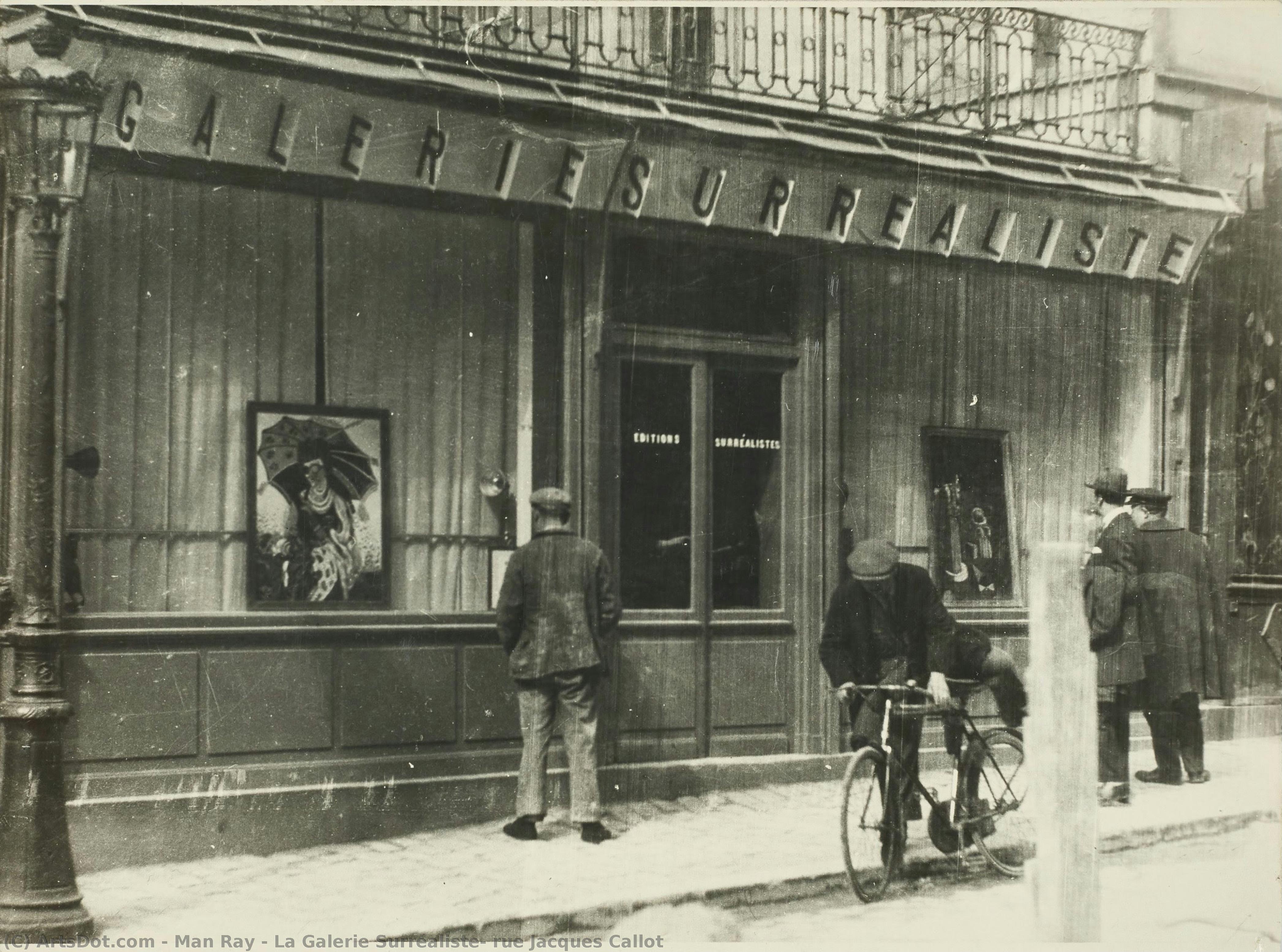
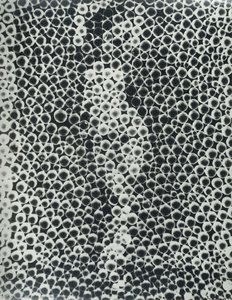
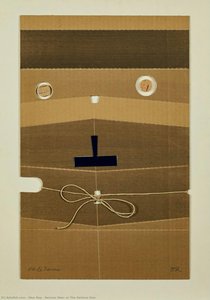
La Galerie Surréaliste, rue Jacques Callot


 Читать далее
Масляная репродукция ручной работы
Картина маслом на холсте в выбранном вами размере и раме, написанная на заказ нашими художниками. ( Перейти к печати Перейти к цифровым изображениям)




P118B $10

P118H $10

P118W $10

P438Z $10

P508JH $12

P508YH $12

P805H $10

P805Z $10

P919BZ $10

P919G $10

P919XJ $10

P959ZH $10

P968JZ $12

W106C $8

W218G $10

W218JH $8

W218Y $10

W307PJ $10

W316G $10

W316PJ $8

W316Y $10

W398PJ $8

W4111J $10

W500HY $15

W500JH $15

W692G $12

W849H $8

W940BG $15

W953PJ $8




Выберите один из наших стандартных размеров, соответствующих оригинальным пропорциям произведения искусства.

Вы можете указать собственные размеры, чтобы картина идеально вписалась в выбранную раму или пространство. Если выбранный вами размер не соответствует пропорциям оригинала, мы либо обрежем полотно, либо расширим его за счет дополнительных элементов, написанных вручную. Цифровой макет будет отправлен вам на утверждение перед началом производства.
Обратите внимание, что предварительный просмотр на экране не отражает фактическую обрезку или расширение. Только макет точно покажет окончательную композицию.
Хотя доступны индивидуальные размеры, мы рекомендуем выбирать вариант из предопределенного списка, чтобы сохранить исходные пропорции.
После оформления заказа команда ArtsDot.com свяжется с клиентом по электронной почте для уточнения деталей и предоставит предварительный макет
Доставка по всему миру () за 3–4 недели вместо стандартных 5 недель. (12 Сентябрь). Без компромиссов в качестве.

Бесплатная экспресс-доставка по всему миру

Высококачественный льняной холст

Полное страхование доставки

Гарантия возмещения таможенных пошлин

Гарантия точного соответствия цветов

100-дневная политика возврата (только при обнаружении дефектов)

Гарантия возврата 100% средств

Предложение оптовых скидок
 Вариант со стеклом доступен только для размеров менее 110 см

La Galerie Surréaliste, rue Jacques Callot
Техника репродукции
Размер репродукции
-


Итоговая стоимость
$ 263
La Galerie Surréaliste et l'Étoile Scellée : Un Voyage au Cœur de la Créativité Dadaiste
La Galerie Surréaliste, située rue Jacques Callot à Paris, fut bien plus qu’une simple adresse artistique ; elle incarnait les aspirations radicales d’une génération marquée par les bouleversements du début du XXe siècle. Fondée en 1926 et dirigée avec passion par Marcel Duchamp et Sophie Babet, cette galerie devint un véritable laboratoire d'expérimentation esthétique et intellectuelle au sein du mouvement Dadaiste et Surrealiste. Son lancement fut une déclaration audacieuse : une volonté de remettre en question les normes établies et d’embrasser une nouvelle forme d’expression artistique libre des contraintes traditionnelles. Cette galerie accueillait des œuvres originales et innovantes, reflétant la diversité des préoccupations artistiques de l'époque et témoignant de l'énergie créatrice qui animait les milieux intellectuels européens.- Les Fondateurs : Marcel Duchamp et Sophie Babet étaient deux figures emblématiques du mouvement Dadaiste, dont le but était de provoquer une réaction contre la guerre et la société bourgeoise. Leur engagement artistique et leur sensibilité critique furent au cœur de l'esprit de la galerie.
- L’Adresse : Située dans le quartier bohème parisien du Marais, la Galerie Surréaliste bénéficiait d’une atmosphère stimulante et propice à la création artistique. Cette localisation géographique reflétait les valeurs du mouvement Dadaiste : liberté individuelle, rejet des conventions sociales et ouverture aux idées nouvelles.
- Les Expositions : Les expositions organisées à la galerie étaient une véritable célébration de l'art brut et de l’expérimentation artistique. Elles accueillaient des œuvres originales réalisées par jeunes artistes émergents et établis, explorant les limites de la peinture et de la sculpture avec une audace sans égale.
Man Ray : L'Innovateur Photographique au Service du Surrealisme
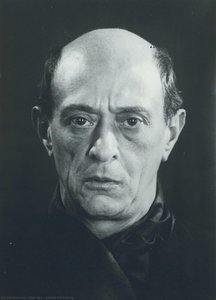
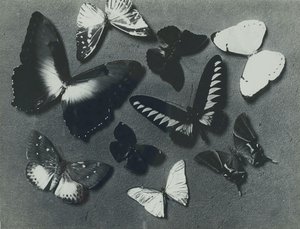
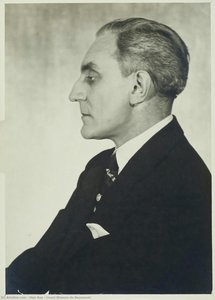
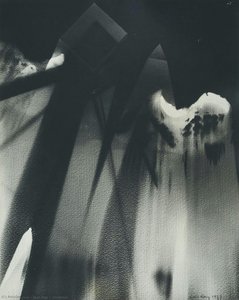
L’artiste américain Man Ray (1890-1976) joua un rôle essentiel dans l’histoire de la photographie et contribua à transformer son statut en une forme d’art autonome. Inspiré par les idées Dadaistes proposées par Marcel Duchamp, il abandonna les conventions picturales pour embrasser une nouvelle esthétique basée sur la lumière et l'ombre, utilisant des techniques innovantes telles que le rayographie et la solaireisation. Cette approche expérimentale lui permit de capturer des phénomènes visuels inédits et d’explorer les profondeurs de l’inconscient humain. Ses œuvres sont devenues des références incontournables pour les photographes contemporains et témoignent de la puissance de la création artistique au travers d'un nouveau médium.- Les Techniques : Man Ray maîtrisait parfaitement les techniques photographiques avancées de son temps, notamment le rayographie (également appelé photographie solaire), qui utilisait une feuille métallique recouverte de particules sensibles à la lumière pour créer des images originales et imprévisibles.
- L’Influence Dadaiste : Son engagement dans le mouvement Dada lui permit de remettre en question les normes esthétiques établies et d’ouvrir la voie à une nouvelle forme d'expression artistique libre des contraintes traditionnelles.
- Les Œuvres Marquantes : Parmi ses œuvres les plus célèbres figurent "La Galerie Surréaliste, rue Jacques Callot" (1926), où il représente une scène urbaine avec une précision remarquable et une attention particulière aux détails atmosphériques, ainsi que "Le Retour à la Raison" (1937), une œuvre abstraite qui reflète les préoccupations philosophiques du mouvement Surrealiste.
Symbolisme et Émotion : Une Nouvelle Vision de l’Art
Les œuvres présentées à la Galerie Surréaliste étaient imprégnées d'une profonde sensibilité émotionnelle et intellectuelle, exprimant les préoccupations esthétiques et philosophiques de l’époque. Les artistes cherchaient à dépasser les limites du réel pour accéder à une autre réalité intérieure, explorant les rêves, les fantasmes et les instincts primitifs avec une liberté sans égale. Cette approche artistique audacieuse reflétait la volonté de remettre en question les valeurs dominantes de la société et d’ouvrir la voie à une nouvelle esthétique basée sur l'imagination et la créativité. Les peintres et sculpteurs étaient animés par une passion pour la beauté et une conviction profonde dans la puissance de l'art comme moyen d'expression et de transformation personnelle.- Les Émotions : Les œuvres étaient conçues pour provoquer des réactions émotionnelles chez le spectateur, suscitant la joie, la tristesse, la peur ou l’émerveillement.
- La Philosophie : Elles reflétaient les idées philosophiques du mouvement Surrealiste, notamment celles de Nietzsche et Freud, qui avaient remis en question les valeurs morales et religieuses traditionnelles.
- L'Expérimentation Artistique : Les artistes étaient déterminés à explorer les limites de la création artistique avec une audace sans égale, utilisant des matériaux nouveaux et des techniques innovantes pour donner vie à leurs visions originales.
Conclusion : Un Héritage Durable dans l’Histoire de l’Art Moderne
La Galerie Surréaliste demeure un symbole de la liberté artistique et intellectuelle du début du XXe siècle, témoignant de la puissance de la création pour remettre en question les normes établies et ouvrir la voie à une nouvelle esthétique. Les œuvres exposées à cette galerie continuent d'inspirer les artistes contemporains et suscitent l’intérêt des amateurs d’art moderne, célébrant ainsi un héritage durable dans l’histoire de l’art occidental.
Биография художника
A Life Illuminated by Shadows
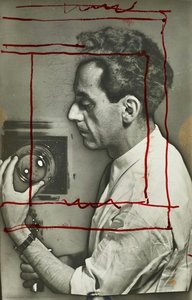
Emmanuel Radnitzky, a name forever intertwined with the enigmatic “Man Ray,” was born in Philadelphia in 1890 into a family of Russian Jewish immigrants. His early life, steeped in the vibrant energy of New York City, proved to be a crucible for his artistic development—a melting pot of European avant-garde influences and the raw, burgeoning spirit of American modernity. From a young age, Ray demonstrated an innate fascination with visual arts, nurtured by his family’s connection to the world of craftsmanship and design. He initially pursued architecture and engineering, but it was art that truly captured his soul, leading him to immerse himself in the galleries and studios of New York's burgeoning artistic scene. This exposure ignited a lifelong passion for experimentation and a relentless desire to break free from conventional boundaries—a characteristic that would define his entire career.Dada, Surrealism, and the Alchemy of Light
Man Ray’s artistic trajectory took an extraordinary turn with his encounter in 1915 with Marcel Duchamp. This meeting sparked a shared rebellion against established norms, propelling them both into the heart of the Dada movement—a visceral response to the devastation of World War I and a profound disillusionment with traditional art forms. Dada wasn’t merely an artistic style; it was a philosophy, a protest, a rejection of logic and reason in favor of chance, absurdity, and the irrational. Ray quickly embraced this spirit, participating actively in the movement's radical experiments—from creating “ready-mades” – ordinary manufactured objects elevated to the status of art – to challenging conventional notions of beauty and value. This rebellious energy fueled his exploration of photography, a medium he would ultimately master with unparalleled innovation. It was during this period that Ray began to develop his signature technique: rayographs—cameraless photographs created by placing objects directly onto light-sensitive paper and exposing them to light. These weren’t mere reproductions; they were entirely new forms of image-making, capturing the essence of their subjects through a process of direct inscription rather than traditional representation. The resulting images possessed an ethereal quality, imbued with a sense of mystery and otherworldliness—a testament to Ray's ability to transform the mundane into the extraordinary.The Surrealist Embrace
Following the collapse of Dada in Paris, Man Ray found himself drawn into the orbit of the Surrealists, led by André Breton. While he never fully identified with any single artistic movement, Ray’s work resonated deeply with the Surrealists' exploration of the unconscious mind, dreams, and the irrational. He embraced their fascination with chance, symbolism, and the juxtaposition of unexpected elements—techniques that informed his photographic portraits, often unsettling yet undeniably captivating. His collaborations with other Surrealist artists, such as Salvador Dalí, further solidified his position within the movement, resulting in a body of work characterized by dreamlike imagery and a rejection of conventional narrative structures. Ray’s approach to photography during this period was profoundly influenced by his interest in psychology and the subconscious—he sought not merely to depict reality but to evoke emotional responses and explore hidden depths of human experience.Beyond Stillness: Film and a Lasting Legacy
Man Ray's artistic curiosity extended beyond still images into the realm of filmmaking. He experimented with innovative techniques, creating short films like *Le Retour à la Raison* (1923) and *L’Étoile de Mer* (1928), which defied conventional cinematic storytelling. These weren’t narratives in the traditional sense; they were visual poems— explorations of form, rhythm, and the subconscious. Ray employed techniques such as stop-motion animation and superimposition to create disorienting and dreamlike effects, pushing the boundaries of what film could achieve. While his film work remained relatively small in volume, it was profoundly influential on subsequent generations of avant-garde filmmakers—demonstrating Ray’s pioneering spirit and his willingness to challenge established cinematic conventions.A Continuing Influence
Man Ray's impact extends far beyond his own lifetime, continuing to resonate with artists and audiences today. His techniques, particularly rayography and solarization, continue to be explored by contemporary photographers. His contributions solidified the Surrealist movement’s visual language and inspired countless artists across disciplines. His pioneering work in film laid the groundwork for future generations of avant-garde filmmakers. Furthermore, his innovative approach to portraiture influenced the development of modern fashion photography. Man Ray remains a pivotal figure in 20th-century art—a true innovator whose work continues to challenge, provoke, and delight. His legacy lies not only in his technical innovations but also in his unwavering commitment to artistic freedom and his relentless pursuit of the impossible—a testament to the enduring power of vision and creativity.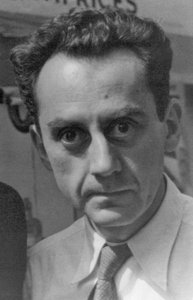
Ман Рей
1890 - 1976 , США
Основные сведения
- Artistic Movement Or Style: Дада, Сюрреализм
- Artists Or Movements Influenced By This Artist: ['Сюрреализм']
- Artists Who Influenced This Artist: ['Marcel Duchamp']
- Date Of Birth: 27 августа 1890
- Date Of Death: 18 ноября 1976
- Full Name: Emmanuel Radnitzky
- Nationality: Американский
- Notable Artworks:
- Rayographs
- Le Retour à la Raison
- L'Étoile de Mer
- Place Of Birth: Филадельфия, США
Похожие статьи

Pictorialism: A Search for Artistic Photography's Soul – Aesthetics, Techniques & Legacy
Explore the captivating world of Pictorialism – a pivotal movement that transformed photography into fine art. Discover key artists like Stieglitz & Käsebier, techniques, and collecting tips from experts.
Witnessing History Through Lens & Light: Documentary Photography's Enduring Legacy
Explore the powerful history of documentary photography – from its origins to contemporary masters like Gordon Parks & W. Eugene Smith. Discover how this art form shapes our understanding of society and witness pivotal moments in time.
Mikhail Larionov: Rayonism, Primitivism & the Dawn of Russian Avant-Garde Painting
Explore the revolutionary art of Mikhail Larionov & the Russian Avant-Garde. Discover Rayonism, Primitivism's influence, and his lasting impact on modern painting. Expert insights for collectors.

Monochrome Visions: Exploring the Aesthetic & Historical Significance of Black & White Photography
Explore the rich history & artistic power of black and white photography. From early techniques to iconic masters like Ansel Adams, discover why monochrome continues to captivate art lovers today. Expert insights for collectors.

Beyond the Lens: Photography's Enduring Influence on Modern & Contemporary Art
Explore photography's pivotal role in shaping modern & contemporary art. Discover key movements, influential artists like Stieglitz, and expert collecting advice from ArtsDot.