 Предпросмотр
 Поделиться
 Поделиться
 Детали произведения

 Скачать
 Похожие работы
 Рентгенография
 Слайд-шоу
 Статистика
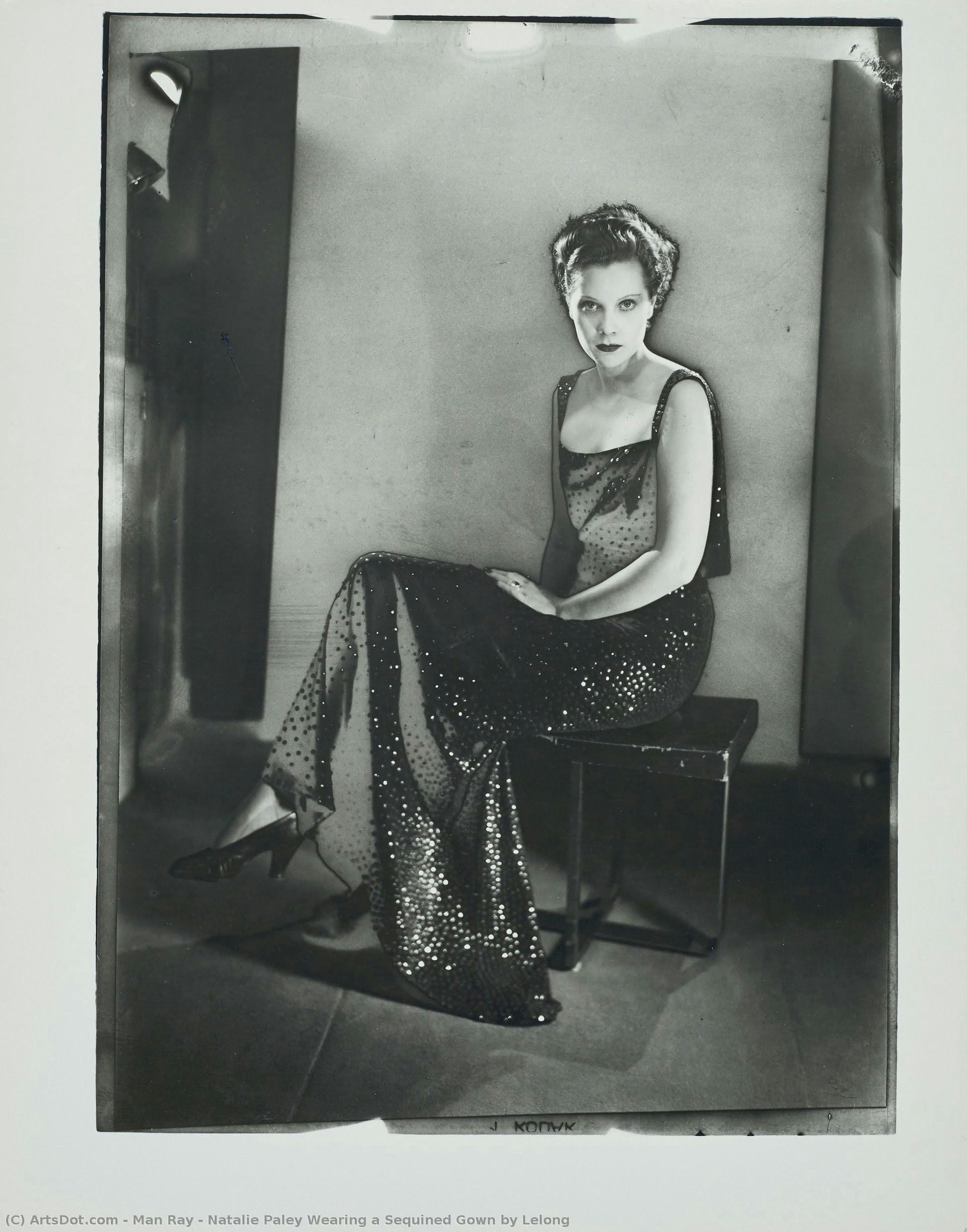
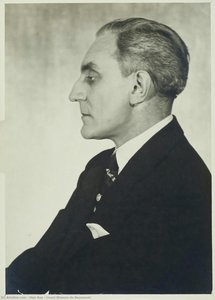
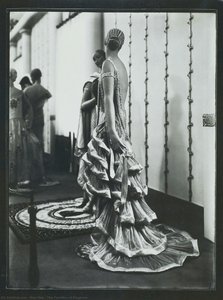
Natalie Paley Wearing a Sequined Gown by Lelong


 Читать далее
Жикле / Арт-принт
Печать (жикле) или холст музейного качества с быстрыми сроками изготовления и широким выбором вариантов отделки. ( Купить картину ручной работы Перейти к цифровым изображениям)




P118B $10

P118H $10

P118W $10

P438Z $10

P508JH $12

P508YH $12

P805H $10

P805Z $10

P919BZ $10

P919G $10

P919XJ $10

P959ZH $10

P968JZ $12

W106C $8

W218G $10

W218JH $8

W218Y $10

W307PJ $10

W316G $10

W316PJ $8

W316Y $10

W398PJ $8

W4111J $10

W500HY $15

W500JH $15

W692G $12

W849H $8

W940BG $15

W953PJ $8




Выберите один из наших стандартных размеров, соответствующих оригинальным пропорциям произведения искусства.

Вы можете указать свои собственные размеры, чтобы репродукция идеально подошла под конкретную раму или пространство. Если выбранный вами размер не будет соответствовать пропорциям оригинала, мы либо обрежем произведение, либо дополним изображение зеркальным отражением краев или однотонной заливкой. Перед началом производства вам будет отправлен цифровой макет для утверждения.
Пожалуйста, обратите внимание, что предварительный просмотр на экране не отображает фактическую обрезку или расширение изображения. Только макет точно покажет финальную композицию.
Несмотря на возможность заказа индивидуальных размеров, мы рекомендуем выбирать размер из предопределенного списка, чтобы сохранить оригинальные пропорции.
Доставка по всему миру () за 2 недели вместо стандартных 4/5 недель. (11 Сентябрь)

Бесплатная экспресс-доставка по всему миру

Высококачественный льняной холст

Полное страхование доставки

Гарантия возмещения таможенных пошлин

Гарантия точного соответствия цветов

100-дневная политика возврата (только при обнаружении дефектов)

Гарантия возврата 100% средств

Предложение оптовых скидок
 Вариант со стеклом доступен только для размеров менее 110 см

Natalie Paley Wearing a Sequined Gown by Lelong
Жикле / Арт-принт
Размер репродукции
-


Итоговая стоимость
$ 62
Natalie Paley Wearing a Sequined Gown by Lelong - A Surrealist Portrait of Glamour
The photograph captures Natalie Paley draped in a shimmering gown by Lelong, a testament to Man Ray’s masterful manipulation of light and shadow—a cornerstone of his groundbreaking approach to portraiture. Born Emmanuel Radnitzky in Philadelphia in 1890, Ray embarked on an artistic odyssey fueled by Dadaist ideals championed by Marcel Duchamp, transforming photography from mere documentation into a vehicle for challenging conventions and exploring subconscious realms. This pivotal encounter propelled him beyond the confines of traditional painting, initiating a prolific career encompassing sculpture, cinema, and avant-garde printmaking—a legacy cemented as one of the foremost figures in Surrealism.- Historical Context: The early 1920s witnessed an explosion of artistic innovation across Europe, driven by disillusionment with bourgeois values and a fervent desire to liberate creativity from societal constraints. Dadaism emerged as a defiant reaction against rationality and war, prioritizing absurdity and chance—principles that profoundly influenced Ray’s aesthetic sensibilities.
- Style & Technique: Man Ray's signature style fused realism with dreamlike distortion, achieved primarily through platinum printing—a technique renowned for its tonal richness and archival stability. This process meticulously captures subtle nuances of light and texture, creating an image imbued with both visual beauty and psychological depth.
Composition & Visual Narrative
The photograph’s vertical orientation emphasizes Paley's stature, positioning her centrally within the frame—a deliberate choice that directs the viewer’s gaze directly to her attire. Minimal background space amplifies this focus, isolating Paley and elevating the gown as the dominant visual element. The subtle architectural detail on the left serves as a grounding counterpoint, subtly reinforcing the image's sense of spatial awareness.- Color Palette & Tone: Entirely grayscale, the photograph utilizes tonal variations to sculpt form and convey mood—a masterful demonstration of Ray’s ability to evoke emotion without resorting to color. Deep blacks and bright whites generate striking contrast, highlighting Paley's face and gown while establishing a dramatic interplay of light and shadow.
- Lighting & Perspective: Diffused lighting casts soft shadows across Paley’s visage, creating an ethereal glow that complements the gown’s luminescence. The frontal perspective offers a straightforward view of the subject—a stylistic decision consistent with Ray's commitment to capturing subjects in their natural pose.
Symbolism & Emotional Resonance
The sequined gown embodies glamour and aspiration, symbolizing Paley’s status as a fashionable icon of her era. Simultaneously, Man Ray imbues the image with an aura of mystery—a hallmark of Surrealist art—encouraging contemplation about inner states and subconscious desires. The photograph transcends mere representation, inviting viewers to engage in a dialogue with its visual language and unlocking layers of emotional significance.Ultimately, “Natalie Paley Wearing a Sequined Gown by Lelong” stands as an enduring emblem of artistic experimentation—a captivating portrait that exemplifies Man Ray’s visionary genius and cements his place among the titans of 20th-century art. Its timeless beauty continues to inspire collectors and designers alike.

Биография художника
A Life Illuminated by Shadows
Emmanuel Radnitzky, a name forever intertwined with the enigmatic “Man Ray,” was born in Philadelphia in 1890 into a family of Russian Jewish immigrants. His early life, steeped in the vibrant energy of New York City, proved to be a crucible for his artistic development—a melting pot of European avant-garde influences and the raw, burgeoning spirit of American modernity. From a young age, Ray demonstrated an innate fascination with visual arts, nurtured by his family’s connection to the world of craftsmanship and design. He initially pursued architecture and engineering, but it was art that truly captured his soul, leading him to immerse himself in the galleries and studios of New York's burgeoning artistic scene. This exposure ignited a lifelong passion for experimentation and a relentless desire to break free from conventional boundaries—a characteristic that would define his entire career.Dada, Surrealism, and the Alchemy of Light
Man Ray’s artistic trajectory took an extraordinary turn with his encounter in 1915 with Marcel Duchamp. This meeting sparked a shared rebellion against established norms, propelling them both into the heart of the Dada movement—a visceral response to the devastation of World War I and a profound disillusionment with traditional art forms. Dada wasn’t merely an artistic style; it was a philosophy, a protest, a rejection of logic and reason in favor of chance, absurdity, and the irrational. Ray quickly embraced this spirit, participating actively in the movement's radical experiments—from creating “ready-mades” – ordinary manufactured objects elevated to the status of art – to challenging conventional notions of beauty and value. This rebellious energy fueled his exploration of photography, a medium he would ultimately master with unparalleled innovation. It was during this period that Ray began to develop his signature technique: rayographs—cameraless photographs created by placing objects directly onto light-sensitive paper and exposing them to light. These weren’t mere reproductions; they were entirely new forms of image-making, capturing the essence of their subjects through a process of direct inscription rather than traditional representation. The resulting images possessed an ethereal quality, imbued with a sense of mystery and otherworldliness—a testament to Ray's ability to transform the mundane into the extraordinary.The Surrealist Embrace
Following the collapse of Dada in Paris, Man Ray found himself drawn into the orbit of the Surrealists, led by André Breton. While he never fully identified with any single artistic movement, Ray’s work resonated deeply with the Surrealists' exploration of the unconscious mind, dreams, and the irrational. He embraced their fascination with chance, symbolism, and the juxtaposition of unexpected elements—techniques that informed his photographic portraits, often unsettling yet undeniably captivating. His collaborations with other Surrealist artists, such as Salvador Dalí, further solidified his position within the movement, resulting in a body of work characterized by dreamlike imagery and a rejection of conventional narrative structures. Ray’s approach to photography during this period was profoundly influenced by his interest in psychology and the subconscious—he sought not merely to depict reality but to evoke emotional responses and explore hidden depths of human experience.Beyond Stillness: Film and a Lasting Legacy
Man Ray's artistic curiosity extended beyond still images into the realm of filmmaking. He experimented with innovative techniques, creating short films like *Le Retour à la Raison* (1923) and *L’Étoile de Mer* (1928), which defied conventional cinematic storytelling. These weren’t narratives in the traditional sense; they were visual poems— explorations of form, rhythm, and the subconscious. Ray employed techniques such as stop-motion animation and superimposition to create disorienting and dreamlike effects, pushing the boundaries of what film could achieve. While his film work remained relatively small in volume, it was profoundly influential on subsequent generations of avant-garde filmmakers—demonstrating Ray’s pioneering spirit and his willingness to challenge established cinematic conventions.A Continuing Influence
Man Ray's impact extends far beyond his own lifetime, continuing to resonate with artists and audiences today. His techniques, particularly rayography and solarization, continue to be explored by contemporary photographers. His contributions solidified the Surrealist movement’s visual language and inspired countless artists across disciplines. His pioneering work in film laid the groundwork for future generations of avant-garde filmmakers. Furthermore, his innovative approach to portraiture influenced the development of modern fashion photography. Man Ray remains a pivotal figure in 20th-century art—a true innovator whose work continues to challenge, provoke, and delight. His legacy lies not only in his technical innovations but also in his unwavering commitment to artistic freedom and his relentless pursuit of the impossible—a testament to the enduring power of vision and creativity.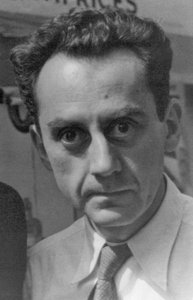
Ман Рей
1890 - 1976 , США
Основные сведения
- Artistic Movement Or Style: Дада, Сюрреализм
- Artists Or Movements Influenced By This Artist: ['Сюрреализм']
- Artists Who Influenced This Artist: ['Marcel Duchamp']
- Date Of Birth: 27 августа 1890
- Date Of Death: 18 ноября 1976
- Full Name: Emmanuel Radnitzky
- Nationality: Американский
- Notable Artworks:
- Rayographs
- Le Retour à la Raison
- L'Étoile de Mer
- Place Of Birth: Филадельфия, США
Похожие статьи
Beyond the Lens: Photography's Enduring Influence on Modern & Contemporary Art
Explore photography's pivotal role in shaping modern & contemporary art. Discover key movements, influential artists like Stieglitz, and expert collecting advice from ArtsDot.

Monochrome Visions: Exploring the Aesthetic & Historical Significance of Black & White Photography
Explore the rich history & artistic power of black and white photography. From early techniques to iconic masters like Ansel Adams, discover why monochrome continues to captivate art lovers today. Expert insights for collectors.

Белые шедевры: 10 знаменитых картин, покоривших мир (репродукции, декор)
Откройте для себя 10 знаменитых картин, где белый цвет – главный герой! Моне, Дега и другие мастера. История искусства, техники живописи и вдохновение для вашего интерьера. Репродукции высокого качества на ArtsDot.com
Timeless & Chic: Elevating Your New Home with the Sophistication of Black and White Photography
Transform your new home with the timeless allure of black and white photography. ArtsDot.com specializes in elegant monochrome decor and custom hand-painted wedding portraits that turn cherished milestones into lasting, soulful masterpieces. Elevate your space with ease.

Топ-10 знаменитых картин в черных тонах: шедевры искусства для вашего интерьера
Погрузитесь в мир темных шедевров! Топ-10 знаменитых картин в черных тонах от Гойи, Рембрандта и Мунка. История искусства, техники живописи и вдохновение для вашего интерьера. Купите репродукции высокого качества на ArtsDot.com