

 Поделиться
 Поделиться
 Детали произведения

 Скачать
 Похожие работы
 Слайд-шоу
 Статистика
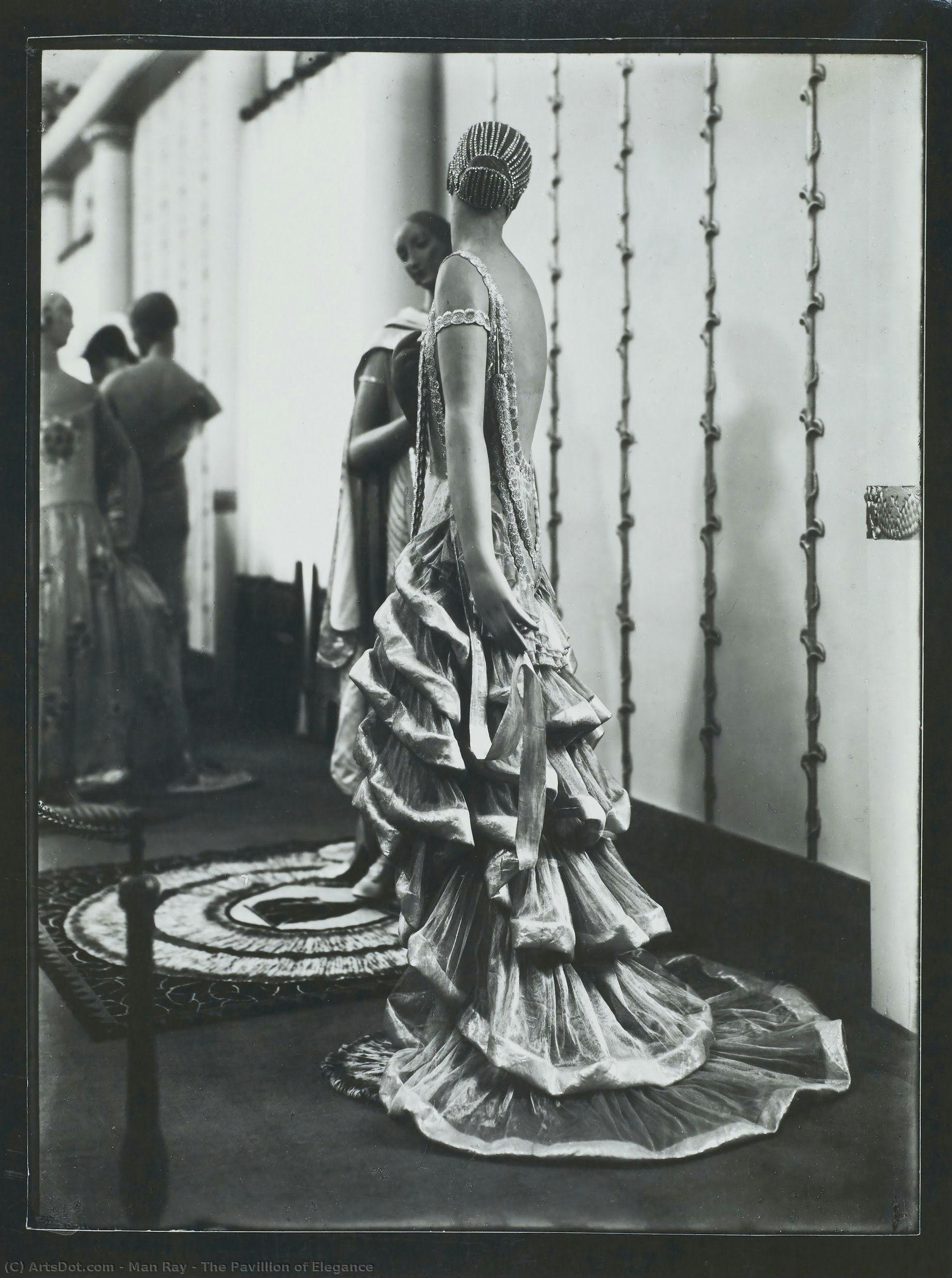
The Pavillion of Elegance


 Читать далее
Приобретите цифровое изображение высокого разрешения в улучшенном качестве, которое значительно превосходит онлайн-превью.
Каждый файл тщательно подготавливается нашими специалистами с использованием передовых инструментов и экспертной ручной ретуши. Мы гарантируем исключительную четкость, точную цветопередачу и детальную проработку каждого изображения.
Финальный файл доставляется по электронной почте в течение 72 часов и оптимизирован для немедленного использования в профессиональной среде, при верстке и печати. Это тот же уровень качества, которому доверяют ведущие дизайнерские студии, издательства и галереи.
Цифровое изображение
Скачайте файл высокого разрешения для личного использования, печати и творческих проектов. ( Перейти к печати Купить картину ручной работы)
Включено в каждый заказ цифровых изображений
Гарантия экспертной цифровой доставки
Выбирая ArtsDot.com, вы получаете не просто изображение — вы приобретаете профессионально обработанное цифровое произведение искусства, созданное с безупречной точностью и под защитой гарантии качества. Вот всё, что автоматически входит в ваш заказ:

Мгновенная доставка по e-mail
Ваш цифровой файл в высоком разрешении будет отправлен вам по электронной почте в течение 72 часов после оформления заказа — и сразу станет доступен для использования.

Цифровой файл с ИИ-улучшением
Ваше произведение искусства проходит профессиональную оптимизацию с использованием передовых инструментов ИИ и ручной обработки, что гарантирует максимальную детализацию, четкость и точность цветопередачи.

Бессрочная бесплатная повторная доставка
Случайно удалили или потеряли файл? Не беспокойтесь — мы отправим его вам повторно в любое время и совершенно бесплатно.

Без импортных пошлин — навсегда
Наслаждайтесь вашим произведением искусства мгновенно без таможенных пошлин, сборов или затрат на доставку — цифровые загрузки всегда не облагаются налогом.

Гарантия точности цветопередачи
Мы гарантируем, что ваше цифровое изображение максимально точно передает оригинальные цвета благодаря использованию профессиональных инструментов и систем управления цветом.

Гарантия удовлетворенности 100 дней
Если вы не будете удовлетворены своим цифровым изображением, мы внесем правки или вернем 100% стоимости в течение 100 дней — без лишних вопросов.

100% Гарантия возврата средств
Не удовлетворены покупкой? Получите полный возврат средств в течение 100 дней после получения цифрового файла — без лишних вопросов.

Скидки на оптовые заказы
Купите 3 изображения, сэкономьте 10% — Купите 5, сэкономьте 15% — Купите 10+, сэкономьте 20%. Отличное решение для творческих проектов, галерей и агентств.
The Uncanny Echoes of Parisian Elegance
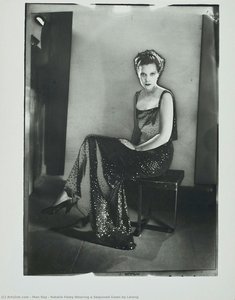
To gaze upon this image is to step directly into the shimmering, slightly unsettling dreamscape of 1925 Paris. It captures not merely a moment in time, but an entire cultural sensibility—the breathless anticipation surrounding modern fashion and the burgeoning power of the photographic gaze. The subject, a woman draped in what appears to be an ocean green Georgette crepe, moves with an almost choreographed grace down a sun-dappled thoroughfare or grand hallway. Her train flows behind her like captured mist, lending her an air of untouchable sophistication. Yet, it is the context that elevates this photograph from a simple street scene to a profound artistic statement.
Man Ray and the Art of the Artificial Figure
This work is inextricably linked to the revolutionary vision of Man Ray. While the photo depicts a living figure, its genesis lies in his pioneering fascination with the mannequin—the artificial proxy for human beauty. In 1925, at the International Decorative Art Exhibition, Man Ray’s photographs featuring these wax figures became sensation. He masterfully exploited the trompe-l’œil, creating images so perfectly rendered that the boundary between life and art dissolved before the viewer's eyes. This photograph echoes that very principle: the studied pose, the flawless drape of fabric, suggesting a perfection that is both aspirational and slightly alien.
Symbolism in Stillness and Motion
The symbolism here is rich with modernist tension. The elegant woman represents the idealized modern Parisian woman—a figure defined by fashion, movement, and an almost theatrical self-possession. However, the very act of photographing this studied elegance, especially when recalling the mannequin's fixed pose, introduces a subtle undercurrent of the Uncanny. Are we observing genuine spontaneity, or is it a meticulously arranged tableau? This duality—the breathtaking beauty juxtaposed with the mechanical perfection—is what captivated the Surrealists and continues to resonate with collectors today. It speaks to the constructed nature of glamour itself.
A Touch for the Modern Interior
For the discerning collector or designer, this piece offers more than mere decoration; it offers narrative depth. Reproducing this image allows one to infuse a space with an aura of sophisticated, avant-garde history. Imagine it displayed in a salon where art and fashion intersect—a visual conversation starter that whispers tales of Dadaism, Surrealism, and the golden age of Parisian style. The black and white medium lends a timeless gravitas, allowing the texture of the fabric and the sweep of the silhouette to become the primary focus, making it a stunning anchor for any richly decorated room.

Биография художника
A Life Illuminated by Shadows
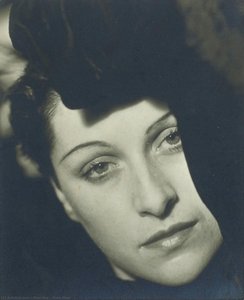
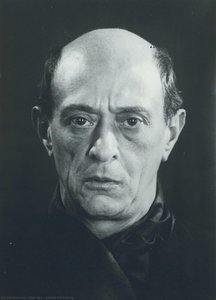
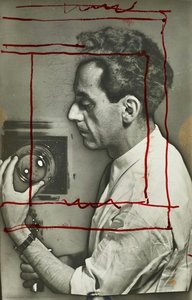
Emmanuel Radnitzky, a name forever intertwined with the enigmatic “Man Ray,” was born in Philadelphia in 1890 into a family of Russian Jewish immigrants. His early life, steeped in the vibrant energy of New York City, proved to be a crucible for his artistic development—a melting pot of European avant-garde influences and the raw, burgeoning spirit of American modernity. From a young age, Ray demonstrated an innate fascination with visual arts, nurtured by his family’s connection to the world of craftsmanship and design. He initially pursued architecture and engineering, but it was art that truly captured his soul, leading him to immerse himself in the galleries and studios of New York's burgeoning artistic scene. This exposure ignited a lifelong passion for experimentation and a relentless desire to break free from conventional boundaries—a characteristic that would define his entire career.Dada, Surrealism, and the Alchemy of Light
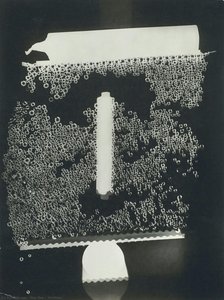
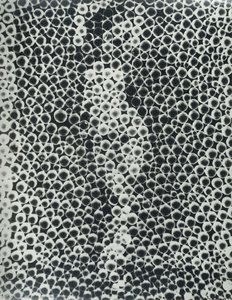
Man Ray’s artistic trajectory took an extraordinary turn with his encounter in 1915 with Marcel Duchamp. This meeting sparked a shared rebellion against established norms, propelling them both into the heart of the Dada movement—a visceral response to the devastation of World War I and a profound disillusionment with traditional art forms. Dada wasn’t merely an artistic style; it was a philosophy, a protest, a rejection of logic and reason in favor of chance, absurdity, and the irrational. Ray quickly embraced this spirit, participating actively in the movement's radical experiments—from creating “ready-mades” – ordinary manufactured objects elevated to the status of art – to challenging conventional notions of beauty and value. This rebellious energy fueled his exploration of photography, a medium he would ultimately master with unparalleled innovation. It was during this period that Ray began to develop his signature technique: rayographs—cameraless photographs created by placing objects directly onto light-sensitive paper and exposing them to light. These weren’t mere reproductions; they were entirely new forms of image-making, capturing the essence of their subjects through a process of direct inscription rather than traditional representation. The resulting images possessed an ethereal quality, imbued with a sense of mystery and otherworldliness—a testament to Ray's ability to transform the mundane into the extraordinary.The Surrealist Embrace
Following the collapse of Dada in Paris, Man Ray found himself drawn into the orbit of the Surrealists, led by André Breton. While he never fully identified with any single artistic movement, Ray’s work resonated deeply with the Surrealists' exploration of the unconscious mind, dreams, and the irrational. He embraced their fascination with chance, symbolism, and the juxtaposition of unexpected elements—techniques that informed his photographic portraits, often unsettling yet undeniably captivating. His collaborations with other Surrealist artists, such as Salvador Dalí, further solidified his position within the movement, resulting in a body of work characterized by dreamlike imagery and a rejection of conventional narrative structures. Ray’s approach to photography during this period was profoundly influenced by his interest in psychology and the subconscious—he sought not merely to depict reality but to evoke emotional responses and explore hidden depths of human experience.Beyond Stillness: Film and a Lasting Legacy
Man Ray's artistic curiosity extended beyond still images into the realm of filmmaking. He experimented with innovative techniques, creating short films like *Le Retour à la Raison* (1923) and *L’Étoile de Mer* (1928), which defied conventional cinematic storytelling. These weren’t narratives in the traditional sense; they were visual poems— explorations of form, rhythm, and the subconscious. Ray employed techniques such as stop-motion animation and superimposition to create disorienting and dreamlike effects, pushing the boundaries of what film could achieve. While his film work remained relatively small in volume, it was profoundly influential on subsequent generations of avant-garde filmmakers—demonstrating Ray’s pioneering spirit and his willingness to challenge established cinematic conventions.A Continuing Influence
Man Ray's impact extends far beyond his own lifetime, continuing to resonate with artists and audiences today. His techniques, particularly rayography and solarization, continue to be explored by contemporary photographers. His contributions solidified the Surrealist movement’s visual language and inspired countless artists across disciplines. His pioneering work in film laid the groundwork for future generations of avant-garde filmmakers. Furthermore, his innovative approach to portraiture influenced the development of modern fashion photography. Man Ray remains a pivotal figure in 20th-century art—a true innovator whose work continues to challenge, provoke, and delight. His legacy lies not only in his technical innovations but also in his unwavering commitment to artistic freedom and his relentless pursuit of the impossible—a testament to the enduring power of vision and creativity.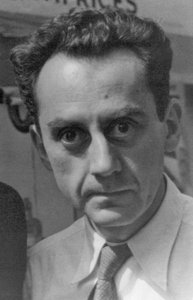
Ман Рей
1890 - 1976 , США
Основные сведения
- Artistic Movement Or Style: Дада, Сюрреализм
- Artists Or Movements Influenced By This Artist: ['Сюрреализм']
- Artists Who Influenced This Artist: ['Marcel Duchamp']
- Date Of Birth: 27 августа 1890
- Date Of Death: 18 ноября 1976
- Full Name: Emmanuel Radnitzky
- Nationality: Американский
- Notable Artworks:
- Rayographs
- Le Retour à la Raison
- L'Étoile de Mer
- Place Of Birth: Филадельфия, США