

 Предпросмотр
 Поделиться
 Поделиться
 Детали произведения

 Скачать
 Похожие работы
 Рентгенография
 Слайд-шоу
 Статистика
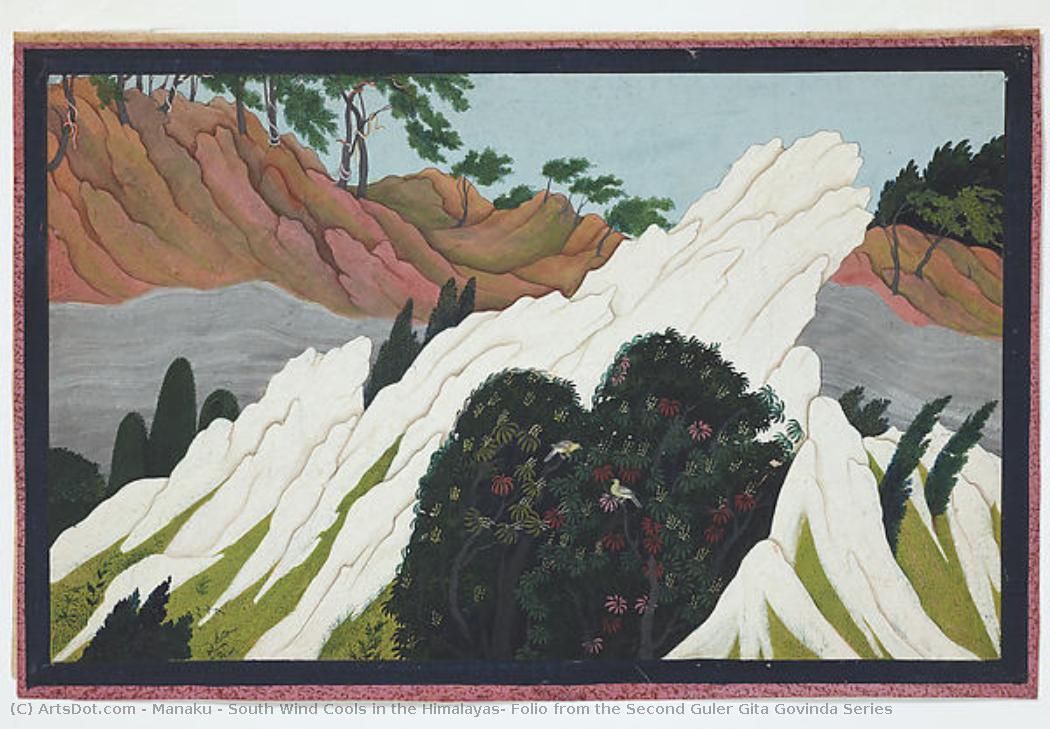
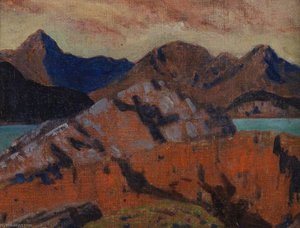
South Wind Cools in the Himalayas: Folio from the Second Guler Gita Govinda Series
 1775
1775 18.0 x 27.0 cm
 Читать далее
Приобретите цифровое изображение высокого разрешения в улучшенном качестве, которое значительно превосходит онлайн-превью.
Каждый файл тщательно подготавливается нашими специалистами с использованием передовых инструментов и экспертной ручной ретуши. Мы гарантируем исключительную четкость, точную цветопередачу и детальную проработку каждого изображения.
Финальный файл доставляется по электронной почте в течение 72 часов и оптимизирован для немедленного использования в профессиональной среде, при верстке и печати. Это тот же уровень качества, которому доверяют ведущие дизайнерские студии, издательства и галереи.
Цифровое изображение
Скачайте файл высокого разрешения для личного использования, печати и творческих проектов. ( Перейти к печати Купить картину ручной работы)
Включено в каждый заказ цифровых изображений
Гарантия экспертной цифровой доставки
Выбирая ArtsDot.com, вы получаете не просто изображение — вы приобретаете профессионально обработанное цифровое произведение искусства, созданное с безупречной точностью и под защитой гарантии качества. Вот всё, что автоматически входит в ваш заказ:

Мгновенная доставка по e-mail
Ваш цифровой файл в высоком разрешении будет отправлен вам по электронной почте в течение 72 часов после оформления заказа — и сразу станет доступен для использования.

Цифровой файл с ИИ-улучшением
Ваше произведение искусства проходит профессиональную оптимизацию с использованием передовых инструментов ИИ и ручной обработки, что гарантирует максимальную детализацию, четкость и точность цветопередачи.

Бессрочная бесплатная повторная доставка
Случайно удалили или потеряли файл? Не беспокойтесь — мы отправим его вам повторно в любое время и совершенно бесплатно.

Без импортных пошлин — навсегда
Наслаждайтесь вашим произведением искусства мгновенно без таможенных пошлин, сборов или затрат на доставку — цифровые загрузки всегда не облагаются налогом.

Гарантия точности цветопередачи
Мы гарантируем, что ваше цифровое изображение максимально точно передает оригинальные цвета благодаря использованию профессиональных инструментов и систем управления цветом.

Гарантия удовлетворенности 100 дней
Если вы не будете удовлетворены своим цифровым изображением, мы внесем правки или вернем 100% стоимости в течение 100 дней — без лишних вопросов.

100% Гарантия возврата средств
Не удовлетворены покупкой? Получите полный возврат средств в течение 100 дней после получения цифрового файла — без лишних вопросов.

Скидки на оптовые заказы
Купите 3 изображения, сэкономьте 10% — Купите 5, сэкономьте 15% — Купите 10+, сэкономьте 20%. Отличное решение для творческих проектов, галерей и агентств.
Похожие произведения






Биография художника
Manaku: A Rediscovered Master of Pahari Painting
Life and Obscurity
- Born around 1700 in Guler, a small hill state in present-day Himachal Pradesh, India.
- Died in 1760. His life remains largely shrouded in obscurity, overshadowed by the fame of his younger brother, Nainsukh.
- Rediscovery: For centuries, Manaku’s contributions were almost entirely forgotten until art historians like B.N. Goswamy brought his work to light and recognized his significant role in Pahari painting.
Artistic Style and Influences
- Pahari Painting: Manaku is now celebrated as a key exponent of the Pahari style, characterized by its delicate brushwork, vibrant colors, and focus on themes from Hindu mythology and courtly life.
- Mughal Influence: The art of Guler, and thus Manaku’s work, was significantly influenced by the waning Mughal Empire. Artists migrating from the Mughal courts brought with them techniques and aesthetics that blended with local traditions.
- His father, Seu, a prominent artist himself, served as an early mentor, instilling in him foundational skills and artistic principles.
Major Works and Themes
- Rama Releases the Demon Spies: (folio from the Siege of Lanka series) – A powerful depiction of a pivotal moment from the Ramayana, showcasing Manaku’s skill in narrative storytelling.
- South Wind Cools in the Himalayas: (folio from the Second Guler Gita Govinda series) – Demonstrates his mastery in portraying scenes from the Gita Govinda, a celebrated work of Sanskrit poetry focused on the love between Krishna and Radha.
- Hiranyakashipu Commands His Demon Warriors: (preparatory drawing from the ‘Small Bhagavata Purana’ series) – Exemplifies his ability to convey complex narratives with dynamic composition and expressive figures.
- His works often feature themes of devotion, heroism, love, and the eternal struggle between good and evil.
Artistic Development & Achievements
- Only four extant works bear Manaku’s signature, making each piece exceptionally valuable and insightful into his artistic practice.
- Unique Vision: While influenced by Mughal aesthetics, Manaku developed a distinct style characterized by a refined sense of color, delicate detailing, and an ability to capture emotional depth in his figures.
- He contributed significantly to the development of Pahari painting, establishing a foundation for future generations of artists in the region.
Historical Significance & Legacy
- Manaku’s rediscovery has enriched our understanding of 18th-century Indian art and the vibrant artistic traditions of the Pahari region.
- Family Atelier: He was part of a prolific family of artists – the Seu-Manaku-Nainsukh lineage – that played a crucial role in shaping the course of Pahari painting for over 150 years.
- His work continues to inspire art enthusiasts and scholars, offering a glimpse into a rich cultural heritage and the artistic brilliance of a previously overlooked master.
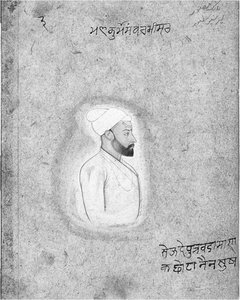
Manaku
1760 , India
Основные сведения
- Birth_Date: c. 1700
- Birth_Place: Guler, India
- Death_Date: 1760
- Influenced: Nainsukh
- Influenced_By: Mughal painting (through Seu)
- Movement: Pahari Painting
- Name: Manaku
- Nationality: Indian
- Notable_Works:
- Rama releases the demon spies Shuka and Sarana
- South Wind cools in the Himalayas
- Hiranyakashipu commands his demon warriors to threaten and injure Prahlada