

 Поделиться
 Поделиться
 Детали произведения

 Скачать
 Похожие работы
 Слайд-шоу
 Статистика
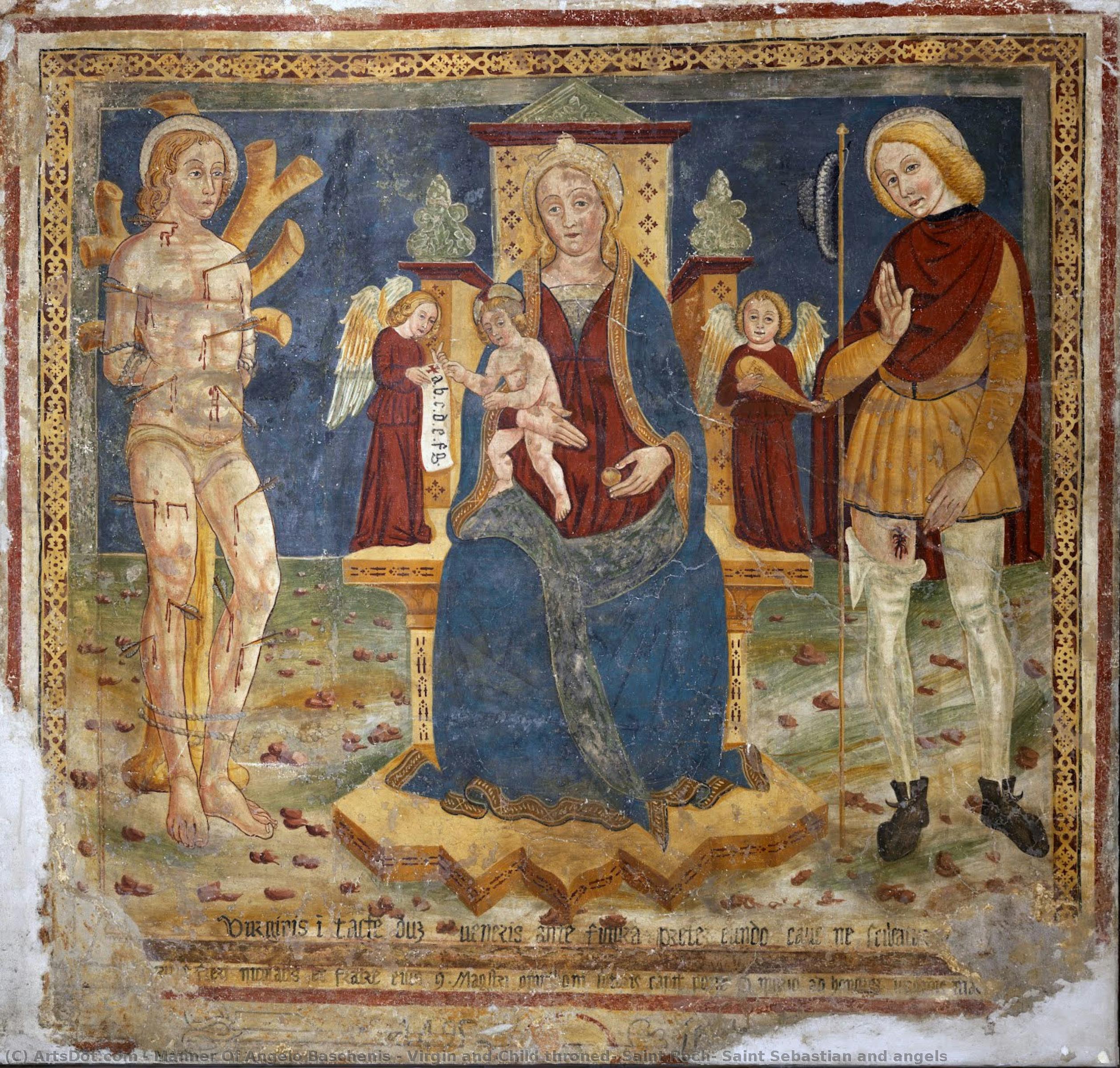
Virgin and Child throned, Saint Roch, Saint Sebastian and angels


 Читать далее
Масляная репродукция ручной работы
Картина маслом на холсте в выбранном вами размере и раме, написанная на заказ нашими художниками. ( Перейти к печати Перейти к цифровым изображениям)




































Выберите один из наших стандартных размеров, соответствующих оригинальным пропорциям произведения искусства.

Вы можете указать собственные размеры, чтобы картина идеально вписалась в выбранную раму или пространство. Если выбранный вами размер не соответствует пропорциям оригинала, мы либо обрежем полотно, либо расширим его за счет дополнительных элементов, написанных вручную. Цифровой макет будет отправлен вам на утверждение перед началом производства.
Обратите внимание, что предварительный просмотр на экране не отражает фактическую обрезку или расширение. Только макет точно покажет окончательную композицию.
Хотя доступны индивидуальные размеры, мы рекомендуем выбирать вариант из предопределенного списка, чтобы сохранить исходные пропорции.
После оформления заказа команда ArtsDot.com свяжется с клиентом по электронной почте для уточнения деталей и предоставит предварительный макет
Доставка по всему миру () за 3–4 недели вместо стандартных 5 недель. (13 Сентябрь). Без компромиссов в качестве.

Бесплатная экспресс-доставка по всему миру

Высококачественный льняной холст

Полное страхование доставки

Гарантия возмещения таможенных пошлин

Гарантия точного соответствия цветов

100-дневная политика возврата (только при обнаружении дефектов)

Гарантия возврата 100% средств

Предложение оптовых скидок
 Вариант со стеклом доступен только для размеров менее 110 см

Virgin and Child throned, Saint Roch, Saint Sebastian and angels
Техника репродукции
Размер репродукции
-


Итоговая стоимость
$ 263
Похожие произведения
Биография художника
The Legacy of the Baschenis Workshop
To understand the artistry of Angelo Baschenis is to step into a world where art was not merely an individual expression, but a sacred lineage passed through generations of hands. Documented from approximately 1450 to 1504, Angelo stood as a vital pillar within one of Italy’s most remarkable families of itinerant painters. Hailing from the small hamlet of Colle in the Bergamo province, the Baschenis family operated a prolific workshop that traversed the rugged landscapes of the Val di Non and Val Rendena. This was no ordinary group of craftsmen; they were part of the Lanfranco dynasty, a lineage of artists whose dedication to the fresco medium shaped the spiritual and visual identity of the Trentino and Bergamo regions for centuries.
The life of Angelo was deeply intertwined with the traditions of his father, Giacomo, and his brother, Antonio. Growing up in an environment where the scent of wet lime and the preparation of pigments were daily realities, Angelo received a masterclass in the buon fresco technique. This training allowed him to contribute to a shared aesthetic that blended the fading echoes of Medieval Gothic traditions with the emerging light of the Renaissance. His work was characterized by a unique ability to marry monumental, rigid figures with a certain naive, heartfelt expression—a style that resonated deeply with the local communities for whom these religious narratives were both instructional and devotional.
Mastery of Fresco and Symbolic Narrative
The artistry of the Baschenis manner is defined by its exquisite attention to ornamental detail and its ability to transform cold stone walls into luminous, heavenly realms. Angelo’s technique often involved a sophisticated layering process, utilizing buon fresco for the primary composition and applying dry finishing techniques to capture the delicate nuances of texture and light. One of the most captivating elements of his style was the use of stencils, or stampi, to create intricate floral friezes, architectural frames, and swirling girali motifs that framed sacred scenes with a sense of rhythmic elegance.
His notable works serve as windows into the spiritual psyche of the late 15th century. In the monumental fresco “Virgin and Child throned, Saint Roch, Saint Sebastian and angels,” originally located in the chapel of San Defendente, one can witness his mastery of composition. The painting is not merely a religious icon but a complex narrative tapestry; for instance, an angel handing Jesus a scroll with the alphabet serves as a poignant reference to apocryphal Gospels. Such details demonstrate how Angelo and his workshop utilized subtle symbolism to connect the earthly viewer to the divine, often incorporating elements that reflected the lives of their patrons, such as the presence of scissors hinting at the trade of a local master shoemaker.
Historical Significance and Artistic Endurance
The historical importance of Angelo Baschenis lies in his role as a bridge between eras. While much of the art world was moving toward the high-classical ideals of the High Renaissance, the Baschenis workshop maintained a profound connection to the regional, decorative, and devotional needs of the Alpine valleys. His ability to collaborate—often working alongside his own son on projects in Ornica and San Defendente—ensured that the stylistic hallmarks of the family remained consistent and influential across decades.
Today, the traces of his hand can still be found in preserved fragments and detached frescoes that have been rescued from demolished structures. His legacy is not found in a single museum masterpiece, but in the very fabric of the Italian landscape. Through his work, we see:
- The preservation of regional identity: Maintaining a distinct stylistic voice that honored local traditions.
- Technical excellence: The sophisticated use of stenciling and mixed-media fresco techniques.
- A familial devotion to art: The successful continuation of a multi-generational workshop that defined an entire era of itinerant painting.
Angelo Baschenis remains a testament to the power of tradition, reminding us that the most enduring art is often that which is rooted deeply in the community and the lineage from which it sprang.
Основные сведения
- Artistic Movement Or Style: Mannerism
- Artists Or Movements Influenced By This Artist: ['Renaissance']
- Artists Who Influenced This Artist: ['Antonio Baschenis']
- Full Name: Angelo Baschenis
- Nationality: Italian
- Notable Artworks: ['Virgin and Child throned, Saint Roch, Saint Sebastian and angels']
- Place Of Birth: Colle, Italy
Похожие статьи

Фреска как Семейное Наследие: Сохранение Истории в Искусстве Стен
Узнайте о фресках как семейном наследии! История, техника создания, реставрация и сохранение. Экспертные советы и вдохновение для вашего дома. .

The Enduring Legacy of Fresco: Technique, History & Artistic Expression Across Cultures
Explore the rich history & enduring legacy of fresco painting! Discover ancient techniques, Giotto's masterpieces, and modern applications. Expert insights for art lovers & professionals.

Искусство, живущее с вами: эмоциональная сила индивидуальной интерьерной фрески
Узнайте о фресках в интерьере: история, технологии, выбор и уход. Создайте уникальный дизайн с экспертами! Качество и индивидуальный подход гарантированы.

The Enduring Legacy of Fresco Painting: Techniques, History & Contemporary Relevance
Explore the rich history & enduring artistry of fresco painting – from Giotto to Michelangelo! Discover techniques, conservation efforts, & modern applications. Learn how ArtsDot brings this timeless art form to your home.
The Enduring Legacy of Fresco: Technique, History & Artistic Expression
Explore the rich history & enduring artistry of fresco painting. Discover techniques from Giotto to Michelangelo, conservation efforts, & modern applications. Learn how ArtsDot brings this timeless art form to your home.