

 Предпросмотр
 Поделиться
 Поделиться
 Детали произведения

 Скачать
 Похожие работы
 Рентгенография
 Слайд-шоу
 Статистика
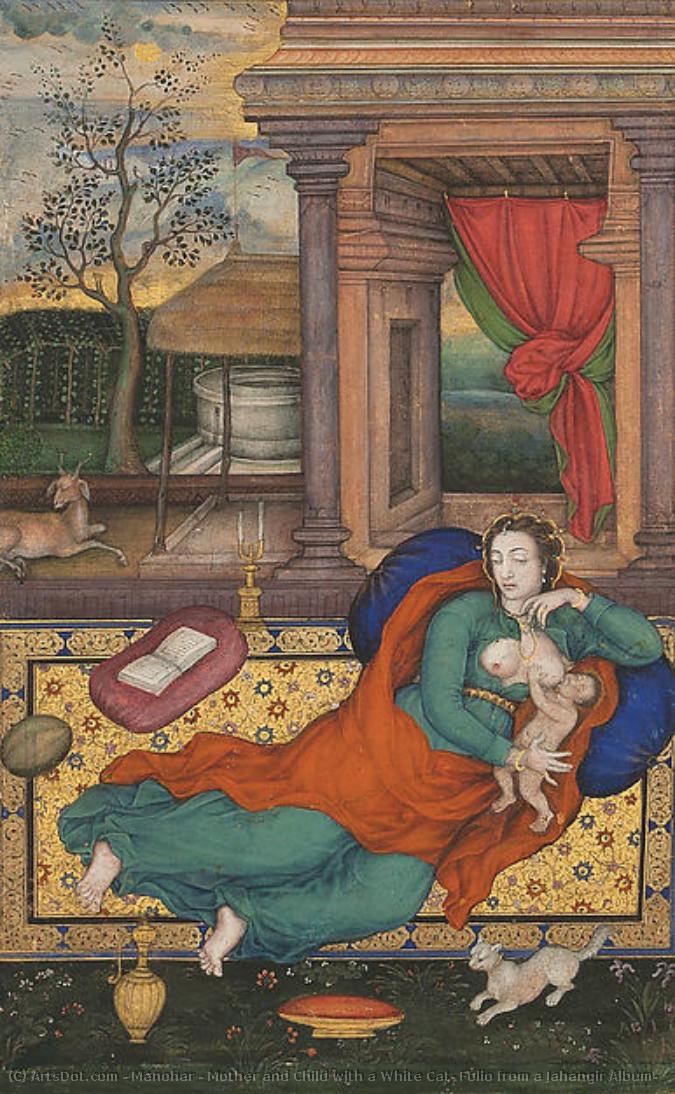
Mother and Child with a White Cat: Folio from a Jahangir Album
 1598
1598 37.0 x 24.0 cm
 Читать далее
Масляная репродукция ручной работы
Картина маслом на холсте в выбранном вами размере и раме, написанная на заказ нашими художниками. ( Перейти к печати Перейти к цифровым изображениям)




































Выберите один из наших стандартных размеров, соответствующих оригинальным пропорциям произведения искусства.

Вы можете указать собственные размеры, чтобы картина идеально вписалась в выбранную раму или пространство. Если выбранный вами размер не соответствует пропорциям оригинала, мы либо обрежем полотно, либо расширим его за счет дополнительных элементов, написанных вручную. Цифровой макет будет отправлен вам на утверждение перед началом производства.
Обратите внимание, что предварительный просмотр на экране не отражает фактическую обрезку или расширение. Только макет точно покажет окончательную композицию.
Хотя доступны индивидуальные размеры, мы рекомендуем выбирать вариант из предопределенного списка, чтобы сохранить исходные пропорции.
После оформления заказа команда ArtsDot.com свяжется с клиентом по электронной почте для уточнения деталей и предоставит предварительный макет
Доставка по всему миру () за 3–4 недели вместо стандартных 5 недель. (12 Сентябрь). Без компромиссов в качестве.

Бесплатная экспресс-доставка по всему миру

Высококачественный льняной холст

Полное страхование доставки

Гарантия возмещения таможенных пошлин

Гарантия точного соответствия цветов

100-дневная политика возврата (только при обнаружении дефектов)

Гарантия возврата 100% средств

Предложение оптовых скидок
 Вариант со стеклом доступен только для размеров менее 110 см

Mother and Child with a White Cat: Folio from a Jahangir Album
Техника репродукции
Размер репродукции
-


Итоговая стоимость
$ 288
Похожие произведения








Биография художника
Manohar: A Mughal Master of Detail
In the golden age of the Mughal Empire, where the splendor of the imperial court met the refined elegance of Persian aesthetics, few artists captured the intricate pulse of life as vividly as Manohar. An Indian painter who flourished during a period of profound cultural synthesis, Manohar left behind a legacy etched in the delicate lines of manuscript illustrations and the soulful depth of royal portraits. His artistic journey was not merely a personal pursuit but a continuation of a prestigious lineage; born into a family of masters, his early years were shaped by the tutelage of his father, Basawan, one of the most celebrated artists of the era. This familial bond provided Manohar with more than just technical instruction; it offered him an intimate connection to the very soul of Mughal tradition, instilling in him a mastery of pigment layering and a sensitivity to the subtle nuances of human expression that would become his hallmark.
Manohar’s career was defined by his presence within the vibrant ateliers of the Mughal emperors, serving under both Akbar and Jahangir. His life moved through the great artistic hubs of the empire—Lahore, Delhi, Allahabad, and Agra—allowing him to absorb the evolving tastes of a court that championed both innovation and tradition. As a khanazadan, or one born at court, he enjoyed an early and privileged entry into the imperial workshops. This access allowed him to witness the transition from the robust, experimental energy of Akbar’s reign to the more refined, naturalistic, and psychologically profound era of Jahangir. His ability to navigate these shifting artistic currents is evident in his diverse body of work, which ranges from grand historical narratives to intimate, tender studies of nature and domestic life.
The Art of Narrative and Precision
What truly distinguishes Manohar from his contemporaries was his extraordinary gift for composing history paintings that possessed both theatrical grandeur and clinical clarity. While many artists of his time focused on singular figures or static portraits, Manohar excelled in the creation of complex, multi-layered scenes that told a story with breathtaking fidelity. His contributions to the Akbarnama, particularly the first edition, serve as a testament to this skill. In these works, he orchestrated vast courtly gatherings, populating them with numerous individual portraits of courtiers, all unified by a sophisticated interplay of surface patterns and meticulously constructed compositions.
His technical repertoire was remarkably broad, characterized by:
- Mastery of Composition: The ability to organize crowded, complex scenes—such as those found in the Diwan of Mir Ali Shir Nawa'i—using architectural elements and landscape vistas to create a sense of depth and spatial ambiguity.
- Chromatic Subtlety: A sophisticated use of color palettes that could shift from the subdued, elegant tones reminiscent of the Safavid style to more vibrant, luminous displays.
- Detail and Texture: An unparalleled attention to the fine details of drapery, flora, and fauna, which brought a tactile reality to his miniature paintings.
- Cross-Cultural Synthesis: The seamless integration of Indian, Persian, and even subtle European influences, as seen in works that echo Western religious iconography through a distinctly Mughal lens.
A Lasting Artistic Legacy
The significance of Manohar’s work extends far beyond the borders of the Mughal court. He was an artist who could bridge the gap between the monumental and the minute. Whether he was depicting a prince offering wine to a beloved or capturing the quiet tenderness of a mother and child with a white cat, his brushwork conveyed a profound sense of humanity. His ability to infuse even the most formal imperial commissions with a sense of life and movement ensured that his works remained more than mere documentation; they became living windows into a vanished world.
Today, art historians look to Manohar as a pivotal figure who helped define the zenith of Mughal miniature painting. His work stands as a bridge between generations, carrying the weight of his father’s classical training into a new era of naturalism and psychological depth. Through his meticulous attention to detail and his ability to weave complex narratives within the small confines of a folio, Manohar ensured that the grandeur of the Mughal era would be preserved in a brilliance that continues to captivate the modern imagination.
manohar
India
Основные сведения
- Artistic Movement Or Style: Mughal
- Artists Or Movements Influenced By This Artist: ['Mughal']
- Artists Who Influenced This Artist: ['basavan']
- Date Of Death: Living
- Full Name: manohar Gopalkrishna Prabhu
- Nationality: Indian
- Notable Artworks:
- Prince Offering Wine to His Beloved: Page from the Diwan of Mir Ali Shir Nawa'i
- Scenes from the Childhood Krishna, from a Sur Sagar Manuscript
- Place Of Birth: New Delhi, India