Меню
ПредпросмотрПредпросмотр Предпросмотр в ARПредпросмотр в AR Перейти к печати Перейти к печатиКупить картину ручной работы Купить картину ручной работы ПоделитьсяПоделиться
Детали произведенияДетали произведения Добавить в избранное Добавить в избранное СкачатьСкачать Похожие работыПохожие работы РентгенографияРентгенография Слайд-шоуСлайд-шоу СтатистикаСтатистика

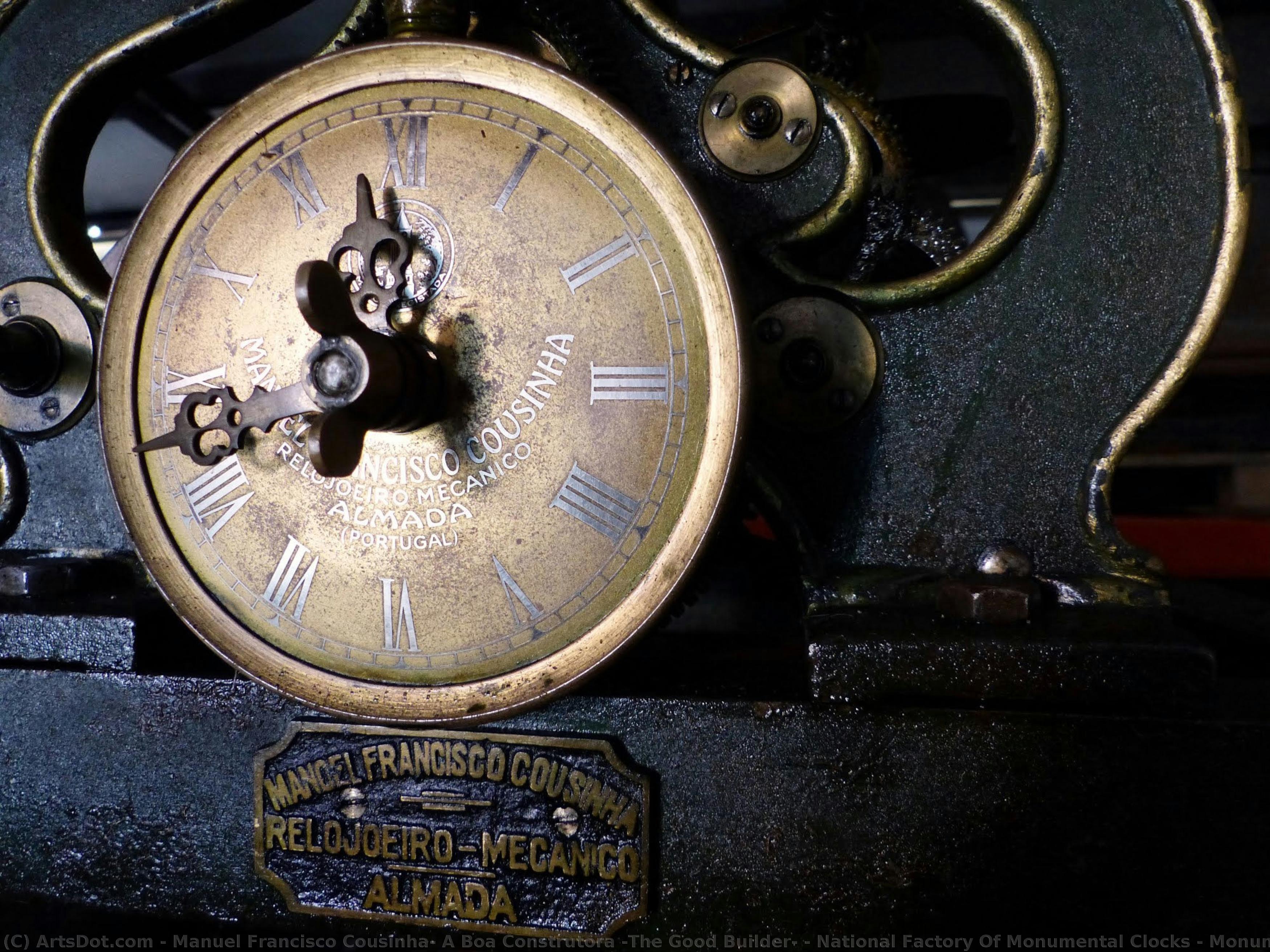
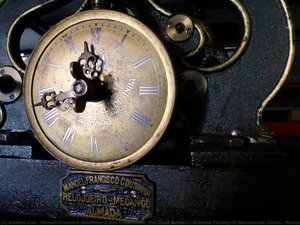
Monumental Station Clock Mechanism

Exquisite photographic detail of a monumental clock mechanism by Cousinha (1928). Admire the intricate brass & iron design – a timeless piece of Portuguese craftsmanship.

Manuel Francisco Cousinha, A Boa Construtora (The Good Builder) was a master of monumental clock mechanisms, renowned for his intricate brass and iron designs like the 1928 Station Clock; discover timeless Portuguese craftsmanship and explore his captivating artistry.

Приобретите цифровое изображение высокого разрешения в улучшенном качестве, которое значительно превосходит онлайн-превью.

Каждый файл тщательно подготавливается нашими специалистами с использованием передовых инструментов и экспертной ручной ретуши. Мы гарантируем исключительную четкость, точную цветопередачу и детальную проработку каждого изображения.

Финальный файл доставляется по электронной почте в течение 72 часов и оптимизирован для немедленного использования в профессиональной среде, при верстке и печати. Это тот же уровень качества, которому доверяют ведущие дизайнерские студии, издательства и галереи.

Цифровое изображение

Скачайте файл высокого разрешения для личного использования, печати и творческих проектов. (Перейти к печати Перейти к печатиКупить картину ручной работы Купить картину ручной работы)

Итоговая стоимость

$ 24,00

Включено в каждый заказ цифровых изображений

Гарантия экспертной цифровой доставки

Выбирая ArtsDot.com, вы получаете не просто изображение — вы приобретаете профессионально обработанное цифровое произведение искусства, созданное с безупречной точностью и под защитой гарантии качества. Вот всё, что автоматически входит в ваш заказ:

shipping_icon
Мгновенная доставка по e-mail

Ваш цифровой файл в высоком разрешении будет отправлен вам по электронной почте в течение 72 часов после оформления заказа — и сразу станет доступен для использования.

canvas_icon
Цифровой файл с ИИ-улучшением

Ваше произведение искусства проходит профессиональную оптимизацию с использованием передовых инструментов ИИ и ручной обработки, что гарантирует максимальную детализацию, четкость и точность цветопередачи.

insurance_icon
Бессрочная бесплатная повторная доставка

Случайно удалили или потеряли файл? Не беспокойтесь — мы отправим его вам повторно в любое время и совершенно бесплатно.

tax_icon
Без импортных пошлин — навсегда

Наслаждайтесь вашим произведением искусства мгновенно без таможенных пошлин, сборов или затрат на доставку — цифровые загрузки всегда не облагаются налогом.

color_icon
Гарантия точности цветопередачи

Мы гарантируем, что ваше цифровое изображение максимально точно передает оригинальные цвета благодаря использованию профессиональных инструментов и систем управления цветом.

return_icon
Гарантия удовлетворенности 100 дней

Если вы не будете удовлетворены своим цифровым изображением, мы внесем правки или вернем 100% стоимости в течение 100 дней — без лишних вопросов.

guarantee_icon
100% Гарантия возврата средств

Не удовлетворены покупкой? Получите полный возврат средств в течение 100 дней после получения цифрового файла — без лишних вопросов.

discount_icon
Скидки на оптовые заказы

Купите 3 изображения, сэкономьте 10% — Купите 5, сэкономьте 15% — Купите 10+, сэкономьте 20%. Отличное решение для творческих проектов, галерей и агентств.
It was this complete mechanism, together with its pendulum and weights, that operated the monumental clock at Tomar Railway Station, terminal of the Tomar branch, which opened for operation on September 24th 1928. Adapted to the architectural structure of the station building, it was the pendulum and weights which maintained the monumental clock in motion when mounted on the station facade. Made in Portugal, it was built by the mechanical watchmaker Manoel Francisco Cousinha, founder of

Биография художника

The Timeless Craft of Manuel Francisco Cousinha: A Legacy in Monumental Clocks

Manuel Francisco Cousinha, known as “A Boa Construtora” (The Good Builder), represents a fascinating intersection of artistry and engineering within the landscape of Portuguese clockmaking. While biographical details surrounding Cousinha remain scarce – a testament to the often-unheralded artisans behind grand public works – his enduring legacy is etched in time itself, manifested in the monumental station clocks he meticulously crafted at the National Factory of Monumental Clocks. Founded in 1928, this factory became a crucible for precision mechanics and aesthetic design, and Cousinha quickly emerged as a pivotal figure within its walls. He wasn’t merely constructing timekeeping devices; he was building symbols of national progress and enduring civic pride.

A Master of Mechanics: The Art of the Monumental Clock

Cousinha's work is defined by the sheer scale and complexity of his creations. These were not clocks intended for domestic mantels or private collections, but rather imposing structures designed to dominate public spaces – railway stations, town squares, and other vital hubs of Portuguese life. His mastery lay in translating intricate mechanical principles into robust, reliable systems capable of withstanding the rigors of time and weather. The photographic detail captured in images of his 1928 monumental station clock mechanism reveals a breathtaking level of craftsmanship. Gleaming brass components interlock with precisely wrought ironwork, forming a delicate yet powerful network that governs the movement of large hands across expansive dials. This wasn’t simply about telling time; it was about demonstrating Portuguese ingenuity and technical prowess. The clocks were statements – visible embodiments of a nation embracing modernity while honoring traditional skills.

Influences and Development

Pinpointing specific artistic influences on Cousinha proves challenging given the limited documentation available. However, one can discern echoes of the *Art Deco* movement in his designs—a style characterized by streamlined forms, geometric patterns, and a celebration of industrial materials. The emphasis on functionality combined with elegant detailing aligns closely with Art Deco principles. Furthermore, the precision required for clockmaking undoubtedly drew upon centuries-old traditions of Portuguese metallurgy and instrument making. Cousinha likely benefited from the collective knowledge within the National Factory, collaborating with other skilled artisans and engineers to refine his techniques and push the boundaries of what was mechanically possible. The development of his style seems rooted in a pragmatic approach—a desire to create clocks that were not only beautiful but also exceptionally durable and accurate.

Enduring Symbols of Portuguese Time

Although Cousinha’s personal life remains largely unknown, his professional achievements speak volumes. He dedicated himself to the production of monumental clocks, becoming synonymous with quality and reliability in this specialized field. His work represents a significant contribution to Portugal's industrial heritage, providing tangible evidence of the nation’s commitment to technological advancement during the 20th century. The clocks he built continue to function today—silent witnesses to decades of Portuguese history, faithfully marking the passage of time for generations. They stand as enduring symbols of civic life and a testament to the skill and dedication of “A Boa Construtora,” Manuel Francisco Cousinha.

Historical Significance

Cousinha’s legacy extends beyond the purely mechanical realm. His clocks played a crucial role in standardizing timekeeping across Portugal, facilitating efficient transportation networks and fostering a sense of national unity. In an era before widespread personal timepieces, these monumental structures served as vital reference points for communities, coordinating daily life and shaping social rhythms. The National Factory itself was a product of its time—a response to the growing demands of a modernizing nation. Cousinha’s work, therefore, is inextricably linked to broader historical trends, reflecting Portugal's aspirations for progress and its embrace of industrial innovation. He represents a generation of artisans who quietly but profoundly shaped the fabric of Portuguese society through their dedication to craftsmanship and precision engineering.