

 Предпросмотр
 Поделиться
 Поделиться
 Детали произведения

 Скачать
 Похожие работы
 Рентгенография
 Слайд-шоу
 Статистика
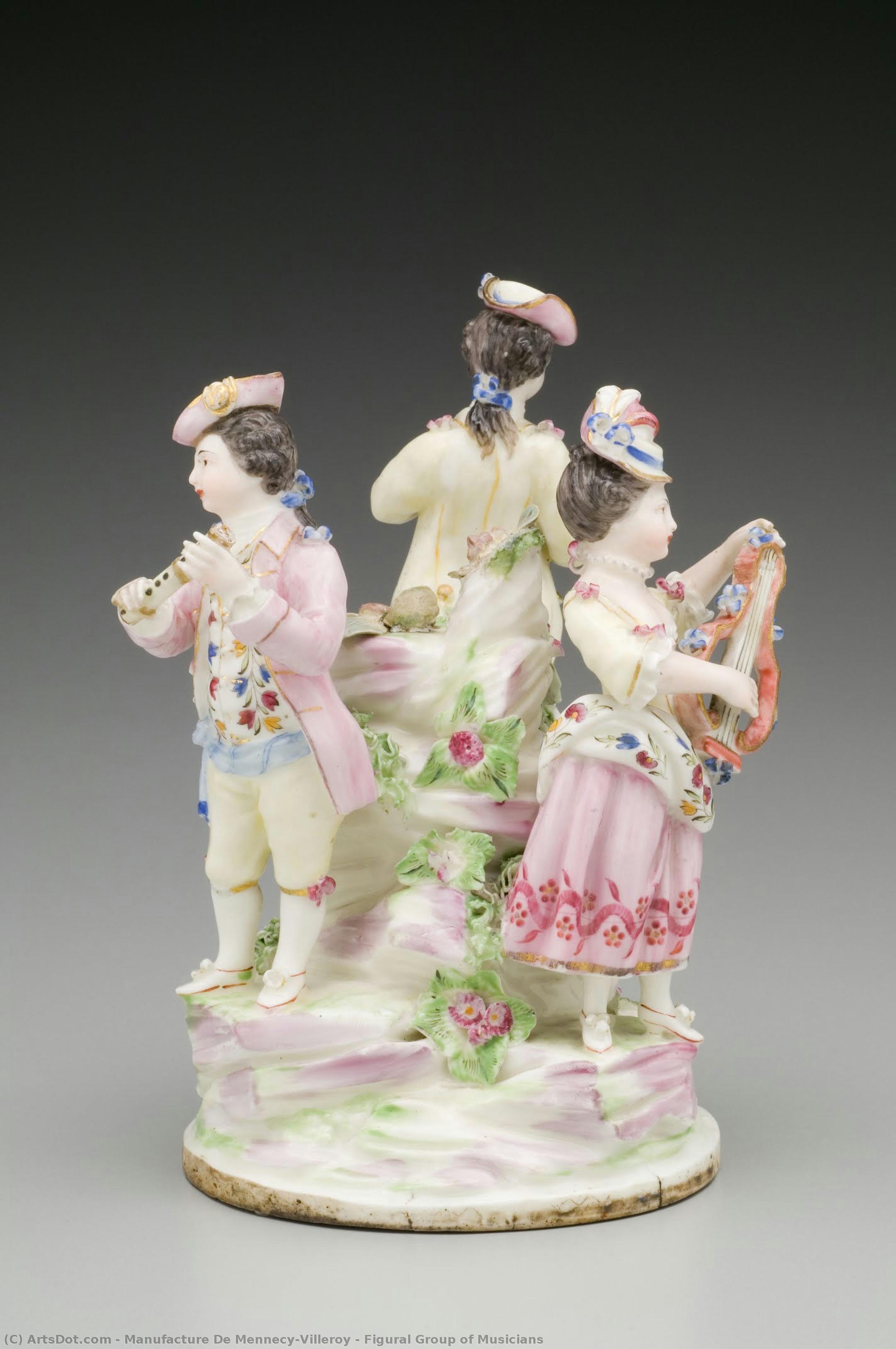
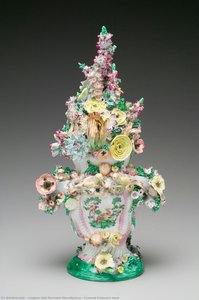
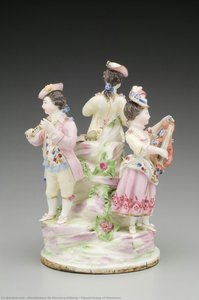
Figural Group of Musicians

 Читать далее
Приобретите цифровое изображение высокого разрешения в улучшенном качестве, которое значительно превосходит онлайн-превью.
Каждый файл тщательно подготавливается нашими специалистами с использованием передовых инструментов и экспертной ручной ретуши. Мы гарантируем исключительную четкость, точную цветопередачу и детальную проработку каждого изображения.
Финальный файл доставляется по электронной почте в течение 72 часов и оптимизирован для немедленного использования в профессиональной среде, при верстке и печати. Это тот же уровень качества, которому доверяют ведущие дизайнерские студии, издательства и галереи.
Цифровое изображение
Скачайте файл высокого разрешения для личного использования, печати и творческих проектов. ( Перейти к печати Купить картину ручной работы)
Включено в каждый заказ цифровых изображений
Гарантия экспертной цифровой доставки
Выбирая ArtsDot.com, вы получаете не просто изображение — вы приобретаете профессионально обработанное цифровое произведение искусства, созданное с безупречной точностью и под защитой гарантии качества. Вот всё, что автоматически входит в ваш заказ:

Мгновенная доставка по e-mail
Ваш цифровой файл в высоком разрешении будет отправлен вам по электронной почте в течение 72 часов после оформления заказа — и сразу станет доступен для использования.

Цифровой файл с ИИ-улучшением
Ваше произведение искусства проходит профессиональную оптимизацию с использованием передовых инструментов ИИ и ручной обработки, что гарантирует максимальную детализацию, четкость и точность цветопередачи.

Бессрочная бесплатная повторная доставка
Случайно удалили или потеряли файл? Не беспокойтесь — мы отправим его вам повторно в любое время и совершенно бесплатно.

Без импортных пошлин — навсегда
Наслаждайтесь вашим произведением искусства мгновенно без таможенных пошлин, сборов или затрат на доставку — цифровые загрузки всегда не облагаются налогом.

Гарантия точности цветопередачи
Мы гарантируем, что ваше цифровое изображение максимально точно передает оригинальные цвета благодаря использованию профессиональных инструментов и систем управления цветом.

Гарантия удовлетворенности 100 дней
Если вы не будете удовлетворены своим цифровым изображением, мы внесем правки или вернем 100% стоимости в течение 100 дней — без лишних вопросов.

100% Гарантия возврата средств
Не удовлетворены покупкой? Получите полный возврат средств в течение 100 дней после получения цифрового файла — без лишних вопросов.

Скидки на оптовые заказы
Купите 3 изображения, сэкономьте 10% — Купите 5, сэкономьте 15% — Купите 10+, сэкономьте 20%. Отличное решение для творческих проектов, галерей и агентств.
Похожие произведения






Биография художника
The Enduring Legacy of Manufacture de Mennecy-Villeroy: From Royal Faience to Artistic Innovation
The story of Manufacture de Mennecy-Villeroy is not that of a single artist, but rather the fascinating chronicle of a French workshop – a crucible of creativity spanning centuries and evolving with the tastes of kings, nobility, and an increasingly discerning public. Founded in 1673 by François Garnier, apothecary to Louis XIV, the initial purpose wasn’t artistic ambition, but the production of medicinal earthenware. However, the proximity to the royal court at Versailles and a keen understanding of emerging aesthetic trends quickly steered Mennecy towards the creation of *faience*, a tin-glazed pottery celebrated for its vibrant colors and delicate forms. Garnier's son, Nicolas, formally established the factory in 1693, marking the true beginning of Mennecy’s artistic journey. The early decades were characterized by imitation – skillfully replicating porcelain from the East, particularly Chinese examples coveted by the French aristocracy. This wasn’t mere copying; it was a process of adaptation and refinement, laying the groundwork for uniquely French styles.A Flourishing Under Royal Patronage and Artistic Experimentation
The 18th century witnessed Mennecy's golden age. The factory secured royal patronage, becoming an official supplier to the court, a distinction that fueled both production and innovation. Artists like Jacques Dubois, known for his depictions of allegorical scenes and playful figures, and Antoine Robert, celebrated for his mastery of *chinoiseries*, contributed significantly to the workshop’s growing reputation. Mennecy didn't simply reproduce existing motifs; it infused them with a distinctly French sensibility – lighter palettes, more naturalistic forms, and an emphasis on narrative detail. The factory became renowned for its diverse repertoire: plates adorned with scenes from mythology and literature, elaborate perfume burners shaped like exotic birds, intricate figurines capturing the spirit of the Rococo era, and even practical objects like pitchers and ewers transformed into works of art. The influence of painters such as Watteau and Boucher is palpable in the delicate brushwork and idyllic subject matter that characterized much of Mennecy’s output. The workshop also pioneered new techniques, including the use of *transfer printing* to reproduce complex designs with greater efficiency and precision, making faience more accessible to a wider audience.Challenges, Transitions, and the Villeroy Acquisition
Despite its success, Mennecy faced increasing competition from other French factories, particularly those in Saint-Cloud and Chantilly. The economic turmoil of the late 18th century, culminating in the French Revolution, brought significant challenges. Production slowed, and the factory changed hands several times. The early 19th century saw a period of decline, with Mennecy struggling to adapt to changing tastes. However, a pivotal moment arrived in 1847 when the Villeroy family acquired the factory, merging it with their own established porcelain manufactory in Sarreguemines. This acquisition proved crucial for Mennecy’s survival. The Villeroy family invested in new technologies and expanded production while retaining many of the traditional designs and techniques that had made Mennecy famous. The combined entity continued to produce faience alongside porcelain, catering to both domestic and international markets.Mennecy-Villeroy’s Enduring Influence on Decorative Arts
While no longer operating as an independent workshop, the legacy of Manufacture de Mennecy-Villeroy continues to resonate in the world of decorative arts. The faience produced during its peak years is highly sought after by collectors and museums worldwide. Its influence can be seen in the work of later ceramic artists who drew inspiration from its vibrant colors, delicate forms, and playful subject matter. The factory’s contribution extended beyond aesthetics; it played a significant role in establishing France as a center for faience production, rivaling even Italy and Spain. Mennecy's innovative use of transfer printing democratized access to decorative arts, allowing a broader segment of society to enjoy beautiful objects previously reserved for the elite. Today, pieces from Mennecy-Villeroy serve as tangible reminders of a bygone era – a testament to the enduring power of artistic craftsmanship and the evolving tastes of French society. The workshop’s story is a compelling example of how a humble beginning can blossom into a legacy of beauty and innovation, shaping the landscape of decorative arts for generations to come.Key Characteristics & Collecting Mennecy-Villeroy
- Subject Matter: Mythological scenes, allegories, *chinoiseries*, floral motifs, and depictions of everyday life.
- Color Palette: Vibrant blues (often influenced by cobalt), greens, yellows, oranges, and purples. The use of enamel gilding was also common.
- Forms: Plates, perfume burners, figurines, pitchers, ewers, boxes, and other decorative objects.
- Marks & Signatures: Early pieces often bear the “M” mark or the initials of the artist. Later pieces will include Villeroy marks alongside Mennecy identifiers.
- Rarity & Value: Pieces from the 18th century, particularly those by renowned artists like Dubois and Robert, are highly valued. Condition plays a significant role in determining value.
Основные сведения
- Artistic Movement Or Style: Faience Pottery
- Date Of Death: Living
- Full Name: Manufacture De Mennecy-Villeroy