 Предпросмотр
 Поделиться
 Поделиться
 Детали произведения

 Скачать
 Похожие работы
 Рентгенография
 Слайд-шоу
 Статистика
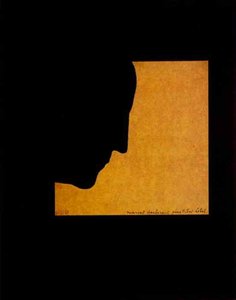
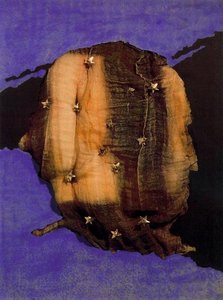
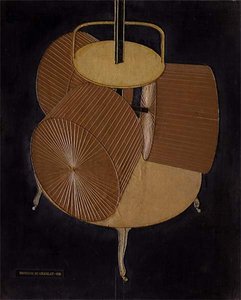
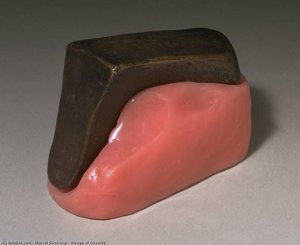
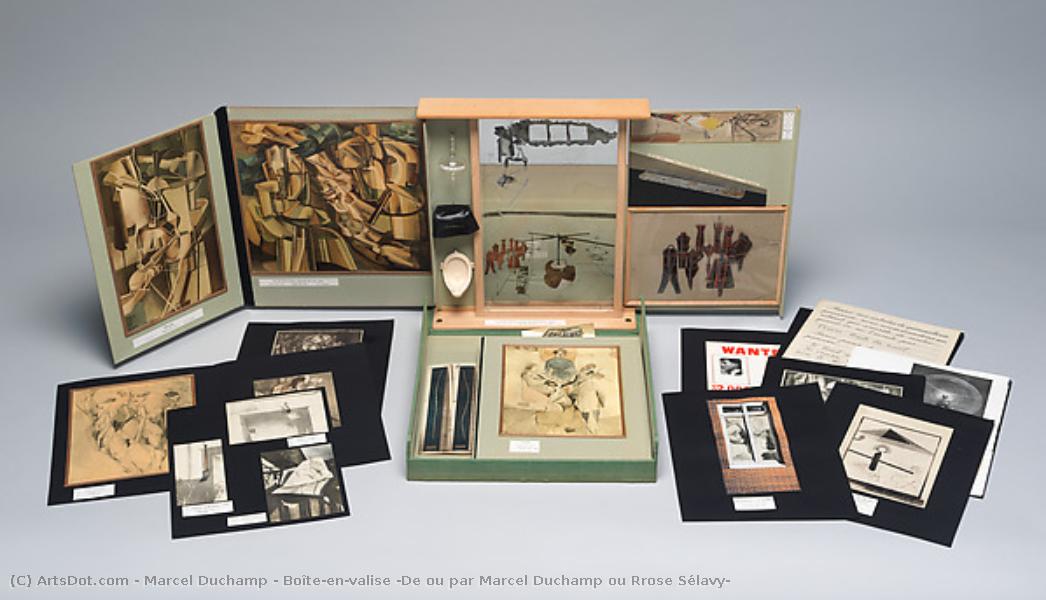
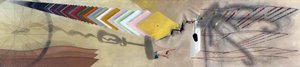
Boîte-en-valise (De ou par Marcel Duchamp ou Rrose Sélavy)
 Acrylic On Canvas
- WallArt
- Dada
 1961
1961 38.0 x 9.0 cm
 Читать далее
Жикле / Арт-принт
Печать (жикле) или холст музейного качества с быстрыми сроками изготовления и широким выбором вариантов отделки. ( Купить картину ручной работы Перейти к цифровым изображениям)




P118B $10

P118H $10

P118W $10

P438Z $10

P508JH $12

P508YH $12

P805H $10

P805Z $10

P919BZ $10

P919G $10

P919XJ $10

P959ZH $10

P968JZ $12

W106C $8

W218G $10

W218JH $8

W218Y $10

W307PJ $10

W316G $10

W316PJ $8

W316Y $10

W398PJ $8

W4111J $10

W500HY $15

W500JH $15

W692G $12

W849H $8

W940BG $15

W953PJ $8




Выберите один из наших стандартных размеров, соответствующих оригинальным пропорциям произведения искусства.

Вы можете указать свои собственные размеры, чтобы репродукция идеально подошла под конкретную раму или пространство. Если выбранный вами размер не будет соответствовать пропорциям оригинала, мы либо обрежем произведение, либо дополним изображение зеркальным отражением краев или однотонной заливкой. Перед началом производства вам будет отправлен цифровой макет для утверждения.
Пожалуйста, обратите внимание, что предварительный просмотр на экране не отображает фактическую обрезку или расширение изображения. Только макет точно покажет финальную композицию.
Несмотря на возможность заказа индивидуальных размеров, мы рекомендуем выбирать размер из предопределенного списка, чтобы сохранить оригинальные пропорции.
Доставка по всему миру () за 2 недели вместо стандартных 4/5 недель. (10 Сентябрь)

Бесплатная экспресс-доставка по всему миру

Высококачественный льняной холст

Полное страхование доставки

Гарантия возмещения таможенных пошлин

Гарантия точного соответствия цветов

100-дневная политика возврата (только при обнаружении дефектов)

Гарантия возврата 100% средств

Предложение оптовых скидок
 Вариант со стеклом доступен только для размеров менее 110 см

Boîte-en-valise (De ou par Marcel Duchamp ou Rrose Sélavy)
Жикле / Арт-принт
Размер репродукции
-


Итоговая стоимость
$ 62
Boîte-en-Valise: A Portable Universe of Marcel Duchamp
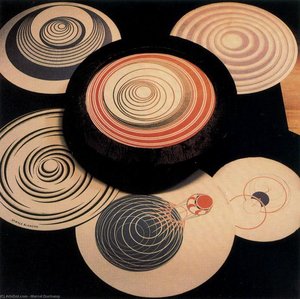
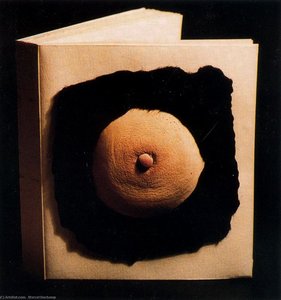
Marcel Duchamp’s “Boîte-en-valise,” often referred to as “The Box in a Valise,” isn't merely an assemblage; it’s a meticulously constructed microcosm, a self-contained universe reflecting the artist’s restless intellect and his radical reimagining of art itself. Created between 1935 and 1966, these remarkable boxes – each approximately 40 x 38 x 10 centimeters – housed a carefully curated collection of reproductions, miniature models, photographs, and original drawings, all nestled within a luxurious leather valise. More than a simple display, it represents Duchamp’s ambition to create a portable museum, a testament to his artistic output and a deliberate challenge to the traditional notion of the singular, auratic artwork.
The genesis of “Boîte-en-valise” stemmed from Duchamp's desire to condense his entire body of work into a manageable format. He envisioned a system where the viewer could experience a comprehensive overview of his artistic journey without needing to visit multiple galleries or museums. This project, born out of a fascination with the cabinet of curiosities and influenced by the principles of Surrealism, involved painstaking reproduction techniques – primarily pochoir (stencil printing) – that imbued each image with a unique quality, hinting at their handmade origins. The choice of materials—the sturdy leather valise, the delicate cellulose acetate Rhodoïd for miniature reproductions, and the carefully selected paper documents—contributes to the box’s overall sense of refined elegance and intellectual rigor.
The Anatomy of an Assemblage
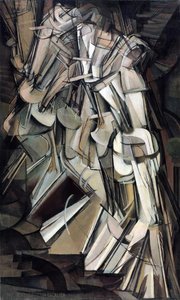
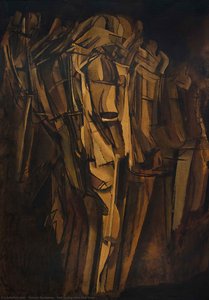
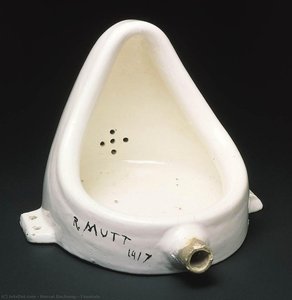
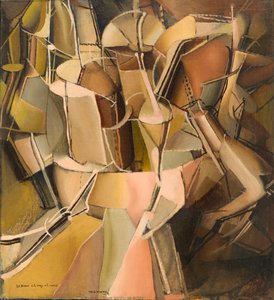
Each “Boîte-en-valise” is a complex arrangement, a deliberate orchestration of disparate elements. The core collection comprises 69 reproductions of Duchamp's most significant works, including iconic pieces like "Nude Descending a Staircase," "The Bride Stripped Bare by Her Bachelors, Even," and the infamous “Fountain.” Alongside these reproductions are miniature replicas of his sculptures – notably “Large Glass” and “Bouillard,” rendered in meticulous detail. Furthermore, the boxes contain photographs documenting Duchamp’s life and artistic process, alongside original drawings and sketches offering glimpses into his creative thinking. The inclusion of a small, hand-written note within each box adds a personal touch, reinforcing the sense that this is not simply an exhibition but a carefully considered collection assembled by the artist himself.
The arrangement within the box isn’t random; it reflects Duchamp's conceptual framework. He sought to create a visual dialogue between his various works, highlighting their interconnectedness and demonstrating how seemingly disparate pieces could be part of a larger, unified artistic vision. The use of Rhodoïd for the miniature reproductions was particularly significant, allowing him to capture the subtle nuances of color and texture while maintaining a sense of lightness and portability. The pochoir technique, with its delicate stenciled patterns, adds an element of handcrafted charm, subtly undermining the notion of mass-produced reproduction.
Symbolism and Conceptual Depth
“Boîte-en-valise” is laden with symbolic meaning, reflecting Duchamp’s broader philosophical concerns. The act of creating a portable museum speaks to his desire to democratize art, making it accessible to a wider audience beyond the confines of traditional institutions. The box itself functions as a metaphor for the mind – a contained space where ideas and memories are organized and presented in a coherent manner. The inclusion of “Fountain,” the readymade urinal that famously challenged the definition of art, underscores Duchamp’s commitment to questioning established norms and pushing the boundaries of artistic expression.
Furthermore, the box can be interpreted as an exploration of memory and documentation. Duchamp was fascinated by the process of recording and preserving artistic works, recognizing that even reproductions could hold a certain kind of value. The act of assembling the box itself becomes a form of archival practice, transforming Duchamp’s oeuvre into a tangible record of his creative journey. It's a testament to the artist's belief that art is not simply about creating new objects but also about engaging with and interpreting the past.
A Legacy of Innovation
“Boîte-en-valise” stands as a pivotal work in Duchamp’s oeuvre, embodying his radical ideas about art, authorship, and representation. It represents a shift away from traditional notions of artistic creation and towards a more conceptual approach, emphasizing the idea behind the artwork rather than its physical form. The box's influence extends far beyond Duchamp himself, inspiring generations of artists to explore new ways of engaging with their work and challenging conventional definitions of art. Today, “Boîte-en-valise” remains a highly sought-after artifact, offering a rare glimpse into the mind of one of the 20th century’s most influential and enigmatic figures.
Похожие произведения
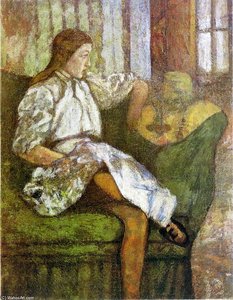
Биография художника
Marcel Duchamp: A Revolutionary Spirit
Marcel Duchamp, born Henri-Robert-Marcel Duchamp in 1887 in Blainville-Crevon, Normandy, was more than an artist; he was a philosophical provocateur who fundamentally altered the course of modern art. His early life, though seemingly conventional – nurtured within a family that appreciated artistic expression with both brothers pursuing successful careers as artists – hinted at the iconoclasm to come. Duchamp initially pursued formal training, mastering traditional techniques and experimenting with post-impressionist styles. However, this academic foundation served not as an end in itself, but as a springboard for questioning the very nature of art, its purpose, and its definition. He wasn’t content merely to depict the world; he sought to challenge how we perceive it, and what constitutes artistic value. This restless intellectual curiosity would become the defining characteristic of his prolific career.Early Artistic Explorations: Cubism and Impressionism
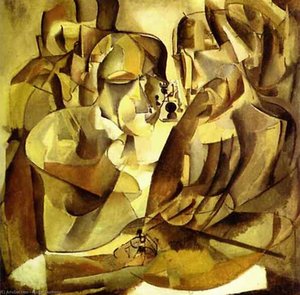
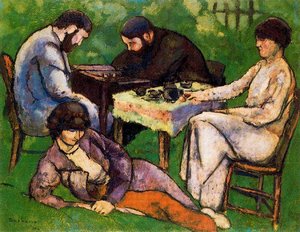
Duchamp's initial foray into art began with a fascination for Cubism, spearheaded by Pablo Picasso and Georges Braque. Influenced by Cézanne’s exploration of geometric forms and spatial relationships, Duchamp produced works like *Portrait of Chess Players* (1911), demonstrating an early grasp of fragmented perspectives and multiple viewpoints – a decisive departure from the single-point perspective dominant in traditional painting. Yet, he swiftly recognized that simply rearranging visual elements wasn't sufficient to address the deeper philosophical concerns animating him. He diligently honed his skills in watercolor and gouache, mastering techniques that allowed for nuanced tonal gradations and subtle textural variations. These formative experiences instilled a disciplined approach to artistic practice, informing his later conceptual explorations.The Dadaist Rebellion: Challenging Artistic Conventions
The horrors of World War I profoundly impacted Duchamp’s worldview, fueling a vehement rejection of the prevailing cultural values and intellectual complacency of the time. This disillusionment propelled him into the embrace of Dadaism – a movement born from nihilistic protest against rationality, logic, and bourgeois morality. Dada artists deliberately undermined established artistic conventions, embracing absurdity and chance as expressive tools. Duchamp’s Dadaist output included collages and assemblages that juxtaposed disparate materials in jarring combinations, disrupting conventional notions of visual harmony. He famously declared “Dada is not a painting,” encapsulating the movement's rejection of aesthetic judgment and its insistence on questioning artistic dogma. The Dadaists sought to dismantle the hierarchy between art and everyday life, arguing that true creativity resided in challenging accepted norms.The Birth of Conceptual Art: ‘Ready-Made’ Sculpture
Duchamp’s most enduring contribution to art history arrived with his groundbreaking concept of “ready-made” sculpture – a radical departure from traditional sculptural practice. Rejecting the notion that artistic skill was paramount, Duchamp questioned whether an object could be considered art simply by virtue of its selection and presentation as such. In 1917, he submitted *Fountain*, a porcelain urinal signed "R. Mutt," to Marcel Broodthaers’s exhibition in Cologne – a deliberate provocation designed to expose the arbitrariness of aesthetic judgment and dismantle the distinction between artist and craftsman. This audacious act ignited considerable controversy, sparking debates about authorship, originality, and the very definition of art itself. *Fountain* became emblematic of Conceptual Art, establishing Duchamp as its progenitor and cementing his legacy as one of the most influential figures in 20th-century art.Legacy and Enduring Influence
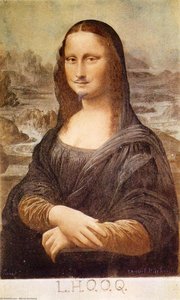
Marcel Duchamp’s impact on subsequent generations of artists is undeniable. He fundamentally reshaped our understanding of artistic expression, prioritizing conceptual ideas over visual aesthetics—a paradigm shift that continues to resonate within contemporary art practice. His unwavering commitment to questioning assumptions and challenging conventions serves as an inspiration for artists striving to push boundaries and redefine the role of art in society. Notable works include *L.H.O.O.Q.* (1919), a satirical reworking of Leonardo da Vinci’s Mona Lisa, and *The Large Glass* (1915–1923), an ambitious multi-faceted installation that explores themes of illusion, perception, and the subconscious—a testament to his intellectual rigor and enduring influence. Duchamp's legacy extends beyond specific artworks; it resides in his unwavering belief that art should provoke thought and inspire dialogue—a conviction that continues to shape artistic discourse today.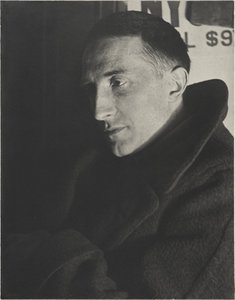
Марсель Дюшан
1887 - 1968 , Франция
Основные сведения
- Artistic Movement Or Style:
- Кубизм
- Дадаизм
- Концептуальное искусство
- Artists Or Movements Influenced By This Artist: ['Минимализм']
- Date Of Birth: 28 июля 1887 г.
- Date Of Death: 2 октября 1968 г.
- Full Name: Marcel Duchamp
- Nationality: Французский
- Notable Artworks:
- Фонтан
- Л.Х.О.О.К.
- Большое стекло
- Place Of Birth: Блейнвиль-сур-Мер, Франция
Похожие статьи
Embodied Ideologies: Conceptual Custom Art & the Power of Personal Narratives
Explore the power of conceptual custom art. Discover how hand-painted oil paintings embody personal & political narratives. Expert guidance for collectors seeking meaningful, impactful artwork.
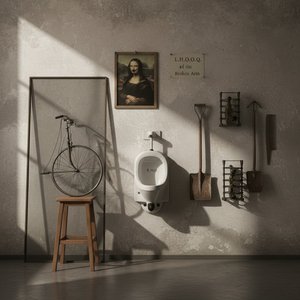
Marcel Duchamp: Challenging Conventions & Redefining Art in the 20th Century
Explore the revolutionary art of Marcel Duchamp! Discover how his Dadaist readymades challenged artistic conventions & redefined modern art. A deep dive into 'Fountain', conceptual shifts, and his lasting impact.
Dadaism: A Rebellion Against Reason – Exploring the Origins, Characteristics, and Enduring Legacy of an Anti-Art Movement
Explore the revolutionary Dada art movement! Discover its origins in WWI, key artists like Duchamp & Höch, core principles, and lasting impact on modern and contemporary art. A comprehensive guide for enthusiasts.

Beyond Representation: Conceptual Art & the Enduring Legacy of Ideas
Explore the profound impact of Conceptual Art with ArtsDot. Discover its history, key artists like Duchamp & Kosuth, and learn how to collect this influential movement. Expert insights for discerning art collectors.
Dada: A Revolution of Anti-Art & the Rejection of Reason in Early 20th Century Aesthetics
Explore the revolutionary Dada art movement! Discover its origins, key artists like Duchamp & Arp, and lasting impact on modern art. A deep dive into anti-art & challenging conventions.