

 Предпросмотр
 Поделиться
 Поделиться
 Детали произведения

 Скачать
 Похожие работы
 Рентгенография
 Слайд-шоу
 Статистика
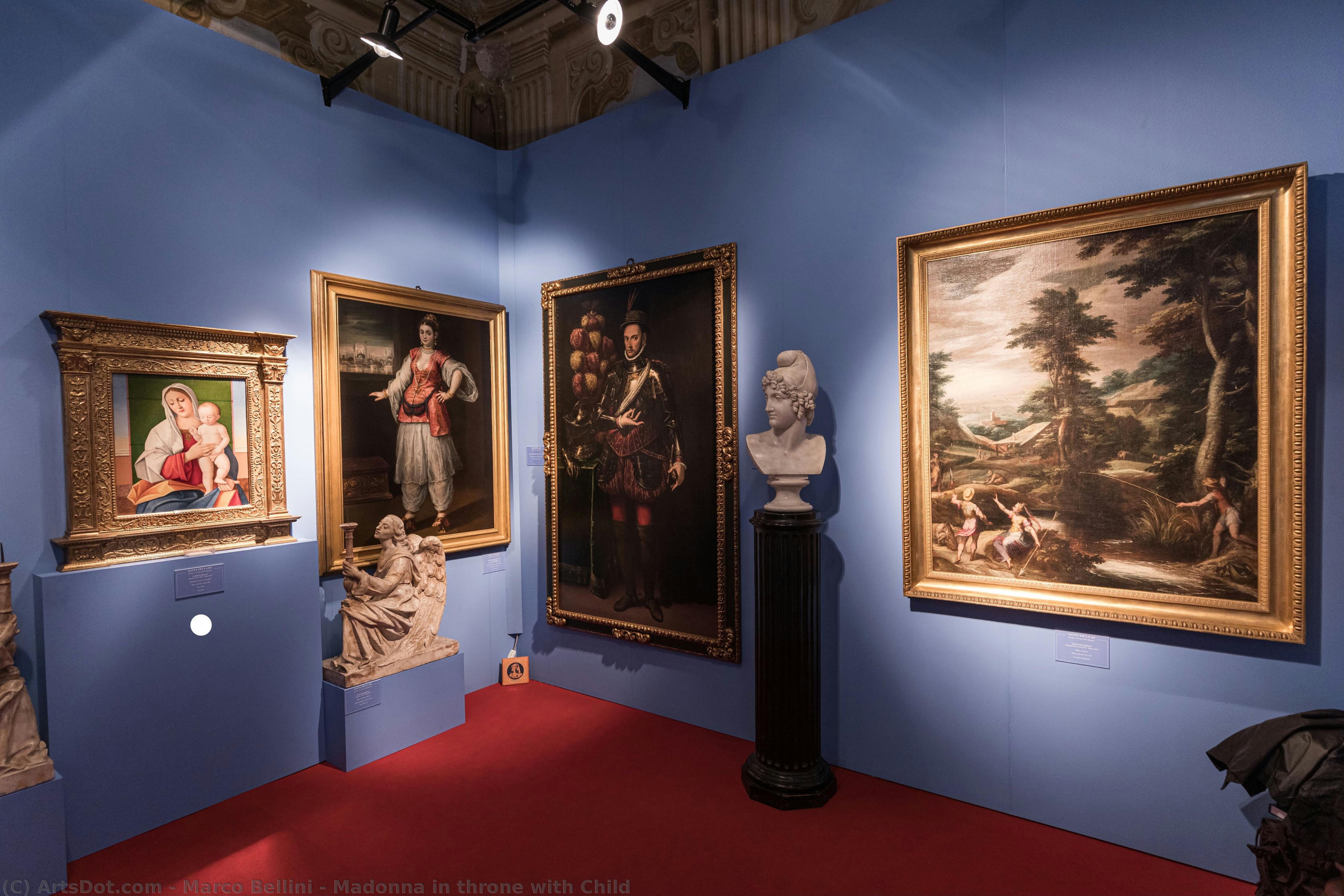
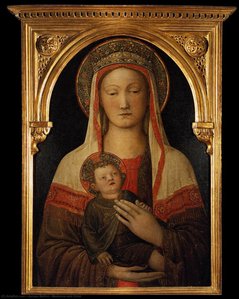
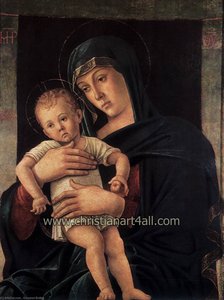
Madonna in throne with Child


 Читать далее
Приобретите цифровое изображение высокого разрешения в улучшенном качестве, которое значительно превосходит онлайн-превью.
Каждый файл тщательно подготавливается нашими специалистами с использованием передовых инструментов и экспертной ручной ретуши. Мы гарантируем исключительную четкость, точную цветопередачу и детальную проработку каждого изображения.
Финальный файл доставляется по электронной почте в течение 72 часов и оптимизирован для немедленного использования в профессиональной среде, при верстке и печати. Это тот же уровень качества, которому доверяют ведущие дизайнерские студии, издательства и галереи.
Цифровое изображение
Скачайте файл высокого разрешения для личного использования, печати и творческих проектов. ( Перейти к печати Купить картину ручной работы)
Включено в каждый заказ цифровых изображений
Гарантия экспертной цифровой доставки
Выбирая ArtsDot.com, вы получаете не просто изображение — вы приобретаете профессионально обработанное цифровое произведение искусства, созданное с безупречной точностью и под защитой гарантии качества. Вот всё, что автоматически входит в ваш заказ:

Мгновенная доставка по e-mail
Ваш цифровой файл в высоком разрешении будет отправлен вам по электронной почте в течение 72 часов после оформления заказа — и сразу станет доступен для использования.

Цифровой файл с ИИ-улучшением
Ваше произведение искусства проходит профессиональную оптимизацию с использованием передовых инструментов ИИ и ручной обработки, что гарантирует максимальную детализацию, четкость и точность цветопередачи.

Бессрочная бесплатная повторная доставка
Случайно удалили или потеряли файл? Не беспокойтесь — мы отправим его вам повторно в любое время и совершенно бесплатно.

Без импортных пошлин — навсегда
Наслаждайтесь вашим произведением искусства мгновенно без таможенных пошлин, сборов или затрат на доставку — цифровые загрузки всегда не облагаются налогом.

Гарантия точности цветопередачи
Мы гарантируем, что ваше цифровое изображение максимально точно передает оригинальные цвета благодаря использованию профессиональных инструментов и систем управления цветом.

Гарантия удовлетворенности 100 дней
Если вы не будете удовлетворены своим цифровым изображением, мы внесем правки или вернем 100% стоимости в течение 100 дней — без лишних вопросов.

100% Гарантия возврата средств
Не удовлетворены покупкой? Получите полный возврат средств в течение 100 дней после получения цифрового файла — без лишних вопросов.

Скидки на оптовые заказы
Купите 3 изображения, сэкономьте 10% — Купите 5, сэкономьте 15% — Купите 10+, сэкономьте 20%. Отличное решение для творческих проектов, галерей и агентств.
A Divine Presence in the Renaissance Realm
In the quiet, contemplative space of classical devotion, Marco Bellini’s Madonna in Throne with Child emerges as a profound testament to the spiritual elegance of the Italian Renaissance. This evocative piece captures a moment of tender divinity, where the celestial meets the earthly through the intimate bond between mother and child. The composition centers on the Madonna, seated upon a majestic throne that serves not merely as furniture, but as a symbol of her role as the Queen of Heaven. Beside her, the Christ Child rests, embodying a sense of innocent grace that anchors the viewer’s gaze. The painting invites us into a sacred dialogue, where every brushstroke seems to whisper of ancient reverence and the enduring power of maternal love.
The artistry of Bellini is characterized by a delicate balance of structural strength and soft, ethereal light. Through masterful technique, the artist employs subtle gradations of color to define the heavy, regal fabrics of the Madonna’s attire, contrasting them with the luminous, porcelain-like skin of the infant. The setting, though intimate, possesses an architectural dignity that suggests a larger, unseen sanctuary. For the discerning collector or interior designer, this work offers a sophisticated focal point; its classical proportions and serene palette allow it to integrate seamlessly into luxurious, traditional settings or serve as a soulful counterpoint in a modern, minimalist gallery space.
Symbolism and the Language of Devotion
Beyond its visual beauty, the painting is rich with the symbolic language prevalent in the late 15th and early 16th centuries. The throne itself acts as a metaphor for stability and the established order of the cosmos, while the positioning of the Child suggests the weight of his future destiny. There is a palpable sense of quietude in the scene, an emotional stillness that encourages meditation. This piece does not merely depict a religious icon; it captures a psychological depth that resonates with anyone who appreciates the nuances of human connection and the sublime. To possess a reproduction of this masterpiece is to bring a fragment of history’s most profound spiritual reflections into one's own home, creating an atmosphere of timelessness and peace.
Whether displayed in a sunlit study or a grand dining hall, Madonna in Throne with Child serves as more than decoration; it is an invitation to reflection. The interplay of light and shadow within the work creates a rhythmic movement that keeps the eye wandering through its intricate details, discovering new layers of meaning with every viewing. It remains a quintessential choice for those who seek to surround themselves with art that possesses both historical weight and an everlasting emotional resonance.
Похожие произведения

Биография художника
The Enigmatic Vision of Jean Fouquet: A Master of Northern Gothic
Jean Fouquet (c. 1420 – c. 1510) remains one of the most captivating and perplexing figures in the history of European art. Born in Tournai, a vibrant crossroads of cultures within the Burgundian Netherlands, his life and artistic output defy easy categorization, placing him squarely at the fascinating intersection of Gothic, Early Renaissance, and even elements of courtly intrigue. While largely overlooked during his lifetime, Fouquet’s intensely personal and symbolic paintings have since garnered immense critical acclaim, recognized for their unparalleled psychological depth, intricate detail, and a haunting beauty that continues to resonate with viewers centuries later. His work offers a unique window into the world of late medieval nobility, blending religious iconography with secular themes and a distinctly humanist sensibility – a foreshadowing of artistic developments to come.Early Life and Mysterious Origins
The precise details of Fouquet’s early life are shrouded in mystery, contributing significantly to his enduring allure. Records are scarce, and much of what we know is pieced together from scholarly conjecture and the stylistic analysis of his paintings. He likely received training in Tournai, a center renowned for its manuscript illumination and panel painting during this period. However, unlike many artists of his time who worked within established workshops, Fouquet seems to have operated largely independently, creating works that bear little resemblance to the prevailing artistic conventions of the Low Countries. There’s speculation he may have spent time in Italy, particularly Florence, absorbing the influence of early Renaissance masters like Donatello and Masaccio – a theory supported by certain stylistic parallels in his later work, notably the use of perspective and naturalistic depiction of figures. The lack of documented patronage also suggests a unique position within the artistic landscape; he wasn’t tied to a wealthy family or guild, allowing him considerable freedom but also placing him at a disadvantage.A World of Intrigue: Courtly Scenes and Symbolic Narratives
Fouquet's paintings are dominated by scenes of courtly life – banquets, tournaments, dances, and intimate gatherings—populated by richly dressed nobles, musicians, and entertainers. These aren’t simply depictions of aristocratic leisure; they are meticulously constructed narratives laden with symbolism. He frequently employed a complex system of allegorical figures, animals, and objects to convey moral lessons, political commentary, or personal reflections. The presence of female characters, often depicted in ambiguous roles – sometimes as virtuous maidens, other times as seductive temptresses—adds another layer of complexity to his work. The “Dance of Death” cycle, a series of panels depicting the grim procession of skeletons, is perhaps his most famous achievement, showcasing his mastery of detail and his ability to infuse even the darkest subject matter with a haunting beauty. The figures are rendered with astonishing realism, their faces conveying a range of emotions—joy, sorrow, fear, and resignation—that speaks volumes about the human condition.Technique and Style: A Synthesis of Gothic and Renaissance Elements
Fouquet’s artistic style is characterized by a remarkable synthesis of Gothic and Early Renaissance influences. He retained the rich colors, intricate detailing, and elongated figures typical of late Gothic painting, while simultaneously incorporating elements of perspective, naturalistic representation, and a greater emphasis on psychological realism— hallmarks of the burgeoning Renaissance. His use of oil paint, though relatively rare at the time, allowed him to achieve subtle gradations of tone and color, adding depth and luminosity to his paintings. He was a master of *disegno*, the Italian technique of drawing as an independent art form, evident in the precise rendering of drapery, hands, and facial features. Fouquet’s meticulous attention to detail—the rustle of silk robes, the gleam of armor, the expression on a noble's face—is unparalleled, creating a world of astonishing immediacy and verisimilitude.Legacy and Historical Significance
Despite his relatively small body of work (only around 30 paintings are definitively attributed to him), Jean Fouquet’s influence has been profound. He is considered one of the most important figures in Northern European painting, bridging the gap between the late Gothic and Early Renaissance periods. His innovative use of symbolism, psychological realism, and his unique blend of artistic styles paved the way for subsequent generations of artists. His work continues to fascinate art historians and viewers alike, prompting ongoing debate about his origins, his motivations, and the meaning of his enigmatic visions. Fouquet’s paintings offer a rare glimpse into the world of late medieval nobility—a world of courtly intrigue, religious devotion, and artistic experimentation—and remain a testament to the enduring power of human creativity. His legacy lies not just in the beauty of his art, but also in the mysteries that surround his life and work, ensuring that he will continue to be a subject of scholarly inquiry and artistic admiration for centuries to come.
marco bellini
1523 , Italy
Основные сведения
- Artistic Movement Or Style: World Goes Pop
- Date Of Death: 1523
- Notable Artworks:
- Evelyne Axell
- Joav BarEl
- Thomas Bayrle