

 Предпросмотр
 Поделиться
 Поделиться
 Детали произведения

 Скачать
 Похожие работы
 Рентгенография
 Слайд-шоу
 Статистика
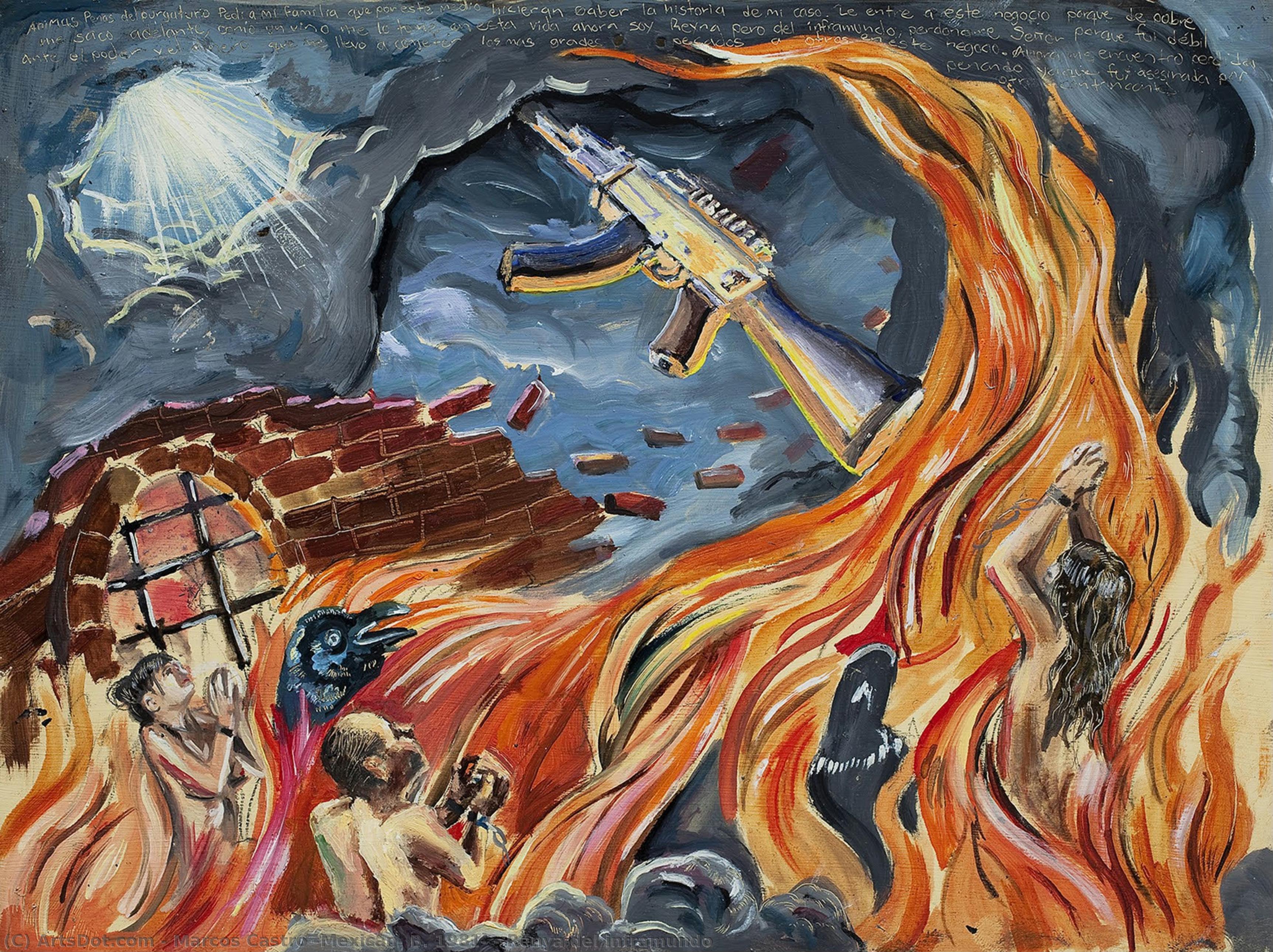
Renya del inframundo
 Surrealism
 2011
2011- Contemporary
 22.0 x 30.0 cm
 USC Fisher Museum of Art
 Читать далее
Приобретите цифровое изображение высокого разрешения в улучшенном качестве, которое значительно превосходит онлайн-превью.
Каждый файл тщательно подготавливается нашими специалистами с использованием передовых инструментов и экспертной ручной ретуши. Мы гарантируем исключительную четкость, точную цветопередачу и детальную проработку каждого изображения.
Финальный файл доставляется по электронной почте в течение 72 часов и оптимизирован для немедленного использования в профессиональной среде, при верстке и печати. Это тот же уровень качества, которому доверяют ведущие дизайнерские студии, издательства и галереи.
Цифровое изображение
Скачайте файл высокого разрешения для личного использования, печати и творческих проектов. ( Перейти к печати Купить картину ручной работы)
Включено в каждый заказ цифровых изображений
Гарантия экспертной цифровой доставки
Выбирая ArtsDot.com, вы получаете не просто изображение — вы приобретаете профессионально обработанное цифровое произведение искусства, созданное с безупречной точностью и под защитой гарантии качества. Вот всё, что автоматически входит в ваш заказ:

Мгновенная доставка по e-mail
Ваш цифровой файл в высоком разрешении будет отправлен вам по электронной почте в течение 72 часов после оформления заказа — и сразу станет доступен для использования.

Цифровой файл с ИИ-улучшением
Ваше произведение искусства проходит профессиональную оптимизацию с использованием передовых инструментов ИИ и ручной обработки, что гарантирует максимальную детализацию, четкость и точность цветопередачи.

Бессрочная бесплатная повторная доставка
Случайно удалили или потеряли файл? Не беспокойтесь — мы отправим его вам повторно в любое время и совершенно бесплатно.

Без импортных пошлин — навсегда
Наслаждайтесь вашим произведением искусства мгновенно без таможенных пошлин, сборов или затрат на доставку — цифровые загрузки всегда не облагаются налогом.

Гарантия точности цветопередачи
Мы гарантируем, что ваше цифровое изображение максимально точно передает оригинальные цвета благодаря использованию профессиональных инструментов и систем управления цветом.

Гарантия удовлетворенности 100 дней
Если вы не будете удовлетворены своим цифровым изображением, мы внесем правки или вернем 100% стоимости в течение 100 дней — без лишних вопросов.

100% Гарантия возврата средств
Не удовлетворены покупкой? Получите полный возврат средств в течение 100 дней после получения цифрового файла — без лишних вопросов.

Скидки на оптовые заказы
Купите 3 изображения, сэкономьте 10% — Купите 5, сэкономьте 15% — Купите 10+, сэкономьте 20%. Отличное решение для творческих проектов, галерей и агентств.
A Descent into the Surreal: The Visceral World of Marcos Castro
In the evocative piece Renya del inframundo, Mexican contemporary artist Marcos Castro invites the viewer into a realm where the boundaries between reality and nightmare dissolve. Created in 2011, this striking work serves as a profound exploration of the human condition, utilizing a surrealist vocabulary to navigate the depths of the subconscious. The painting presents a scene of startling intensity, where the vulnerability of the human form meets the sudden, violent intrusion of modern symbols. Through his masterful command of composition, Castro crafts a narrative that feels both ancient and urgently contemporary, pulling the observer into a landscape of mythic proportions.
The subject matter of Renya del inframundo is a complex tapestry of tension and raw emotion. In the foreground, figures appear in states of naked vulnerability, positioned against the cold, unyielding texture of a brick wall. This juxtaposition between the softness of human flesh and the industrial rigidity of the masonry creates an immediate sense of exposure. The presence of a firearm in the background introduces a jarring note of danger, disrupting the stillness of the scene with the threat of sudden violence. As flames flicker in the distance, the atmosphere thickens with heat and drama, suggesting a world caught in the midst of a transformative—or perhaps destructive—ordeal.
Technically, Castro’s work is deeply rooted in a symbolic language that echoes the psychological depth of masters like Frida Kahlo. His style blends elements of mythology with the natural world to evoke a sense of profound reflection. In this specific piece, the use of light and shadow plays a crucial role in defining the surrealist atmosphere; the glow of the fire illuminates the scene with an unpredictable, flickering energy that breathes life into the shadows. For collectors and interior designers, this artwork offers more than mere decoration; it provides a focal point of intellectual and emotional gravity. A high-quality reproduction of this piece brings a sophisticated, avant-garde edge to any space, inviting conversation through its enigmatic imagery and its ability to evoke the beautiful, terrifying complexity of the underworld.
Похожие произведения

Биография художника
Jean-Michel Basquiat: A Life Forged in the Crucible of New York
Jean-Michel Basquiat, a name synonymous with raw energy and uncompromising vision, emerged from the vibrant, chaotic streets of 1980s New York City to become one of the most influential artists of his generation. Born in Brooklyn in 1960, his life was tragically cut short at the age of 27, but during his brief career, he left an indelible mark on the art world, challenging conventions and forcing a critical examination of race, power, and identity. His work wasn’t simply about aesthetics; it was a direct response to the social and political realities surrounding him – a potent blend of street art, graffiti, personal experience, and intellectual critique.
Basquiat's early life was marked by a complex family dynamic and a struggle with racial identity. Raised primarily by his Haitian immigrant father, he navigated the challenges of being a Black child in a predominantly white environment. This experience profoundly shaped his artistic perspective, informing his exploration of themes like social injustice, poverty, and cultural appropriation. He began experimenting with art as a teenager, initially engaging in graffiti – a rebellious act that quickly became intertwined with his burgeoning artistic voice. His early collaborations with Al Diaz under the pseudonym SAMO were particularly significant, producing enigmatic epigrams scrawled across subway cars and building walls, establishing Basquiat’s presence within the burgeoning street art scene.
The Rise of Neo-Expressionism and a Unique Voice
By the early 1980s, Basquiat's work began to shift beyond simple graffiti tags. He transitioned into painting, developing a distinctive style characterized by bold lines, fragmented figures, and a potent mix of text and imagery. This marked his entry into the burgeoning neo-expressionist movement, alongside artists like Anselm Kiefer and Georg Baselitz. However, Basquiat’s work quickly distinguished itself from its contemporaries. Unlike many neo-expressionists who embraced a romanticized or historical approach, Basquiat confronted contemporary issues with unflinching honesty. His paintings frequently incorporated elements of personal history, cultural references – including African art and jazz music – alongside critiques of capitalism, racism, and the commodification of art.
His artistic process was intensely personal and often chaotic. He typically worked quickly, layering paint onto large canvases in a frenzied manner, incorporating found objects, newspaper clippings, and text directly into his compositions. This approach reflected his desire to capture fleeting moments of experience and to disrupt traditional notions of authorship and control. He famously stated that he didn’t “create” art; rather, he “uncovered” it – revealing pre-existing ideas and narratives through his work.
Key Works and Influences
Several works stand out as particularly significant in understanding Basquiat's artistic trajectory. *Irony of Negro Policeman* (1981), a powerful image of a Black police officer, immediately established his willingness to confront uncomfortable social realities. *Skull of Doom* (1982) is perhaps his most iconic piece, a haunting depiction of a human skull overlaid with symbols and text that allude to death, violence, and the fragility of life. His series *Hollywood Africans* (1983), featuring portraits of African-American figures in Hollywood glamour, explored themes of identity, representation, and the complexities of race relations within the entertainment industry.
Basquiat’s work was deeply influenced by a diverse range of sources. He drew inspiration from street art, comic books, jazz music, literature (particularly writers like William Burroughs and James Baldwin), and African art. His fascination with history, particularly the legacy of slavery and colonialism, informed his exploration of power dynamics and social injustice. The writings of Malcolm X and other Black intellectuals served as a crucial intellectual foundation for his artistic vision.
Legacy and Historical Significance
Despite his tragically short life, Jean-Michel Basquiat’s impact on the art world is undeniable. He challenged the established hierarchies of the art market and helped to democratize access to contemporary art. His work continues to resonate with audiences today, prompting critical reflection on issues of race, identity, and social justice. His willingness to confront difficult subjects head-on, combined with his innovative artistic style, cemented his place as a pivotal figure in late 20th-century art history.
In 1992, the Whitney Museum of American Art held a comprehensive retrospective of Basquiat’s work, solidifying his legacy and demonstrating the enduring significance of his contributions. His paintings now command staggering prices at auction, reflecting both their artistic merit and their cultural importance. Jean-Michel Basquiat's art remains a powerful testament to the transformative potential of creativity and a vital reminder of the urgent need for social change.

marcos castro (mexican, b. 1981)
1981 - , Mexico
Основные сведения
- Artistic Movement Or Style: Neo-expressionism
- Artists Or Movements Influenced By This Artist:
- Graffiti art
- Hip-hop culture
- Artists Who Influenced This Artist:
- Andy Warhol
- Piero Manzoni
- Jean-Michel Bernier
- Date Of Birth: December 22, 1960
- Date Of Death: August 12, 1988
- Full Name: Jean-Michel Basquiat
- Nationality: American
- Notable Artworks:
- Irony of Negro Policeman
- Skull of Doom
- Untitled (1982)
- Boy and Dog in a Johnnypump
- Defacement (1983)
- Hollywood Africans
- Place Of Birth: New York City, USA