

 Предпросмотр
 Поделиться
 Поделиться
 Детали произведения

 Скачать
 Похожие работы
 Рентгенография
 Слайд-шоу
 Статистика
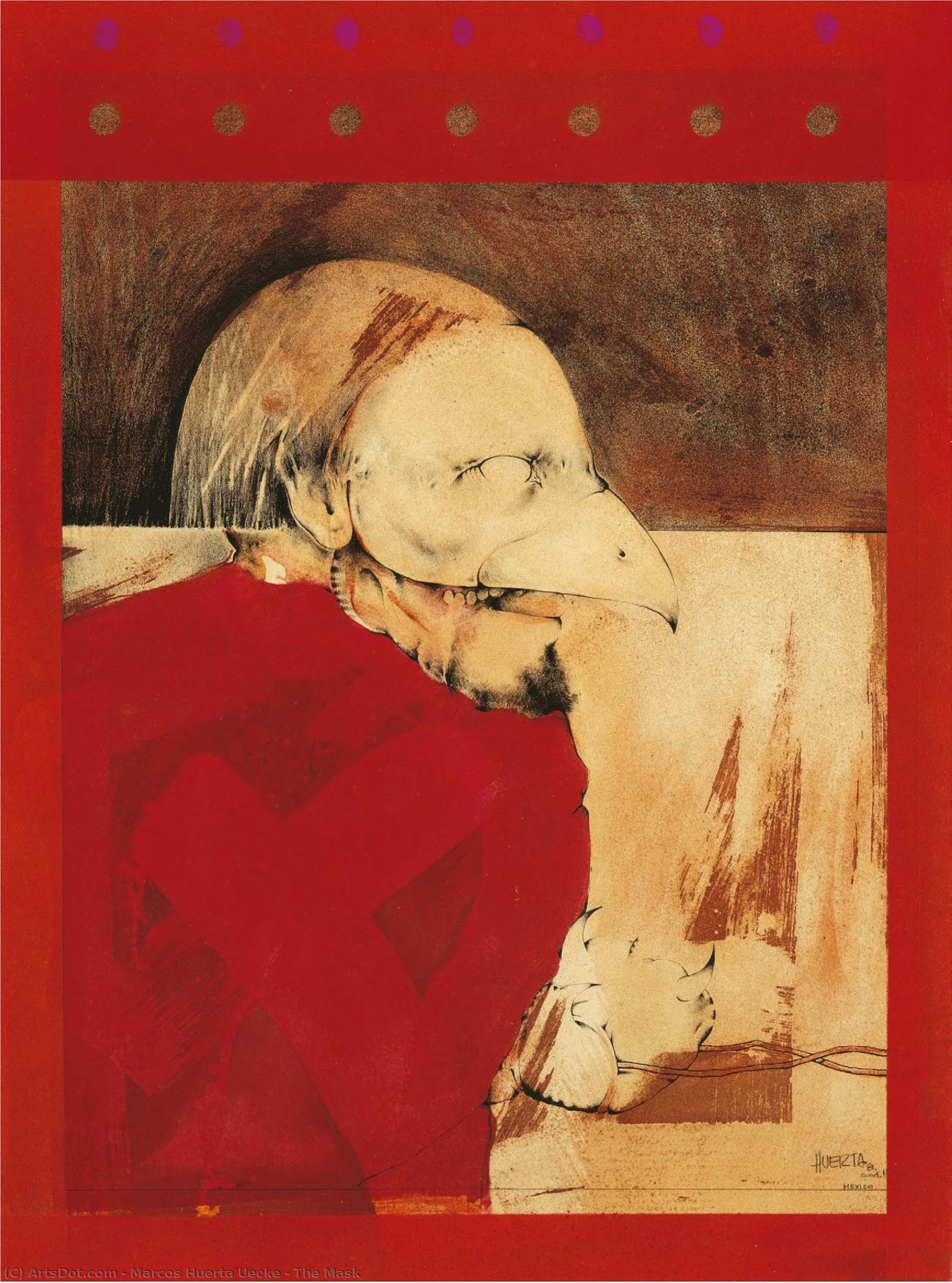
The Mask
 Painting
- Contemporary Realism
 1981
1981- Contemporary
 75.0 x 53.0 cm
 Museum of the Arts of the University of Guadalajara
 Читать далее
Масляная репродукция ручной работы
Картина маслом на холсте в выбранном вами размере и раме, написанная на заказ нашими художниками. ( Перейти к печати Перейти к цифровым изображениям)




P118B $10

P118H $10

P118W $10

P438Z $10

P508JH $12

P508YH $12

P805H $10

P805Z $10

P919BZ $10

P919G $10

P919XJ $10

P959ZH $10

P968JZ $12

W106C $8

W218G $10

W218JH $8

W218Y $10

W307PJ $10

W316G $10

W316PJ $8

W316Y $10

W398PJ $8

W4111J $10

W500HY $15

W500JH $15

W692G $12

W849H $8

W940BG $15

W953PJ $8




Выберите один из наших стандартных размеров, соответствующих оригинальным пропорциям произведения искусства.

Вы можете указать собственные размеры, чтобы картина идеально вписалась в выбранную раму или пространство. Если выбранный вами размер не соответствует пропорциям оригинала, мы либо обрежем полотно, либо расширим его за счет дополнительных элементов, написанных вручную. Цифровой макет будет отправлен вам на утверждение перед началом производства.
Обратите внимание, что предварительный просмотр на экране не отражает фактическую обрезку или расширение. Только макет точно покажет окончательную композицию.
Хотя доступны индивидуальные размеры, мы рекомендуем выбирать вариант из предопределенного списка, чтобы сохранить исходные пропорции.
После оформления заказа команда ArtsDot.com свяжется с клиентом по электронной почте для уточнения деталей и предоставит предварительный макет
Доставка по всему миру () за 3–4 недели вместо стандартных 5 недель. (12 Сентябрь). Без компромиссов в качестве.

Бесплатная экспресс-доставка по всему миру

Высококачественный льняной холст

Полное страхование доставки

Гарантия возмещения таможенных пошлин

Гарантия точного соответствия цветов

100-дневная политика возврата (только при обнаружении дефектов)

Гарантия возврата 100% средств

Предложение оптовых скидок
 Вариант со стеклом доступен только для размеров менее 110 см

The Mask
Техника репродукции
Размер репродукции
-


Итоговая стоимость
$ 263
The Enigma of Identity: Unveiling The Mask
In the profound and often unsettling realm of Marcos Huerta Uecke, the boundary between the human soul and the animal instinct is perpetually blurred. His 1981 masterpiece, The Mask, serves as a haunting window into this duality. At first glance, the viewer is confronted by a figure whose humanity is obscured by a formidable bird mask, characterized by an enormous, imposing beak that dominates the composition. This is not merely a portrait of a man in costume, but an exploration of the metamorphosis of the self. The artist masterfully utilizes the concept of the mask to delve into the dark side of appearances, suggesting that beneath our civilized veneers lie primal, untamed essences. Through this striking imagery, Huerta Uecke invites us to contemplate the mystery of existence and the shadows that linger just beneath the surface of our conscious minds.
The technical execution of The Mask is a testament to the artist's rigorous discipline and his ability to marry Renaissance-inspired formality with modern psychological depth. Huerta Uecke’s technique is rooted in the precision of drawing; he builds his worlds through meticulous lines that provide structure, value, and nuance to every form. His palette for this piece is intentionally bold and concentrated, leaning heavily toward deep, solid shades of red that evoke both passion and a sense of underlying danger. There is a deliberate lack of soft transitions; instead, colors are bounded by sharply defined areas, creating a graphic clarity that commands attention. This controlled application of color ensures that the intricate details—from the texture of the bird's feathers to the subtle expression in the visible portion of the man's mouth—are rendered with an almost clinical accuracy, yet they pulse with an organic, living energy.
For the discerning collector or interior designer, The Mask offers a profound emotional resonance that transcends mere decoration. The painting functions as a focal point of intellectual and aesthetic tension, where the rationality of the artist's precise linework meets the irrationality of his subject matter. It is a piece that demands contemplation, making it an ideal acquisition for spaces designed for reflection, such as private libraries, studies, or sophisticated galleries. The composition, featuring secondary figures and a background that hints at a domestic yet surreal setting, creates a dynamic narrative flow that draws the eye deeper into the canvas. To possess a reproduction of this work is to bring into one's environment a piece of profound storytelling—a conversation starter that explores the eternal struggle between our civilized identities and our most primal instincts.
Похожие произведения
Биография художника
Mark Gertler: A Life Painted in Bold Colors
Born in London’s East End in 1891 to Polish-Jewish immigrant parents, Mark Gertler's life was a testament to resilience and artistic vision. Growing up amidst poverty and speaking only Yiddish until the age of eight profoundly shaped his perspective, imbuing his work with an earthy authenticity rarely found in the circles of the established art world. His early years were marked by hardship and illness – he battled tuberculosis – yet these challenges fueled a determination to create, ultimately leading him to embrace a distinctive style rooted in both European artistic traditions and the vibrant folk art of Eastern Europe.
Gertler’s formal training at the Slade School of Fine Art provided a foundation, but it was his independent exploration that truly defined his approach. He absorbed influences from Post-Impressionism – particularly the bold colors and expressive brushwork of Van Gogh and Gauguin – while simultaneously drawing inspiration from the rich visual culture of his Jewish heritage. This synthesis resulted in paintings characterized by intense hues, dynamic compositions, and a palpable sense of energy. His subjects ranged from intimate portraits of women to still lifes brimming with symbolic weight, often imbued with a touch of melancholy or social commentary.
The Rise of a Distinctive Style
Gertler’s artistic journey was marked by a gradual evolution, culminating in a highly individual style that defied easy categorization. Initially influenced by the prevailing trends of his time, he soon began to forge his own path, experimenting with color and form in ways that were both innovative and deeply personal. His palette became increasingly vibrant, employing saturated reds, yellows, and blues to create paintings that pulsated with life. He was particularly drawn to depicting figures in motion – a fascination evident in works like Merry-Go-Round (1916), now held at the Tate Gallery in London. This painting, a powerful and unsettling image of whirling figures on fairground horses, is often interpreted as a critique of militarism and the chaotic nature of modern life.
His work also reflected a growing interest in social commentary. Gertler’s depictions of everyday people – particularly women – were not merely decorative; they carried layers of meaning, hinting at the struggles and complexities of their lives. He frequently employed symbolic imagery, drawing on folklore and traditional motifs to convey deeper narratives.
A Turbulent Period and Legacy
The years leading up to World War I witnessed a significant shift in Gertler’s artistic focus. He spent time in France, seeking respite from his health problems and immersing himself in the vibrant art scene of Montparnasse. This period saw him experimenting with new techniques and exploring themes related to identity and displacement. However, the outbreak of war brought a profound sense of disillusionment, reflected in the darker tones and more introspective mood of his later works.
Sadly, Gertler’s life was cut short at the relatively young age of 47, succumbing to cancer in 1939. Despite his tragically brief career, he left behind a significant body of work that continues to captivate and inspire. His bold colors, dynamic compositions, and poignant portrayals of human experience have earned him a place among the most important figures of British modern art. His paintings are held in major collections worldwide, including the Tate Gallery and the National Gallery.
Key Works
- Merry-Go-Round (1916): A seminal work showcasing Gertler’s innovative use of color and his engagement with social commentary.
- Queen of Sheba (1922): A powerful portrait embodying sensuality and strength, demonstrating Gertler's mastery of vibrant color and expressive brushwork.
- Various portraits of women: Reflecting his interest in the lives and experiences of ordinary people, these paintings are characterized by their emotional depth and nuanced portrayals.
Historical Significance
Mark Gertler’s work occupies a unique position within British modern art. He was part of a generation grappling with the rapid social and technological changes of the early 20th century, while simultaneously drawing upon the rich artistic traditions of his Eastern European heritage. His distinctive style – characterized by bold colors, dynamic compositions, and a willingness to engage with complex themes – paved the way for subsequent generations of British artists. He stands as a testament to the power of individual vision in the face of adversity, leaving behind a legacy that continues to resonate today.

marcos huerta uecke
1939 - , Mexico
Основные сведения
- Artistic Movement Or Style: Post-Impressionism
- Artists Or Movements Influenced By This Artist: ['Eastern European folk art']
- Artists Who Influenced This Artist: ['Post-Impressionists']
- Date Of Birth: December 9, 1891
- Date Of Death: June 23, 1939
- Full Name: Mark Gertler
- Nationality: British
- Notable Artworks:
- Merry-Go-Round
- Queen of Sheba
- Place Of Birth: London, England
Похожие статьи
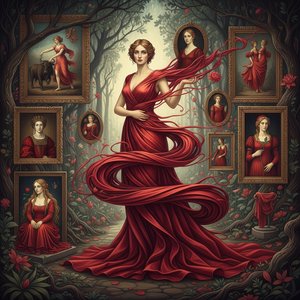
Crimson Threads of Narrative: Exploring Symbolism & Representation in Artworks Featuring the Red Dress
Explore the rich symbolism of the red dress in art history! From ancient power displays to iconic portraits like Cézanne’s 'Madame Cezanne', discover the cultural and artistic significance behind this captivating color. Expert analysis & insights.
Марк Ротко: 25 шедевров абстрактного экспрессионизма для вашего интерьера | ArtsDot
Погрузитесь в мир Марка Ротко! 25 шедевров абстрактного экспрессионизма, полных эмоций и цвета. Узнайте историю создания культовых картин и найдите идеальную репродукцию для вашего интерьера на ArtsDot.com.
Feathered Visions: A Historical & Artistic Exploration of Birds in Painting
Explore the rich history of birds in painting! Discover symbolism, artistic movements & master artists like Audubon. High-quality reproductions available at ArtsDot.
Эдвард Мунк: Топ-25 шедевров художника для ценителей искусства и декора интерьера
Погрузитесь в мир Эдварда Мунка! Топ-25 шедевров экспрессионизма, полных эмоций и символизма. Узнайте истории создания знаменитых картин "Крик", "Мадонна" и других. Репродукции музейного качества для вашего интерьера на ArtsDot.com.
Топ-25 шедевров Амедео Модильяни: искусство, история и декор для вашего дома
Погрузитесь в мир Амедео Модильяни! 25 шедевров итальянского модернизма, полных страсти и меланхолии. Узнайте историю создания знаменитых портретов и обнажённых тел художника. Репродукции картин Модильяни премиум-качества для вашего интерьера на ArtsDot.com.