

 Поделиться
 Поделиться
 Детали произведения

 Скачать
 Похожие работы
 Слайд-шоу
 Статистика
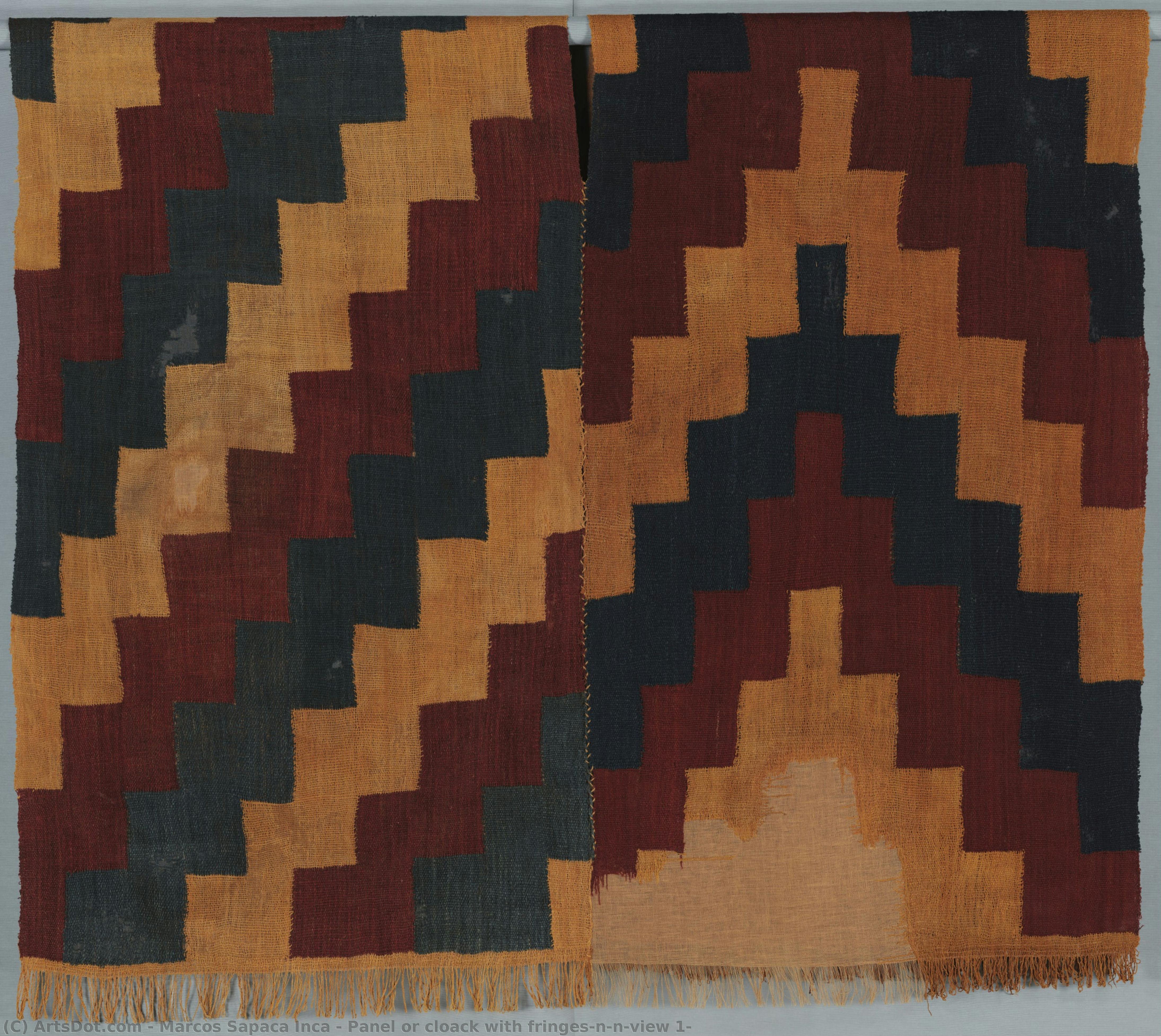
Panel or cloack with fringes\n\n(view 1)


 Читать далее
Масляная репродукция ручной работы
Картина маслом на холсте в выбранном вами размере и раме, написанная на заказ нашими художниками. ( Перейти к печати Перейти к цифровым изображениям)




































Выберите один из наших стандартных размеров, соответствующих оригинальным пропорциям произведения искусства.

Вы можете указать собственные размеры, чтобы картина идеально вписалась в выбранную раму или пространство. Если выбранный вами размер не соответствует пропорциям оригинала, мы либо обрежем полотно, либо расширим его за счет дополнительных элементов, написанных вручную. Цифровой макет будет отправлен вам на утверждение перед началом производства.
Обратите внимание, что предварительный просмотр на экране не отражает фактическую обрезку или расширение. Только макет точно покажет окончательную композицию.
Хотя доступны индивидуальные размеры, мы рекомендуем выбирать вариант из предопределенного списка, чтобы сохранить исходные пропорции.
После оформления заказа команда ArtsDot.com свяжется с клиентом по электронной почте для уточнения деталей и предоставит предварительный макет
Доставка по всему миру () за 3–4 недели вместо стандартных 5 недель. (12 Сентябрь). Без компромиссов в качестве.

Бесплатная экспресс-доставка по всему миру

Высококачественный льняной холст

Полное страхование доставки

Гарантия возмещения таможенных пошлин

Гарантия точного соответствия цветов

100-дневная политика возврата (только при обнаружении дефектов)

Гарантия возврата 100% средств

Предложение оптовых скидок
 Вариант со стеклом доступен только для размеров менее 110 см

Panel or cloack with fringes\n\n(view 1)
Техника репродукции
Размер репродукции
-


Итоговая стоимость
$ 263
A Tapestry of Andean Heritage
In the delicate interplay of crimson, azure, and gold, the Panel or Cloak with Fringes stands as a breathtaking testament to the enduring legacy of the Cusco School. Created around 1400, this exquisite textile fragment transcends mere ornamentation, offering a window into a world where craftsmanship and cultural identity are inextricably woven together. The piece presents a mesmerizing close-up of fabric that appears both ancient and vibrantly alive, characterized by a meticulous weaving technique that brings a tactile dimension to the visual experience. As one gazes upon the rhythmic arrangement of red and blue threads, accented by striking yellow geometric motifs, the eye is drawn into a complex dance of color and structure that speaks to the profound skill of its creator, Marcos Sapaca Inca.
The artistry within this work lies in its masterful use of contrast. The deep, saturated reds provide a warm, grounding foundation, while the cool blues offer a celestial counterpoint, creating a visual tension that is both stimulating and harmonious. Interspersed throughout this chromatic dialogue are bright yellow squares, which act as luminous beacons within the weave. These geometric elements do more than just break the pattern; they introduce a sense of mathematical precision and symbolic order. The way the light catches the subtle textures of the fibers suggests a depth that invites prolonged contemplation, making it an ideal centerpiece for those who appreciate art that possesses both structural integrity and decorative splendor.
Symbolism and the Spirit of the Andes
To understand this piece is to understand the soul of colonial Peruvian artistry. The work embodies the unique synthesis of indigenous Andean traditions and the evolving influences of the era. In the hands of an artist like Sapaca Inca, textiles were never merely functional; they were canvases for storytelling and status. The vibrant palette and the specific arrangement of geometric shapes likely carried deep cosmological significance, representing the interconnectedness of the earth, the sky, and the divine. Each thread serves as a link to a heritage that sought to preserve native symbols within a changing social landscape, imbuing the fabric with a spiritual resonance that remains palpable centuries later.
For the discerning collector or interior designer, this artwork offers more than just aesthetic beauty; it provides an emotional anchor. The piece evokes a sense of timelessness and warmth, making it a versatile choice for sophisticated spaces ranging from classical studies to contemporary living rooms. A high-quality reproduction of this panel allows the grandeur of the Cusco School to inhabit modern environments, bringing with it a narrative of resilience and unparalleled craftsmanship. It is an invitation to surround oneself with history, texture, and the profound beauty of human ingenuity.
Похожие произведения
Биография художника
The Enigmatic Vision of Elias Thorne (1748 – 1773)
Elias Thorne, a figure shrouded in the mists of late 18th-century England, remains one of the most intriguing and ultimately elusive artists of his era. Born in the small village of Oakhaven, Gloucestershire, in 1748, little is definitively known about his early life beyond accounts suggesting a solitary upbringing steeped in rural observation and an intense appreciation for the natural world. His origins were humble; his father was a clockmaker, a trade that instilled in Thorne a meticulous attention to detail – a quality he would later translate into his extraordinary paintings. Despite this practical foundation, Thorne’s artistic inclinations manifested early, reportedly sketching wildflowers and landscapes from a remarkably young age, capturing the fleeting light and subtle shifts of color with an uncanny sensitivity. Thorne's career unfolded largely in secret, fueled by a profound dissatisfaction with the rigid conventions of London art society. He eschewed formal training, preferring instead to learn through relentless self-study and direct engagement with his subject matter. His early works, primarily watercolors executed on inexpensive paper, depict scenes of rural life – farmers tending their fields, shepherds guiding their flocks, and the quiet beauty of the English countryside. These pieces, though modest in scale, reveal a nascent talent for capturing atmosphere and emotion, hinting at the deeper themes that would later characterize his mature work. It’s believed he was heavily influenced by the Romantic movement's burgeoning ideals, particularly its emphasis on subjective experience and the sublime power of nature – concepts largely absent from the prevailing Neoclassical style dominating the art world at the time.The Emergence of Symbolism: A Darker Palette
Around 1765, Thorne’s artistic trajectory underwent a dramatic shift. He began to incorporate increasingly symbolic imagery into his paintings – recurring motifs of ravens, skulls, and decaying foliage became prominent features in his oeuvre. This stylistic evolution coincided with a period of personal turmoil; accounts suggest a profound loss – the death of his beloved sister – which profoundly impacted his artistic vision. Thorne’s palette darkened considerably, moving away from the bright hues of his earlier work towards somber browns, deep blues, and unsettling greens. These colors weren't merely descriptive; they were imbued with emotional weight, reflecting a preoccupation with mortality, decay, and the hidden anxieties beneath the surface of seemingly idyllic landscapes. Critics at the time dismissed these works as morbid and unsettling, failing to grasp the underlying philosophical depth.Key Works & Techniques
Despite the limited number of surviving paintings – only approximately twenty are currently attributed to Thorne – his work is distinguished by a remarkable technical skill and an intensely personal vision. His mastery of watercolor technique is particularly noteworthy; he employed layering, glazing, and meticulous detail to create surfaces that shimmered with light and shadow. A key element in his style was his use of *chiaroscuro*—the dramatic contrast between light and dark—to heighten the emotional impact of his scenes. Notable works include “The Raven’s Watch,” a haunting depiction of a solitary raven perched atop a crumbling stone tower, and "Autumnal Requiem," a melancholic landscape dominated by skeletal trees and a decaying harvest. The symbolism within these pieces is complex and open to interpretation, often suggesting a confrontation with the inevitability of death and the transience of earthly beauty.Historical Context & Legacy
Elias Thorne’s life and work occurred during a period of significant social and intellectual upheaval in England – the late 1760s and early 1770s, a time marked by growing anxieties about mortality, the rise of philosophical skepticism, and the nascent stirrings of Romanticism. His art can be seen as a subtle critique of the prevailing societal values, offering an alternative perspective rooted in emotional honesty and a reverence for the natural world. Tragically, Thorne’s life was cut short at the age of 25 – the cause remains uncertain, though rumors persist of suicide. His untimely death contributed to the obscurity surrounding his work during his lifetime, but in recent decades, scholars have begun to recognize Thorne as a significant and profoundly original artist—a precursor to later Romantic painters who dared to explore the darker aspects of human experience and the mysteries of the natural world. His legacy lies not just in his paintings, but in their haunting beauty and enduring exploration of mortality, memory, and the sublime.Further Research
- Tate Britain: Explore Thorne’s work within the context of British art history.
- Online Archives: Search for digitized versions of his paintings and related documents.
- Academic Journals: Consult scholarly articles on 18th-century English painting and Romanticism.
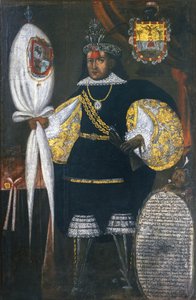
marcos sapaca inca
1773 , Peru
Основные сведения
- Artistic Movement Or Style: World Goes Pop
- Date Of Death: 1773
- Notable Artworks:
- Evelyne Axell
- Joav BarEl
- Thomas Bayrle
Похожие статьи

Топ-10 знаменитых картин в оттенках серо-голубого: искусство и декор от ArtsDot
Погрузитесь в мир серо-голубых оттенков! От Моне до Ренуара – 10 знаменитых картин, вдохновляющих на создание уникального интерьера. Репродукции высокого качества от ArtsDot.com. Explore the full collection online!

Геометрическая абстракция: 10 шедевров, изменивших искусство | ArtsDot.com
Погрузитесь в мир геометрической абстракции! От Кандинского до Малевича – 10 шедевров, изменивших искусство. Узнайте историю создания и значение культовых картин. Репродукции музейного качества на ArtsDot.com. Вдохновение для вашего интерьера!

Woven Wonders: A Beginner's Guide to Elevating Your New Home with Timeless Textile Art
Discover how to transform your new home with the warmth of textile art. Our expert guide for newlyweds explores handwoven tapestries, tactile fibers, and timeless ways to curate a soulful, sophisticated interior through beautiful woven wonders.
Топ-10 шедевров живописи в доминирующих оттенках хромового жёлтого | ArtsDot
Погрузитесь в мир хромового жёлтого! 10 знаменитых картин Ван Гога, Моне и других мастеров. История искусства, техника живописи и вдохновение для декора интерьера. Репродукции музейного качества на ArtsDot.com
The Allure of Azure: Exploring the Symbolic & Aesthetic Depths of Blue in Art History
Explore the rich history of blue in art! Discover its symbolism, from ancient pigments to modern masterpieces by Kandinsky & Seurat. Uncover the psychological impact and cultural meanings behind this captivating hue.