

 Предпросмотр
 Поделиться
 Поделиться
 Детали произведения

 Скачать
 Похожие работы
 Рентгенография
 Слайд-шоу
 Статистика
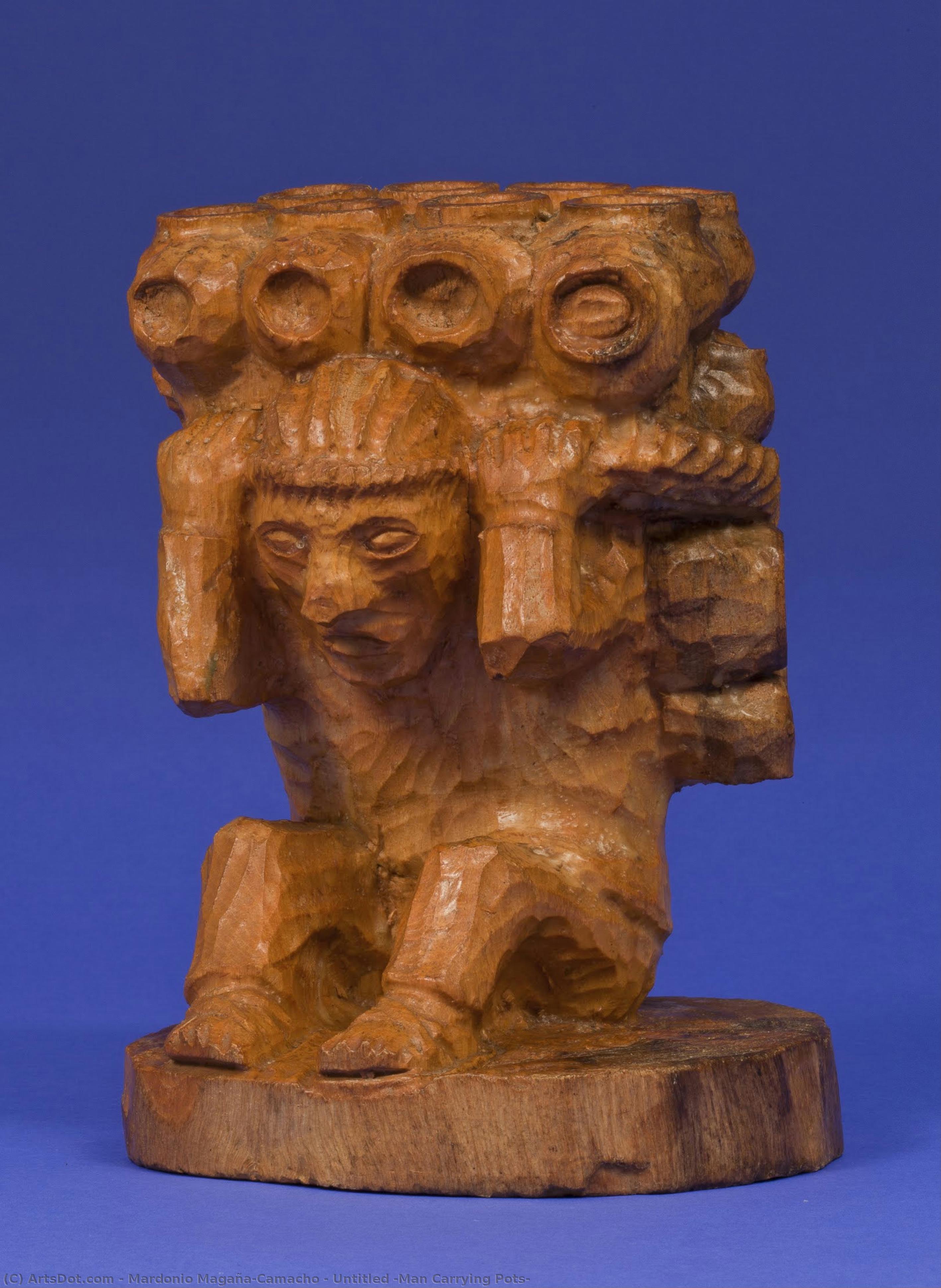
Untitled (Man Carrying Pots)


 Читать далее
Приобретите цифровое изображение высокого разрешения в улучшенном качестве, которое значительно превосходит онлайн-превью.
Каждый файл тщательно подготавливается нашими специалистами с использованием передовых инструментов и экспертной ручной ретуши. Мы гарантируем исключительную четкость, точную цветопередачу и детальную проработку каждого изображения.
Финальный файл доставляется по электронной почте в течение 72 часов и оптимизирован для немедленного использования в профессиональной среде, при верстке и печати. Это тот же уровень качества, которому доверяют ведущие дизайнерские студии, издательства и галереи.
Цифровое изображение
Скачайте файл высокого разрешения для личного использования, печати и творческих проектов. ( Перейти к печати Купить картину ручной работы)
Включено в каждый заказ цифровых изображений
Гарантия экспертной цифровой доставки
Выбирая ArtsDot.com, вы получаете не просто изображение — вы приобретаете профессионально обработанное цифровое произведение искусства, созданное с безупречной точностью и под защитой гарантии качества. Вот всё, что автоматически входит в ваш заказ:

Мгновенная доставка по e-mail
Ваш цифровой файл в высоком разрешении будет отправлен вам по электронной почте в течение 72 часов после оформления заказа — и сразу станет доступен для использования.

Цифровой файл с ИИ-улучшением
Ваше произведение искусства проходит профессиональную оптимизацию с использованием передовых инструментов ИИ и ручной обработки, что гарантирует максимальную детализацию, четкость и точность цветопередачи.

Бессрочная бесплатная повторная доставка
Случайно удалили или потеряли файл? Не беспокойтесь — мы отправим его вам повторно в любое время и совершенно бесплатно.

Без импортных пошлин — навсегда
Наслаждайтесь вашим произведением искусства мгновенно без таможенных пошлин, сборов или затрат на доставку — цифровые загрузки всегда не облагаются налогом.

Гарантия точности цветопередачи
Мы гарантируем, что ваше цифровое изображение максимально точно передает оригинальные цвета благодаря использованию профессиональных инструментов и систем управления цветом.

Гарантия удовлетворенности 100 дней
Если вы не будете удовлетворены своим цифровым изображением, мы внесем правки или вернем 100% стоимости в течение 100 дней — без лишних вопросов.

100% Гарантия возврата средств
Не удовлетворены покупкой? Получите полный возврат средств в течение 100 дней после получения цифрового файла — без лишних вопросов.

Скидки на оптовые заказы
Купите 3 изображения, сэкономьте 10% — Купите 5, сэкономьте 15% — Купите 10+, сэкономьте 20%. Отличное решение для творческих проектов, галерей и агентств.
Похожие произведения


Биография художника
A Life Carved in Stone: The Story of Mardonio Magaña
Mardonio Magaña-Camacho, affectionately known as “Magañita,” emerged from the rural landscapes of La Estancia Nueva, Guanajuato, Mexico, around 1865. His life was a testament to the power of raw talent blossoming outside the confines of formal training. For decades, he labored as a foreman on local properties, his hands intimately acquainted with the earth and its bounty. Little did anyone suspect that these same hands possessed an extraordinary gift for sculpting, a passion quietly nurtured amidst the demands of daily life. He began carving wood and calabash gourds as a child, often reprimanded for prioritizing artistry over duty—a foreshadowing of the profound impact his work would eventually have on the art world. It wasn’t until he reached the age of 55, following the upheaval of the Mexican Revolution and the sale of the Hacienda where he worked, that Magaña ventured to Mexico City in search of a new livelihood. This move proved pivotal, setting the stage for an unexpected encounter that would forever alter his destiny.Discovery and Artistic Awakening
In 1921, Magaña found employment as a janitor at the Escuela de Pintura al Aire Libre de Coyoacán—a vibrant hub of artistic innovation. It was here, amidst the creative energy of burgeoning Mexican muralists and painters, that his talent caught the discerning eye of Diego Rivera. The story goes that Rivera was immediately struck by Magaña’s innate ability to imbue stone with life, recognizing a unique power in his direct carvings—a style unburdened by academic convention. Rivera famously declared him “the greatest contemporary Mexican sculptor,” a bold statement that launched Magaña into the national spotlight. This wasn't merely patronage; Rivera saw in Magaña a profound connection to indigenous traditions and an authentic expression of Mexican identity, qualities he deeply valued. He became a close friend to both Rivera and Frida Kahlo, finding support and encouragement within their artistic circle.The Essence of Folk Art: Technique and Themes
Magaña’s art is rooted in the everyday lives of indigenous Mexicans. He worked primarily with stone, wood, and mud, eschewing traditional sculpting tools for a direct approach—chiseling, carving, and molding with an intuitive understanding of his materials. His sculptures depict scenes of rural life: farmers tending their fields, families sharing meals, animals grazing peacefully, and figures engaged in traditional crafts. There’s a remarkable simplicity to his forms, yet they are imbued with a powerful sense of movement and emotion. He didn't strive for idealized representations; instead, he captured the essence of human experience—the dignity of labor, the warmth of community, and the enduring connection to the land. His work is characterized by a deliberate lack of polish, embracing the rough textures and natural imperfections of his chosen mediums. This rawness isn’t a deficiency but rather an integral part of its charm, reflecting the unrefined beauty of folk art traditions.Recognition and Lasting Legacy
Throughout the 1930s, Magaña held various teaching positions in Mexico City, sharing his knowledge and passion with aspiring artists. His work gained international recognition, finding its way into prestigious collections such as the Philadelphia Museum of Art, the Museum of Modern Art (MoMA), and the Nelson A. Rockefeller Collection. He became a symbol of self-taught artistry and the power of folk traditions to inspire contemporary art. Perhaps one of his most enduring legacies is his inclusion in Diego Rivera’s monumental mural, *Pan American Unity* (1940), now housed at City College of San Francisco. His portrait within this iconic work serves as a testament to Rivera's unwavering belief in Magaña’s genius and the importance of representing Mexican culture on a global stage. Magaña passed away in Mexico City in 1947, leaving behind a body of work that continues to resonate with audiences today. His sculptures are not merely objects; they are windows into a way of life—a celebration of resilience, community, and the enduring power of human creativity.Historical Significance
Magaña’s importance lies in his unique position within Mexican art history. He stands as one of the few sculptors from the period 1920-1940 whose work achieved international acclaim. He embodies a crucial link between pre-Columbian artistic traditions and the burgeoning nationalist movements of post-revolutionary Mexico. His sculptures, born from humble beginnings and devoid of formal training, challenged conventional notions of artistry and paved the way for greater appreciation of folk art as a legitimate form of expression.- He represented an authentic voice during a period of intense cultural redefinition.
- His work helped to elevate the status of indigenous artisans and their contributions to Mexican society.
- Magaña’s story continues to inspire artists today, demonstrating that creativity can flourish regardless of background or education.
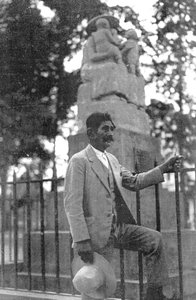
mardonio magaña-camacho
1947 , Mexico
Основные сведения
- Artistic Movement Or Style: World Goes Pop
- Artists Or Movements Influenced By This Artist: ['Pop Art']
- Artists Who Influenced This Artist:
- Andy Warhol
- Roy Lichtenstein
- Date Of Death: 1947
- Notable Artworks:
- Untitled (Pop)
- Untitled (Pop)