 Предпросмотр
 Поделиться
 Поделиться
 Детали произведения

 Скачать
 Похожие работы
 Рентгенография
 Слайд-шоу
 Статистика
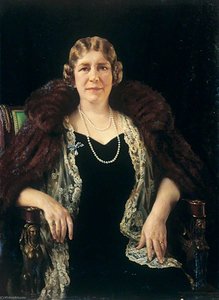
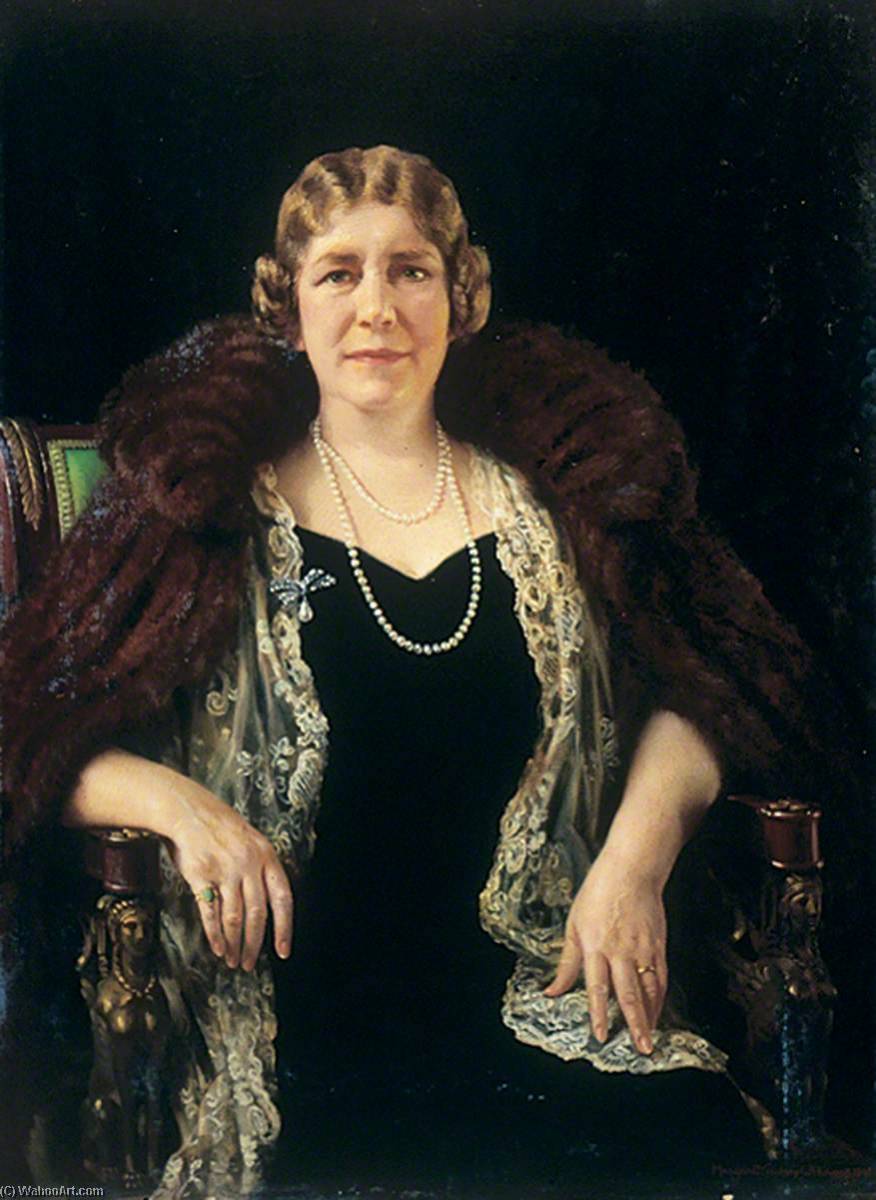
Леди Сноудон
 Акрил на холсте
- Настенный декор
- Romantic Portraiture
 1944
1944 102.0 x 76.0 cm
 Leeds Art Gallery
 Читать далее
Жикле / Арт-принт
Печать (жикле) или холст музейного качества с быстрыми сроками изготовления и широким выбором вариантов отделки. ( Купить картину ручной работы Перейти к цифровым изображениям)




P118B $10

P118H $10

P118W $10

P438Z $10

P508JH $12

P508YH $12

P805H $10

P805Z $10

P919BZ $10

P919G $10

P919XJ $10

P959ZH $10

P968JZ $12

W106C $8

W218G $10

W218JH $8

W218Y $10

W307PJ $10

W316G $10

W316PJ $8

W316Y $10

W398PJ $8

W4111J $10

W500HY $15

W500JH $15

W692G $12

W849H $8

W940BG $15

W953PJ $8




Выберите один из наших стандартных размеров, соответствующих оригинальным пропорциям произведения искусства.

Вы можете указать свои собственные размеры, чтобы репродукция идеально подошла под конкретную раму или пространство. Если выбранный вами размер не будет соответствовать пропорциям оригинала, мы либо обрежем произведение, либо дополним изображение зеркальным отражением краев или однотонной заливкой. Перед началом производства вам будет отправлен цифровой макет для утверждения.
Пожалуйста, обратите внимание, что предварительный просмотр на экране не отображает фактическую обрезку или расширение изображения. Только макет точно покажет финальную композицию.
Несмотря на возможность заказа индивидуальных размеров, мы рекомендуем выбирать размер из предопределенного списка, чтобы сохранить оригинальные пропорции.
Доставка по всему миру () за 2 недели вместо стандартных 4/5 недель. (13 Сентябрь)

Бесплатная экспресс-доставка по всему миру

Высококачественный льняной холст

Полное страхование доставки

Гарантия возмещения таможенных пошлин

Гарантия точного соответствия цветов

100-дневная политика возврата (только при обнаружении дефектов)

Гарантия возврата 100% средств

Предложение оптовых скидок
 Вариант со стеклом доступен только для размеров менее 110 см

Леди Сноудон
Жикле / Арт-принт
Размер репродукции
-


Итоговая стоимость
$ 62
Margaret Lindsay Williams: Capturing Majesty Through Light and Shadow
Margaret Lindsay Williams (1888-1960) stands as a pivotal figure in 20th-century British portraiture, celebrated for her masterful depictions of royalty, nobility, and influential statesmen. Though largely absent from public view during her lifetime, her work has experienced a remarkable resurgence of interest amongst collectors and art historians alike, recognizing its enduring beauty and technical brilliance.
The Painting: Lady Snowdon
“Lady Snowdon,” painted in 1944, exemplifies Williams’ signature style—a deliberate fusion of realism and subtle impressionistic touches. Measuring 102 x 76 cm and currently residing at the Leeds Art Gallery, this oil on canvas portrays Dame Margery Rhodes Snowdon (née Gwyneth Vaughan), wife of Lord Snowdon, Archbishop of Wales from 1945 to 1963. The portrait captures Snowdon in a moment of quiet contemplation, dressed impeccably in a dark gown adorned with pearls—a testament to the refined taste and social standing of the era.
Artistic Technique and Style
Williams’ approach is characterized by meticulous attention to detail combined with an expressive use of chiaroscuro – the dramatic interplay between light and darkness. She skillfully employs a muted palette dominated by browns, creams, and blacks, creating a sense of depth and highlighting Snowdon's facial features with delicate illumination. The artist’s brushstrokes are loose yet controlled, conveying both texture and movement—a technique that imbues the painting with an atmosphere of dignified serenity.
Historical Context: Wartime Reflection
Created during World War II, “Lady Snowdon” offers a poignant glimpse into British society amidst turbulent times. The somber background reflects the anxieties of the period, while Snowdon’s gaze directs outwards—perhaps symbolizing resilience and unwavering faith in the face of adversity. Williams' decision to portray Snowdon in this contemplative pose speaks volumes about her understanding of human psychology and her ability to translate emotion onto canvas.
Symbolism: Elegance and Grace
Beyond its technical prowess, “Lady Snowdon” resonates with symbolic significance. The gown’s pearls represent purity and virtue—values deeply cherished during the war years—and the fur stole embodies warmth and comfort amidst hardship. Williams' masterful composition elevates the portrait beyond mere likeness, transforming it into a celebration of grace, dignity, and inner strength.
Conclusion: A Legacy Enduring
Margaret Lindsay Williams’ “Lady Snowdon” remains an exceptional achievement in British portraiture—a captivating artwork that continues to inspire admiration for its beauty and intellectual depth. Its enduring appeal lies not only in its exquisite craftsmanship but also in its ability to convey a profound sense of human emotion, cementing Williams' place as one of the most important artists of her generation.
Похожие произведения
Биография художника
Margaret Lindsay Williams: A Life in Portraiture
Margaret Lindsay Williams (1888-1960) was a celebrated Welsh artist renowned for her striking portraits of British royalty, European nobility, and American presidents. Though highly successful during her lifetime, her work experienced a period of relative obscurity before being rediscovered as an important figure in 20th-century portraiture.
Early Life and Education
Born in Cardiff, Wales, Margaret Lindsay Williams was the eldest daughter of Samuel A. Williams, a shipbroker, and Martha Margaret Lindsay, of Scottish descent. From the age of nine, she resided at 9 Windsor Road, Barry. Her artistic talent became evident early on, winning a gold medal for art at Cardiff School of Art in 1904. She continued her studies at the Pelham Street School of Painting in Kensington (1905), preparing for entry into the prestigious Royal Academy.
Royal Academy and Early Career
Williams enrolled at the Royal Academy School in 1906, quickly distinguishing herself. In 1911, she achieved a remarkable feat – winning a gold medal for her painting The City of Refuge , becoming both the youngest artist and the first from Wales to receive this honor. Supported by her father, she established her own studio at Eaton Terrace in St John's Wood that same year. A travel scholarship followed in 1912, allowing her to study in Italy and Holland under the guidance of John Singer Sargent .
Artistic Development and Style
Williams’ style evolved from early academic training towards a distinctive approach to portraiture. She skillfully captured not only physical likeness but also the personality and status of her sitters. Her work demonstrates a mastery of technique, with meticulous attention to detail and a refined use of color. While primarily known for portraits, she also explored religious themes and imaginative compositions during and after World War I.
Wartime Experiences and Commissions
At the outbreak of World War I, Williams actively sought an appointment as an official war artist with the Welsh Division in France. Despite support from David Lloyd George , her request was denied due to prevailing societal norms regarding women’s roles during wartime. She contributed illustrations for a prose anthology supporting Welsh troops and later undertook large-scale commissions, including depictions of scenes at Cardiff Royal Infirmary and Cardiff City Hall.
Major Achievements and Notable Works
- Welsh National Service at Westminster Abbey (1918): Her most ambitious work – a 20x16 foot canvas featuring approximately 150 portraits, including Queen Alexandra and Princess Victoria.
- Portraits of Royalty: She painted numerous portraits of Queen Alexandra, Queen Mary, Princess Margaret, and at least five portraits of Queen Elizabeth II .
- Presidential Portrait: Commissioned to paint a near life-size portrait of President Warren Harding in 1922.
- St Paul's Cathedral Thanksgiving Service (1933): A large group portrait including King George V and Queen Mary, commemorating the cathedral’s re-opening.
Later Life and Legacy
Williams continued to receive commissions from prominent families in Wales and London throughout the mid-20th century. She painted portraits of figures like Henry Ford and Field Marshal Slim. Although celebrated during her lifetime, her work faded from prominence after her death in 1960. Today, there is a growing recognition of her talent and contribution to British portraiture, with renewed interest in her life and artistic achievements.
Influences
Margaret Lindsay Williams was significantly influenced by John Singer Sargent’s approach to portraiture. Her work also reflects the academic traditions of the Royal Academy and a broader engagement with contemporary artistic trends.
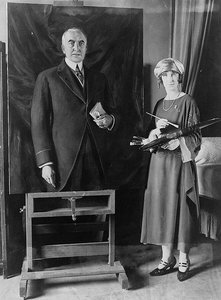
Margaret Lindsay Williams
1888 - 1960
Основные сведения
- Birth_Date: 1888
- Birth_Place: Cardiff, Wales
- Death_Date: 1960
- Influenced: None, 'influenced_by': 'John Singer Sargent', 'movement': 'Portraiture, Figurative Art', 'name': 'Margaret Lindsay Williams', 'nationality': 'Welsh', 'notable_works':
Похожие статьи
Эхо предков: Семейные портреты в истории и их непреходящее значение
Исследуйте историю семейного портрета, его символику и значение в русской культуре. Узнайте о традициях создания фамильных портретов и современных тенденциях в искусстве.
Сир Джошуа Рейнольдс: 25 шедевров портретной живописи для ценителей искусства и декора
Погрузитесь в мир Сира Джошуа Рейнольдса! 25 величайших портретов английского искусства XVIII века. Узнайте историю создания шедевров, технику живописи и вдохновитесь для декора интерьера. Репродукции картин высокого качества на ArtsDot.com.
Эволюция семейных портретов: персонализированное искусство как летопись жизни поколений
Узнайте историю семейных портретов и откройте для себя искусство сохранения памяти поколений. Закажите уникальный портрет маслом у профессиональных художников! Персонализация, высокое качество, экспертные консультации.
The Enduring Legacy of Family Portraiture: A Historical & Artistic Exploration
Explore the rich history of family portraiture with ArtsDot. Discover artistic styles, symbolism & collecting insights. Commission a custom oil painting or appraise your existing artwork today!
Топ-10 шедевров искусства, излучающих элегантность | ArtsDot.com
Погрузитесь в мир элегантности! Откройте топ-10 шедевров искусства, вдохновленных классикой, импрессионизмом и барокко. Узнайте истории великих художников и найдите идеальную картину для вашего интерьера на ArtsDot.com – музейное качество, эксклюзивный декор.