

 Предпросмотр
 Поделиться
 Поделиться
 Детали произведения

 Скачать
 Похожие работы
 Рентгенография
 Слайд-шоу
 Статистика
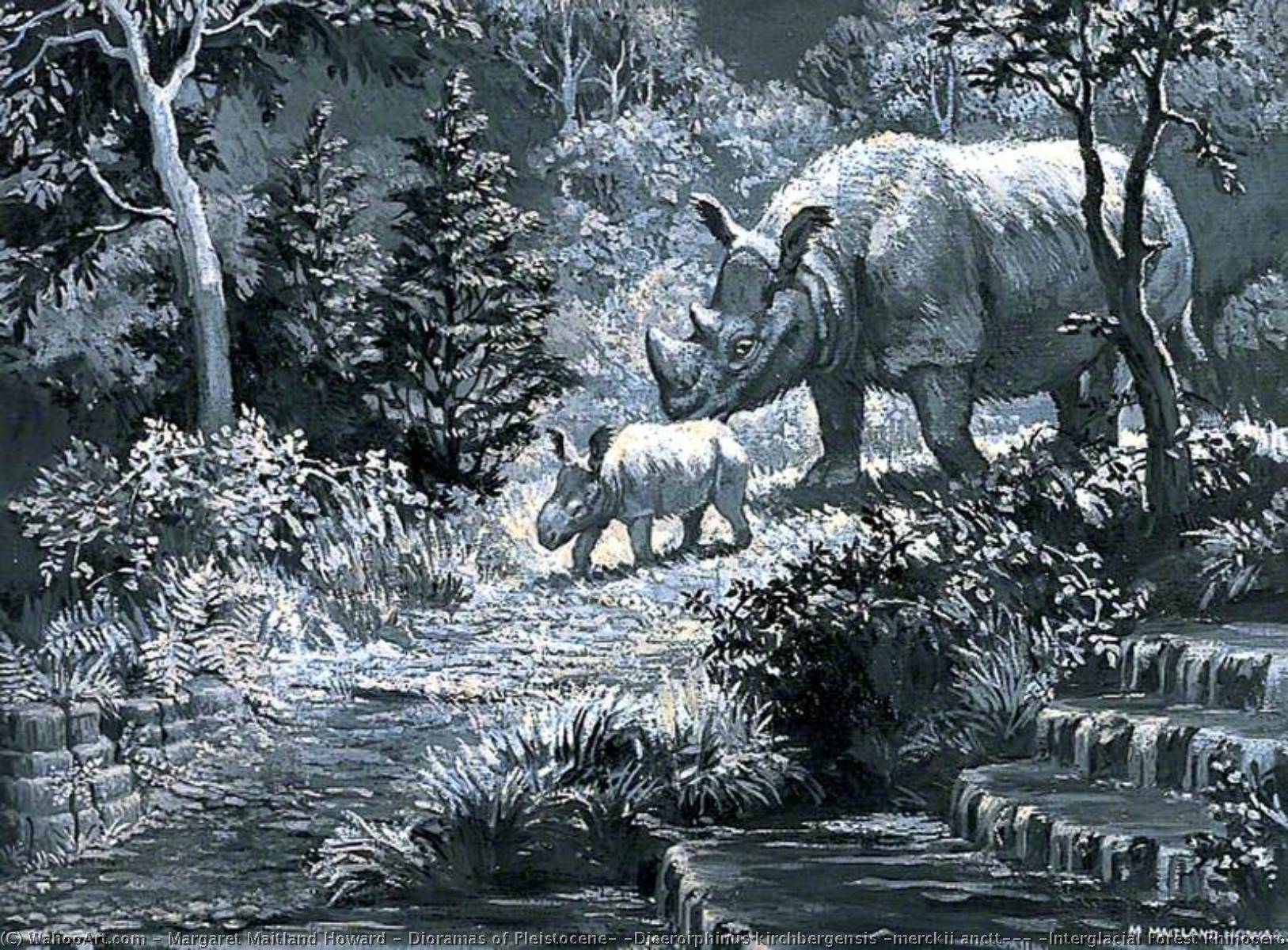
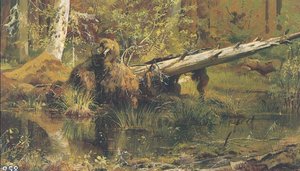
Dioramas of Pleistocene, 'Dicerorphinus kirchbergensis (merckii anctt)', (Interglacial Forest Rhinoceros)
 31.0 x 41.0 cm
 Читать далее
Масляная репродукция ручной работы
Картина маслом на холсте в выбранном вами размере и раме, написанная на заказ нашими художниками. ( Перейти к печати Перейти к цифровым изображениям)
































Выберите один из наших стандартных размеров, соответствующих оригинальным пропорциям произведения искусства.

Вы можете указать собственные размеры, чтобы картина идеально вписалась в выбранную раму или пространство. Если выбранный вами размер не соответствует пропорциям оригинала, мы либо обрежем полотно, либо расширим его за счет дополнительных элементов, написанных вручную. Цифровой макет будет отправлен вам на утверждение перед началом производства.
Обратите внимание, что предварительный просмотр на экране не отражает фактическую обрезку или расширение. Только макет точно покажет окончательную композицию.
Хотя доступны индивидуальные размеры, мы рекомендуем выбирать вариант из предопределенного списка, чтобы сохранить исходные пропорции.
После оформления заказа команда ArtsDot.com свяжется с клиентом по электронной почте для уточнения деталей и предоставит предварительный макет
Доставка по всему миру () за 3–4 недели вместо стандартных 5 недель. (13 Сентябрь). Без компромиссов в качестве.

Бесплатная экспресс-доставка по всему миру

Высококачественный льняной холст

Полное страхование доставки

Гарантия возмещения таможенных пошлин

Гарантия точного соответствия цветов

100-дневная политика возврата (только при обнаружении дефектов)

Гарантия возврата 100% средств

Предложение оптовых скидок
 Вариант со стеклом доступен только для размеров менее 110 см

Dioramas of Pleistocene, 'Dicerorphinus kirchbergensis (merckii anctt)', (Interglacial Forest Rhinoceros)
Техника репродукции
Размер репродукции
-


Итоговая стоимость
$ 263
Похожие произведения








Биография художника
Margaret Maitland Howard: A Pioneer of Prehistoric Worlds
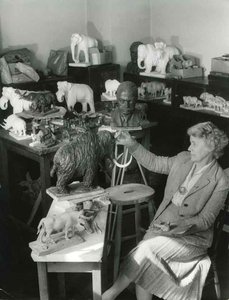
Margaret Maitland Howard (1898-1983) wasn’t merely a modeller and illustrator; she was, in essence, an archaeologist brought to life. Born into a family steeped in artistic tradition – her father, Henry James Howard, was himself a respected artist – Margaret developed a unique skill: the ability to breathe tangible reality into the often-abstract world of prehistoric reconstruction. Her work transcended simple illustration, becoming a vital tool for understanding and communicating the complexities of human history before written records.
Her early life in Sutton, Surrey, provided a grounding in traditional artistic techniques, honed at the Royal Academy School of Art. However, it was her appointment to the Institute of Archaeology in London in 1948 that truly defined her career trajectory. This wasn’t simply a job; it became a lifelong passion. Howard's role shifted from producing illustrations for academic publications to meticulously crafting detailed models – dioramas, busts, and individual components – used by leading archaeologists like Frederick Zeuner and Mortimer Wheeler in their groundbreaking lectures and research. She possessed an extraordinary eye for detail, capturing not just the physical appearance of extinct animals but also a sense of movement, texture, and environment that brought these creatures back to vivid life.
The Pleistocene Dioramas: A Window into Lost Worlds
Howard’s most celebrated work lies in her creation of dioramas depicting Pleistocene fauna – the animals that roamed Europe and North America during the Ice Age. These weren't mere static displays; they were meticulously constructed narratives, designed to illustrate the ecological relationships between species and the challenges faced by prehistoric life. Her understanding of animal anatomy, combined with a keen awareness of archaeological theory, resulted in remarkably accurate and evocative representations of woolly mammoths, giant deer, saber-toothed cats, and other iconic creatures of the Ice Age. The Institute’s collection still showcases these remarkable models, offering visitors a tangible connection to a world long vanished.
Her work on the Balawat Gates in Iraq stands as a testament to her dedication. Howard's detailed drawings and models provided crucial visual aids for researchers studying this significant archaeological site, helping to illuminate the complexities of ancient Mesopotamian civilization. She didn’t just create representations; she actively participated in the process of discovery, translating complex scientific data into accessible and engaging imagery.
Beyond Archaeology: Portraits and Book Illustrations
While her work with Pleistocene fauna is undoubtedly her most famous contribution, Howard's artistic versatility extended far beyond prehistoric reconstructions. She was a prolific book illustrator, notably producing an exquisitely detailed edition of *Aesop’s Fables* for The Bodley Head in 1926. This project demonstrated her mastery of classical illustration techniques and her ability to imbue familiar stories with a timeless quality. Her portraits, too, reveal a remarkable talent for capturing personality and character, showcasing a sensitivity to human expression.
Furthermore, she contributed significantly to the field of paleontology through illustrations for books like Frederick Zeuner’s *Dating the Past*, ensuring that scientific concepts were presented visually in an accessible manner. Her work on this book, published in several editions throughout the 1950s and 60s, highlights her commitment to disseminating knowledge and fostering a deeper understanding of Earth's history.
Legacy and Influence
Margaret Maitland Howard’s legacy extends beyond the tangible models she created. She played a crucial role in shaping how we understand and visualize prehistoric life. Her meticulous attention to detail, combined with her deep respect for archaeological research, established a new standard for scientific illustration. She wasn't simply an artist; she was a translator – bridging the gap between ancient worlds and modern understanding.
Her work at the Institute of Archaeology fostered a collaborative environment where art and science intertwined, leaving an enduring impact on the field of archaeology. Today, her dioramas continue to captivate audiences and inspire a sense of wonder about our planet’s distant past. Margaret Maitland Howard remains a significant figure in British art history – a pioneering artist who brought lost worlds back to life.
margaret maitland howard
1898 - 1983
Основные сведения
- Artistic Movement Or Style: Archaeological reconstructions, book illustrations, portraits
- Date Of Birth: 1898
- Date Of Death: 1983
- Full Name: Margaret Maitland Howard
- Nationality: British
- Notable Artworks:
- Mr Luscombe
- Adam and Eve
- Our Hero
- Place Of Birth: London, UK