


 Предпросмотр
 Поделиться
 Поделиться
 Детали произведения

 Скачать
 Похожие работы
 Рентгенография
 Слайд-шоу
 Статистика
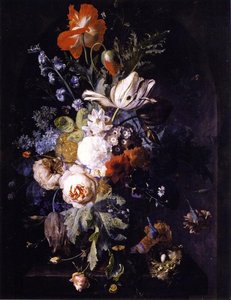
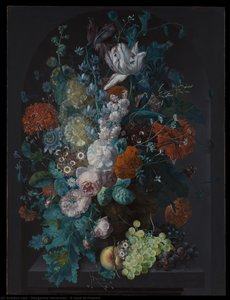
A Vase of Flowers
 1716
1716 79.0 x 60.0 cm
 Музей Метрополитен
 Читать далее
Масляная репродукция ручной работы
Картина маслом на холсте в выбранном вами размере и раме, написанная на заказ нашими художниками. ( Перейти к печати Перейти к цифровым изображениям)




































Выберите один из наших стандартных размеров, соответствующих оригинальным пропорциям произведения искусства.

Вы можете указать собственные размеры, чтобы картина идеально вписалась в выбранную раму или пространство. Если выбранный вами размер не соответствует пропорциям оригинала, мы либо обрежем полотно, либо расширим его за счет дополнительных элементов, написанных вручную. Цифровой макет будет отправлен вам на утверждение перед началом производства.
Обратите внимание, что предварительный просмотр на экране не отражает фактическую обрезку или расширение. Только макет точно покажет окончательную композицию.
Хотя доступны индивидуальные размеры, мы рекомендуем выбирать вариант из предопределенного списка, чтобы сохранить исходные пропорции.
После оформления заказа команда ArtsDot.com свяжется с клиентом по электронной почте для уточнения деталей и предоставит предварительный макет
Доставка по всему миру () за 3–4 недели вместо стандартных 5 недель. (12 Сентябрь). Без компромиссов в качестве.

Бесплатная экспресс-доставка по всему миру

Высококачественный льняной холст

Полное страхование доставки

Гарантия возмещения таможенных пошлин

Гарантия точного соответствия цветов

100-дневная политика возврата (только при обнаружении дефектов)

Гарантия возврата 100% средств

Предложение оптовых скидок
 Вариант со стеклом доступен только для размеров менее 110 см

A Vase of Flowers
Техника репродукции
Размер репродукции
-


Итоговая стоимость
$ 263
Artistic Background
Margareta Haverman was an 18th-century flower painter from the Northern Netherlands. Born into a family of artists, she was trained in the art of painting from a young age. Her work is characterized by its attention to detail and use of vibrant colors, which are evident in "A Vase of Flowers". This painting is now part of the collection at the Metropolitan Museum of Art in New York. The composition of the painting features a beautiful arrangement of flowers in a vase, set against a dark background. The use of light and shadow creates a sense of depth and dimensionality, drawing the viewer's eye into the painting. The flowers themselves are rendered with great care, their petals and leaves exhibiting a range of colors from soft pastels to vibrant hues. Key Features of the painting include:- The use of oil paint to create a rich and textured surface
- The arrangement of flowers in a vase, which creates a sense of balance and harmony
- The dark background, which provides contrast and highlights the colors of the flowers
To learn more about Margareta Haverman and her work, visit ArtsDot.com, which features a range of articles and resources on this talented artist.
Похожие произведения






Биография художника
A Delicate Touch in Dutch Botanical Art
Margaretha Haverman stands as a singular, luminous figure within the annals of 18th-century Dutch art, her name forever entwined with the exquisite precision of botanical still life. Born in Breda around 1693, she was the daughter of Daniël Haverman, a captain in the Danish army who eventually settled in Amsterdam to serve as the director of a boys’ school. This upbringing, steeped in an environment that valued both intellectual rigor and artistic pursuit, provided the fertile ground from which her extraordinary talent would bloom. During an era when the scientific curiosity regarding botany was surging across Europe, Haverman captured the ephemeral beauty of the natural world with a mastery that transcended mere imitation.
The narrative of her artistic development is famously intertwined with the legendary and notoriously secretive Jan van Huysum. According to contemporary accounts, such as those by Jan van Gool, Haverman was recognized as Van Huysum’s sole pupil—a claim that carries a certain romantic weight in art history. However, the relationship was shadowed by complexity; Van Huysum himself later suggested he had been "sweet-talked" into her instruction, reflecting the tensions of an era where masters guarded their techniques with fierce jealousy. Despite these whispers of controversy, the influence of his meticulous style is unmistakable in her work, characterized by a profound attention to detail and a vibrant, lifelike use of color.
Mastery of Pigment and Composition
Haverman’s technical prowess was particularly evident in her innovative approach to the medium of oil paint. Her ability to manipulate light and shadow created a sense of three-dimensional depth that drew viewers into the very heart of her floral arrangements. One of her most celebrated surviving works, A Vase of Flowers (1716), serves as a testament to her skill with pigments. In this magnificent piece, she utilized cutting-edge materials such as Prussian blue, demonstrating an experimental spirit that matched her observational accuracy. The composition is a breathtaking dance of balance and harmony, where the lush textures of petals and leaves are set against deep, dramatic backgrounds to heighten their brilliance.
The artist’s hand is visible in the way she rendered the organic fragility of each bloom, from the softest pastel hues to the most intense, saturated tones. While some elements of her paintings have shifted over centuries—such as the fading of yellow lake pigments which has left certain leaves with a haunting blue cast—the fundamental brilliance of her vision remains intact. Her work does not merely document flora; it celebrates the vitality and fleeting splendor of life itself, making each petal feel as though it might release its scent at any moment.
Legacy Amidst Academic Shadows
The trajectory of Haverman’s career was marked by both significant achievement and the societal pressures faced by women in the arts. Her admission to the prestigious Académie royale de peinture et de sculpture in Paris in 1722 was a monumental milestone, signaling her recognition within the highest echelons of European art. Yet, this success brought friction; her growing reputation and the sale of her works reportedly caused unease for her former mentor, Van Huysum, who feared her talent might overshadow his own established image. This tension highlights the precarious position of female artists navigating a male-dominated academic landscape.
Though much of her personal life remains shrouded in the mists of history—following her marriage to Jacques de Mondoteguy and her subsequent relocation to France—her artistic footprint is indelible. Today, only two authenticated, signed paintings are known to survive, yet their impact is profound:
- A Vase of Flowers, a masterpiece currently held in the prestigious collection of the Metropolitan Museum of Art in New York.
- Flowers in a Vase, an exquisite specimen residing within the Statens Museum for Kunst.
Through these rare survivors, Margaretha Haverman continues to enchant modern audiences, offering a window into a period of unparalleled botanical beauty and reminding us of the enduring power of a delicate, yet masterful, touch.
margareta haverman
1693 - 1723
Основные сведения
- Artistic Movement Or Style: Botanical Painting
- Artists Or Movements Influenced By This Artist: ['European Art History']
- Artists Who Influenced This Artist: ['Jan van Huysum']
- Date Of Birth: October 28, 1693
- Full Name: Margaretha Haverman
- Nationality: Dutch Republic
- Notable Artworks: ['A Vase of Flowers']
- Place Of Birth: Breda, Netherlands