

 Предпросмотр
 Поделиться
 Поделиться
 Детали произведения

 Скачать
 Похожие работы
 Рентгенография
 Слайд-шоу
 Статистика
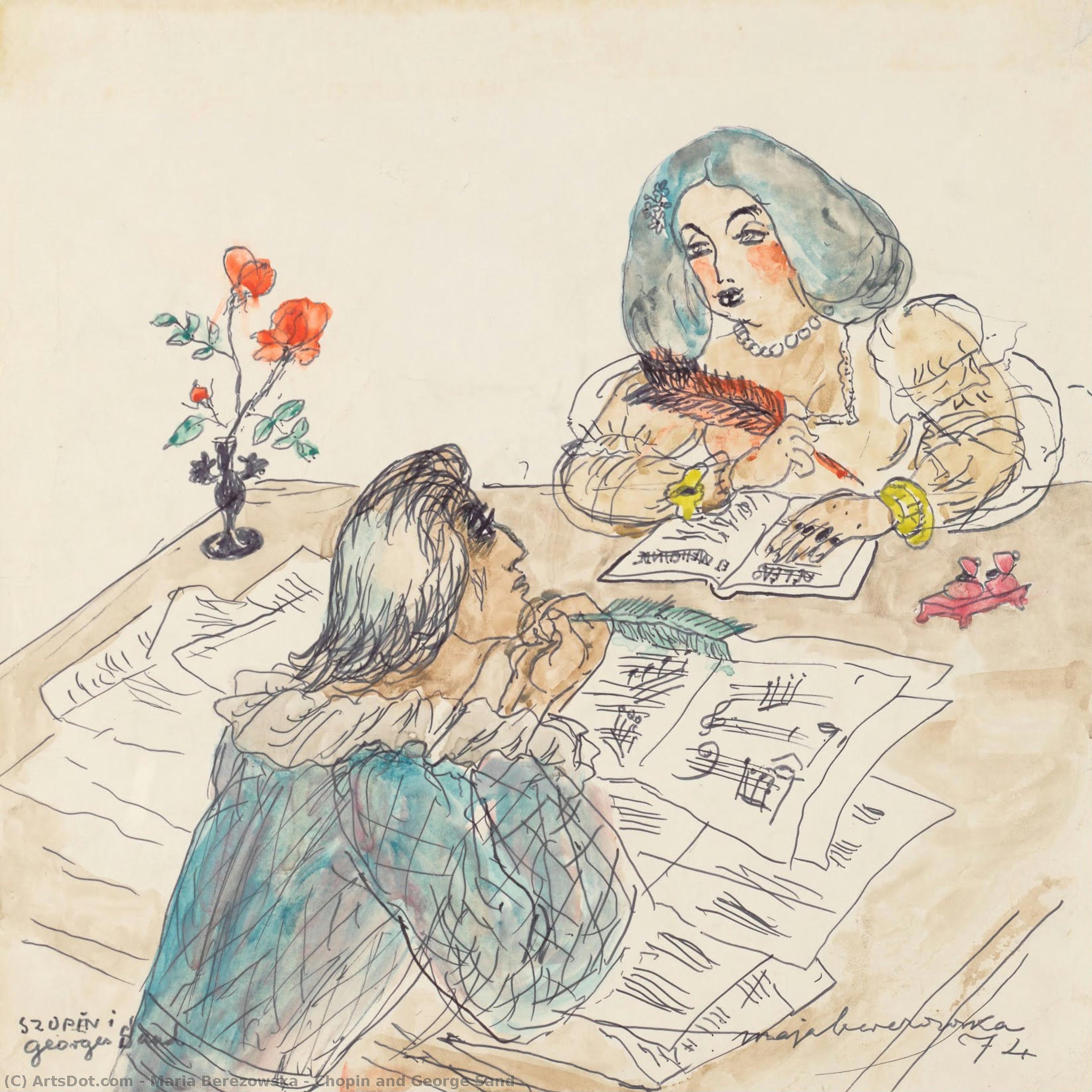
Chopin and George Sand


 Читать далее
Масляная репродукция ручной работы
Картина маслом на холсте в выбранном вами размере и раме, написанная на заказ нашими художниками. ( Перейти к печати Перейти к цифровым изображениям)




P118B $10

P118H $10

P118W $10

P438Z $10

P508JH $12

P508YH $12

P805H $10

P805Z $10

P919BZ $10

P919G $10

P919XJ $10

P959ZH $10

P968JZ $12

W106C $8

W218G $10

W218JH $8

W218Y $10

W307PJ $10

W316G $10

W316PJ $8

W316Y $10

W398PJ $8

W4111J $10

W500HY $15

W500JH $15

W692G $12

W849H $8

W940BG $15

W953PJ $8

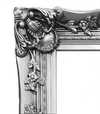
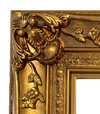
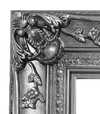
Выберите один из наших стандартных размеров, соответствующих оригинальным пропорциям произведения искусства.

Вы можете указать собственные размеры, чтобы картина идеально вписалась в выбранную раму или пространство. Если выбранный вами размер не соответствует пропорциям оригинала, мы либо обрежем полотно, либо расширим его за счет дополнительных элементов, написанных вручную. Цифровой макет будет отправлен вам на утверждение перед началом производства.
Обратите внимание, что предварительный просмотр на экране не отражает фактическую обрезку или расширение. Только макет точно покажет окончательную композицию.
Хотя доступны индивидуальные размеры, мы рекомендуем выбирать вариант из предопределенного списка, чтобы сохранить исходные пропорции.
После оформления заказа команда ArtsDot.com свяжется с клиентом по электронной почте для уточнения деталей и предоставит предварительный макет
Доставка по всему миру () за 3–4 недели вместо стандартных 5 недель. (13 Сентябрь). Без компромиссов в качестве.

Бесплатная экспресс-доставка по всему миру

Высококачественный льняной холст

Полное страхование доставки

Гарантия возмещения таможенных пошлин

Гарантия точного соответствия цветов

100-дневная политика возврата (только при обнаружении дефектов)

Гарантия возврата 100% средств

Предложение оптовых скидок
 Вариант со стеклом доступен только для размеров менее 110 см

Chopin and George Sand
Техника репродукции
Размер репродукции
-


Итоговая стоимость
$ 263
Chopin and George Sand: A Watercolor Echo of Parisian Intimacy
Maria Berezowska’s “Chopin and George Sand” is more than just a charming depiction of two literary giants; it's a meticulously rendered watercolor capturing the essence of a pivotal, passionate romance. Painted in 1974, this artwork transports us to a sun-drenched Parisian salon, a space brimming with intellectual curiosity and burgeoning affection. The scene unfolds within a modestly furnished room – a table laden with books, a vase offering a touch of floral elegance, and the subtle suggestion of a window overlooking the city’s vibrant life. Berezowska masterfully utilizes light and shadow to create an atmosphere of quiet contemplation, punctuated by the palpable energy of shared conversation.
The artist's technique is remarkably delicate. Notice how she employs loose washes of color, particularly in the rendering of the fabrics – the velvet armchair, the woman’s dress, and the man’s jacket. These aren’t sharply defined forms but rather suggestions of texture and material, achieved through layering translucent pigments. Berezowska's brushwork is incredibly expressive; short, broken strokes build up the figures, while broader sweeps define the background details. This approach lends a sense of immediacy and spontaneity to the piece, as if capturing a fleeting moment in time.
The Romance That Inspired a Legend
“Chopin and George Sand” isn’t simply a portrait; it's an illustration of one of literature’s most enduring love stories. Frédéric Chopin, the celebrated Polish composer, and George Sand, the prolific French novelist (pseudonym for Amantine Lucile Aurore Dupin), embarked on a passionate affair in 1838 that profoundly influenced both their creative output. Their relationship was unconventional, defying societal expectations of the time, and fueled by a shared love of art, literature, and intellectual discourse. The painting subtly evokes this dynamic – Chopin, with his thoughtful gaze directed towards Sand, appears engaged in a serious discussion, while Sand, absorbed in her reading, radiates an air of quiet confidence.
The historical context is crucial to understanding the artwork’s significance. Paris during the mid-19th century was a hub of artistic and intellectual ferment. The salon culture thrived, providing a space for artists, writers, and intellectuals to gather, exchange ideas, and forge connections. Berezowska skillfully captures this atmosphere, imbuing the scene with a sense of belonging and shared purpose. The inclusion of books – Chopin’s sheet music and Sand's novels – speaks volumes about their mutual interests and the intellectual stimulation that fueled their relationship.
Symbolism and Emotional Resonance
Beyond its straightforward depiction, “Chopin and George Sand” is rich in symbolic detail. The placement of the vase, with its delicate flowers, suggests beauty and refinement, mirroring the couple’s appreciation for art and culture. The light streaming through the window symbolizes hope, inspiration, and the promise of a shared future. Most importantly, the subtle interaction between the two figures – their proximity, their expressions – conveys a deep sense of connection and mutual respect.
Berezowska masterfully captures the emotional core of this relationship: a blend of intellectual passion, quiet intimacy, and unspoken understanding. The painting isn’t overtly romantic; instead, it offers a glimpse into a shared world of ideas and emotions – a testament to the power of art and literature to transcend social boundaries and ignite the human spirit. It's a poignant reminder that even in the midst of societal constraints, genuine connection can flourish.
A Timeless Reproduction
Reproductions of “Chopin and George Sand” offer an exceptional opportunity to bring this evocative artwork into your home or office. The watercolor’s delicate colors and nuanced details are beautifully preserved in high-quality prints, allowing you to appreciate Berezowska's artistry from a new perspective. Whether displayed as a statement piece in a study or a subtle accent in a living room, this painting continues to resonate with its timeless beauty and profound emotional depth.
Похожие произведения

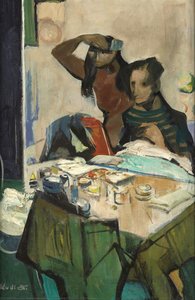
Биография художника
Edvard Munch: A Soul Painted in Shadow and Light
Edvard Munch (December 12, 1863 – January 23, 1944) stands as one of the most profoundly influential figures in modern art. His work, characterized by a visceral intensity and exploration of psychological states, continues to resonate deeply with audiences today. Born into a family marked by illness and loss, Munch’s life was inextricably linked to themes of mortality, anxiety, and the human condition – subjects he relentlessly pursued through his paintings, prints, and drawings. He wasn't merely an artist; he was a conduit for expressing the unspoken anxieties simmering beneath the surface of modern existence.Early Life and Influences: A Foundation of Sorrow
Munch’s childhood in Løten, Norway, was shadowed by tragedy. The early deaths of his mother and sister from tuberculosis instilled within him a lifelong preoccupation with illness, death, and the fragility of life. His father, a strict Christian, attributed these misfortunes to divine punishment, shaping Munch's worldview and fueling a sense of existential dread. This atmosphere of sorrow profoundly impacted his artistic development, informing a recurring motif of suffering and vulnerability in his work. He studied at the Royal School of Art and Design in Kristiania (now Oslo), but found academic training stifling. Instead, he sought inspiration from the bohemian circles of the city, particularly through his association with Hans Jæger, a nihilist philosopher who encouraged him to “paint his own soul.” This pivotal encounter shifted Munch’s focus towards expressing inner emotions rather than merely depicting external reality – a radical departure from prevailing artistic conventions. The influence of Paul Gauguin and Vincent van Gogh, whom he encountered in Paris, was also significant; they demonstrated the power of color and expressive brushwork to convey emotion, techniques Munch readily adopted.The Emergence of a Distinctive Style: Symbolism and Expressionism
Munch’s artistic style evolved rapidly, moving beyond mere imitation towards a deeply personal and symbolic language. His early works, such as *The Sick Child* (1885-86), already hinted at the emotional turmoil that would dominate his oeuvre. However, it was with *The Scream* (1893) – arguably his most famous painting – that he fully articulated his unique vision. This iconic image, depicting a figure overwhelmed by existential anguish, is not simply a portrait but an embodiment of the anxieties of modern life. Munch’s use of distorted forms, jarring colors, and swirling lines creates a sense of unease and disorientation, effectively conveying the subject's internal state. He was part of the Symbolist movement, exploring themes of spirituality, mythology, and the subconscious, yet his work pushed beyond mere symbolism into the realm of Expressionism – an artistic movement characterized by its subjective emotional expression. His series *The Frieze of Life* (1893-1900), depicting love, anxiety, jealousy, and death, further solidified this trajectory, showcasing a complex exploration of human relationships and psychological states.Key Works and Recurring Themes
Munch’s artistic output was vast and varied, encompassing paintings, prints, drawings, and decorative arts. *Madonna*, *Vessel*, *Desire*, *Love*, *Melancholy*, *The Celibate*, *Birthday – June 6th*, *Red Dance*, *Death*, *Spring*, *Winter*, *The Sick Horse*, *Self-Portrait with a Skull*, *Bad Day*, and *The Vampire* are just some of the many works that reveal his ongoing exploration of profound themes. Recurring motifs include illness, death, love, anxiety, sexuality, and the overwhelming sense of isolation in the modern world. His use of color was particularly striking – often employing intense reds, yellows, and blues to evoke powerful emotions. The influence of nature is also evident, with landscapes frequently serving as backdrops for scenes of human suffering or psychological turmoil.Legacy and Historical Significance
Despite facing considerable criticism during his lifetime, Edvard Munch’s work gained increasing recognition after his death. *The Scream*, in particular, has become a universally recognized symbol of modern anxiety and existential dread. His influence on subsequent generations of artists is undeniable, shaping the development of Expressionism, Surrealism, and beyond. Munch's willingness to confront difficult emotions and explore the darker aspects of human experience paved the way for a more honest and psychologically driven approach to art. He demonstrated that art could be not just a representation of reality but a powerful vehicle for expressing inner turmoil and challenging conventional notions of beauty. Today, his paintings continue to captivate and disturb viewers, reminding us of the enduring power of art to illuminate the complexities of the human psyche. His work remains a testament to the profound impact one artist can have on the course of artistic history.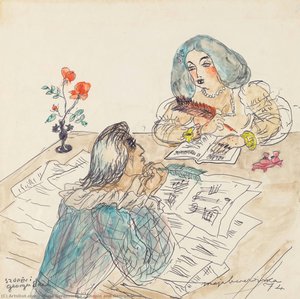
maria berezowska
1893 - 1978 , Poland
Основные сведения
- Artistic Movement Or Style:
- Symbolism
- Expressionism
- Artists Or Movements Influenced By This Artist:
- Henri de Toulouse-Lautrec
- August Strindberg
- Artists Who Influenced This Artist:
- Paul Gauguin
- Vincent van Gogh
- Date Of Birth: December 12, 1863
- Date Of Death: January 23, 1944
- Full Name: Edvard Munch
- Nationality: Norwegian
- Notable Artworks:
- The Scream
- Madonna
- Place Of Birth: Løten, Norway
Похожие статьи
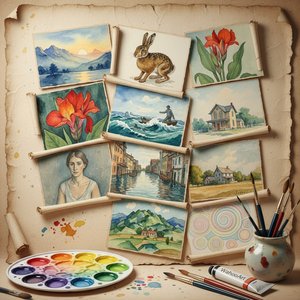
Топ-10 легендарных акварелей, изменивших искусство навсегда | ArtsDot
Погрузитесь в мир акварели! Откройте топ-10 легендарных картин Turner, Monet и других великих художников. История искусства, техники живописи и вдохновение для вашего интерьера. Репродукции музейного качества на ArtsDot.com.
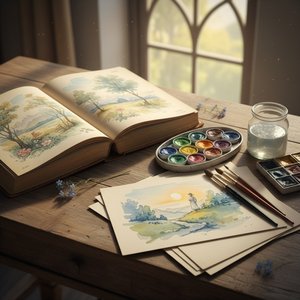
Ephemeral Visions: Exploring the History & Emotional Resonance of Watercolor Painting
Explore the captivating history of watercolor painting, from ancient techniques to modern masters like Kandinsky & Blake. Discover essential artists, collecting tips & the emotional power of this luminous medium. Expert insights for art enthusiasts.

Ephemeral Visions: Exploring the Artistic Legacy & Contemporary Practice of Watercolor Painting
Explore the captivating world of watercolor painting! Discover its rich history, essential techniques, influential artists & collecting tips. A comprehensive guide for art enthusiasts from ArtsDot.
Жорж Брак: 25 шедевров кубизма для ценителей искусства и интерьера
Откройте для себя 25 шедевров Жоржа Брака – пионера кубизма! Узнайте историю создания культовых картин, технику и влияние французского художника на искусство XX века. Репродукции высокого качества для вашего интерьера на ArtsDot.com.
Жорж Сёра: 25 шедевров великого мастера пуантилизма | ArtsDot
Откройте для себя 25 шедевров Жоржа Сёра – пионера пуантилизма! Узнайте историю создания культовых картин, технику письма и влияние импрессионизма. Репродукции высокого качества на ArtsDot.com. Искусство для вашего интерьера.