

 Поделиться
 Поделиться
 Детали произведения

 Скачать
 Похожие работы
 Слайд-шоу
 Статистика
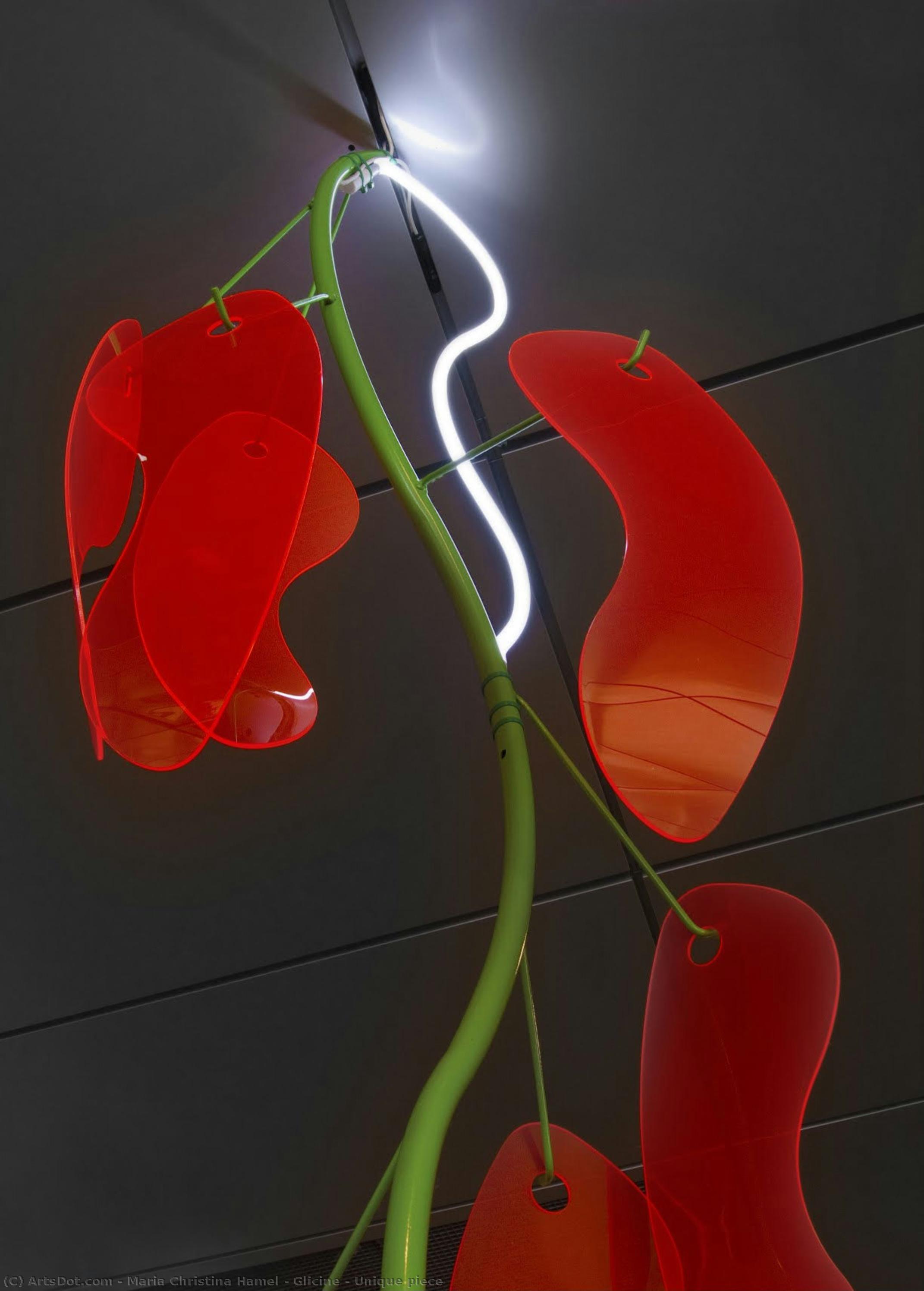
Glicine – Unique piece
 Sculpture
- Sculpture
- Contemporary Art
 2012
2012- Contemporary
 300.0 x 100.0 cm
 Fondazione Hospice Seràgnoli Onlus
 Читать далее
Жикле / Арт-принт
Печать (жикле) или холст музейного качества с быстрыми сроками изготовления и широким выбором вариантов отделки. ( Купить картину ручной работы Перейти к цифровым изображениям)




































Выберите один из наших стандартных размеров, соответствующих оригинальным пропорциям произведения искусства.

Вы можете указать свои собственные размеры, чтобы репродукция идеально подошла под конкретную раму или пространство. Если выбранный вами размер не будет соответствовать пропорциям оригинала, мы либо обрежем произведение, либо дополним изображение зеркальным отражением краев или однотонной заливкой. Перед началом производства вам будет отправлен цифровой макет для утверждения.
Пожалуйста, обратите внимание, что предварительный просмотр на экране не отображает фактическую обрезку или расширение изображения. Только макет точно покажет финальную композицию.
Несмотря на возможность заказа индивидуальных размеров, мы рекомендуем выбирать размер из предопределенного списка, чтобы сохранить оригинальные пропорции.
Доставка по всему миру () за 2 недели вместо стандартных 4/5 недель. (11 Сентябрь)

Бесплатная экспресс-доставка по всему миру

Высококачественный льняной холст

Полное страхование доставки

Гарантия возмещения таможенных пошлин

Гарантия точного соответствия цветов

100-дневная политика возврата (только при обнаружении дефектов)

Гарантия возврата 100% средств

Предложение оптовых скидок
 Вариант со стеклом доступен только для размеров менее 110 см

Glicine – Unique piece
Жикле / Арт-принт
Размер репродукции
-


Итоговая стоимость
$ 62
A Botanical Symphony in Three Dimensions
In the realm of contemporary sculptural art, few pieces command attention with such organic grace as Glicine. This unique masterpiece by Maria Christina Hamel transcends the traditional boundaries of two-dimensional painting, offering a tactile experience that breathes life into the surrounding space. At first glance, the viewer is met with a cascading arrangement of vibrant red blossoms, their petals seemingly caught in a moment of eternal bloom. The sculpture, an expansive 300 x 100 cm installation, functions not merely as an object to be viewed, but as an immersive environment that redefines the architecture of a room. Each flower, meticulously crafted with varying sizes and shapes, creates a rhythmic movement across the wall, mimicking the natural descent of wisteria vines.
The technique employed in Glicine is a testament to Hamel’s ability to manipulate texture and form to evoke biological realism through an artistic lens. By utilizing deep, saturated reds contrasted against verdant green stems, the artist achieves a chromatic tension that is both stimulating and harmonious. The way the light interacts with the sculptural elements adds a layer of depth, casting soft shadows that change throughout the day, ensuring that the artwork remains a dynamic participant in the interior's atmosphere. This interplay of light and shadow invites the observer to linger, discovering new nuances in the delicate curves of the petals and the structural strength of the stems.
Symbolism and the Spirit of Nature
Beyond its striking visual presence, Glicine carries a profound symbolic weight. The wisteria, or Glicine, has long been celebrated in art history as a symbol of longevity, grace, and the enduring power of nature. In this particular iteration, Hamel strips away the literalness of botanical illustration to focus on the emotional essence of growth and vitality. The choice of bold red—a color often associated with passion, energy, and the life force—transforms the piece from a mere floral study into a powerful statement on the persistence of beauty. It serves as a reminder of the organic rhythms that exist even within our most structured, modern environments.
For the discerning collector or interior designer, this piece offers unparalleled versatility. Its monumental scale makes it an ideal focal point for grand foyers, luxury hotel lounges, or sophisticated residential galleries where a sense of "living art" is desired. Because it bridges the gap between sculpture and wall decor, Glicine provides a sculptural relief that adds physical dimension to a flat surface, making it an essential acquisition for those looking to curate spaces that feel curated, soulful, and deeply connected to the natural world.
Похожие произведения
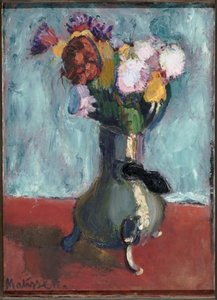
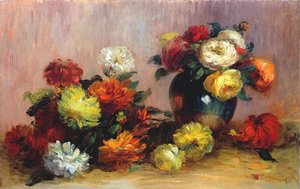
Биография художника
Keith Haring: A Revolutionary Voice in Pop Art
Born on May 4, 1958, in Reading, Pennsylvania, and raised in the small town of Kutztown, Keith Allen Haring’s artistic journey began not with formal training but with a profound connection to drawing—a skill nurtured by his father, a keen amateur cartoonist. This early passion, coupled with influences ranging from Disney and Dr. Seuss to the raw energy of punk rock and the social commentary of artists like Jean Dubuffet and Andy Warhol, laid the foundation for an explosive career that would forever alter the landscape of pop art.
Haring’s formative years were spent in New York City, a crucible of artistic innovation. He enrolled at the School of Visual Arts (SVA) but quickly recognized that his true calling lay outside the confines of traditional commercial art. It was within the vibrant, underground scene of downtown Manhattan—a melting pot of graffiti writers, performance artists, and musicians—that Haring truly flourished. Clubs like Club 57 became vital spaces for experimentation, collaboration, and the development of his signature style: bold lines, simplified figures, and a playful use of color that resonated deeply with the city’s youth.
Haring's breakthrough came unexpectedly in 1980, when he began drawing directly on the blank advertising panels adorning subway stations. These spontaneous creations—often depicting iconic images like dancing figures, dogs, and hands reaching out—quickly gained a devoted following among commuters. The immediacy and accessibility of this public art form established Haring’s unique visual language and cemented his reputation as an artist who spoke directly to the people. His work was not merely decorative; it carried social messages, particularly concerning safe sex practices and awareness of AIDS, reflecting a deep commitment to using his art for positive change.
The Rise of Pop Art and Social Activism
By the mid-1980s, Keith Haring had transitioned from subway chalk drawings to gallery exhibitions, solidifying his position as a major figure in the burgeoning pop art movement. His early works, characterized by their energetic lines and playful imagery, were met with both critical acclaim and controversy. Some critics dismissed his work as simplistic or commercial, while others recognized its innovative approach to form and color.
Haring’s artistic output during this period was remarkably diverse, encompassing large-scale murals commissioned for hospitals, schools, and community centers, animated films, posters, and limited edition prints. He deliberately sought to democratize art by making it accessible through mass production and public display. His iconic “Crack is Wack” mural, a powerful indictment of drug addiction, became one of his most recognizable works, demonstrating his willingness to address pressing social issues with directness and urgency. Similarly, "Tuttomondo," created for the Venice Biennale in 1989, was a collaborative piece that celebrated unity and diversity through a series of interconnected figures.
Major Exhibitions and International Recognition
Haring’s career trajectory was marked by rapid ascent to international recognition. He participated in prestigious events such as Documenta 7 in Kassel (1982), the Whitney Biennial in New York (1986 & 1989), the São Paulo Biennial (1988), and the Venice Biennale (1989). These exhibitions provided a platform for his work to reach a global audience, solidifying his status as a leading contemporary artist. His collaborations with galleries like Tibor de Nagy and Tony Shafrazi further propelled his career.
Beyond these major events, Haring’s art was consistently showcased in smaller, independent venues, reflecting his commitment to engaging with diverse communities. He established The Pop Shop in 1986, a retail space designed to make his artwork accessible to a wider audience and to challenge the traditional boundaries between art and commerce. This venture, though initially met with resistance from some within the art world, ultimately demonstrated Haring’s belief that art should be enjoyed by everyone.
Legacy and Lasting Impact
Keith Haring's untimely death on February 16, 1990, at the age of 31 due to complications from AIDS, tragically cut short a brilliant career. However, his legacy endures as one of the most influential artists of the late 20th century. His vibrant imagery, coupled with his commitment to social activism and democratic art practices, continues to inspire generations of artists and activists.
In 1997, the Whitney Museum held a retrospective exhibition dedicated to Haring’s work, cementing his place in the canon of American art. More recently, in 2014, he was honored with a Rainbow Honor Walk in San Francisco, recognizing his contributions to LGBTQ+ rights and visibility. Keith Haring's art remains a powerful reminder of the potential for creativity to transform society and to bring joy and awareness to the world.

maria christina hamel
1958 - , India
Основные сведения
- Artistic Movement Or Style: Pop art, graffiti art
- Artists Or Movements Influenced By This Artist:
- Kenny Scharf
- Jean-Michel Basquiat
- Artists Who Influenced This Artist:
- Jean Dubuffet
- Andy Warhol
- Date Of Birth: May 4, 1958
- Date Of Death: February 16, 1990
- Full Name: Keith Allen Haring
- Nationality: American
- Notable Artworks:
- Crack Is Wack
- Untitled Series
- Tuttomondo
- The Valley
- Place Of Birth: Reading, Pennsylvania, USA
Похожие статьи

The Enduring Form: Sculpture Across History, Technique & Emotional Resonance
Explore the rich history of sculpture with ArtsDot. Discover key techniques, influential artists & investment potential for discerning collectors. Expert insights into valuing and collecting timeless masterpieces.
Verdant Visions: Exploring the Symbolism & Aesthetic Impact of Green in Art History
Explore the rich history & symbolism of green in art! Discover iconic paintings, techniques, and how to bring verdant harmony into your home with ArtsDot's expert guide.

The Enduring Form: Exploring Themes & Techniques in Sculpture Across Historical Periods
Explore the rich history of sculpture from ancient masterpieces to contemporary innovations. Discover key techniques, influential artists & investment potential for discerning art collectors.

10 легендарных бронзовых скульптур, изменивших искусство навсегда | ArtsDot
Погрузитесь в мир великих бронзовых скульптур! От Давида Микеланджело до работ Родена – история искусства, техники и вдохновения. Купите репродукции шедевров для вашего интерьера на ArtsDot.com

10 легендарных бронзовых шедевров, изменивших искусство | ArtsDot
Погрузитесь в мир великих бронзовых шедевров! От Давида Донателло до Мыслителя Родена – узнайте историю создания, технику и значение легендарных скульптур. Вдохновение для интерьера и музейное качество репродукций на ArtsDot.com.