

 Поделиться
 Поделиться
 Детали произведения

 Скачать
 Похожие работы
 Слайд-шоу
 Статистика
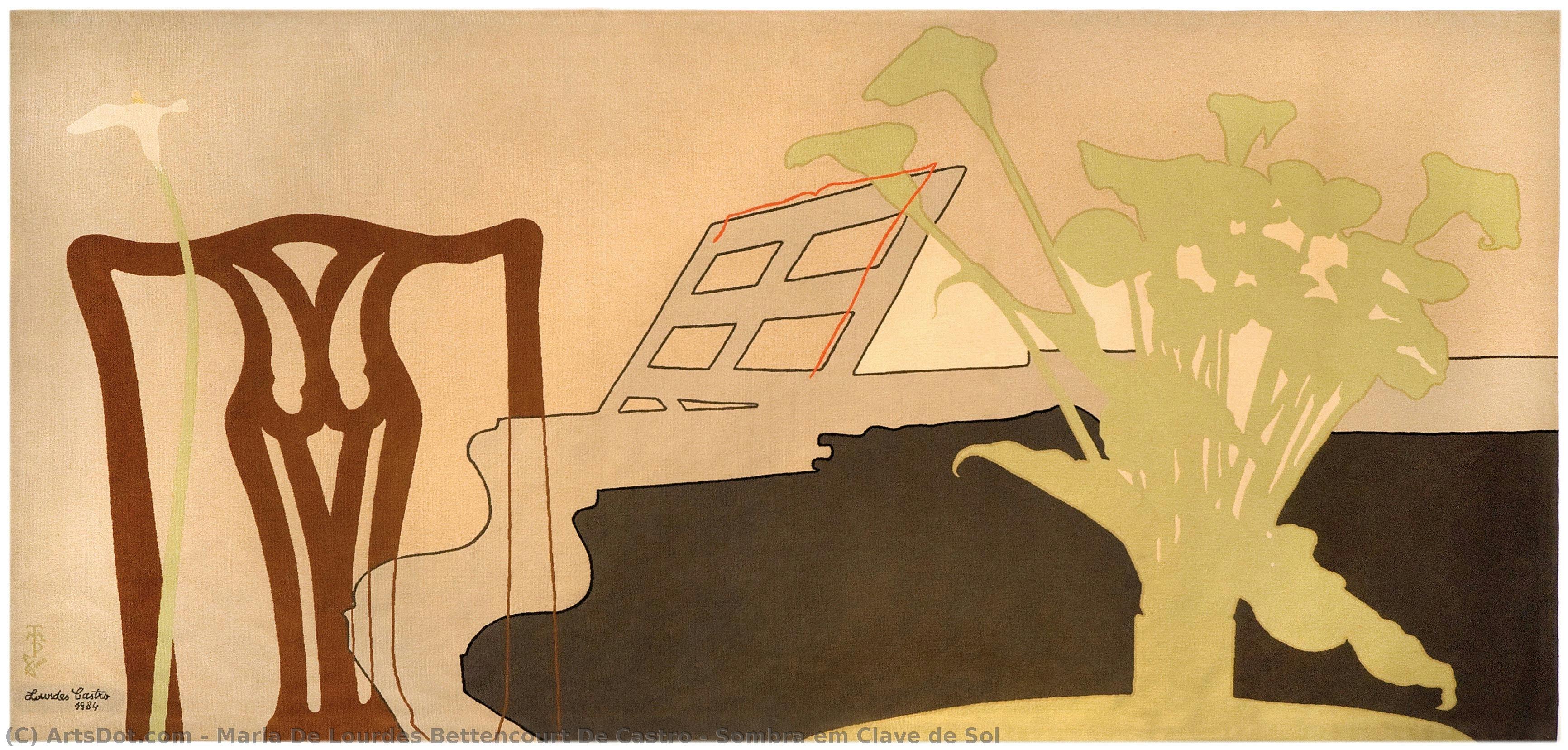
Sombra em Clave de Sol


 Читать далее
Приобретите цифровое изображение высокого разрешения в улучшенном качестве, которое значительно превосходит онлайн-превью.
Каждый файл тщательно подготавливается нашими специалистами с использованием передовых инструментов и экспертной ручной ретуши. Мы гарантируем исключительную четкость, точную цветопередачу и детальную проработку каждого изображения.
Финальный файл доставляется по электронной почте в течение 72 часов и оптимизирован для немедленного использования в профессиональной среде, при верстке и печати. Это тот же уровень качества, которому доверяют ведущие дизайнерские студии, издательства и галереи.
Цифровое изображение
Скачайте файл высокого разрешения для личного использования, печати и творческих проектов. ( Перейти к печати Купить картину ручной работы)
Включено в каждый заказ цифровых изображений
Гарантия экспертной цифровой доставки
Выбирая ArtsDot.com, вы получаете не просто изображение — вы приобретаете профессионально обработанное цифровое произведение искусства, созданное с безупречной точностью и под защитой гарантии качества. Вот всё, что автоматически входит в ваш заказ:

Мгновенная доставка по e-mail
Ваш цифровой файл в высоком разрешении будет отправлен вам по электронной почте в течение 72 часов после оформления заказа — и сразу станет доступен для использования.

Цифровой файл с ИИ-улучшением
Ваше произведение искусства проходит профессиональную оптимизацию с использованием передовых инструментов ИИ и ручной обработки, что гарантирует максимальную детализацию, четкость и точность цветопередачи.

Бессрочная бесплатная повторная доставка
Случайно удалили или потеряли файл? Не беспокойтесь — мы отправим его вам повторно в любое время и совершенно бесплатно.

Без импортных пошлин — навсегда
Наслаждайтесь вашим произведением искусства мгновенно без таможенных пошлин, сборов или затрат на доставку — цифровые загрузки всегда не облагаются налогом.

Гарантия точности цветопередачи
Мы гарантируем, что ваше цифровое изображение максимально точно передает оригинальные цвета благодаря использованию профессиональных инструментов и систем управления цветом.

Гарантия удовлетворенности 100 дней
Если вы не будете удовлетворены своим цифровым изображением, мы внесем правки или вернем 100% стоимости в течение 100 дней — без лишних вопросов.

100% Гарантия возврата средств
Не удовлетворены покупкой? Получите полный возврат средств в течение 100 дней после получения цифрового файла — без лишних вопросов.

Скидки на оптовые заказы
Купите 3 изображения, сэкономьте 10% — Купите 5, сэкономьте 15% — Купите 10+, сэкономьте 20%. Отличное решение для творческих проектов, галерей и агентств.
A Symphony of Shadow and Thread
In the delicate interplay between light and void, Sombra em Clave de Sol emerges as a profound meditation on presence and absence. Created in 1984 by the visionary Portuguese artist Maria de Lourdes Bettencourt de Castro, this masterpiece transcends its medium to become a poetic dialogue between form and silhouette. The work is not merely a visual arrangement but a rhythmic composition, where the "shadow" referenced in its title acts as a silent protagonist, dancing across a landscape of geometric abstraction. Through a masterful use of limited tones—deep blacks, earthy browns, and a striking, luminous yellow—the artist invites the viewer into a space where the boundaries between object and reflection begin to dissolve.
The piece is a remarkable example of the Portalegre tapestry technique, a prestigious tradition of hand-knotted weaving that reached new heights of experimental expression through Castro’s collaboration with the Manufactura de Tapeçarias de Portalegre. Unlike standard weaves, this method involves a dense, meticulous process where the decorative weft completely envelops the warp threads, creating a rich, tactile surface that can reach up to 10,000 stitches per square decimeter. This extraordinary density allows the tapestry to hold color with an almost painterly depth, transforming the textile into a structural marvel that possesses both the softness of fabric and the permanence of a canvas.
The Architecture of Abstraction
Stylistically, Sombra em Clave de Sol sits at the intersection of minimalism and lyrical abstraction. The composition features stylized, almost architectural elements—a structure reminiscent of a dwelling with rhythmic windows, paired with organic, leaf-like forms that pulse with a bright, sun-drenched yellow. There is a haunting quality to the shapes; an object that suggests a chair, stripped of its utility, stands as a skeletal silhouette against the darker tones. This reduction of form forces the observer to look beyond the literal, finding meaning in the way shadows fall and how light seems to emanately from within the weave itself.
For the discerning collector or interior designer, this work offers an unparalleled opportunity to introduce a sense of historical depth and avant-garde sophistication into a space. The tapestry does not merely hang on a wall; it commands the atmosphere, providing a focal point that is both intellectually stimulating and visually soothing. Its ability to bridge the gap between traditional craftsmanship and 20th-century experimentalism makes it a timeless acquisition. Whether placed in a contemporary gallery setting or a classic study, the piece serves as a window into the soul of Portuguese modernism, offering an enduring emotional resonance that celebrates the beauty found in the simplest of shadows.
Похожие произведения
Биография художника
A Legacy of Shadows and Light: The Life of Lourdes Castro
The history of twentieth-century European art is enriched by the profound, ephemeral presence of Maria de Lourdes Bettencourt de Castro, known globally as Lourdes Castro. Born in the lush landscapes of Funchal, Madeira, in 1930, Castro’s journey was one of constant metamorphosis, moving from the traditional foundations of Lisbon to the avant-garde heart of Paris. Her early years at the School of Art in Lisbon provided her with a rigorous technical foundation, yet it was her departure for France in 1958 that truly ignited her creative spirit. Immersed in the vibrant intellectual atmosphere of Paris, she became a vital member of the influential KWY group, a collective that sought to dismantle the boundaries of conventional art and explore the raw, experimental possibilities of the era.
Castro’s artistic evolution is a fascinating study in the transition from the tangible to the intangible. In the 1950s, her work was characterized by an abstract lyricism, where canvases were alive with vibrant hues and expressive brushstrokes that whispered of Surrealist dreams. However, as she matured, her focus shifted toward a more confrontational and sculptural exploration of space. During the early 1960s, she began creating her celebrated Silver-Teinted Object Constructions. These works utilized metallic pigments to create ethereal, shimmering surfaces, inviting viewers to contemplate the very nature of materiality and perception. This period marked her departure from mere representation toward a profound engagement with the physical properties of light and form.
The Art of the Ephemeral: Technique and Symbolism
Perhaps the most enduring hallmark of Castro’s oeuvre is her mastery over the interplay between presence and absence. She became a virtuoso of the shadow, using silhouettes to create a unique visual language that bridged the gap between reality and illusion. Her work often functioned as a delicate dance of light, where what was omitted from the frame was just as significant as what was depicted. This fascination with the ephemeral is evident in several key areas of her practice:
- Shadow Theatre and Silhouettes: Castro utilized shadows to create portraits that felt both intimate and ghostly, stripping subjects down to their most essential outlines.
- Abstract Minimalism: In works such as her 1984 tapestry Sombra em Clave de Sol, she employed geometric shapes to explore the profound depth found within minimalist compositions.
- Surrealist Imagery: Her ability to blend disparate elements—such as the striking imagery in her Untitled work featuring a black and white cat—demonstrates her connection to the Nouveau Réalisme movement, blending glamour with surrealist tension.
- Geometric Abstraction: Influenced by the legacy of Picasso, her later paintings often utilized geometric structures to explore complex emotional landscapes through light and shadow.
Through these diverse mediums—ranging from silk screens and collages to sculptural assemblages—Castro maintained a consistent preoccupation with the concept of ephemeral reality. She did not merely paint objects; she painted the memory of them, the way they interact with light, and the way they vanish when the light shifts. Her work serves as a bridge between the solid world of objects and the fluid world of perception.
Historical Significance and Artistic Triumph
The significance of Lourdes Castro lies in her refusal to be confined by a single movement or medium. She was an artist who thrived on experimentation, constantly pushing against the edges of what could be considered "art." By integrating elements of shadow theatre, sculpture, and painting, she challenged the viewer to look beyond the surface of the canvas. Her contribution to the KWY group helped redefine the trajectory of Portuguese experimental art, bringing a localized perspective into the broader conversation of European modernism.
Today, Castro is remembered not just as a pioneer of Portuguese abstraction, but as a poet of the visual realm. Her ability to capture the fleeting moment—the way a shadow falls across a wall or the way a metallic surface catches a stray beam of light—ensures her place in the pantheon of great twentieth-century artists. Her legacy continues to inspire contemporary creators who seek to find beauty in the transient, the obscured, and the beautifully unseen.

maria de lourdes bettencourt de castro
1930 - 2022 , Portugal
Основные сведения
- Artistic Movement Or Style: Abstract art; Geometric abstraction
- Artists Or Movements Influenced By This Artist:
- Cubism
- Expressionism
- Artists Who Influenced This Artist:
- Pablo Picasso
- Arthur Bual de Almeida
- Date Of Birth: December 9, 1930
- Date Of Death: January 8, 2022
- Full Name: Maria de Lourdes Bettencourt de Castro (Lourdes Castro)
- Nationality: Portuguese
- Notable Artworks:
- Untitled
- Shadow invitation figure
- Place Of Birth: Funchal, Portugal