


 Предпросмотр
 Поделиться
 Поделиться
 Детали произведения

 Скачать
 Похожие работы
 Рентгенография
 Слайд-шоу
 Статистика
A.T.M.O.T.W.


 Читать далее
Жикле / Арт-принт
Печать (жикле) или холст музейного качества с быстрыми сроками изготовления и широким выбором вариантов отделки. ( Купить картину ручной работы Перейти к цифровым изображениям)




P118B $10

P118H $10

P118W $10

P438Z $10

P508JH $12

P508YH $12

P805H $10

P805Z $10

P919BZ $10

P919G $10

P919XJ $10

P959ZH $10

P968JZ $12

W106C $8

W218G $10

W218JH $8

W218Y $10

W307PJ $10

W316G $10

W316PJ $8

W316Y $10

W398PJ $8

W4111J $10

W500HY $15

W500JH $15

W692G $12

W849H $8

W940BG $15

W953PJ $8
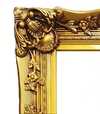
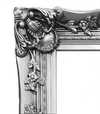
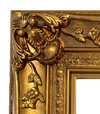
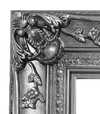
Выберите один из наших стандартных размеров, соответствующих оригинальным пропорциям произведения искусства.

Вы можете указать свои собственные размеры, чтобы репродукция идеально подошла под конкретную раму или пространство. Если выбранный вами размер не будет соответствовать пропорциям оригинала, мы либо обрежем произведение, либо дополним изображение зеркальным отражением краев или однотонной заливкой. Перед началом производства вам будет отправлен цифровой макет для утверждения.
Пожалуйста, обратите внимание, что предварительный просмотр на экране не отображает фактическую обрезку или расширение изображения. Только макет точно покажет финальную композицию.
Несмотря на возможность заказа индивидуальных размеров, мы рекомендуем выбирать размер из предопределенного списка, чтобы сохранить оригинальные пропорции.
Доставка по всему миру () за 2 недели вместо стандартных 4/5 недель. (15 Сентябрь)

Бесплатная экспресс-доставка по всему миру

Высококачественный льняной холст

Полное страхование доставки

Гарантия возмещения таможенных пошлин

Гарантия точного соответствия цветов

100-дневная политика возврата (только при обнаружении дефектов)

Гарантия возврата 100% средств

Предложение оптовых скидок
 Вариант со стеклом доступен только для размеров менее 110 см

A.T.M.O.T.W.
Жикле / Арт-принт
Размер репродукции
-


Итоговая стоимость
$ 62
The Genesis of a Concrete Dialogue
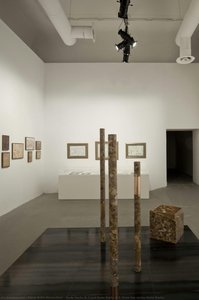
Xabier Salaberria’s “A.T.M.O.T.W.” (All The Material Of The World) isn't merely an assemblage of sculptures; it’s a carefully orchestrated invitation to contemplate the very nature of representation and the layered history embedded within modern art. Born in 1969, Salaberria has spent his career dissecting the conventions of sculpture, particularly its relationship to architecture and the industrial age. This piece, conceived specifically for the 2013 exhibition “Garmendia, Maneros Zabala, Salaberria,” operates as a deliberate deconstruction, drawing upon a rich tapestry of influences – from the pioneering Rietveld Pavilion’s geometric elegance to the monumental scale of Basque architectural traditions. The installation resides within a starkly minimalist museum space, its concrete forms acting as both echoes and critiques of the building's own structure, creating a dialogue between the external and internal realms.
A Symphony of Geometric Forms
The visual impact of “A.T.M.O.T.W.” is immediately arresting – a controlled chaos of interlocking squares, rectangles, and circular apertures rendered in smooth, grey concrete. Each sculpture possesses a distinct presence, ranging from the imposing solidity of some pieces to the more delicate intricacy of others. The repetition of these fundamental geometric shapes isn’t simply decorative; it speaks to the serialization inherent in mass production – a key element Salaberria interrogates throughout his work. Notice how the openings within the forms aren't merely absences, but active participants in the composition, inviting viewers to step into and interact with the space. The deliberate use of negative space is as crucial as the solid form itself, fostering a sense of openness and encouraging contemplation.
Echoes of Modernism and Beyond
Salaberria’s choice of concrete isn't arbitrary. Concrete, a material synonymous with the Industrial Revolution and the rise of modern architecture, carries significant historical weight. By utilizing this material, he directly engages with the legacy of movements like De Stijl and Bauhaus, whose emphasis on geometric abstraction and functional design profoundly shaped 20th-century art and architecture. However, “A.T.M.O.T.W.” transcends a simple homage to these precedents. The inclusion of references to Basque sculpture – a tradition deeply rooted in the region’s history and identity – subtly shifts the focus towards local context while simultaneously acknowledging the broader global dialogue surrounding modernism. The installation also subtly nods to the architectural principles of Gerrit Rietveld, whose pavilion exemplified a revolutionary approach to space and form.
A Space for Reflection: The Museum as Stage
More than just an artistic statement, “A.T.M.O.T.W.” transforms the museum itself into a subject of inquiry. The title – "All The Material Of The World" – suggests a vastness and accumulation of knowledge, mirroring the museum’s role as a repository of cultural artifacts. By placing his sculptures within this institutional setting, Salaberria prompts viewers to consider how museums represent and interpret history, challenging the traditional notion of the museum as a neutral space for objective display. The two chairs strategically positioned within the installation invite a pause, encouraging visitors to engage with the artwork on a more personal level – to contemplate its meaning and their own relationship to it. The stark lighting further enhances this contemplative atmosphere, casting dramatic shadows that emphasize the three-dimensionality of the forms.
Capturing the Essence: Photographic Details
- Overall Impression: A black and white photograph presenting a concrete sculpture installation within a modern museum space. The composition is dominated by several large-scale sculptures arranged across the room, with stark lighting creating strong contrasts between light and shadow.
- Composition: Utilizes a wide-angle perspective to capture the entirety of the installation and its surroundings. Sculptures are strategically positioned throughout the frame, guiding the viewer's eye. The chairs add a human element.
- Color Palette: Monochromatic – shades of gray and black emphasize forms and textures, contributing to formality and restraint.
- Lines & Shapes: Strong vertical and horizontal lines define architecture and sculptures. Geometric shapes (squares, rectangles, circles) are repeated, creating order and rhythm.
- Textures: Concrete sculptures exhibit a rough texture contrasting with the polished floor, adding depth and dimension.
- Lighting: Directional light from an unseen source casts sharp shadows, highlighting three-dimensionality.
- Perspective & Depth: Wide-angle lens creates spaciousness and depth within the room. Linear perspective enhances the illusion of distance.
Похожие произведения
Похожие статьи

The Enduring Form: Exploring Themes & Techniques in Sculpture Across Historical Periods
Explore the rich history of sculpture from ancient masterpieces to contemporary innovations. Discover key techniques, influential artists & investment potential for discerning art collectors.

10 легендарных бронзовых шедевров, изменивших искусство | ArtsDot
Погрузитесь в мир великих бронзовых шедевров! От Давида Донателло до Мыслителя Родена – узнайте историю создания, технику и значение легендарных скульптур. Вдохновение для интерьера и музейное качество репродукций на ArtsDot.com.

10 легендарных бронзовых скульптур, изменивших искусство навсегда | ArtsDot
Погрузитесь в мир великих бронзовых скульптур! От Давида Микеланджело до работ Родена – история искусства, техники и вдохновения. Купите репродукции шедевров для вашего интерьера на ArtsDot.com
Непреходящее наследие бронзовой скульптуры: история, техники и современные интерпретации
Узнайте историю бронзовой скульптуры, техники литья и советы по коллекционированию от экспертов. Откройте для себя вечное искусство бронзы!
The Enduring Form: Sculpture Across History, Technique & Emotional Resonance
Explore the rich history of sculpture with ArtsDot. Discover key techniques, influential artists & investment potential for discerning collectors. Expert insights into valuing and collecting timeless masterpieces.