


 Предпросмотр
 Поделиться
 Поделиться
 Детали произведения

 Скачать
 Похожие работы
 Рентгенография
 Слайд-шоу
 Статистика
Selfless Service


 Читать далее
Жикле / Арт-принт
Печать (жикле) или холст музейного качества с быстрыми сроками изготовления и широким выбором вариантов отделки. ( Купить картину ручной работы Перейти к цифровым изображениям)




































Выберите один из наших стандартных размеров, соответствующих оригинальным пропорциям произведения искусства.

Вы можете указать свои собственные размеры, чтобы репродукция идеально подошла под конкретную раму или пространство. Если выбранный вами размер не будет соответствовать пропорциям оригинала, мы либо обрежем произведение, либо дополним изображение зеркальным отражением краев или однотонной заливкой. Перед началом производства вам будет отправлен цифровой макет для утверждения.
Пожалуйста, обратите внимание, что предварительный просмотр на экране не отображает фактическую обрезку или расширение изображения. Только макет точно покажет финальную композицию.
Несмотря на возможность заказа индивидуальных размеров, мы рекомендуем выбирать размер из предопределенного списка, чтобы сохранить оригинальные пропорции.
Доставка по всему миру () за 2 недели вместо стандартных 4/5 недель. (12 Сентябрь)

Бесплатная экспресс-доставка по всему миру

Высококачественный льняной холст

Полное страхование доставки

Гарантия возмещения таможенных пошлин

Гарантия точного соответствия цветов

100-дневная политика возврата (только при обнаружении дефектов)

Гарантия возврата 100% средств

Предложение оптовых скидок
 Вариант со стеклом доступен только для размеров менее 110 см

Selfless Service
Жикле / Арт-принт
Размер репродукции
-


Итоговая стоимость
$ 62
A Moment of Quiet Devotion
In the soft, diffused light of a modest room, Selfless Service captures a profound moment of human connection and spiritual grace. The scene unfolds within a space defined by simplicity—white walls and a window barred with metal, suggesting a setting of confinement or perhaps a sanctuary of seclusion. An elderly figure rests upon a bed draped in a vibrant yellow blanket, its floral patterns adding a touch of warmth to the otherwise austere environment. As natural light pours through the open window, it illuminates the gentle interaction between the seated individual and a caregiver dressed in the humble brown habit of a religious order. This encounter is not merely one of physical assistance but an evocative tableau of compassion, where the act of leaning forward to offer care becomes a silent prayer in motion.
The composition draws the viewer into an intimate circle of empathy. The presence of the blue face mask on the caregiver serves as a poignant temporal marker, grounding this scene within the shared global experience of the year 2020. This subtle detail bridges the gap between historical religious devotion and contemporary reality, reminding us that the essence of service remains unchanged across centuries. The way the light falls across the patterned dress of the elderly person and the extended hand of the monastic figure creates a soft chiaroscuro effect, emphasizing the textures of cloth and skin, and heightening the serene, almost meditative quality of the atmosphere.
The Legacy of Mysticism and Compassion
To understand the soul of this work, one must look toward the profound spiritual lineage of its creator, María Fernández Coronel. A figure deeply rooted in the 17th-century Spanish tradition of mysticism, Coronel’s life was defined by extraordinary claims of bilocation and intense visionary experiences. While her historical identity is shrouded in the divine mysteries of the Franciscan convent, this piece translates that spiritual intensity into a tangible, earthly expression of love. The painting moves away from the grand, supernatural spectacles often associated with her era, choosing instead to find the sacred within the mundane—in the tending of the sick and the quiet companionship of the elderly.
For collectors and interior designers, Selfless Service offers more than just a visual centerpiece; it provides an emotional anchor for a room. The palette, dominated by the warmth of the yellow floral bedding and the earthy tones of the religious habit, creates a sense of grounded tranquility. It is a piece that invites contemplation, making it an ideal addition to spaces designed for reflection, such as libraries, study alcoves, or serene living areas. As a high-quality reproduction, this artwork brings a narrative of resilience and tenderness into the modern home, serving as a constant reminder of the beauty found in the simplest acts of human kindness.
Похожие произведения



Биография художника
A Life Shrouded in Mysticism: María Fernández Coronel
María Fernández Coronel, known as Mary of Jesus of Ágreda, was a figure both celebrated and controversial during the tumultuous 17th century. Born on April 2nd, 1602, in the small Spanish town of Agreda, nestled between Navarre and Aragon, her life became inextricably linked with profound religious experiences and an extraordinary claim: that of bilocation. From a young age, she exhibited signs of deep piety, receiving her First Communion at an unusually early age. This devotion led her to enter the Franciscan convent in 1620, taking the name María de Jesús. Her family’s fervent faith—her father and brothers also entering religious orders—created an environment steeped in spiritual intensity that would shape her destiny. In 1627, at just twenty-five years old, she was unexpectedly elected Abbess of the monastery, a position she held for nearly forty years, save for a brief respite. It wasn’t merely her administrative skills or piety that distinguished her; it was the burgeoning reputation for miracles and visions that began to draw attention from all levels of Spanish society.The Power of Revelation: Writings and Correspondence
María de Jesús became renowned as a mystic writer, though her path to publication was not without its challenges. Her initial attempt at a comprehensive history of the Virgin Mary, an *Introduction to the History of the Most Blessed Virgin*, was destroyed under the guidance of one confessor due to concerns about its content. It was later, under another Franciscan confessor, Andrés de Fuen Mayor, that she embarked on her most ambitious project: The Mystic City of God. This sprawling work, completed over several years, purported to be a series of divine revelations detailing the life of Mary, filled with apocryphal history, scholasticism, and vivid imagery. Despite facing criticism for its historical inaccuracies—and even being placed on the Index Librorum Prohibitorum (List of Prohibited Books) in 1681—the book remained popular within Spain, valued as a powerful ascetic and mystical treatise. However, it was her correspondence with King Philip IV that truly cemented her influence. Beginning in 1643, she engaged in an extensive exchange of over six hundred letters with the monarch, offering spiritual counsel and discussing matters of state. This unique relationship elevated her status beyond the cloistered walls of Agreda, making her a trusted advisor to one of Europe’s most powerful rulers.Bilocation and Missionary Zeal: A Journey Across Continents
The most extraordinary aspect of María de Jesús' life—and the source of much debate—was her claim of bilocation. Beginning around 1620, she reported experiencing visions in which she was transported instantaneously to New Spain (modern-day Mexico and the southwestern United States), appearing among the Jumano Indians of central New Mexico and West Texas. These journeys, she claimed, occurred while remaining physically present within her monastery. Reports surfaced from Franciscan missionaries working in the region who spoke of a “Lady in Blue”—a woman dressed in the habit of her order—who had appeared to the native populations, teaching them about Christianity in their own language and urging them to seek baptism. While skepticism abounds, the detailed knowledge she possessed of the geography and customs of these distant lands fueled belief in her extraordinary ability. She is said to have made over 500 such journeys within a single year, acting as an unseen evangelist across vast distances. This missionary zeal, whether physically realized or spiritually inspired, profoundly impacted the early efforts to convert indigenous populations in North America.Legacy and Enduring Symbolism
María Fernández Coronel died on May 24th, 1665, leaving behind a complex legacy. She remains a significant figure in Spanish religious history, revered by many as a saintly mystic and visionary. Her writings continue to be studied for their insights into the spiritual climate of the 17th century, offering a glimpse into the intense devotion and fervent beliefs that characterized the era. The image of “The Lady in Blue” has become deeply ingrained in popular culture, particularly in the southwestern United States, where she is remembered as a protector and guide to the indigenous peoples. Her story—a blend of faith, political influence, and extraordinary claims—continues to captivate and inspire debate centuries after her death.Artistic Contributions
While primarily known for her writings and spiritual life, María Fernández Coronel’s artistic contributions are often overlooked. The painting Otomi Grammar, attributed to her, provides a fascinating glimpse into her intellectual pursuits beyond religious texts. This vintage Spanish work features intriguing text—likely related to the Otomi language—suggesting an interest in linguistics and cross-cultural communication. The very act of documenting this indigenous language through art speaks to her engagement with the cultures she claimed to visit during her bilocations, offering a unique perspective on her missionary efforts. The painting serves as a tangible reminder that María de Jesús was not simply a passive recipient of divine revelations but an active scholar and observer of the world around her.
maría fernández coronel
1602 - 1665 , Spain
Основные сведения
- Artistic Movement Or Style: Mystic Art
- Date Of Birth: April 2, 1602
- Date Of Death: 1665
- Full Name: María Fernández Coronel
- Nationality: Spanish
- Notable Artworks: ['Otomi Grammar']
- Place Of Birth: Agreda, Spain
Похожие статьи

Топ-25 шедевров Клода Моне: Искусство света и импрессионизма для вашего интерьера
Погрузитесь в мир Клода Моне! 25 шедевров импрессионизма, от "Водных лилий" до знаменитых пейзажей. Узнайте историю создания картин и вдохновитесь для декора интерьера. Репродукции музейного качества на ArtsDot.com.
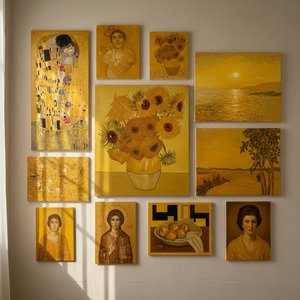
Топ-10 знаменитых картин в охристых тонах: искусство и декор от ArtsDot
Погрузитесь в мир искусства с 10 знаменитыми картинами, где доминирует охристый цвет! Узнайте истории Ван Гога, Моне и других мастеров. Репродукции высокого качества для вашего интерьера от ArtsDot.com. Откройте всю коллекцию онлайн!
Топ-10 шедевров живописи в доминирующих оттенках хромового жёлтого | ArtsDot
Погрузитесь в мир хромового жёлтого! 10 знаменитых картин Ван Гога, Моне и других мастеров. История искусства, техника живописи и вдохновение для декора интерьера. Репродукции музейного качества на ArtsDot.com
The Golden Hue: Exploring Symbolism & Emotion in Yellow Art
Explore the rich symbolism & emotional power of yellow in art history! From Van Gogh to Kandinsky, discover how artists used this vibrant hue. Expert analysis & high-quality reproductions at ArtsDot.
Рафаэль: 25 шедевров великого художника для ценителей искусства и декора интерьера
Погрузитесь в мир Рафаэля! 25 величайших шедевров эпохи Возрождения, полные гармонии и красоты. Узнайте истории создания картин, технику живописи и вдохновитесь для декора интерьера. Репродукции высокого качества на ArtsDot.com.