

 Предпросмотр
 Поделиться
 Поделиться
 Детали произведения

 Скачать
 Похожие работы
 Рентгенография
 Слайд-шоу
 Статистика
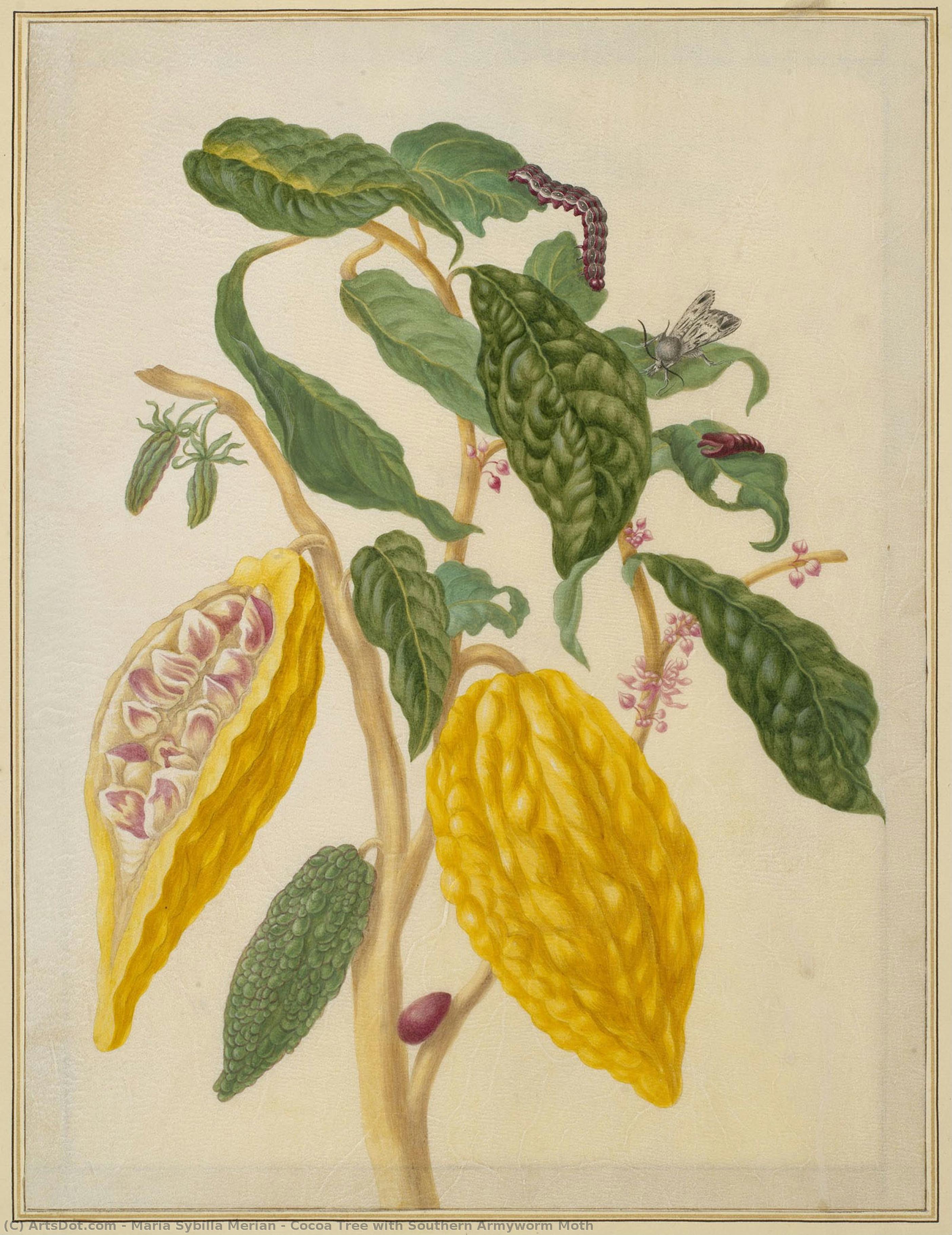
Cocoa Tree with Southern Armyworm Moth
 Watercolor
- WallArt
- Baroque Botanical Illustration
 1703
1703- Renaissance
 37.0 x 28.0 cm
 Королевская коллекция
 Читать далее
Масляная репродукция ручной работы
Картина маслом на холсте в выбранном вами размере и раме, написанная на заказ нашими художниками. ( Перейти к печати Перейти к цифровым изображениям)




P118B $10

P118H $10

P118W $10

P438Z $10

P508JH $12

P508YH $12

P805H $10

P805Z $10

P919BZ $10

P919G $10

P919XJ $10

P959ZH $10

P968JZ $12

W106C $8

W218G $10

W218JH $8

W218Y $10

W307PJ $10

W316G $10

W316PJ $8

W316Y $10

W398PJ $8

W4111J $10

W500HY $15

W500JH $15

W692G $12

W849H $8

W940BG $15

W953PJ $8




Выберите один из наших стандартных размеров, соответствующих оригинальным пропорциям произведения искусства.

Вы можете указать собственные размеры, чтобы картина идеально вписалась в выбранную раму или пространство. Если выбранный вами размер не соответствует пропорциям оригинала, мы либо обрежем полотно, либо расширим его за счет дополнительных элементов, написанных вручную. Цифровой макет будет отправлен вам на утверждение перед началом производства.
Обратите внимание, что предварительный просмотр на экране не отражает фактическую обрезку или расширение. Только макет точно покажет окончательную композицию.
Хотя доступны индивидуальные размеры, мы рекомендуем выбирать вариант из предопределенного списка, чтобы сохранить исходные пропорции.
После оформления заказа команда ArtsDot.com свяжется с клиентом по электронной почте для уточнения деталей и предоставит предварительный макет
Доставка по всему миру () за 3–4 недели вместо стандартных 5 недель. (11 Сентябрь). Без компромиссов в качестве.

Бесплатная экспресс-доставка по всему миру

Высококачественный льняной холст

Полное страхование доставки

Гарантия возмещения таможенных пошлин

Гарантия точного соответствия цветов

100-дневная политика возврата (только при обнаружении дефектов)

Гарантия возврата 100% средств

Предложение оптовых скидок
 Вариант со стеклом доступен только для размеров менее 110 см

Cocoa Tree with Southern Armyworm Moth
Техника репродукции
Размер репродукции
-


Итоговая стоимость
$ 263
A Window Into Paradise Lost: Exploring Maria Sibylla Merian’s “Cocoa Tree with Southern Armyworm Moth”
The watercolor painting titled "Cocoa Tree with Southern Armyworm Moth," created by Maria Sibylla Merian in 1703, transcends mere botanical illustration; it embodies a revolutionary spirit of scientific inquiry and artistic expression that cemented Merian's place as one of the foremost naturalists of her era. More than just depicting a cocoa tree laden with blossoms and beset by insects—a common subject for artists of the Baroque period—Merian’s work delves into profound questions about observation, representation, and humanity’s relationship with the intricate tapestry of life.The Science Behind the Beauty: Merian's Methodological Approach
Merian didn’t simply admire the natural world; she dissected it. Her meticulous method stemmed from a conviction that accurate depiction demanded an understanding of underlying biological processes. Unlike many artists who relied on idealized forms and decorative embellishments, Merian painstakingly documented insect behavior—feeding habits, metamorphosis stages—transforming them into detailed scientific drawings accompanied by explanatory text. This approach was groundbreaking for its time, anticipating the principles of modern entomology and demonstrating the power of observation as a tool for knowledge acquisition. She traveled extensively to Suriname (modern-day Guyana), documenting flora and fauna with unprecedented accuracy, utilizing techniques honed through years of experience in preparing anatomical plates for scientific publications. Her detailed sketches weren’t merely aesthetically pleasing; they served as invaluable records for future generations of scientists eager to unravel the mysteries of insect biology.Baroque Elegance Meets Entomological Precision: Artistic Style and Technique
The painting itself adheres to the stylistic conventions of Baroque art, characterized by dramatic lighting, rich color palettes, and a sense of grandeur. However, Merian’s artistic skill isn't merely decorative; it’s instrumental in conveying her scientific observations effectively. Watercolor pigments—known for their luminosity and blending capabilities—were skillfully applied to create subtle gradations of tone, capturing the delicate textures of cocoa blossoms and the iridescent sheen of armyworm moths. The artist employed a technique known as “grisaille,” utilizing monochrome shading to establish form and volume before layering color onto the surface. This meticulous process ensured that every detail was rendered faithfully, prioritizing accuracy over stylistic flourish—a testament to Merian’s unwavering commitment to scientific rigor.Symbolism of Insects: A Reflection on Mortality and Transformation
Beyond its aesthetic qualities, “Cocoa Tree with Southern Armyworm Moth” carries symbolic weight rooted in Renaissance and Baroque thought. Insects, particularly armyworms—which consume cocoa pods—represent decay and vulnerability, serving as a poignant reminder of mortality within the cycle of life. Yet, Merian’s depiction simultaneously celebrates transformation—the metamorphosis from larva to pupa to adult insect—highlighting the inherent beauty and dynamism of natural processes. The presence of butterflies symbolizes rebirth and spiritual ascension, mirroring the broader humanist preoccupation with understanding human existence in relation to the cosmos. Merian's careful positioning of insects within the composition underscores her belief that observing these creatures could illuminate fundamental truths about nature and humanity’s place within it.An Emotional Resonance: Capturing the Spirit of Discovery
Ultimately, “Cocoa Tree with Southern Armyworm Moth” succeeds in evoking a powerful emotional response—one of wonder, admiration, and contemplation. The painting invites viewers to step into Merian's world, experiencing firsthand her fascination with the natural realm and her dedication to unraveling its complexities. It’s more than just a depiction of cocoa blossoms and armyworms; it’s an embodiment of the spirit of scientific discovery—a yearning for knowledge, coupled with a profound appreciation for beauty and intricacy. Reproductions of this masterpiece offer collectors and interior designers alike the opportunity to bring home a piece of history infused with artistic brilliance and intellectual curiosity.Похожие произведения
Биография художника
A Life Unfurled: The Botanical Brilliance of Maria Sibylla Merian
Maria Sibylla Merian, born in Frankfurt in 1647, was a figure remarkably ahead of her time—a naturalist, scientific illustrator, and an artist whose dedication to meticulous observation transformed our understanding of the insect world. Her story isn’t simply one of artistic talent; it's a testament to unwavering curiosity, courageous exploration, and a profound connection to the natural world that defied the conventions of 17th and early 18th-century society. Growing up amidst the bustling trade and intellectual currents of Frankfurt, Merian’s initial exposure to art came through her family. Her father, Matthäus Merian the Elder, was a renowned engraver and publisher, providing a foundation in visual representation. However, it was her stepfather, Jacob Marrel, a skilled still life painter, who actively fostered her artistic inclinations, encouraging her drawing and painting skills from a young age. This early nurturing wasn’t limited to technique; Merian developed an intense fascination with insects, meticulously collecting and studying them—a pursuit considered unusual, if not eccentric, for a woman of that era. Even as a child, she didn't merely depict butterflies and caterpillars; she sought to understand their complete life cycles, a revolutionary approach in a time when the prevailing belief was spontaneous generation – the idea that insects simply arose from mud or decaying matter.From European Gardens to Surinamese Rainforests
Merian’s artistic career blossomed alongside her scientific investigations. She received formal training from Marrel and his pupil, Abraham Mignon, honing her skills in rendering botanical details with exquisite precision. Her early works focused on the flora of Europe, culminating in publications like *Neues Blumenbuch* (“New Book of Flowers”), showcasing her talent for floral illustration. However, it was her groundbreaking work on insect metamorphosis that truly set her apart. Published in 1679 and 1683, *Der Raupen wunderbare Verwandelung und sonderbare Blumennahrung* ("The Wonderful Transformation of Caterpillars and Their Peculiar Nourishment from Flowers") documented the life cycles of European insects with unprecedented accuracy. Each plate wasn’t just a beautiful image; it was a carefully researched record of an insect's development, its host plant, and its interactions within its environment. But Merian harbored a deeper ambition: to study insects in their natural habitat, free from the constraints of European gardens. This led to an extraordinary undertaking—a self-funded expedition to Dutch Guiana (modern-day Suriname) in 1699, accompanied by her daughter Dorothea. For two years, she immersed herself in the rainforests, documenting the exotic insects, plants, and animals with unwavering dedication, despite harsh conditions and considerable personal risk.Metamorphosis Surinamensis: A Legacy of Observation
The culmination of Merian’s South American journey was *Metamorphosis Insectorum Surinamensium* (1705), a monumental work that cemented her legacy as a pioneering naturalist and illustrator. This two-volume publication presented detailed depictions of the insects of Suriname, their life cycles, and their relationships with the surrounding flora. Unlike previous natural history illustrations which often focused on isolated specimens, Merian’s plates depicted insects interacting with their host plants, showcasing a holistic understanding of ecological connections. Her illustrations weren't merely scientific records; they were vibrant works of art, imbued with a sense of wonder and appreciation for the beauty of the natural world. The work was revolutionary not only for its artistic quality but also for its scientific accuracy. Merian challenged existing beliefs about insect behavior and development, providing compelling evidence against spontaneous generation. She meticulously documented previously unknown species, contributing significantly to the field of entomology. *Metamorphosis Insectorum Surinamensium* became a landmark publication, influencing generations of naturalist illustrators and scientists.The Influence of Observation and Artistic Skill
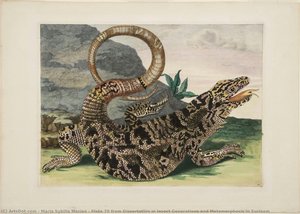
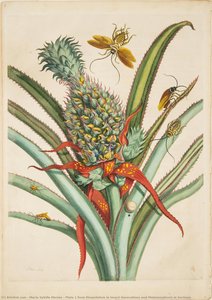
Maria Sibylla Merian’s influence extends far beyond the realm of natural history illustration. Her work bridged the gap between art and science, demonstrating that meticulous observation and artistic skill could be powerful tools for scientific discovery. She challenged societal norms by pursuing her passion for natural history with unwavering determination, paving the way for future female scientists and artists. David Attenborough has rightly recognized Merian as a pivotal figure in entomology, acknowledging her groundbreaking contributions to our understanding of insect life cycles. Her legacy continues to inspire artists, scientists, and nature enthusiasts alike. Today, her original illustrations are highly prized possessions of museums and private collectors worldwide. Reproductions of her work—like “Plate 70 from Dissertation in Insect Generations and Metamorphosis in Surinam” or the exquisite detail found in "Erucarum Ortus, Alimentum Et Paradoxa Metamorphosis"—allow us to appreciate her artistic skill and scientific insight.Key Contributions and Lasting Significance
Maria Sibylla Merian’s contributions were truly remarkable for her time. She was one of the first to depict the life cycles of insects with such detail and accuracy, challenging long-held beliefs about insect origins. Her meticulous observations and stunning illustrations revolutionized the study of entomology and botany. Her journey to Suriname demonstrated a courage and determination rarely seen in women of that era, proving that scientific inquiry could be pursued regardless of gender or social constraints. Merian’s legacy endures as a testament to the power of curiosity, observation, and a deep reverence for the natural world—a reminder that art and science can illuminate our understanding of life itself.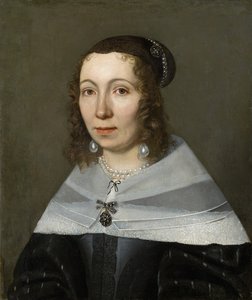
maria sybilla merian
1647 - 1717 , Германия
Основные сведения
- Artistic Movement Or Style: Натуралистическое искусство
- Artists Or Movements Influenced By This Artist: ['Энтомология']
- Artists Who Influenced This Artist: ['Якоб Маррель']
- Date Of Birth: 2 апреля 1647 г.
- Date Of Death: 13 января 1717 г.
- Full Name: Maria Sibylla Merian
- Nationality: Немецкая
- Notable Artworks:
- Метаморфозы насекомых Суринама
- Erucarum Ortus
- Place Of Birth: Франкфурт-на-Майне, Германия
Похожие статьи

Топ-10 легендарных акварелей, изменивших искусство навсегда | ArtsDot
Погрузитесь в мир акварели! Откройте топ-10 легендарных картин Turner, Monet и других великих художников. История искусства, техники живописи и вдохновение для вашего интерьера. Репродукции музейного качества на ArtsDot.com.

Ephemeral Visions: Exploring the Artistic Legacy & Nuances of Watercolor Painting
Explore the captivating world of watercolor painting! Discover its rich history, essential techniques, influential artists & collecting tips from art experts. A comprehensive guide for enthusiasts.
Акварель: История, Техники и Современная Практика
Узнайте историю акварели от древности до современности, познакомьтесь с техниками и секретами мастеров. Пошаговое руководство для начинающих и вдохновение для опытных художников.

Ephemeral Visions: Exploring the Artistic Legacy & Contemporary Practice of Watercolor Painting
Explore the captivating world of watercolor painting! Discover its rich history, essential techniques, influential artists & collecting tips. A comprehensive guide for art enthusiasts from ArtsDot.

Ephemeral Visions: Exploring the History & Emotional Resonance of Watercolor Painting
Explore the captivating history of watercolor painting, from ancient techniques to modern masters like Kandinsky & Blake. Discover essential artists, collecting tips & the emotional power of this luminous medium. Expert insights for art enthusiasts.